

Fast, Reliable Spray Foam Insulation Across Bellflower
Most spray foam insulation jobs in Bellflower run between $2,800 and $7,500 depending on whether we’re sealing a garage ceiling, rim joist, or full attic, and our crews typically quote same-day and start within 48 hours. We dispatch from our Los Angeles office and carry both open-cell and closed-cell rigs through Bellflower daily, so we’re familiar with the 1950s tract ranches off Bellflower Boulevard, the slab-on-grade garages near Woodruff Avenue, and the converted ADUs around Somerset Boulevard that need foam scopes written differently than new construction.
Call (424) 349-7262 for a written price before any work starts. Estimates are free, and we answer live 24/7.
Why Topside Attic Insulation Whittier Is Bellflower’s Preferred Spray Foam Insulation Company
We’ve sealed and insulated more than 9,000 homes since 2016, and a significant share of those have been in southeast LA Basin cities like Bellflower where the housing stock creates specific problems generic insulators miss. Our Bellflower customers leave reviews that mention the same thing repeatedly: we found air leaks they didn’t know existed, showed them blower-door numbers that proved it, and delivered a written scope and warranty before anyone lifted a tool.
Response time to Bellflower averages under 90 minutes from call to technician text, because our crews already work the 90706 corridor regularly. We know which blocks have original 1950s batts compressed to R-11, which neighborhoods see the worst attic temperatures from the heat-island effect, and where garage-to-ADU conversions have created insulation gaps that standard scopes overlook. That local knowledge changes what we bid, what we find, and what you end up paying.
Under Haven Standard Clause 1, every Bellflower job gets a Written Price Before Any Work Starts. No exceptions. Bring us a competing quote and we’ll read it with you - our Free Second Opinion applies to any written estimate from any contractor.
Our Spray Foam Insulation Services in Bellflower
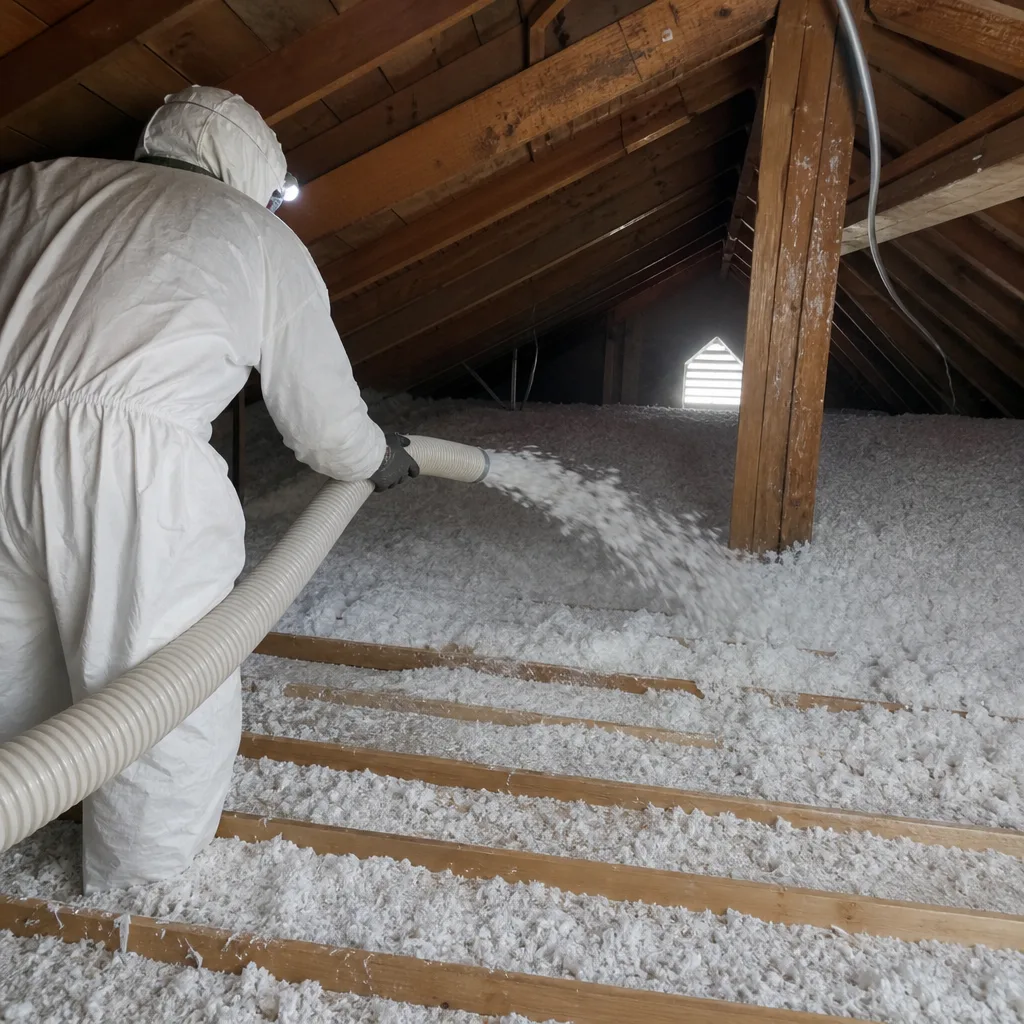
Closed-Cell Spray Foam
Closed-cell spray foam is the denser, moisture-resistant option - about 2 pounds per cubic foot, R-6.5 per inch, and structurally rigid enough to add shear strength to a garage ceiling or rim joist. In Bellflower, we specify closed-cell for garage ceilings above overhead doors because the marine-layer-adjacent humidity and winter fog cycles corrode torsion springs, hinges, and roller stems years before most homeowners notice. Our Spray Foam Insulation team inspects that hardware before foaming; we’ve found too many rusted-through springs and seized nylon-bushing rollers on original 1950s doors to skip this step. Closed-cell also seals the slab-to-wall junction that’s common in Bellflower’s post-WWII tract ranches, stopping the air bypass that undermines attic performance.
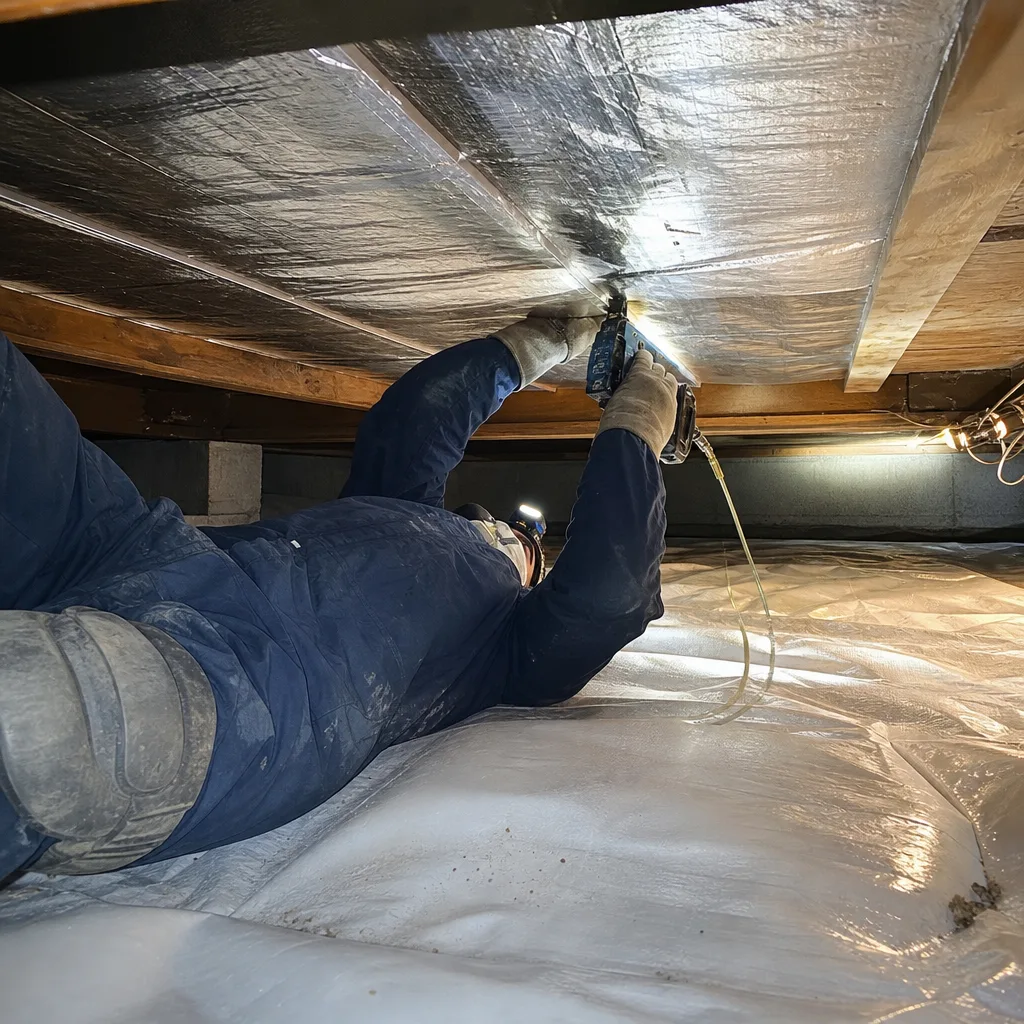
Open-Cell Spray Foam
Open-cell runs lighter - about 0.5 pounds per cubic foot, R-3.6 per inch - and costs less per board foot, but it’s vapor-permeable and not suited for Bellflower garage ceilings or any surface that might see bulk moisture. We use it in conditioned attic roof decks and some wall cavities where the assembly is designed to dry to the interior. The catch in Bellflower: many 1950s attics have rodent-chewed, urine-saturated original batts and active eave-gap nesting. Spray open-cell over compromised substrate and it fails to bond, trapping odor and reducing R-value where removal and sanitation were actually required first. We scope for this before we bid.
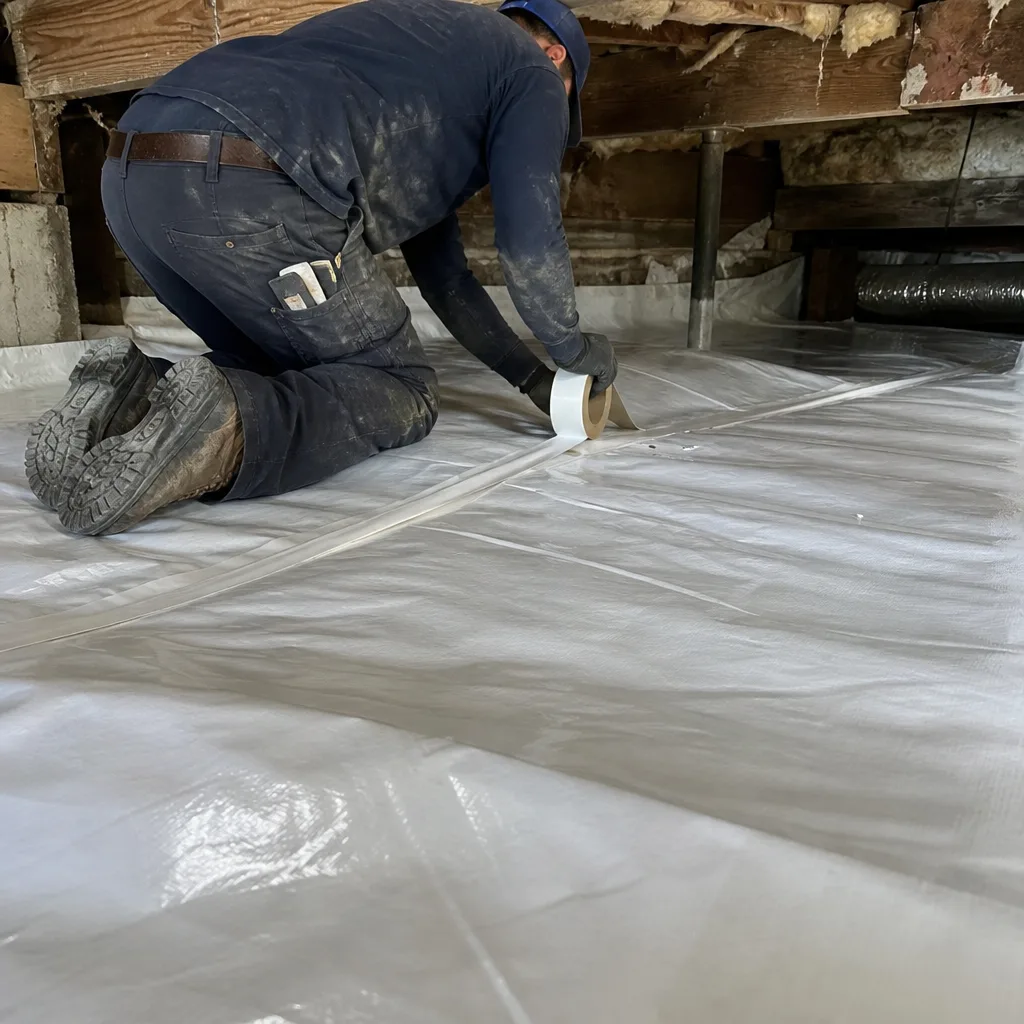
Rim Joist Spray Foam
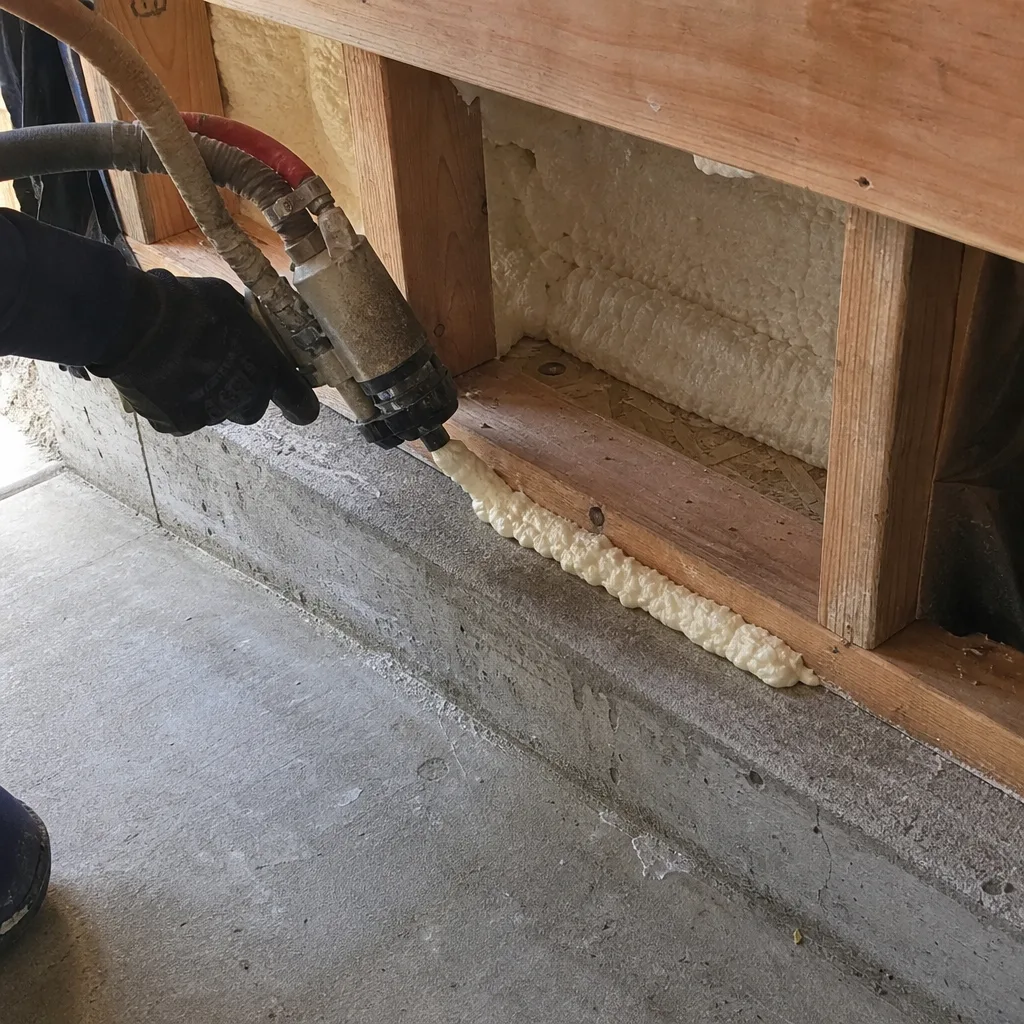
The rim joist - the perimeter band where your floor framing meets the foundation - is often the leakiest square footage in a Bellflower home, especially on slab-on-grade ranches where the 2×4 wall plate sits directly on concrete with no thermal break. Air leaks here year-round, but in Bellflower’s 90-95°F summer heat-island attics, that warm air infiltration drives cooling loads disproportionately. We seal rim joists with closed-cell foam, typically 2-3 inches, after caulking the sill plate and sealing any penetrations. Without that air-sealing prep, the foam thickness doesn’t matter - the air still bypasses it at the plate line.
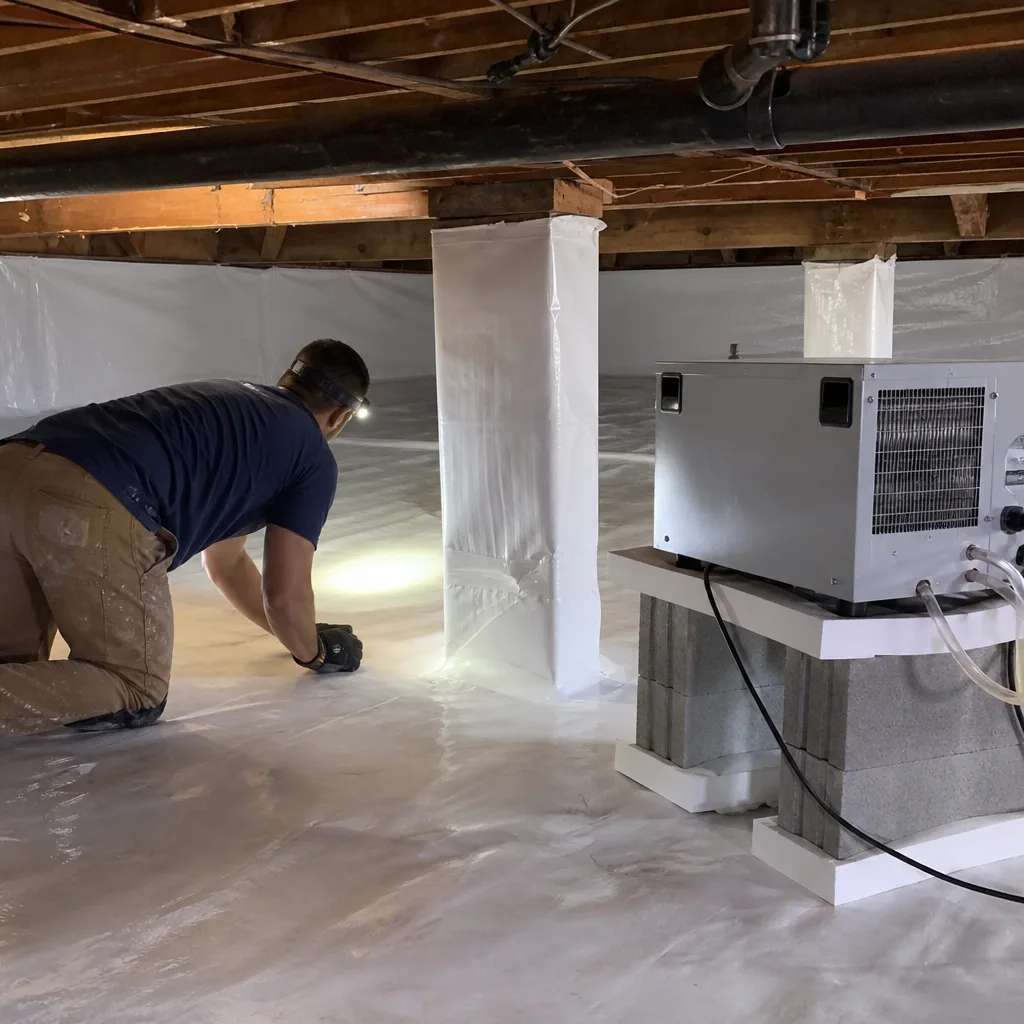
Garage Ceiling Spray Foam
Garage ceiling foam in Bellflower is almost always closed-cell, and it’s almost always more than an insulation upgrade. The field vignette: On a 1954 slab-framed ranch off Bellflower Boulevard near the old Bellflower High stadium, our tech pulled the garage ceiling to prep for spray foam and found a rusted-through torsion spring and seized nylon-bushing rollers on the original overhead door, with corrosion running the length of both vertical tracks. Before foaming, we wiped the tracks, swapped in galvanized springs and new rollers, and sealed the rim joist and garage ceiling with closed-cell; the door cycled smooth on the opener for the first time in years, and the supply plenum in the garage ceiling finally stopped sweating. That’s a typical Bellflower garage ceiling job - not just foam, but hardware inspection and air-sealing the slab-wall junction that generic scopes ignore.
Spray Foam Roof Deck
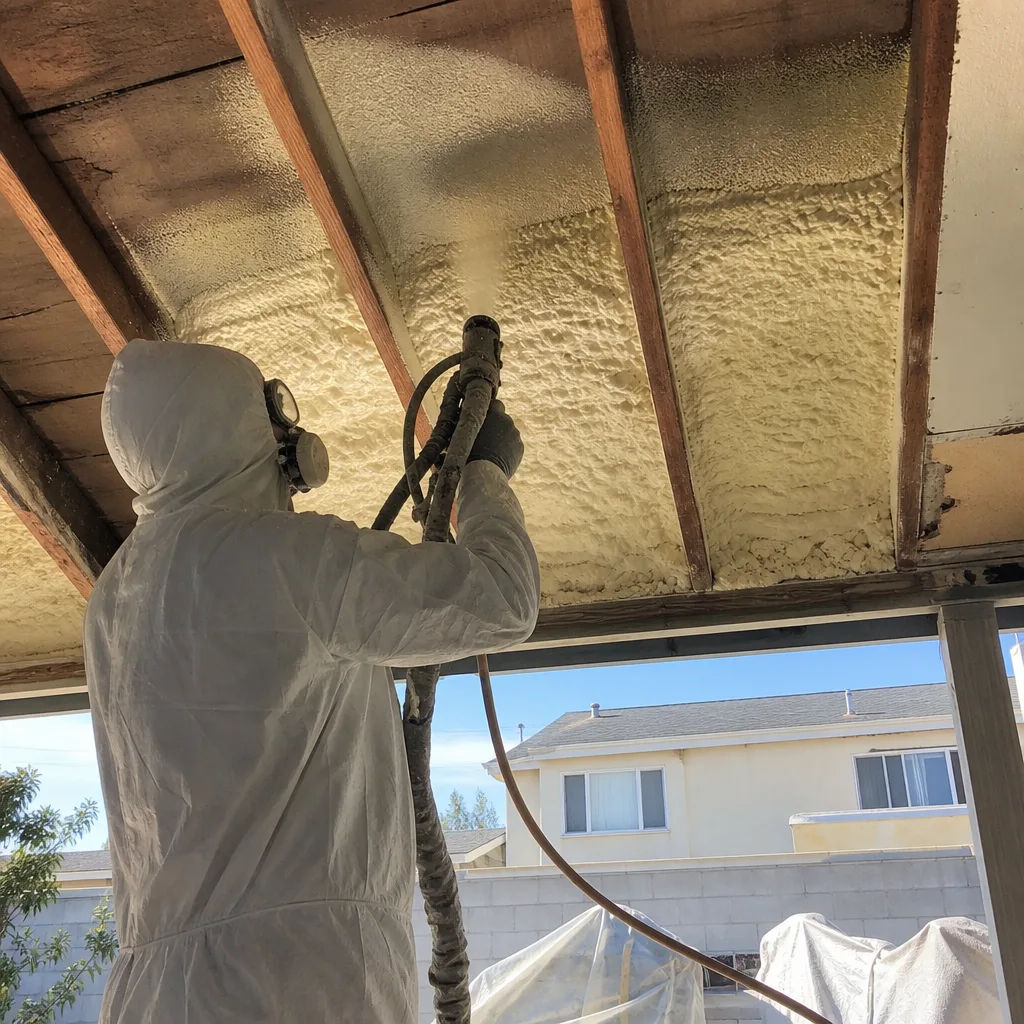
For homeowners finishing a Bellflower attic or converting to conditioned storage, we spray open-cell directly to the roof deck underside, creating an unvented assembly that moves the thermal boundary to the roofline. This works only when the attic becomes conditioned space; in a vented attic with original soffits, we’d recommend keeping the thermal boundary at the ceiling plane and upgrading to blown-in or batts with proper air sealing.
What happens when you call
- 1
A real person answersNo phone trees - you reach a local pro.
- 2
You get an upfront price rangeHonest numbers before anyone is dispatched.
- 3
A background-checked tech heads outLicensed & insured, dispatched right away.
- 4
You approve before work beginsNothing starts until you say go.
 Before
 After
AfterTrusted Brands We Service in Bellflower
We source spray foam materials from Icynene, Demilec, and CertainTeed - no proprietary lock-in, so we match the product to the assembly rather than forcing a one-size-fits-all specification. Our Bellflower rigs carry both open-cell and closed-cell sets daily, and we stock compatible sealants and flashing tapes for the air-sealing prep that precedes every foam job. If a specific product or density is specified by an engineer or energy rater, we can source it; most Bellflower residential jobs run standard 2-pound closed-cell or 0.5-pound open-cell from the brands above, installed to manufacturer density and thickness specifications with photo documentation at each lift.
Common Spray Foam Insulation Problems We See in Bellflower Homes
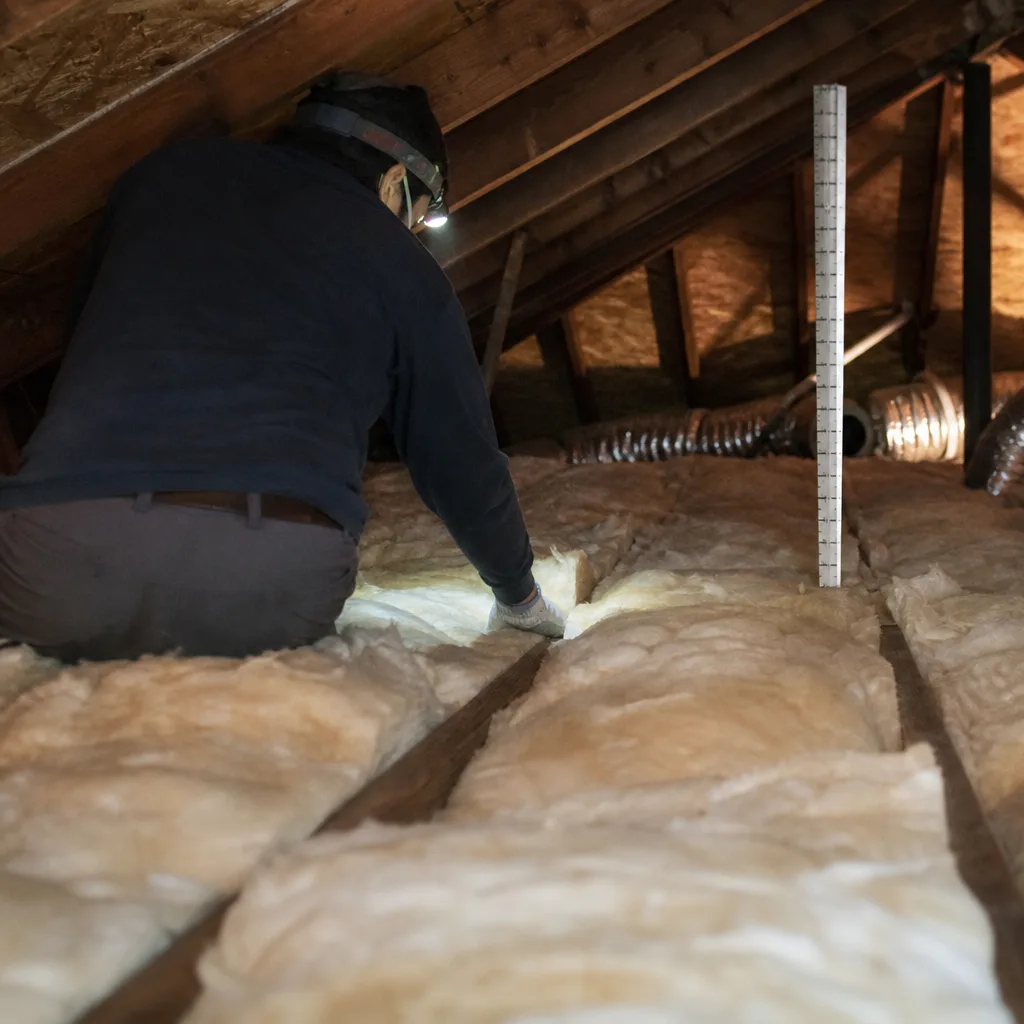
- Corroded garage door hardware masked by ceiling drywall. Bellflower’s coastal-adjacent humidity attacks torsion springs, roller stems, and hinge pins years faster than inland climates. We pull garage ceilings for foam prep and routinely find hardware at end-of-life that would have failed within the warranty period - so our scopes include inspection and replacement before foam goes in.
- Rodent-compromised attic substrate. Rat activity is endemic in the southeast LA Basin, and Bellflower attics from the 1950s-60s era show active or historical nesting with urine-saturated, compressed batts. Spray foam over this substrate bonds poorly and traps odor; we scope for removal, sanitation, and eave-gap sealing first, which expands labor but prevents callback.
- Uninsulated 2×4 wall planes creating air bypass. Bellflower’s 1947-1965 tract ranches were framed with uninsulated 2×4 exterior walls and slab-on-grade subfloors. Spray foam in the attic or garage doesn’t address air leakage through the wall plane itself, so rim joist and slab-wall junction sealing is mandatory for the assembly to perform.
- Heat-island attic temperatures degrading remaining original insulation. Bellflower sits far enough inland to lose Long Beach’s marine-layer cooling, and the dense, low-canopy streetscape creates a pronounced heat-island effect. Attic temperatures spike severely in summer, accelerating the compression and degradation of any remaining 1950s batts and making the upgrade to modern R-38+ values one of the highest-ROI improvements available.
Pricing for Spray Foam Insulation in Bellflower, CA
Here’s what spray foam insulation costs in Bellflower’s market, based on 2024-2025 jobs we’ve completed in the 90706 ZIP and surrounding tract neighborhoods:
| Service | Typical Range | Notes |
|---|---|---|
| Garage ceiling (closed-cell, 2-3 inches) | $2,800-$4,200 | Includes hardware inspection; add $400-$800 if spring/roller replacement needed |
| Rim joist (closed-cell, 2-3 inches) | $1,800-$3,200 | Slab-on-grade prep adds 2-3 hours labor |
| Attic roof deck (open-cell, 5-7 inches) | $4,500-$7,500 | Unvented assembly; requires HVAC evaluation |
| Full attic (open-cell over existing, after removal) | $3,500-$6,000 | Add $1,200-$2,500 for batt removal and sanitation if rodent-compromised |
What moves the number: substrate condition (removal vs. clean install), accessibility (vaulted ceilings, tight garages), air-sealing scope before foam, and whether the job requires blower-door verification. We don’t quote by square foot alone because the prep work - sealing top plates, can lights, penetrations, and slab-wall junctions - is what determines whether the foam performs. Every Bellflower estimate includes a written scope, written warranty, and Documented Photo Record. Call (424) 349-7262 for your exact number - estimates are free.
We Also Serve Cities Near Bellflower
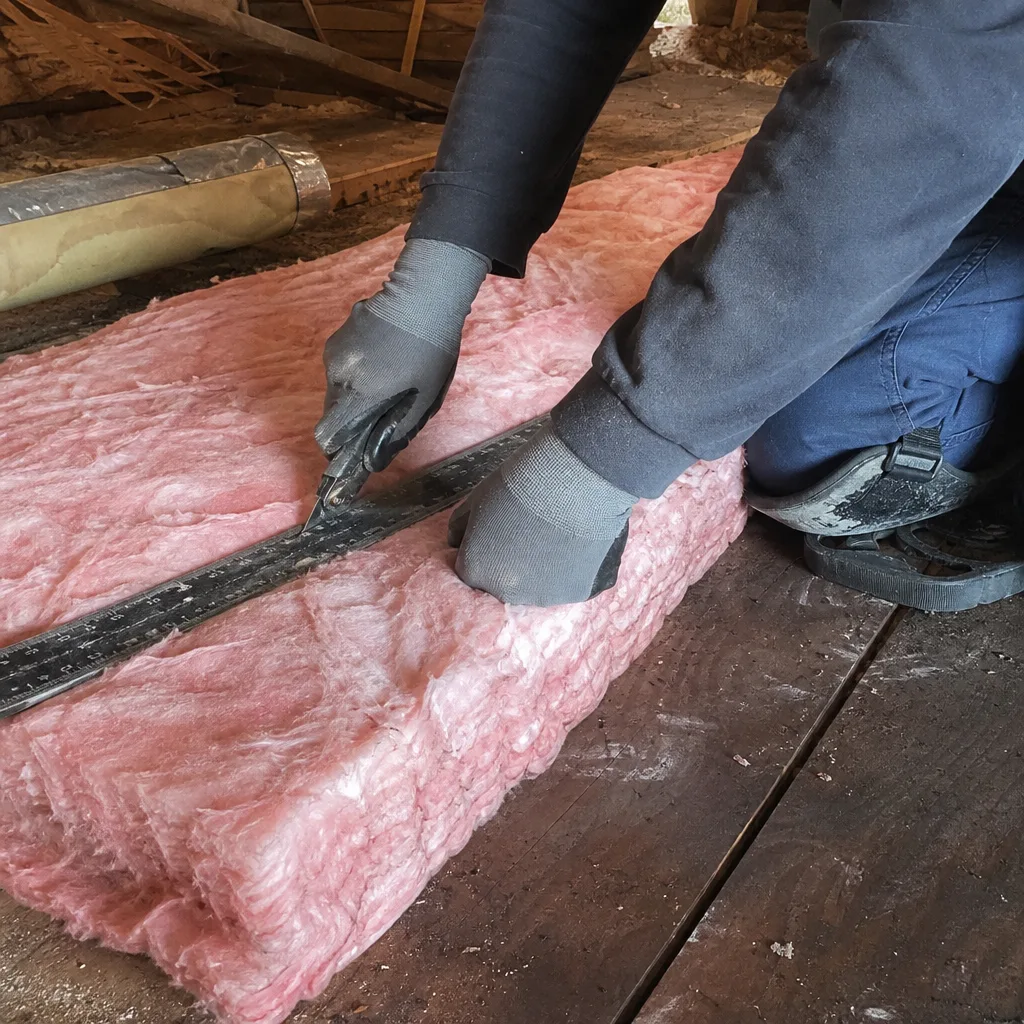
Our crews run the southeast LA Basin corridor daily. If you’re in Bellflower or nearby, we also cover Norwalk, Cerritos, Downey, and Bell Gardens with the same response times, same written pricing, and same blower-door documentation on applicable jobs. Dispatch and scheduling are coordinated from our Los Angeles office; technicians serve each city locally.
Serving Bellflower, CA - Our Local Coverage Area
We’re based in the Bellflower area and know this community well. Use the map below to see our service coverage - if you’re nearby, we can almost certainly help.
FAQs - Spray Foam Insulation in Bellflower
Closed-cell spray foam on a Bellflower garage ceiling, installed at R-19 or higher with proper air sealing, typically eliminates the need for a separate radiant barrier in that assembly. The foam itself is a radiant barrier when installed against the roof deck or ceiling plane, and the air sealing stops convective heat transfer that radiant barriers don’t address. That said, in Bellflower’s heat-island climate with 90-95°F summer afternoons, we often recommend pairing garage ceiling foam with a reflective roof surface or attic radiant barrier if the garage shares a ceiling with conditioned space above. Call (424) 349-7262 and we’ll scope it with a blower-door target.
No, and any contractor who says otherwise hasn’t inspected what 1950s batts look like in Bellflower. Original batts in this market are typically compressed to R-11 or lower, often rodent-chewed and urine-saturated, and may cover active eave-gap nesting. We remove and dispose of them, sanitize the substrate, seal all air leaks, then spray. Skipping removal traps odor, prevents proper foam adhesion, and voids manufacturer warranties. The removal and sanitation adds $1,200-$2,500 to most Bellflower attic jobs, but it’s non-negotiable for a scope that performs. Call (424) 349-7262 for a written price that includes this step.
The foam won’t damage them, but Bellflower’s coastal-adjacent humidity and winter fog cycles probably already have. We inspect torsion springs, rollers, hinges, and tracks before foaming any Bellflower garage ceiling, and we find corrosion at end-of-life more often than not. Our scopes include hardware replacement with galvanized springs and sealed-bearing rollers as needed - not because the foam requires it, but because pulling the ceiling to foam exposes hardware that was already failing. The foam actually helps by sealing the rim joist and reducing temperature swings that accelerate corrosion. Call (424) 349-7262 for a scope that includes this inspection.
Closed-cell, without exception, for Bellflower garage-to-ADU conversions. These unpermitted conversions are common in Bellflower’s rental-heavy market, and they create specific problems: slab-on-grade floors with no thermal break, uninsulated 2×4 walls, and garage doors that become exterior walls with inadequate headers. Closed-cell at 2-3 inches on the new exterior walls and ceiling provides R-13+ wall value, structural rigidity, and moisture resistance in a single application. Open-cell would require additional vapor management and wouldn’t address the air leakage at slab-wall junctions that dominates Bellflower’s heat-island cooling loads. We scope these conversions with a blower-door target and document the before-and-after. Call (424) 349-7262 for a written price.
Bellflower’s 1947-1965 tract housing stock creates scope variables that don’t exist in newer markets. The uninsulated 2×4 walls, slab-on-grade construction, endemic rodent activity in attics, and high rate of garage conversions mean a “standard” attic foam job in Bellflower often requires removal, sanitation, eave-gap sealing, and slab-wall air sealing that a 1990s house in Cerritos or Downey doesn’t. Contractors who bid by square foot alone miss these variables and either underbid (then change-order later) or overbid (padding for unknowns). We price from a site-specific inspection with a written scope, so the number you get is the number you pay. Call (424) 349-7262 for a Free Second Opinion on any competing quote.
Ready for a written price? Call (424) 349-7262 now. A live person answers 24/7, and we’ll have a technician to your Bellflower home for a free estimate, written scope, and documented photo record - no work starts without a Written Price Before Any Work Starts, and every job is backed by our 365-Day Done Right Promise.
Written by Wes Okafor, Owner at Envelope Insulation Co., serving Bellflower and the southeast LA Basin since 2016.