
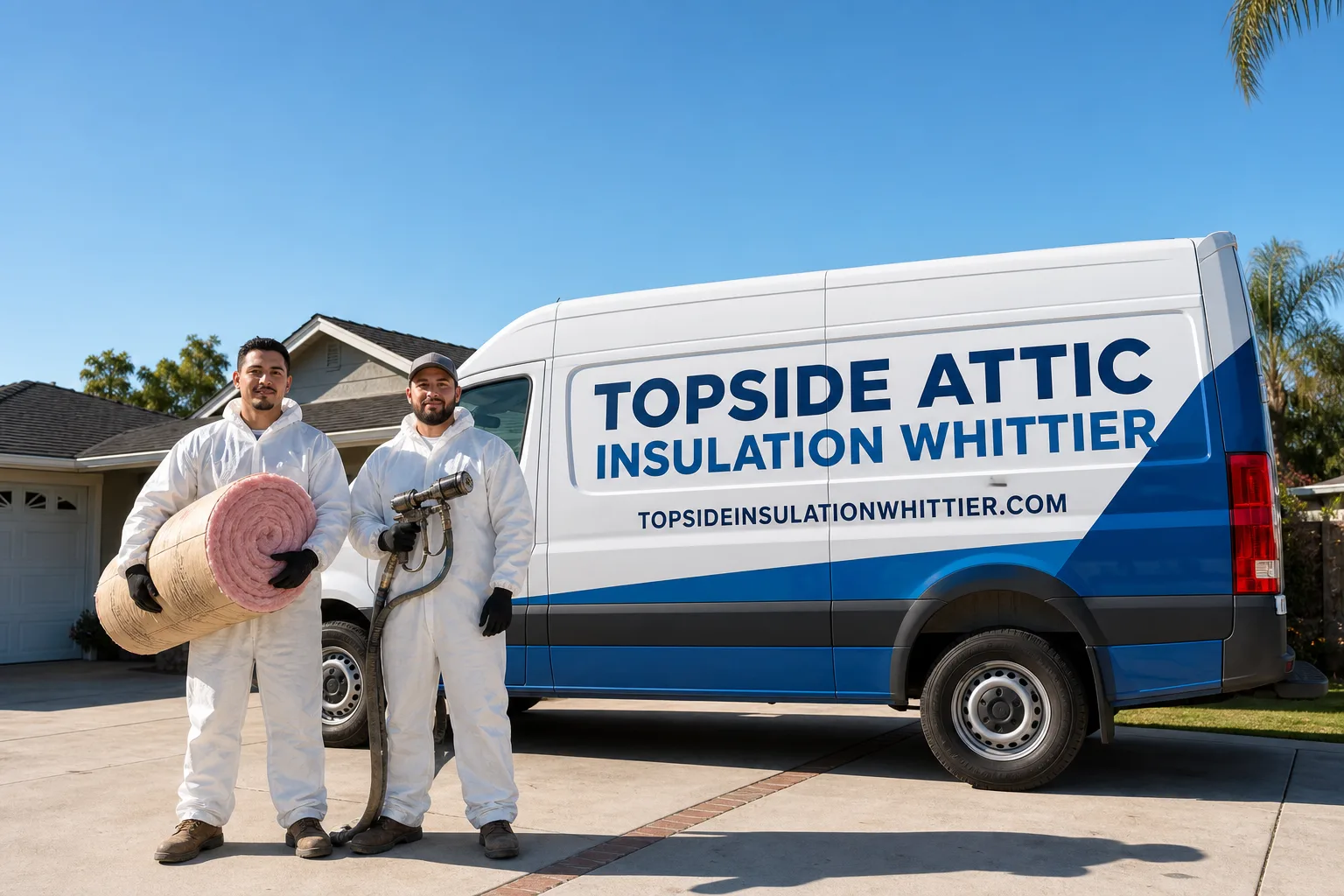
Trusted Radiant Barrier Installation for Whittier Homeowners
Radiant barrier installation in Whittier typically costs $1,800-$4,200 for a standard single-story home and reduces attic heat gain by 20-40 percent during summer months. See our guide on how much Radiant Barrier Installation costs for a full breakdown. Most jobs are completed in one day, and we can often schedule within 48 hours.
We’ve sealed and insulated over 9,000 homes since 2016, and we’ve learned that Whittier’s combination of older ranch-style construction and intense summer sun creates a specific problem: attics that hit 140-150°F, forcing air conditioners to run continuously and still leaving second-floor rooms uncomfortable. Our Whittier Radiant Barrier Installation team specializes in solving this exact issue. A radiant barrier doesn’t replace insulation; it works with it by reflecting radiant heat before it penetrates the attic floor. Under The Haven Standard, every job begins with a written price and ends with a documented photo record. Our 365-Day Done Right Promise applies to all completed work. Call (424) 349-7262 to speak with a live person 24/7.
What Our Radiant Barrier Installation Service Includes
Attic Radiant Barrier
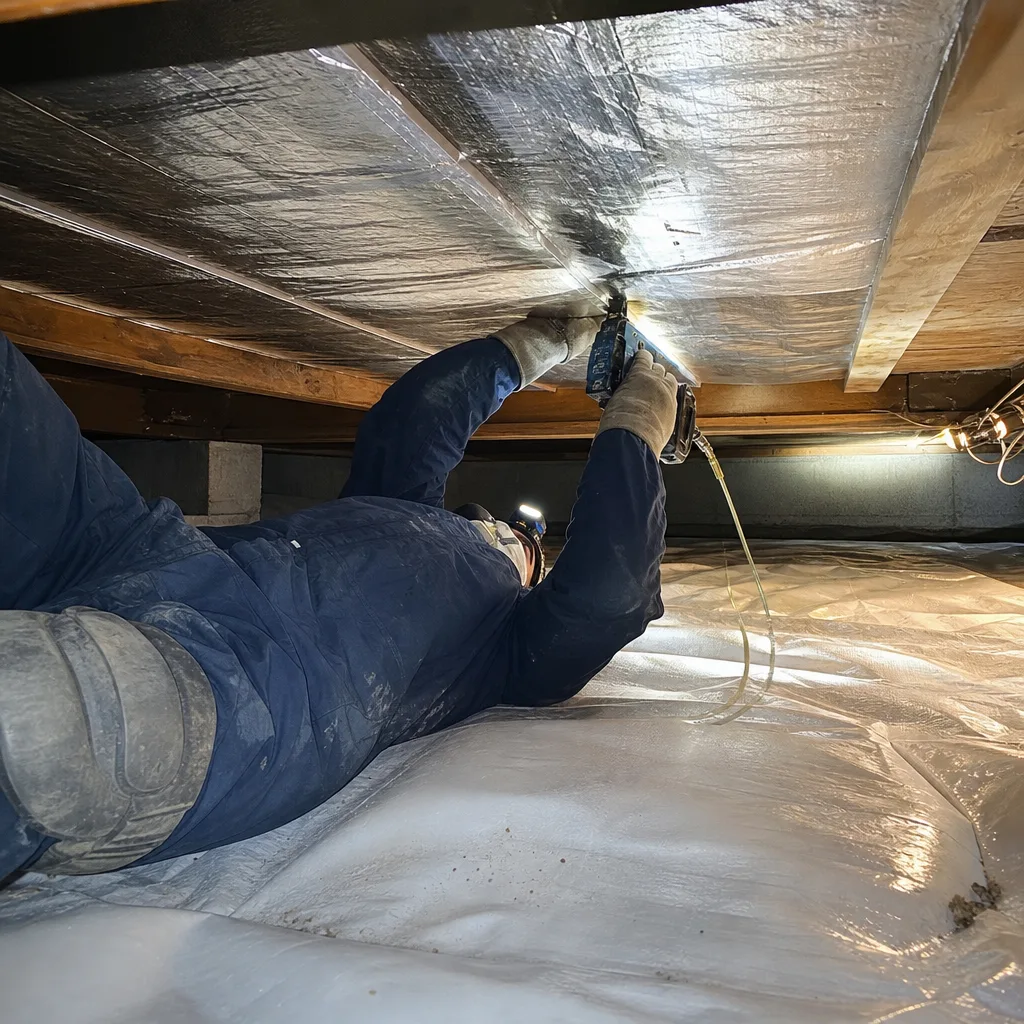
Attic radiant barrier is a reflective material, typically aluminum foil laminated to a substrate, installed on the attic floor or underside of the roof deck to reduce radiant heat transfer from a hot roof to the living space below. In Whittier, where many homes built between 1950 and 1980 have minimal original insulation and dark composite shingles, the attic floor can absorb enough radiant heat to raise cooling costs by 25-35 percent. We also offer Radiant Barrier Installation in Pico Rivera for nearby homeowners facing similar challenges. We install Knauf radiant barrier products with attention to the critical detail: maintaining proper air gaps and avoiding compression over existing insulation, which would eliminate the reflective surface’s effectiveness. Every attic radiant barrier job includes blower-door-guided air sealing of top plates and can lights first, because a radiant barrier over a leaky ceiling is like a sunshade on a screen door.
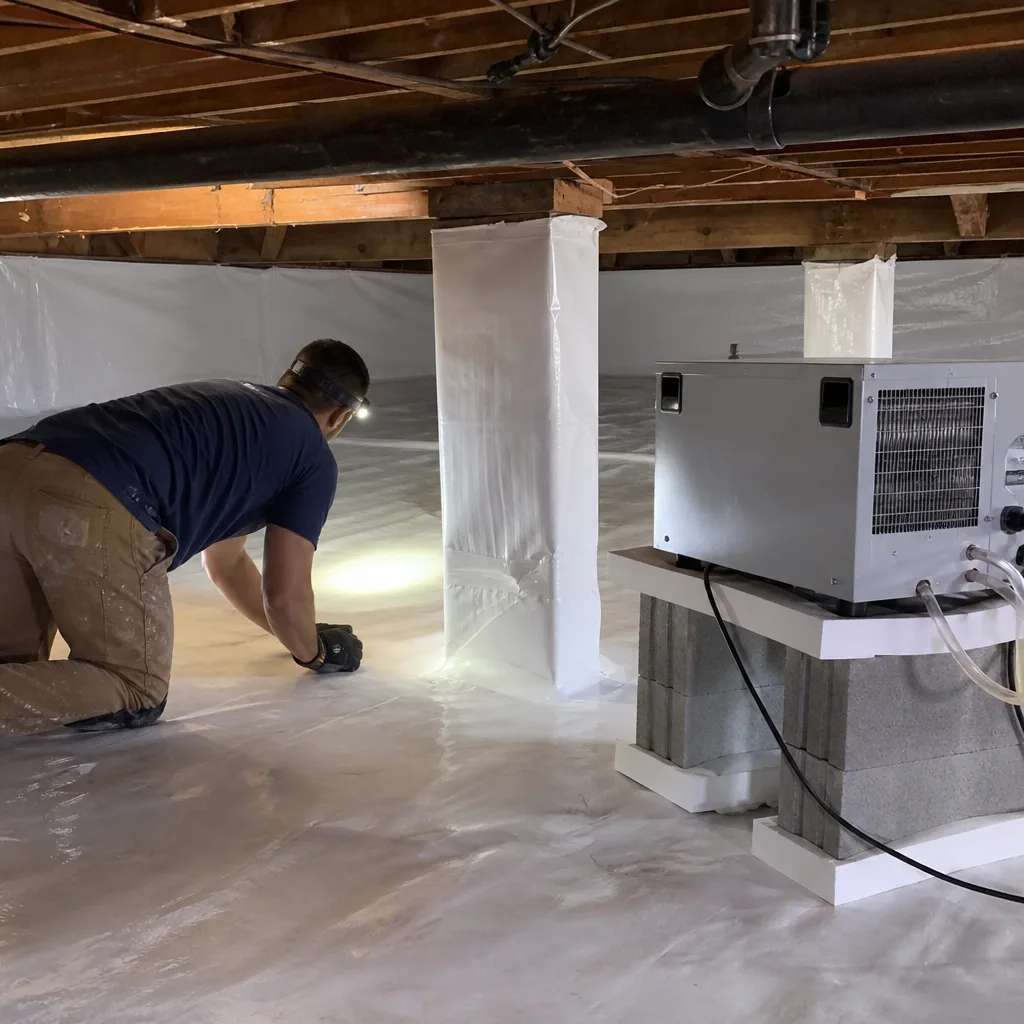
Radiant Barrier Foil
Radiant barrier foil is the most common form of reflective insulation, a thin, flexible sheet with a low-emissivity surface that reflects up to 97 percent of radiant heat. We use this material in Whittier attics where ductwork runs through the attic space, a common configuration in neighborhoods like Friendly Hills and California Heights that were built before duct sealing standards improved. The foil is installed with proper sag to maintain the required ¾-inch minimum air gap on at least one side, per manufacturer specifications. Our crews document the installation pattern with photos showing continuous coverage and proper stapling intervals, part of the Documented Photo Record you receive at job completion.
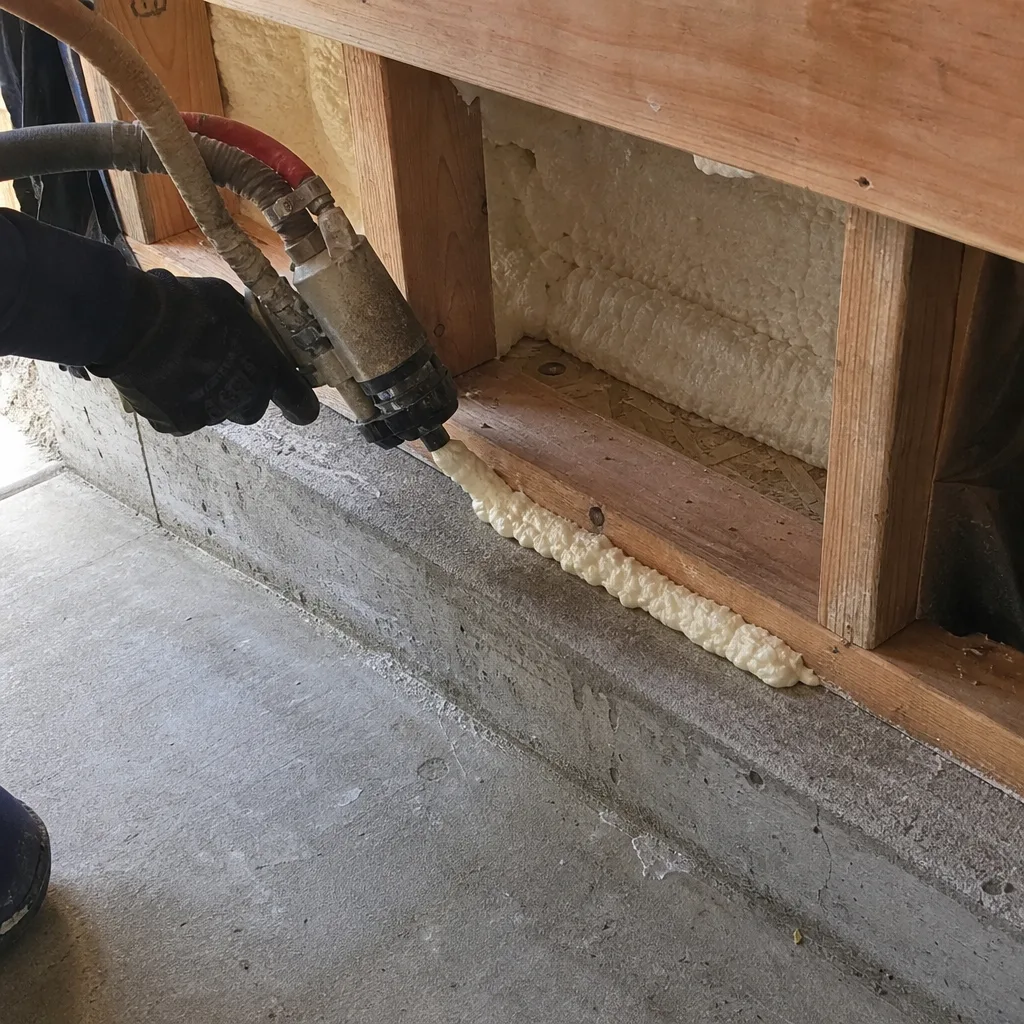
Radiant Barrier Roof Deck
Radiant barrier roof deck installation attaches reflective material directly to the underside of the roof rafters or sheathing, creating a barrier between the hot roof surface and the attic air. This approach is particularly effective in Whittier’s climate, where roof surface temperatures regularly exceed 170°F in July and August, and it’s the preferred method when attic floors are already adequately insulated but the roof itself is the dominant heat source. We provide the same expert service through our Hacienda Heights Radiant Barrier Installation offering. We use CertainTeed radiant barrier roof sheathing or retrofit foil applications depending on whether the home is being re-roofed or we’re working with the existing structure. The installation requires precise cutting around rafter bays and careful sealing at edges to prevent convective bypass, work our technicians perform with background checks and uniformed arrival.
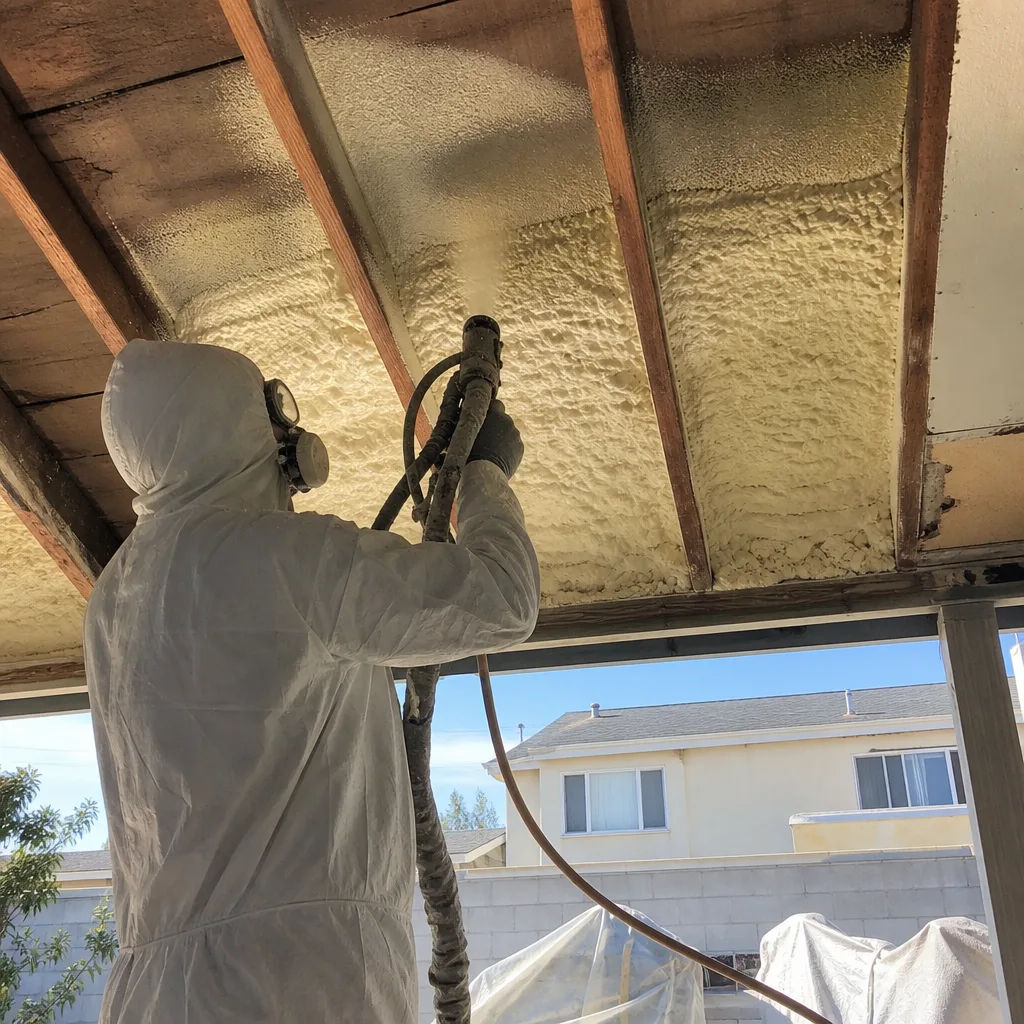
Radiant Barrier & Ventilation
Radiant barrier performance depends entirely on attic ventilation strategy, because the barrier reflects heat back toward the roof deck, which must then radiate that heat outward rather than inward. In Whittier, where many homes have inadequate soffit ventilation or blocked gable vents, we assess the complete attic ventilation system before recommending radiant barrier placement. We calculate net free vent area against the 1:150 or 1:300 ratios in the California Building Code, and we install baffles to maintain soffit-to-ridge airflow when blown-in insulation would otherwise block it. The combination of proper radiant barrier installation and corrected ventilation often reduces attic peak temperatures by 30-50°F compared to an unimproved attic, a difference you can verify with our before-and-after blower-door and thermal imaging documentation.
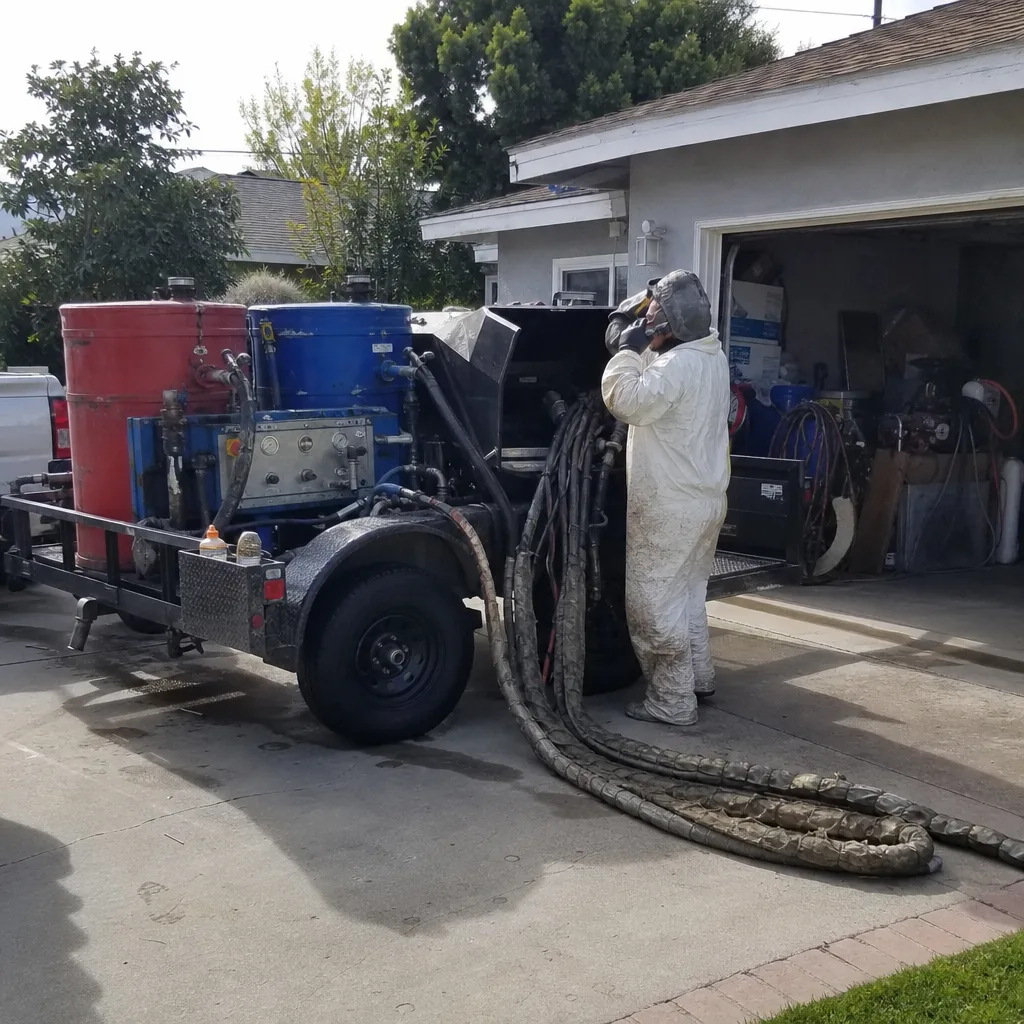
What happens when you call
- 1
A real person answersNo phone trees - you reach a local pro.
- 2
You get an upfront price rangeHonest numbers before anyone is dispatched.
- 3
A background-checked tech heads outLicensed & insured, dispatched right away.
- 4
You approve before work beginsNothing starts until you say go.
Signs You Need Radiant Barrier Installation Right Now
- Your second floor is 10-15°F warmer than the first floor even with the AC running. This temperature stratification is common in Whittier’s split-level and two-story homes where radiant heat from the attic overwhelms the cooling capacity of upstairs ducts. The problem worsens in homes with dark shingle roofs facing southwest, and it won’t resolve with a larger air conditioner because the root cause is heat gain, not insufficient cooling capacity.
- Your air conditioner runs continuously from 2 PM to 8 PM on summer weekdays. Extended afternoon run times indicate the thermal load is exceeding your system’s design capacity, often because the attic is acting as a radiant heat source that re-radiates into conditioned space faster than the AC can remove it. In Whittier’s climate zone, this pattern typically adds $80-$150 to monthly summer electric bills compared to a home with proper radiant barrier and insulation.
- You can feel heat radiating from your ceiling on summer afternoons. Place your hand on an upstairs ceiling at 4 PM in July; if it feels warm to the touch, radiant heat is transferring directly through the drywall. This is especially prevalent in homes with R-19 or less attic insulation, common in the North Whittier and West Whittier areas built during the 1960s and 1970s construction booms.
- Your attic insulation is compressed, displaced, or contaminated but the roof is in good condition. When existing insulation has settled or been disturbed by rodent activity, adding a radiant barrier to the roof deck can provide immediate heat reduction while you plan for full insulation replacement. We see this scenario frequently in Whittier’s older neighborhoods where previous owners added inadequate insulation or where attic access has been limited.
- You’re planning a roof replacement within the next 2-3 years. The incremental cost of radiant barrier roof sheathing during re-roofing is 15-25 percent lower than retrofit installation, and the opportunity to integrate the barrier with new ventilation and proper decking creates a system that performs better than any retrofit. We provide free second opinions on roofing contractor proposals to ensure radiant barrier specifications are appropriate for your attic configuration.
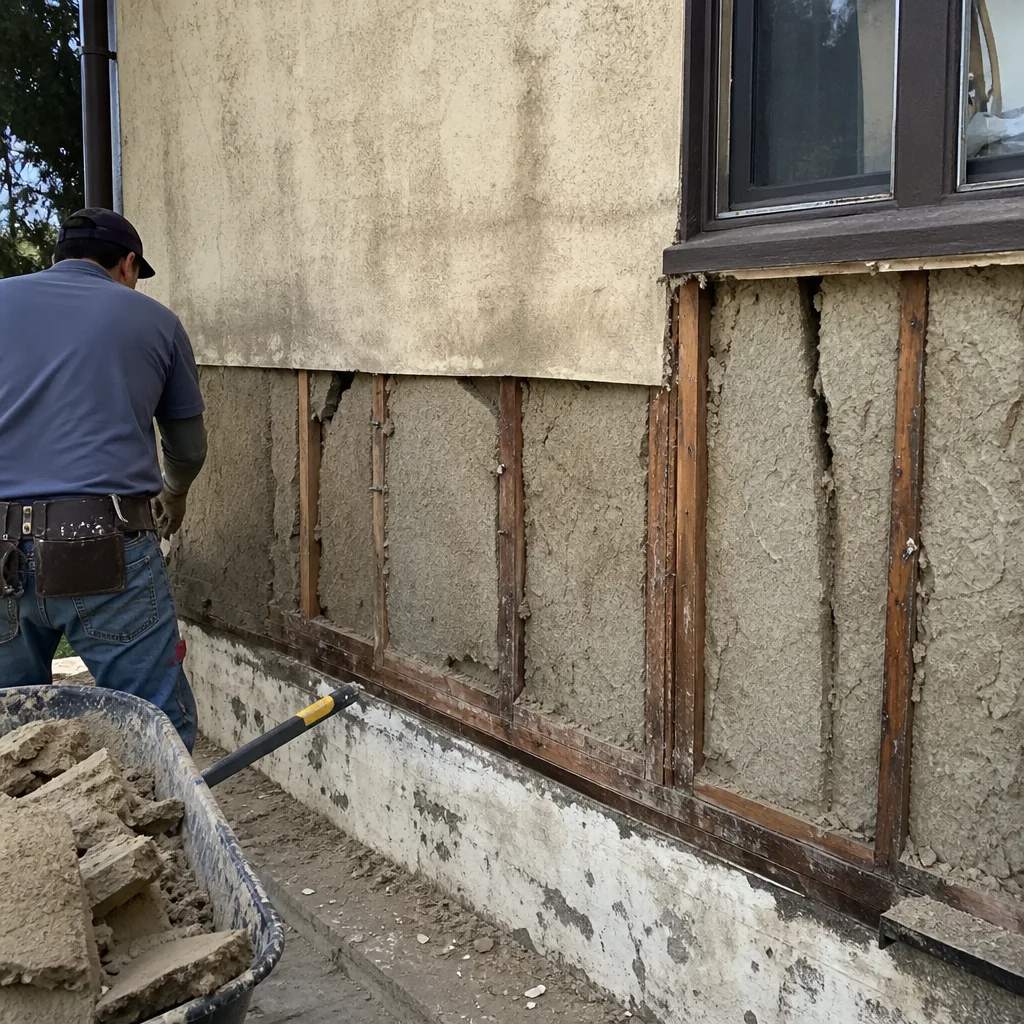 Before
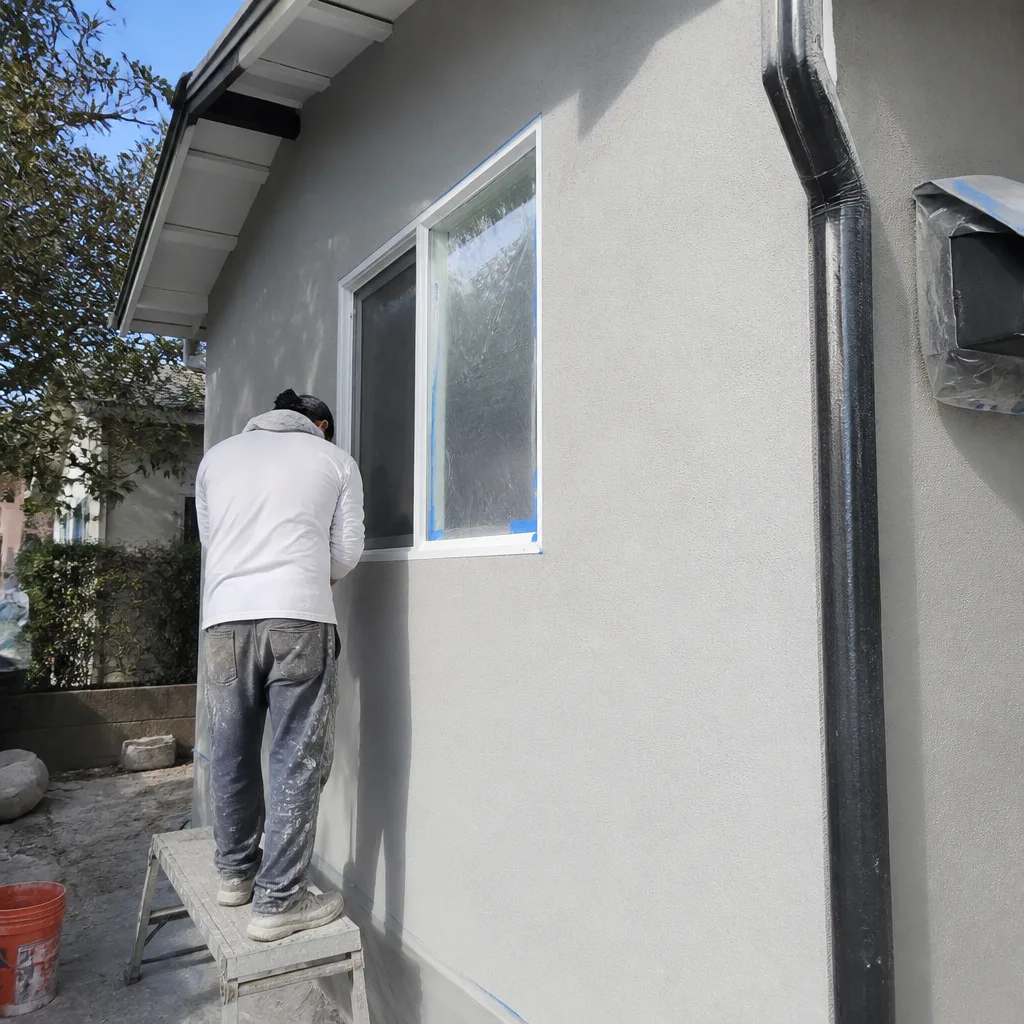 After
AfterOur Radiant Barrier Installation Process - Step by Step
- 1
Attic assessment and blower-door test. We start with a visual inspection of your attic’s current condition, insulation depth, ventilation openings, and any signs of moisture or rodent damage. On applicable jobs, we run a blower-door test - a pressurization reading that shows, in one number, how much air your building envelope is losing - to establish a baseline before any work begins. In Whittier’s older homes, we typically see initial readings of 3,500-5,500 CFM50, which informs how much air sealing is needed before radiant barrier installation.
- 2
Written price and scope delivery. Under Haven Standard Clause 1, you receive a flat price, written scope, and written warranty before anyone lifts a tool. The scope specifies radiant barrier type, installation location, ventilation modifications if needed, and the target blower-door reduction. No work starts without your written approval.
- 3
Air sealing of attic floor penetrations. We seal top plates, wire penetrations, can light housings, and duct boots with appropriate materials - fire-rated foam or caulk, metal tape for ducts, and rigid barriers for large openings. This step is never skipped; we have documented cases in Whittier where air sealing alone reduced blower-door readings by 30 percent before insulation or radiant barrier was added.
- 4
Radiant barrier installation with photo documentation. Our technicians install the specified radiant barrier material with proper air gaps, cutting around obstructions, and securing per manufacturer requirements. Every critical detail is photographed: coverage continuity, stapling pattern, clearance around combustion vents, and ventilation baffle placement. These photos become part of your Documented Photo Record.
- 5
Final verification and documentation delivery. We perform a final attic inspection, verify ventilation airflow, and on applicable jobs run a second blower-door test to quantify the air-sealing improvement. You receive the written scope completion sign-off, warranty documentation, photo record, and before-and-after blower-door numbers if testing was performed. The 365-Day Done Right Promise begins at this point.
How Much Does Radiant Barrier Installation Cost in Whittier?
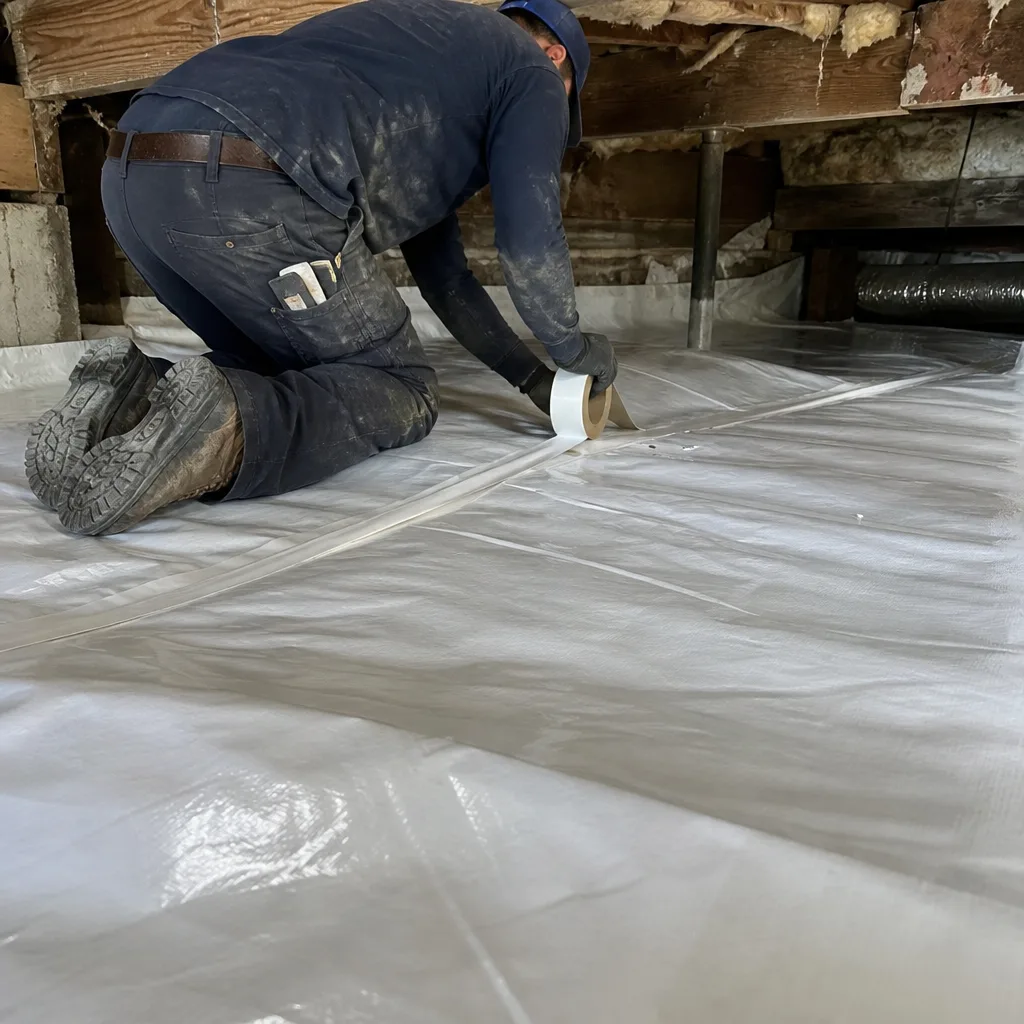
A typical attic radiant barrier installation in Whittier runs $1,800-$3,400 for a single-story home between 1,200 and 2,000 square feet, and $2,800-$4,200 for two-story homes or those with complex roof geometries. Radiant barrier roof deck retrofit on an existing roof generally falls in the $2,200-$3,800 range, while integration during a re-roofing project with CertainTeed radiant barrier sheathing typically adds $800-$1,500 to the roofing contract.
Several factors move the price within these ranges. Attic accessibility is significant; homes with limited scuttle openings or truss configurations that restrict worker movement require more labor time. The condition of existing insulation matters because we won’t install radiant barrier over contaminated or moisture-damaged material, and removal adds $400-$900. Ventilation modifications, when needed to achieve code-compliant airflow, range from $300 for additional soffit vents to $1,200 for ridge vent installation on homes with inadequate exhaust ventilation.
To avoid overpaying, get any competing estimate in writing and bring it to us for a free second opinion - we’ll review the scope line by line and identify what’s actually specified versus what’s implied. Our written price includes all labor, materials, disposal, the Documented Photo Record, and the 365-Day Done Right Promise. There are no追加 fees for “unexpected conditions” that a competent estimator should have identified during the initial assessment.
Radiant Barrier Installation Near Whittier - Our Service Area
We complete radiant barrier installations throughout Whittier and neighboring communities, with typical response times of same-day to 48 hours depending on season and scope. Our crews work regularly in South Whittier, where post-war tract homes benefit significantly from roof-deck radiant barrier retrofits, and in Hacienda Heights, where hillside exposure intensifies solar gain. We also serve Pico Rivera, La Mirada, Norwalk, La Puente, Downey, Cerritos, El Monte, Bell Gardens, and Rosemead. Most Whittier-area homeowners receive their written price within 24 hours of the initial assessment.
Serving Whittier, CA - Our Local Coverage Area
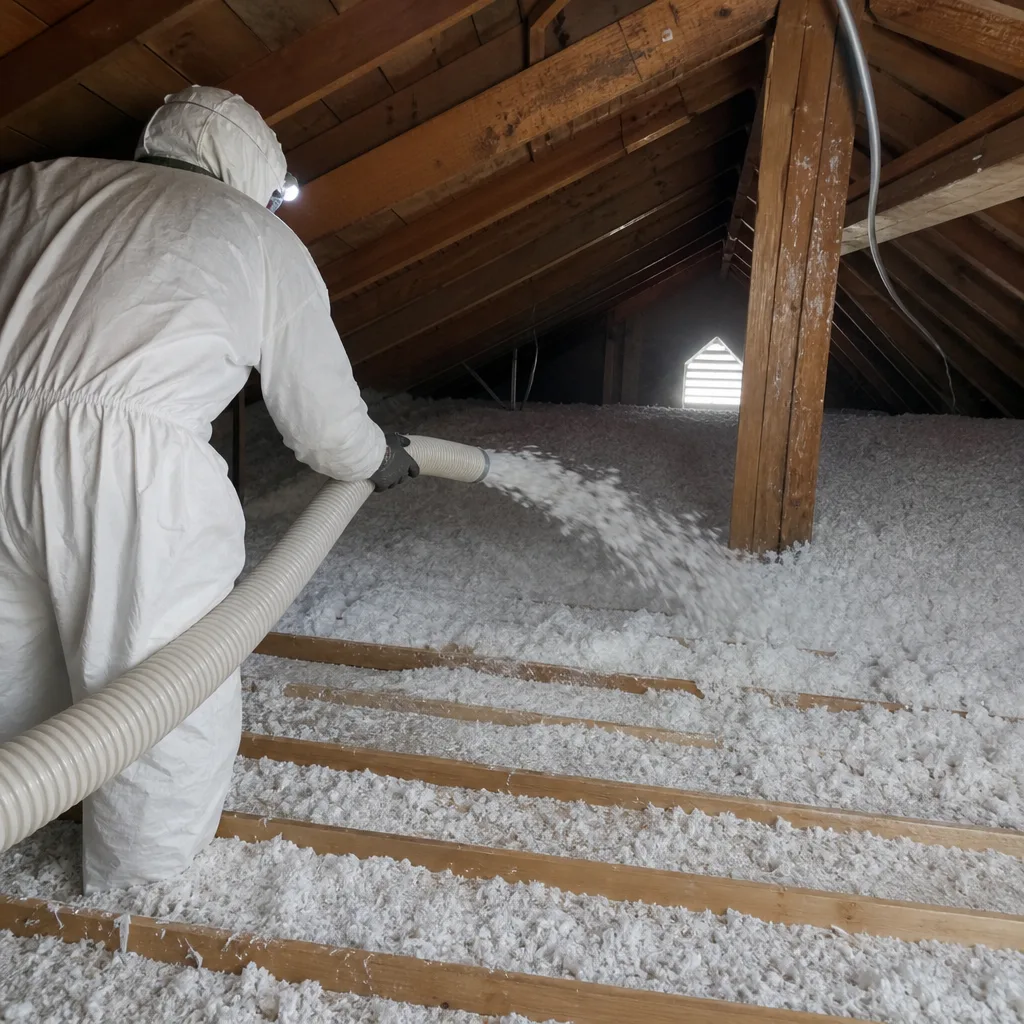
We’re based in the Whittier area and know this community well. Use the map below to see our service coverage - if you’re nearby, we can almost certainly help.
Frequently Asked Questions - Radiant Barrier Installation in Whittier
Radiant barrier installation is the placement of reflective material in an attic to reduce radiant heat transfer from a hot roof to the living space below. The barrier reflects up to 97 percent of radiant energy rather than absorbing it, which keeps attic air and insulation cooler and reduces the cooling load on your home. In Whittier’s climate, this typically translates to 20-40 percent reduction in attic heat gain and measurable decreases in summer cooling costs.
Most residential radiant barrier installations in Whittier are completed in one day, with larger or more complex jobs occasionally extending to a second day. The timeline assumes we’ve completed air sealing first; if significant air sealing is needed, that work may be scheduled separately or combined depending on crew availability and season. You’ll receive a specific completion estimate in your written scope before work begins.
Radiant barrier installation in Whittier typically ranges from $1,800 for a straightforward single-story attic floor application to $4,200 for complex two-story homes requiring roof-deck retrofit and ventilation modifications. The exact price depends on attic square footage, accessibility, existing insulation condition, and whether ventilation upgrades are needed to support the barrier’s performance. Call (424) 349-7262 for a written estimate with your specific price - estimates are free and include a full attic assessment.
Yes, we install and service radiant barrier systems using Knauf, Rockwool, and CertainTeed materials, and we can work with any manufacturer-specified product you may already have in your home. Our material sourcing includes these brands plus Owens Corning, Johns Manville, Icynene, Demilec, and GreenFiber, so we have no proprietary lock-in that would limit your options. If you have a specific product preference or an existing warranty to maintain, we’ll specify it in the written scope.
We answer calls live 24/7 and can typically schedule an assessment within 24-48 hours, though true emergencies in radiant barrier work are rare since this is a planned improvement rather than a failure-driven repair. If you’re facing an urgent situation, such as a roof leak that has compromised existing radiant barrier or insulation, we can prioritize the assessment and provide temporary measures while scheduling permanent repair. Call (424) 349-7262 any time to discuss timing.
All radiant barrier installation is covered by our 365-Day Done Right Promise - if it’s not done right, we make it right - plus any manufacturer warranty on the specific materials installed. The written warranty delivered before work starts specifies coverage for installation workmanship, material defects, and performance expectations. Under The Haven Standard, this documentation is part of every job, not available on request after the fact.
Clear a path to your attic access and remove any stored items from the attic floor that would impede worker movement or cover areas needing treatment. We need access to electrical outlets for our tools and clear space in the driveway or street for our work vehicle. If you have pets, secure them away from the work area; the noise of staple guns and movement in the attic can be distressing. We’ll confirm any specific preparation needs when we deliver your written scope.
Schedule Your Radiant Barrier Installation Service in Whittier Today
Call (424) 349-7262 to speak with a live person and schedule your free attic assessment. We’ll deliver a written price before any work starts, complete air sealing before radiant barrier installation, and leave you with a Documented Photo Record and the 365-Day Done Right Promise. No voicemail loops, no callback windows measured in business days.
Written by Wes Okafor, Owner at Envelope Insulation Co., serving Whittier since 2016.