
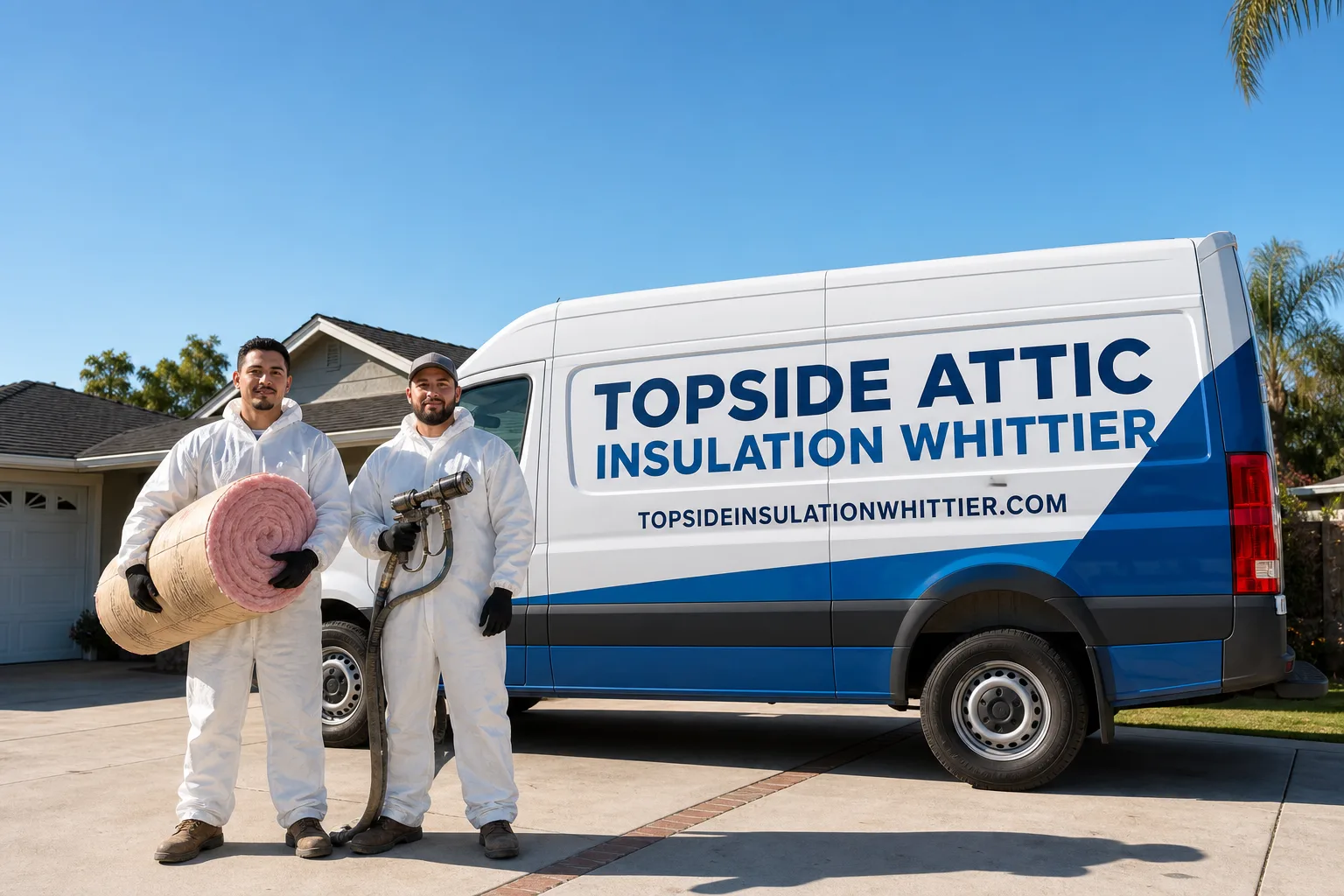
How Much Does Radiant Barrier Installation Cost in Whittier?
Radiant barrier installation in Whittier, CA typically runs between $1,400 and $3,200 for a single-story home with a standard gable attic, with most Whittier homeowners landing around $1,800 to $2,400 when the attic is accessible and the existing insulation doesn’t need to be moved first. Larger two-story homes or attics with complex hip-roof geometry can push that figure closer to $3,800 to $4,500. Because Whittier sits in the San Gabriel Valley foothills where summer attic temperatures regularly exceed 155°F, radiant barriers deliver a measurable return – typically a 15 to 25 percent reduction in cooling load – that’s harder to achieve with added batt insulation alone at that heat level.
Radiant Barrier Installation Cost Breakdown (2026)
The table below reflects actual pricing in the Whittier market as of 2026. These are not national averages pulled from an aggregator – they reflect the labor rates, material costs, and attic conditions we document on jobs in this zip code and the surrounding areas of La Habra Heights, Hacienda Heights, and East Whittier.
| Scope of Work | Typical Price Range (Whittier, CA) |
|---|---|
| Small home, single-story, up to 1,200 sq ft attic floor | $1,400 – $1,900 |
| Average home, single-story, 1,200 – 1,800 sq ft attic floor | $1,800 – $2,600 |
| Larger single-story or modest two-story, 1,800 – 2,400 sq ft attic floor | $2,500 – $3,200 |
| Large two-story home, 2,400 – 3,200 sq ft attic floor | $3,200 – $4,200 |
| Complex hip-roof geometry (common in post-1980 Whittier tract homes) | Add $300 – $600 |
| Attic with existing blown-in insulation obscuring top plates (requires partial move) | Add $250 – $500 |
| Combination job: radiant barrier + attic air sealing completed first | $2,400 – $4,800 combined |
| Perforated foil (staple-up, rafter application) | Included in ranges above |
| Rigid foam board with radiant face (specialty applications) | Add $400 – $900 depending on area |
A few things are worth naming plainly. The material itself – perforated reflective foil – is not expensive. What drives the labor cost is attic access, roof pitch, how many obstructions (HVAC ducts, can lights, cross-bracing) a crew has to work around, and whether the attic is genuinely safe to move through. Older Whittier homes built in the 1950s and 1960s along Painter Avenue and Hadley Street corridors often have lower ridge heights and tighter knee-wall spaces than the tract construction that went up in the 1980s in East Whittier near Leffingwell Road. Tighter geometry means slower installation, and slower installation is reflected in the estimate.
At Envelope Insulation Co., operating as Topside Attic Insulation Whittier, every job starts with a written price – flat figure, written scope, written warranty – before anyone climbs into your attic. That is Haven Standard Clause 1, and it applies to radiant barrier jobs the same way it applies to every other service we provide.
What Affects Radiant Barrier Installation Pricing in Whittier
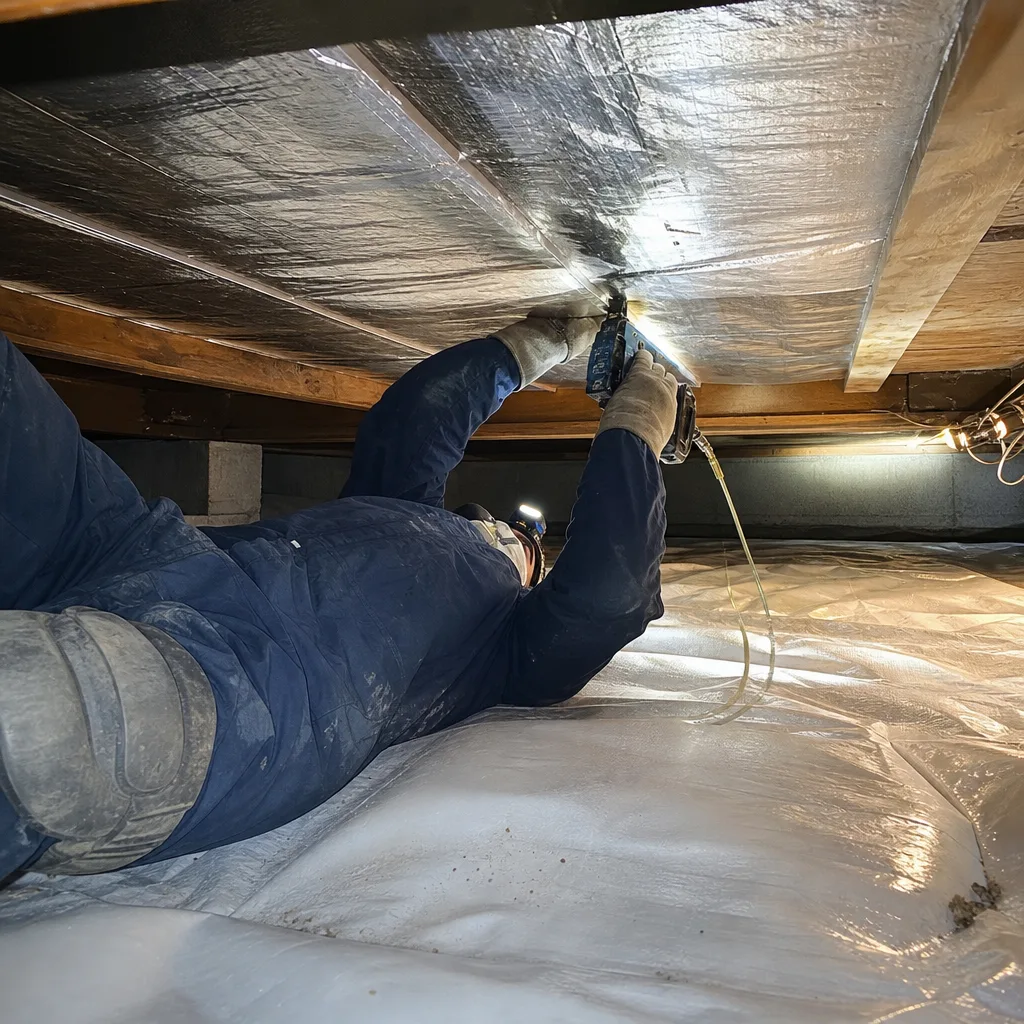
No two attics in Whittier price out identically. Here are the six variables that move the number most significantly, in roughly the order they affect the final figure.
- Attic square footage and roof geometry. Whittier has a mix of flat-ceiling gable roofs (straightforward to work in) and the hip-roof tract designs common in neighborhoods like College Hills and South Whittier. Hip roofs require more cuts, more seams, and more time to cover the same square footage. A 1,600 sq ft attic floor under a hip roof can take 20 to 30 percent longer to install than the same size under a simple gable.
- Attic access quality. A 24-by-30-inch pull-down stair versus a 14-by-22-inch hatch makes a real difference in how quickly material can be staged and crew members can move. Homes in parts of Uptown Whittier built before 1960 sometimes have original access hatches that were never sized for modern HVAC equipment or an insulation crew. If a hatch needs to be enlarged before work starts, budget an additional $150 to $300 for that alone.
- Existing insulation depth and condition. A radiant barrier is stapled to the underside of the roof rafters – it does not sit on the attic floor. But if blown-in insulation has drifted or been disturbed and is covering top plates or electrical junction boxes that need to be accessible, some of that material needs to be moved and replaced. In Whittier homes that were insulated in the 1970s or 1980s with loose-fill fiberglass, we often find settled depths of 3 to 4 inches where R-38 was the original intent – a finding we document in the photo record regardless of whether insulation replacement is in scope.
- HVAC duct routing in the attic. Roughly 70 percent of Whittier homes we work in have their entire duct system running through the unconditioned attic. That is not unusual for Southern California construction, but it does mean a crew is working around flex duct runs, air handler platforms, and plenum boxes. Duct-dense attics add time and occasionally require the radiant barrier to be fitted in sections rather than continuous runs.
- The need for air sealing before installation. This is the point where we differ from most contractors. We will not staple a radiant barrier over an attic floor that has open top plates, unsealed can lights, and unblocked framing bays – not because it’s a sales opportunity, but because the stack effect pulls conditioned air out through those gaps regardless of how well the radiant barrier reflects heat. If your attic needs air sealing first, that work is scoped and priced separately, completed first, and documented with before-and-after blower-door readings so you can see the number change. In Whittier homes built between 1955 and 1975, we regularly find 40 to 60 penetrations that need sealing before any insulation product goes in.
- Seasonal demand and scheduling. Radiant barrier inquiries in Whittier spike between April and June, before the San Gabriel Valley heat arrives in force. Scheduling a job in February or March typically means faster availability and, at times, slightly better pricing because crews are not fully booked. We do not use manufactured urgency or countdown timers – but if you’re planning ahead, the spring window is genuinely competitive.
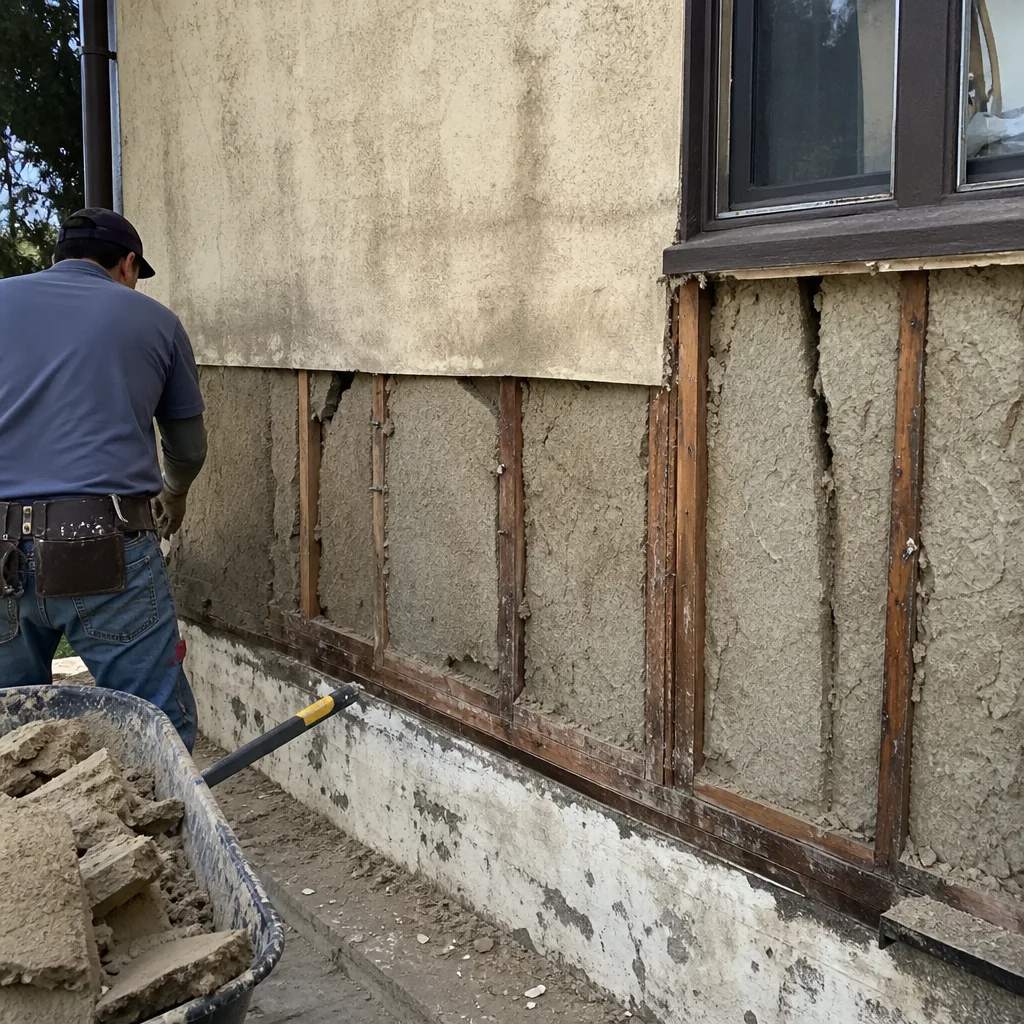 Before
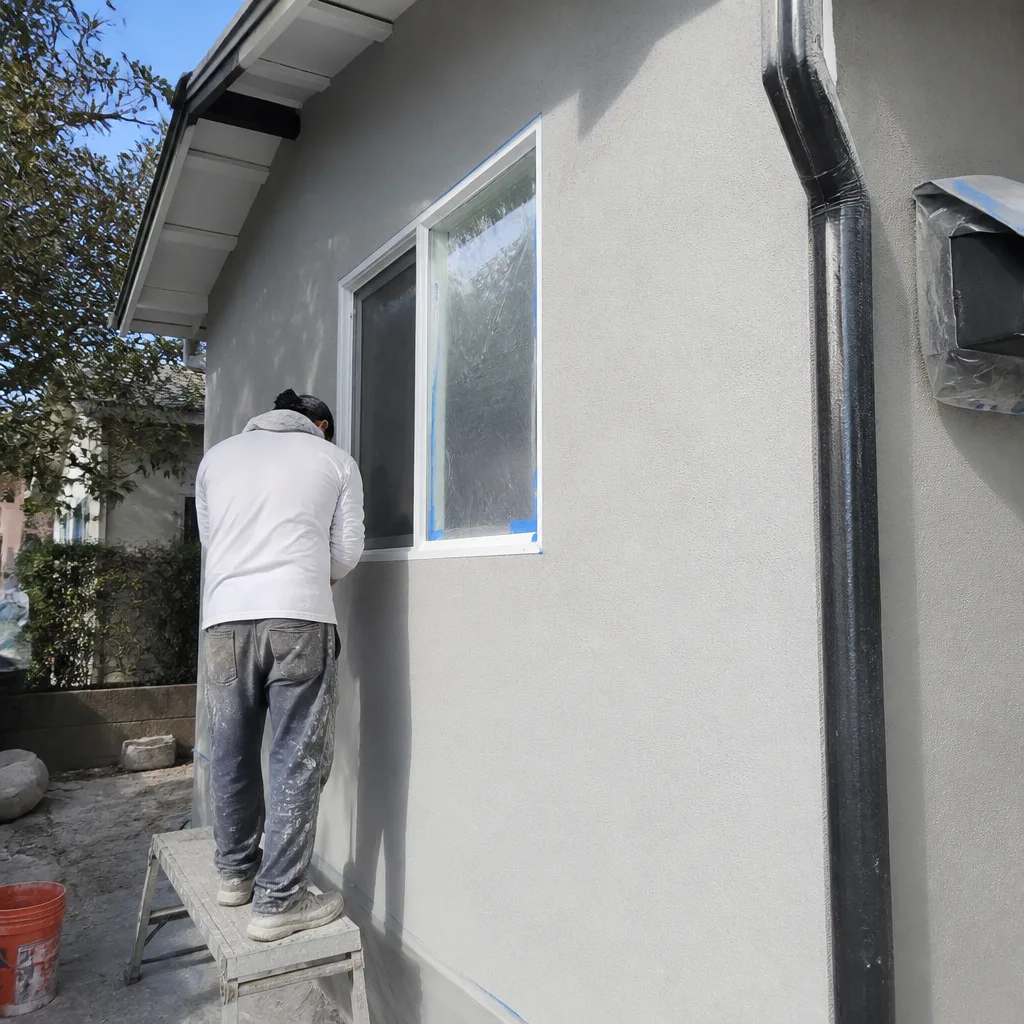 After
AfterRadiant Barrier vs. Additional Attic Insulation: Which Delivers More in Whittier?
This is a question we get on nearly every estimate in Whittier and the surrounding San Gabriel Valley, and the honest answer is: it depends on what your attic already has, and what your roof surface does with solar radiation.
A radiant barrier works by reflecting radiant heat – the infrared energy your roof deck absorbs from direct sun and then radiates downward into the attic. In Whittier, where roof deck temperatures on a July afternoon can hit 150 to 165°F, that downward radiant load is significant. Adding R-value with more batt or blown-in insulation slows the conductive transfer of that heat through the insulation, but it doesn’t eliminate the radiant source. A radiant barrier, installed correctly on the rafter underside, can cut the attic’s radiant heat gain by 40 to 60 percent before any of it reaches the insulation layer.
The practical breakdown looks like this:
- If your attic already has R-30 or better and your HVAC system is running well, a radiant barrier is likely your highest-return next step.
- If your attic has R-13 or less (common in pre-1980 Whittier construction), adding insulation to code-minimum R-38 will probably deliver more comfort improvement dollar-for-dollar than a radiant barrier alone.
- If you can do both – air sealing, then insulation to R-38, then a radiant barrier – you have addressed all three heat-transfer mechanisms: air infiltration, conduction, and radiation. That combination is what we document with blower-door readings before and after, so the performance change is a number, not a feeling.
Our Radiant Barrier Installation in Whittier page covers the installation process and material options in more detail if you want to understand what the crew is actually doing before committing to a scope.
What a Proper Radiant Barrier Installation Looks Like in Whittier
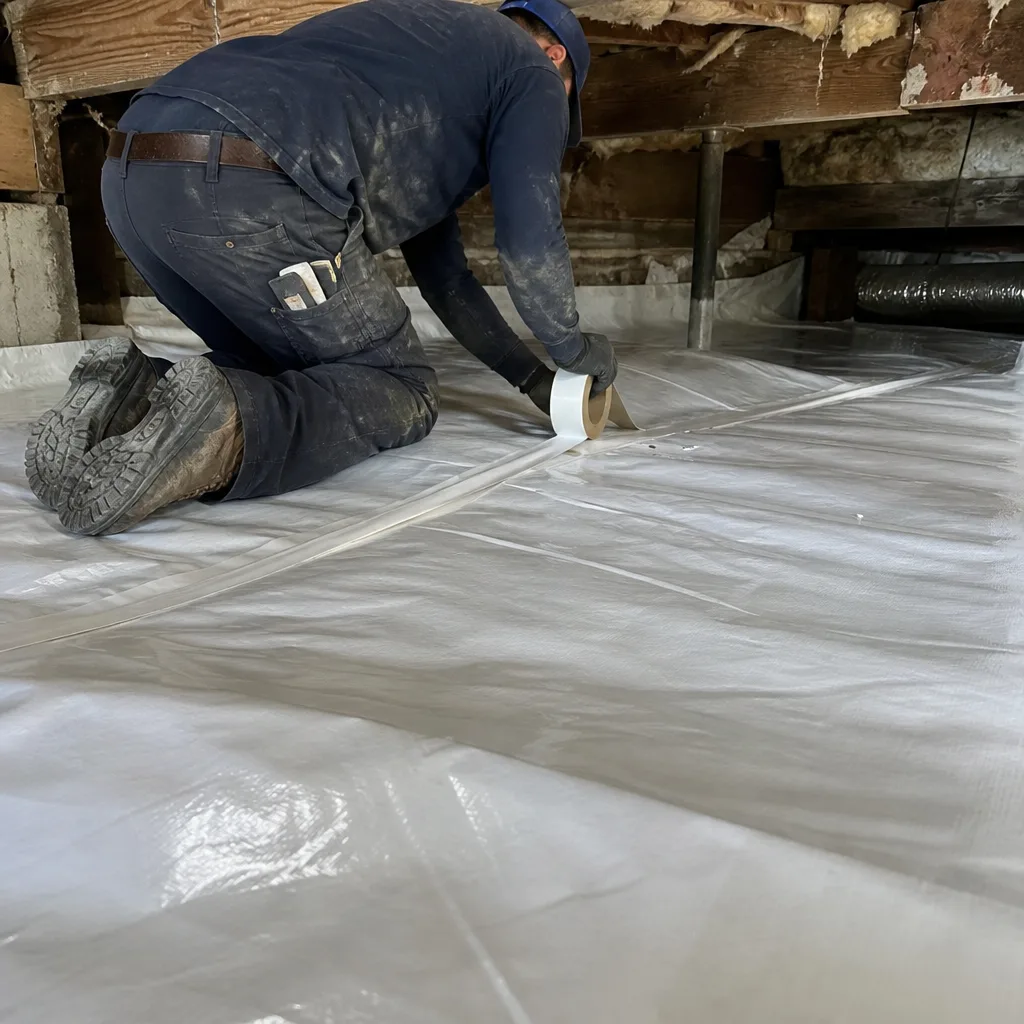
Because this page is about cost, it’s worth being direct about what you’re paying for – specifically, what separates a job priced at $1,800 from one quoted at $900 by a crew that advertises on a flyer.
A correctly installed perforated foil radiant barrier is stapled to the underside of the roof rafters, not laid on the attic floor on top of insulation. Laying it on the floor creates a moisture trap and eliminates the air gap that makes the reflective surface functional. The foil needs to face a clear air space to reflect – without that gap, it’s just a piece of foil sitting in insulation.
Seams need to overlap by at least two inches and be secured so the barrier doesn’t sag into the insulation over time. Around can lights – which in Whittier homes built before 2000 are usually non-IC-rated fixtures that already represent a significant air and fire hazard – the barrier needs to be cut and fitted, not just draped. Every penetration is a decision point.
When Wes Okafor and the Envelope team complete a radiant barrier job, the crew leaves a Documented Photo Record of the installation: pre-work attic condition, barrier placement, seam treatment, and any conditions noted (damaged decking, evidence of prior moisture, duct leaks spotted during the work). That record is yours. It’s not available on request – it’s included, because that’s what the Haven Standard requires.
How to Save on Radiant Barrier Installation in Whittier
There are real ways to reduce the total cost of a radiant barrier project without cutting into the work quality. Here’s what actually moves the number.
- Schedule outside peak demand. April through July is the highest-demand window in Whittier. A job scoped in January or February – when summer feels distant but your attic is already losing heat at night – will often be scheduled faster and may come in at the lower end of the range because crew time is more available.
- Combine with other attic work you’re already planning. If you know your insulation is low and you want air sealing done, pricing all three as one scope is almost always less than pricing them separately at different times. Mobilization, attic setup, and disposal costs are shared rather than duplicated. A combined air sealing and radiant barrier job on a typical Whittier single-story that would cost $1,200 and $1,800 separately often comes in at $2,400 to $3,000 as a combined scope – not because we discount arbitrarily, but because the crew only makes one trip.
- Use the Free Second Opinion on any written estimate. If you’ve received a written quote from another contractor, bring it to us. We will read it with you line by line – not to undercut it automatically, but to help you understand what’s included and what isn’t. A $900 quote that doesn’t include air sealing prep, proper seam treatment, or a documented completion record is not the same scope as a $1,900 quote that does.
- Check for California energy rebate programs. The California Energy Commission and some local utilities serving the Whittier area have offered rebates for envelope improvements including radiant barriers and attic insulation. Programs and eligibility change year to year, so verify directly with your utility provider – Southern California Edison serves most of Whittier – before assuming a rebate applies to your job.
- Get the attic access situation sorted before the crew arrives. If your hatch is undersized and that’s known in advance, pricing it into the written scope is straightforward. Discovering it on the day of installation adds time and can affect the schedule for the rest of the crew’s day. A brief attic access check during the estimate visit eliminates that variable entirely.
To get a written price for your specific attic – flat figure, written scope, no obligation – call (424) 349-7262. There is no voicemail loop and no callback window measured in business days. A live person answers.
FAQs – Radiant Barrier Installation Cost in Whittier
How much does radiant barrier installation cost in Whittier, CA in 2026?
Most Whittier homeowners pay between $1,800 and $2,600 for a standard single-story home with an accessible attic and 1,200 to 1,800 square feet of attic floor area. Smaller homes can come in as low as $1,400. Larger two-story homes with hip roofs – common in East Whittier and the College Hills neighborhood – typically run $3,200 to $4,200. The figure rises when air sealing is needed first, which is the right sequence regardless of cost. Call (424) 349-7262 for a written price specific to your home’s square footage and attic configuration.
Is radiant barrier installation worth it in Whittier’s climate?
Yes, with one condition: the attic also needs to be reasonably well insulated and air-sealed for the barrier to deliver its full benefit. In Whittier’s climate – summer attic temperatures regularly above 155°F, with peak afternoon sun loading from the south and west – a perforated foil radiant barrier on the rafter underside can reduce attic heat gain by 40 to 60 percent. Homes in Whittier with south-facing or west-facing roof planes, which includes a large portion of the post-1960 tract construction in South Whittier and Friendly Hills, tend to see the strongest results because those surfaces take the most direct afternoon solar load. If your current insulation is below R-30, address that first – or price both together.
Does a radiant barrier also reduce heating costs in winter?
Modestly. A radiant barrier reflects heat in both directions – it slows radiant heat loss from the living space into the attic on cold nights the same way it slows solar heat gain in summer. In Whittier, where winter nights are cool but rarely severe, the heating-season benefit is real but smaller than the cooling-season benefit. Most homeowners in this market recover their installation cost through reduced cooling load, not heating load. If winter performance is a significant concern, adding R-value to the attic floor insulation will do more for heating than the radiant barrier alone.
How long does radiant barrier installation take?
A standard single-story Whittier home with an accessible attic and no significant obstructions takes 4 to 7 hours for a two-person crew to complete. Larger homes or those with complex hip-roof geometry, dense HVAC duct routing, or limited access can run a full day. When air sealing is completed first as part of the same job scope, add 2 to 4 hours depending on the number of penetrations. You’ll know the estimated crew time before anyone starts – it’s part of the written scope.
What’s the difference between a radiant barrier stapled to the rafters versus laid on the attic floor?
The rafter-staple method is correct. The attic-floor method creates problems. A radiant barrier needs a clear air gap on at least one face to reflect – without that gap, there’s no mechanism for the reflective surface to work. Laid on the attic floor on top of insulation, the foil is in contact with insulation material on both sides, which eliminates the air gap and traps moisture. Over time, attic-floor installation leads to mold risk in the insulation below and delivers little to none of the thermal benefit the product is rated for. If a contractor quotes you a lower price for attic-floor installation, that is why the price is lower – not because they found an efficiency. The correct installation is always rafter-mounted, with the foil facing the attic air space below.
Can I get a price before anyone comes to my house?
We can give you a preliminary range based on your home’s square footage, construction year, and roof type – all of which you likely know. A firm written price requires a brief on-site assessment because attic access quality, existing insulation condition, and roof geometry affect the scope in ways a phone call can’t fully resolve. That assessment is part of the free estimate visit. Under Haven Standard Clause 1, no work starts without a written price – so the estimate visit is the step that produces the document, not a sales presentation designed to get you to sign on the spot.
Key Takeaways
- Most Whittier homeowners pay $1,800 to $2,600 for radiant barrier installation; larger or more complex attics run $3,200 to $4,200.
- Attic geometry, HVAC duct density, and access quality are the three variables that move the price most in the Whittier market.
- Air sealing should be completed before the barrier goes in – not because it’s an upsell, but because unsealed top plates and can lights undercut the thermal performance of any insulation product installed afterward.
- Rafter-mounted installation with a clear air gap below is the only correct method. Attic-floor installation is cheaper to quote because it doesn’t work the same way.
- Every Envelope Insulation Co. job ends with a Documented Photo Record. On jobs where air sealing is in scope, before-and-after blower-door readings are provided so the performance change is a number, not a claim.
- A written price is produced before any work starts, and the 365-Day Done Right Promise applies to every completed job.
Get a Written Price for Your Whittier Home
If you’re ready to know what radiant barrier installation will actually cost for your specific attic – not a national average, not a range pulled from an aggregator – call (424) 349-7262. A live person answers, and the estimate visit produces a flat written price and written scope before anyone starts work. Wes Okafor and the Envelope Insulation Co. team have documented performance results on jobs throughout Whittier, East Whittier, South Whittier, Friendly Hills, and the College Hills area since 2016. The written price is free. The second opinion on any competing estimate is free. The photo record at the end is included.
Pricing reflects the Whittier market as of 2026. Topside Attic Insulation Whittier offers free estimates – call (424) 349-7262.
Written by Wes Okafor, Owner at Envelope Insulation Co. (operating as Topside Attic Insulation Whittier), serving Whittier, CA since 2016.
What Our Customers Say
"They photographed rodent damage in the old insulation that we had no idea about, and priced the exclusion work separately so we could decide."
- Harriet N."Crawl space encapsulation done properly. Photographs of the vapour barrier at every seam, and the damp smell in the hallway is gone."
- Ainsley P."Two other companies quoted to blow more insulation on top of what was there. These were the only ones who said the existing material had to come out first, and explained why."
- Clifford E.