
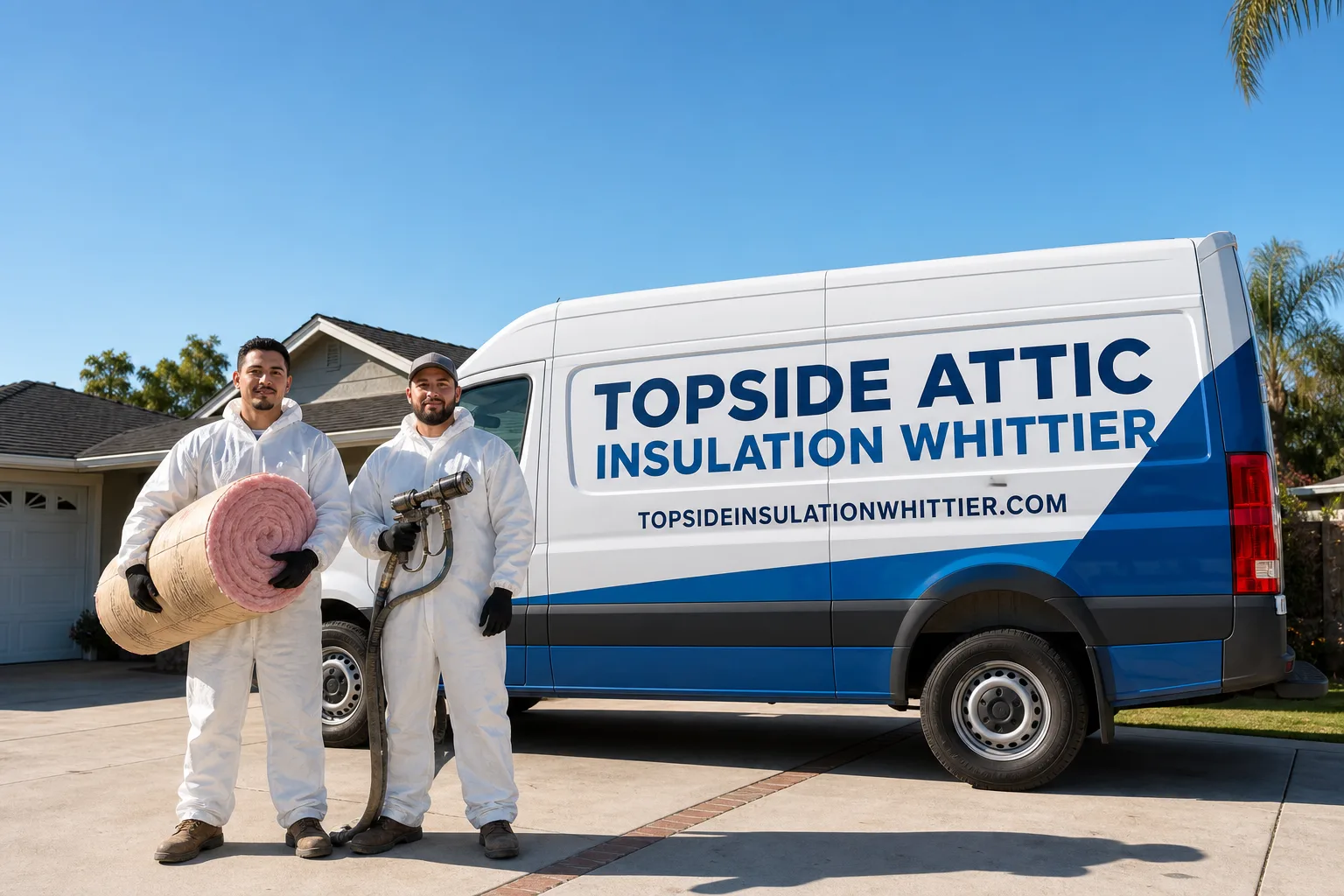
How Much Does Insulation Removal & Replacement Cost in Whittier?
Our Insulation Removal & Replacement services in Whittier, CA typically cost between $1,400 and $4,800 for a standard single-story home, with most attic jobs landing in the $1,800-$3,200 range once removal, disposal, air sealing, and new insulation are factored together. The wide spread exists because older Whittier housing stock – especially the post-war ranch homes in neighborhoods like Friendly Hills and Mar Vista – often hides decades of settled, rodent-contaminated, or moisture-damaged material that takes considerably more labor to extract safely. Get a written price before any crew touches your attic; that’s the only way to know what you’re actually agreeing to pay.
Insulation Removal & Replacement Cost Breakdown (2026)
The numbers below reflect what Whittier homeowners are actually paying in 2026, not regional averages pulled from a national database. Whittier sits in the San Gabriel Valley where summer attic temperatures routinely exceed 150°F, which accelerates insulation degradation faster than in coastal markets – that matters when you’re deciding how urgently to act and what R-value to target on the replacement side.
| Service Component | Typical Cost Range (Whittier) | Notes |
|---|---|---|
| Blown-in insulation removal (attic) | $500 - $1,200 | Based on 1,000-2,000 sq ft attic floor; price rises with depth and contamination level |
| Batt insulation removal (attic or walls) | $400 - $950 | Batts are faster to pull but wall access adds cost; older fiberglass batts in Whittier homes often contain debris from prior pest activity |
| Debris hauling and disposal | $150 - $400 | Rodent-contaminated material is biohazard-classified; add $100-$200 for HEPA-filtered vacuum work and bagging |
| Attic air sealing (top plates, can lights, penetrations) | $350 - $900 | Should always precede new insulation – air sealing without this step means you’re insulating over a sieve |
| Blown-in cellulose replacement (attic) | $600 - $1,800 | R-30 to R-49 target; Whittier’s CZ10 climate zone requires minimum R-38 per Title 24 |
| Blown-in fiberglass replacement (attic) | $700 - $2,000 | Slightly higher material cost than cellulose; Knauf and Owens Corning are the primary products we use here |
| Batt replacement (attic or walls) | $500 - $1,400 | Rockwool batts run at the higher end; standard fiberglass at the lower |
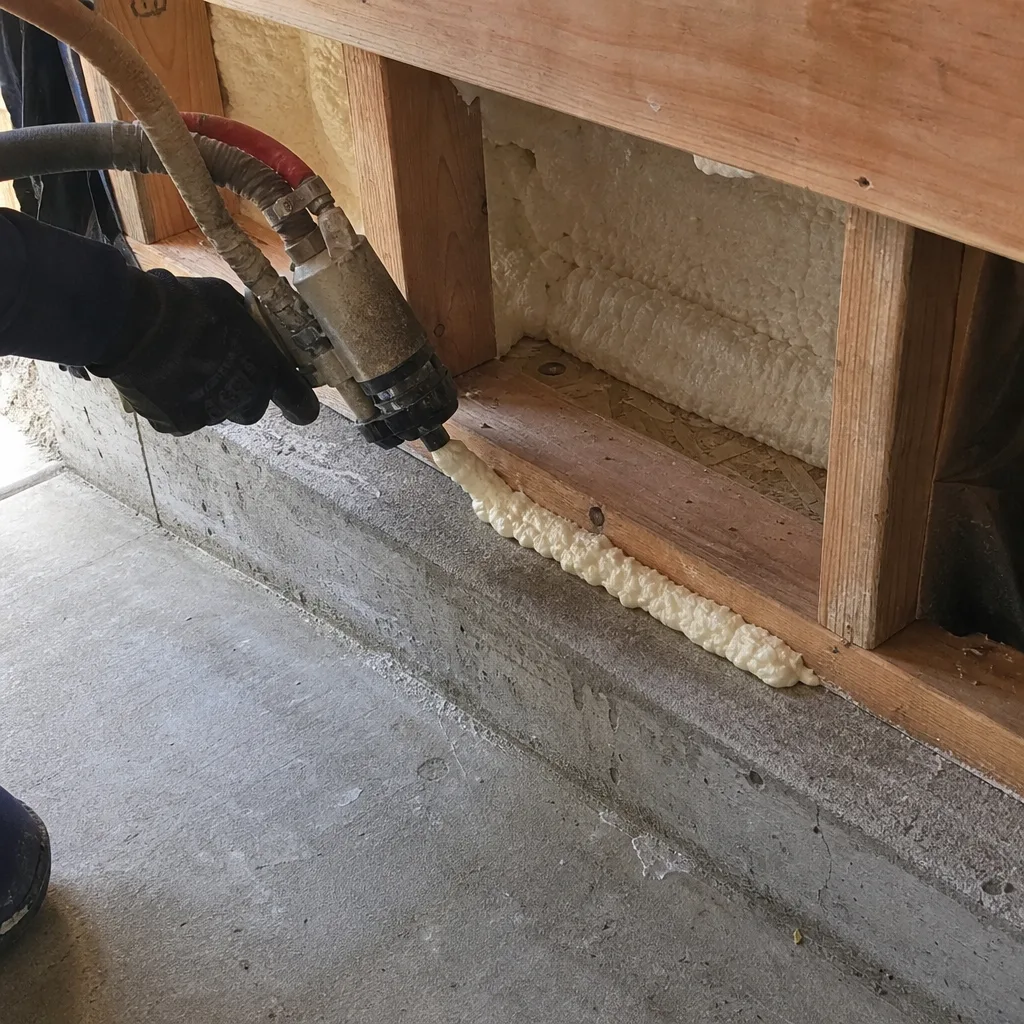
| Spray foam (rim joists, specific penetrations) | $200 - $600 | Typically used as an air-sealing component, not the primary insulation body |
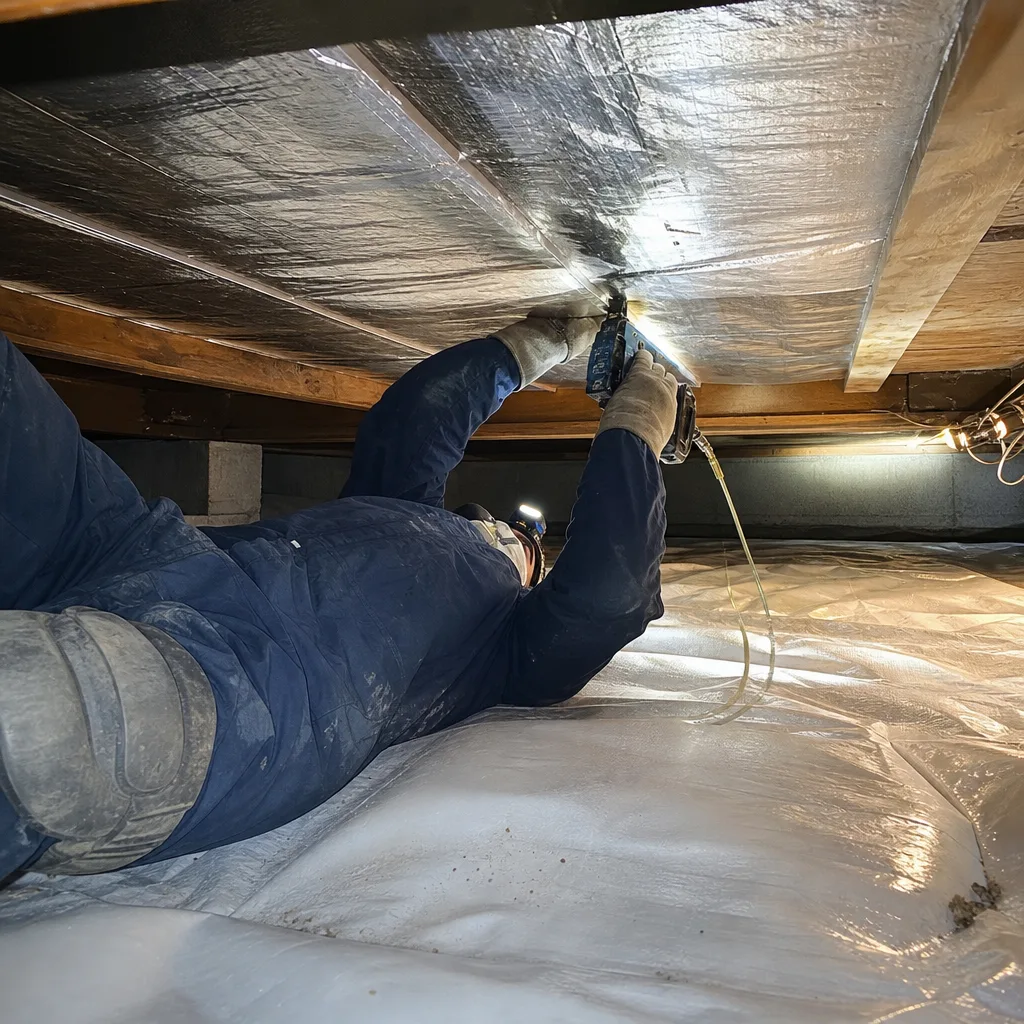
| Radiant barrier addition (attic deck) | $350 - $900 | Meaningful add in Whittier given the inland heat load; reduces attic temperature, not just heat flow through insulation |
| Full project (removal + air seal + replacement, 1,500 sq ft attic) | $1,800 - $3,600 | Most common scope for a 3-bedroom Whittier home built 1950-1980 |
One number that surprises most Whittier homeowners: the air sealing line item. It’s not optional, and contractors who skip it are cutting a corner that costs you money every month afterward. At Envelope Insulation Co., air sealing of top plates, can lights, and attic penetrations is completed before any insulation goes in – that sequence is non-negotiable under the way we work. On applicable jobs, we publish before-and-after blower-door numbers – a pressurization reading that shows, in a single figure, how much conditioned air the home was losing before and after the work. That’s the documented evidence that sealing actually happened, not a verbal assurance.
Material choice also moves the needle. For most Whittier attics, blown-in cellulose from GreenFiber or blown-in fiberglass from Owens Corning or Johns Manville are the workhorses – both install quickly and hit R-38 to R-49 without structural concerns. Rockwool and CertainTeed batts make sense in specific wall and floor applications. Icynene or Demilec spray foam enters the picture for rim joists, tricky penetrations, or conditioned attic conversions – not as a standard attic floor fill.
What Affects Insulation Removal & Replacement Pricing in Whittier
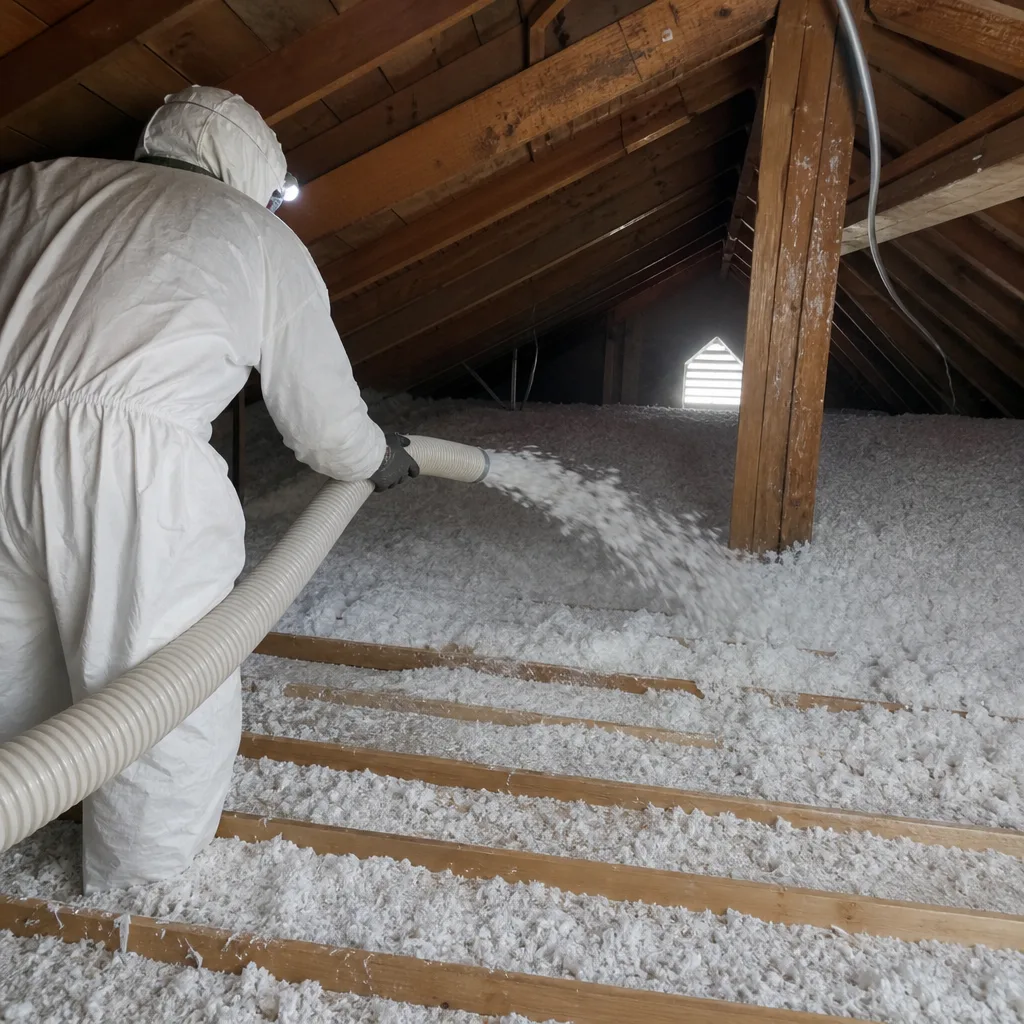
No two jobs price identically, but these six variables account for the majority of cost movement in the Whittier market.
- Attic square footage and ceiling height: The attic floor of a 1,200 sq ft Whittier bungalow in the historic Uptown district removes and refills faster than the vaulted attic space above a larger Friendly Hills custom home. More square footage means more vacuum time, more bags, more product, and more labor hours – all billed at cost.
- Existing insulation depth and condition: Settled blown-in material at 4 inches – which we see constantly in pre-1980 Whittier homes – packs tighter and takes longer to extract than fresh material. Contaminated insulation (rodent droppings, urine saturation, mold) requires HEPA-filtered extraction and sealed disposal, which adds time and a biohazard disposal fee to the total.
- Rodent or moisture damage: Whittier’s older housing corridors along Greenleaf Avenue and the neighborhoods adjacent to Pio Pico State Historic Park have a documented history of roof rat activity. When rodents have nested in insulation, the scope typically expands to include attic cleaning, sanitizing, and rodent-proofing alongside removal – this can push total project cost up by $600-$1,500 depending on how extensive the activity is.
- Attic access and structural clearance: Low-pitch rooflines common in 1950s ranch-style homes throughout South Whittier create restricted attic clearance. When a technician can’t stand upright or maneuver equipment freely, extraction time increases. A scuttle-only access point (no pull-down stair) adds complexity and time compared to a full stair access.
- Title 24 compliance requirements: California’s Title 24 energy code places Whittier in Climate Zone 10, which sets a minimum attic insulation requirement of R-38 for replacement work. If your existing insulation was installed to a lower standard – R-11 or R-19 was common in tract homes built through the 1970s – the replacement scope must reach current code minimums, which affects material quantity and cost.
- Whether air sealing is done first: A contractor who skips air sealing and just replaces the insulation will quote a lower number. But you’ll pay for that shortcut in energy bills. Sealing top plates, can lights, and attic penetrations before insulating adds $350-$900 to the upfront cost and typically reduces a home’s air leakage by 20-40% on the blower-door reading. The documentation of that reduction is what makes the investment verifiable – not an estimate of what might happen.
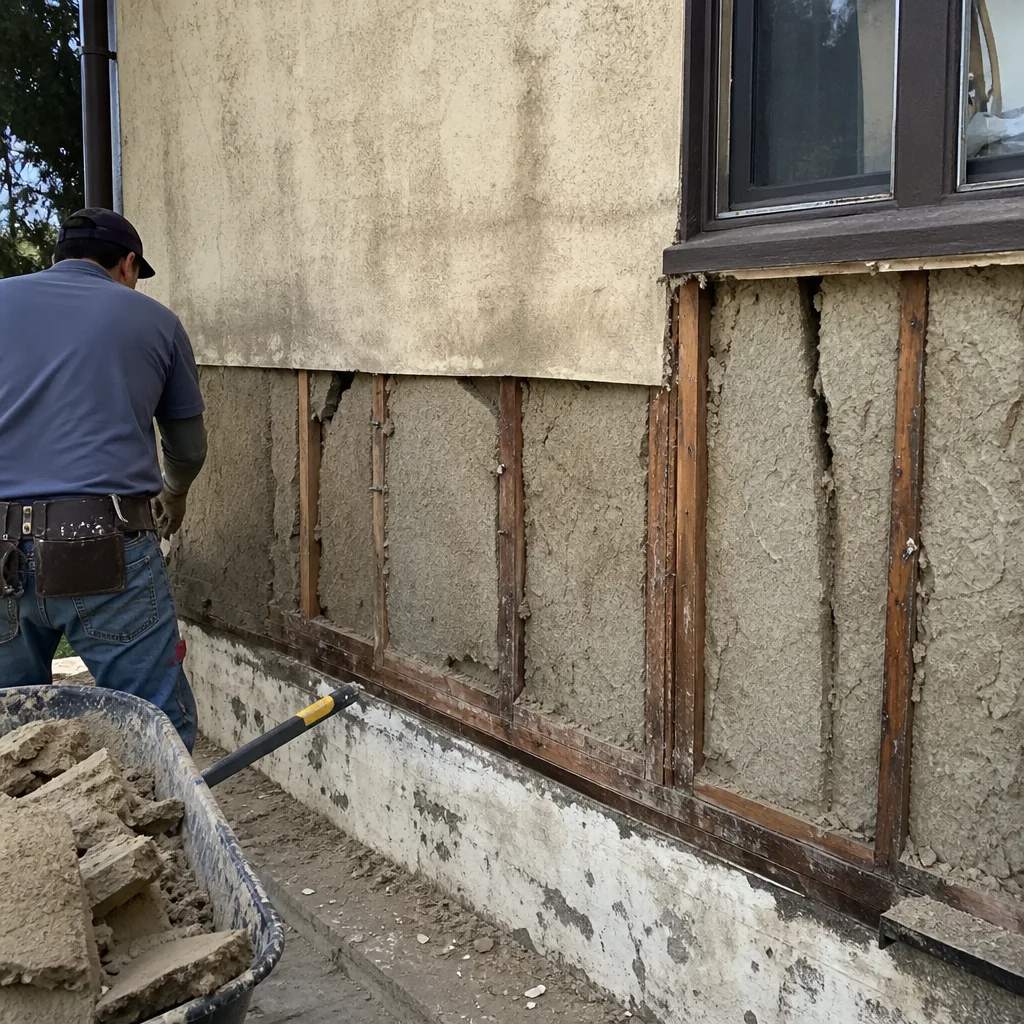 Before
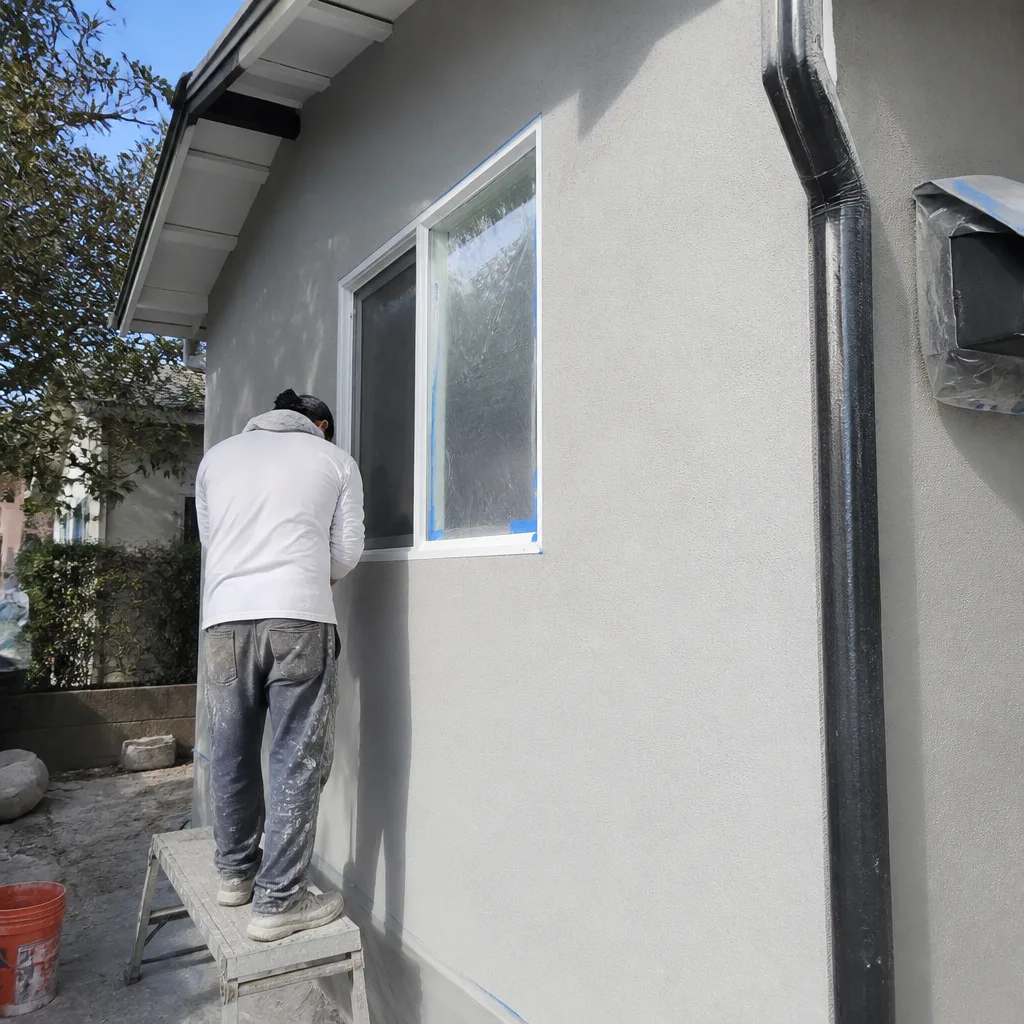 After
AfterWhittier-Specific Conditions That Influence Your Project
Whittier’s position in the eastern San Gabriel Valley creates a microclimate that differs meaningfully from coastal Los Angeles. Summers run hotter and drier, with extended periods above 95°F that drive attic temperatures to extremes most homeowners never see directly. That heat load accelerates the breakdown of older fiberglass batt insulation – the kraft paper facing dries out, batts compress and pull away from framing, and the effective R-value drops well below what the product was rated for when installed.
We regularly see spring failures – not in the garage door sense, but in the structural integrity of older blown-in insulation – in attics above the east-facing bedrooms of homes in Whittier’s Washington neighborhood, where afternoon heat gain is severe. The insulation hasn’t just aged; it’s been cooked and settled to a fraction of its original depth.
Moisture is less of a Whittier concern than it would be in Long Beach or San Pedro, but it appears differently here: condensation from poorly sealed HVAC duct penetrations, or moisture intrusion around older chimney flashings, can saturate a localized section of insulation without affecting the rest of the attic. That means selective removal and replacement rather than a full-attic tear-out – which is actually a cost-saving scenario when identified correctly during the initial inspection.
Permit requirements: insulation replacement in Whittier that aligns with California Title 24 compliance generally does not require a separate building permit for the insulation work itself, but any associated electrical work (recessed light covers, junction box sealing) follows standard permit rules through the City of Whittier Building & Safety Division. We document the work scope in writing before starting, which gives you a clear record of exactly what was done if you ever need to demonstrate compliance.
How to Save on Insulation Removal & Replacement in Whittier
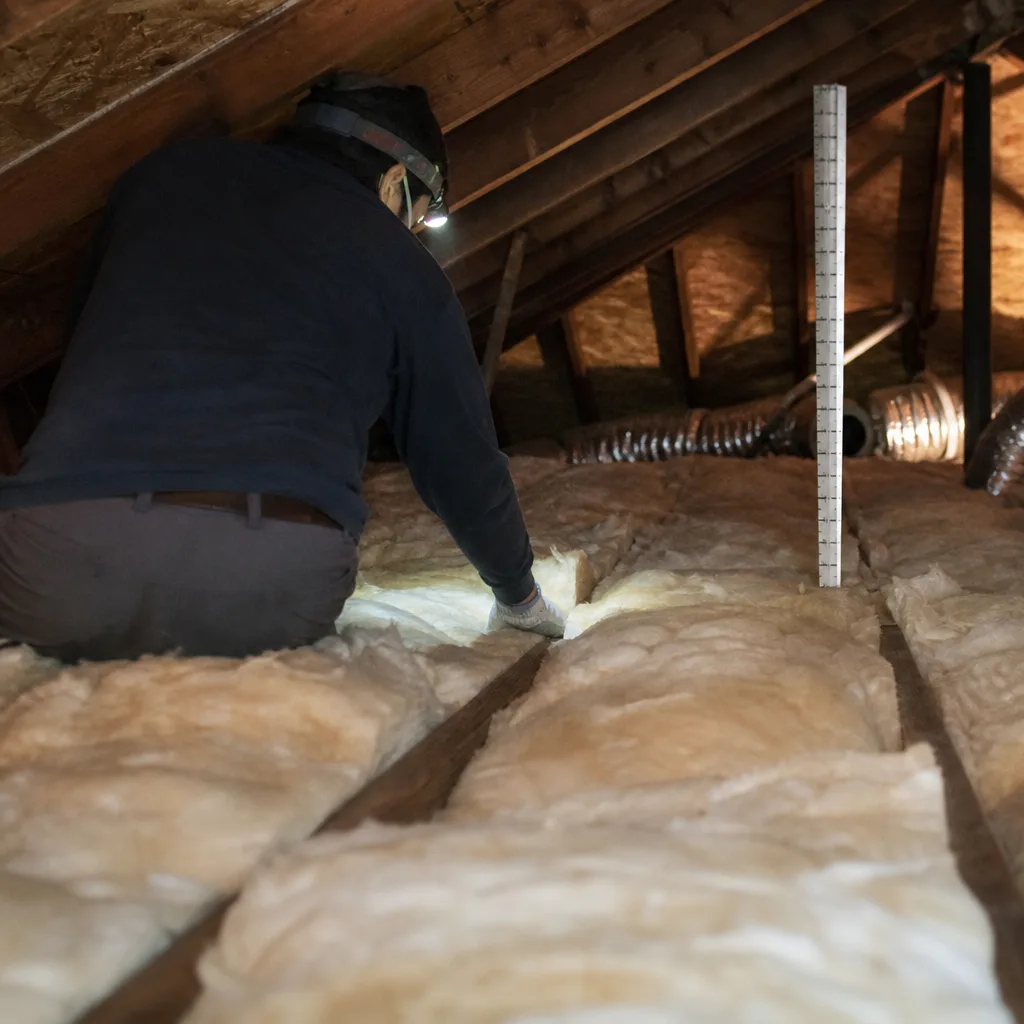
There are real ways to reduce your total cost, and there are false economies that cost more over time. Here’s the difference.
- Get a second opinion on any written estimate. Bring us a competing quote and we’ll read it with you – line by line – at no charge. That’s a standing offer under our Free Second Opinion policy. If a competing scope skips air sealing or doesn’t specify the R-value target, you should know that before you sign anything.
- Ask about LADWP or SCE rebates. Southern California Edison and the Los Angeles Department of Water and Power both offer residential energy efficiency rebates that can offset insulation replacement costs. Amounts vary by year and program availability, so verify current figures directly with your utility – but rebates of $150-$500 on qualifying attic insulation jobs have been available in recent program cycles for Whittier homes on the SCE grid.
- Scope only what needs to come out. If your attic has localized damage – one section near a leaking duct, for example – a thorough inspection may reveal that only that section requires removal and replacement. Full tear-outs cost more than partial ones. We document the existing condition with photos before recommending scope, so you’re not paying for a full removal when a targeted one would perform the same result.
- Combine services when the attic is already open. If you’re having insulation removed, it’s the lowest-cost moment to also install a radiant barrier, address rodent-proofing, or have ductwork inspected. Doing these as separate mobilizations later multiplies labor costs significantly.
- Don’t skip air sealing to reduce the upfront quote. Every dollar saved by omitting air sealing comes back in HVAC costs. In a Whittier home running air conditioning from May through October, a poorly sealed attic can add $30-$70 per month in conditioning losses. Over five years, that’s a meaningful sum – and the insulation you paid to replace still underperforms because conditioned air is bypassing it through unsealed gaps.
For a written price specific to your home’s square footage and existing condition, call (424) 349-7262. Wes Okafor and the Envelope Insulation Co. team provide free estimates with a written price before any work starts – that’s Haven Standard Clause 1, and it applies to every job, every time.
What the Full Project Looks Like: Scope to Completion
Homeowners who haven’t been through an insulation removal and replacement before often don’t know what to expect beyond the price. Here’s how a standard Whittier attic project runs under the Haven Standard.
Before any crew arrives, you receive a written scope and a flat price. No range, no “starting at” language – a number with a scope attached. That’s the number you’ll pay, provided the conditions match what was documented during the estimate. If the crew opens the attic and finds conditions that differ materially from what the estimate assumed, you’re told before any work continues.
On the job day, a named technician arrives – you’ll get a text when they’re on the way. The attic is inspected, photographed, and the removal begins. HEPA-filtered vacuum extraction pulls existing insulation out through the vacuum hose to a sealed bag in the truck, keeping material out of your living space. If contamination is present, the attic is sanitized before new material goes in.
Air sealing happens next. Top plates – the framing members at the top of interior walls where they meet the attic floor – are sealed with foam or caulk. Can lights that penetrate the thermal boundary get sealed enclosures. Every plumbing, electrical, and HVAC penetration is addressed. This is the work most homeowners never see but that the blower-door numbers show plainly.
New insulation is installed to the specified depth and R-value. On applicable jobs, a blower-door test before and after the air sealing provides a documented CFM50 reading – the number that tells you, in one figure, how much conditioned air the building envelope was losing and how much it’s losing now. That reading is part of the Documented Photo Record you receive when the crew leaves.
The 365-Day Done Right Promise applies to the completed work. If something isn’t right within that year, we make it right – in writing, not as a verbal promise.
Should You Remove and Replace, or Just Add On Top?
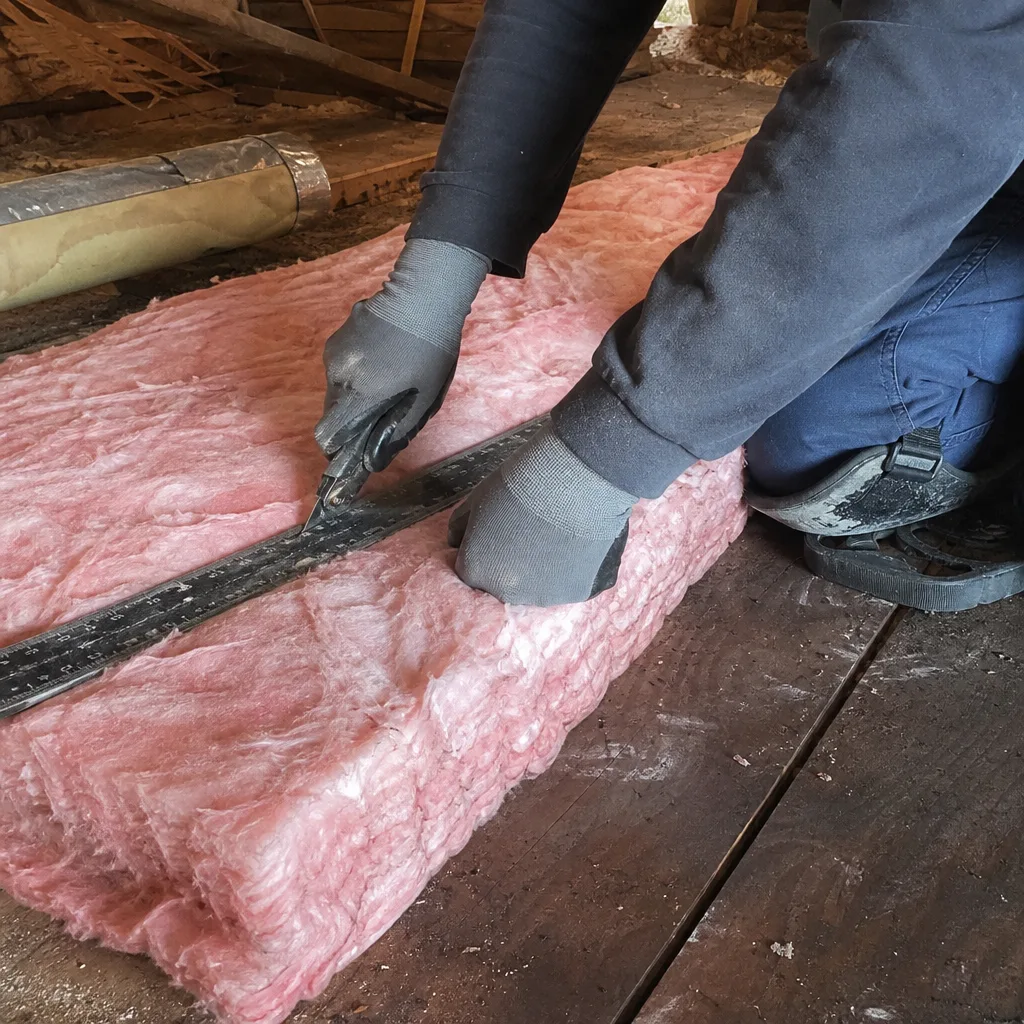
This is a question worth answering directly, because the answer determines whether your project costs $800 or $3,000.
Adding blown-in insulation on top of existing material makes sense when: the existing insulation is structurally intact, dry, free of contamination, and simply insufficient in depth. A Whittier home with 4 inches of original blown-in at R-13 that has no moisture damage, no pest activity, and no odor issue is a reasonable candidate for a top-up rather than a full tear-out. The savings are real – you skip the removal and disposal cost entirely.
Full removal is the right call when: existing material is rodent-contaminated, moisture-damaged, mold-affected, or saturated with HVAC condensation; when the attic smells like animal activity (a roof rat infestation in South Whittier homes is not unusual in attics adjacent to older commercial corridors); when damaged faced batts have created air channels that allow warm attic air to bypass the insulation layer; or when a homeowner wants to conduct thorough air sealing and needs an unobstructed attic floor to do it properly.
We’ve done both on the same block. The right answer is condition-specific, and the only way to know which applies to your home is a documented inspection with photos – not a phone estimate.
Insulation Materials Used in Whittier Replacement Jobs
Material selection isn’t arbitrary. Different products perform differently depending on the space, the climate, and what the existing conditions require.
- Blown-in cellulose (GreenFiber): Dense, recycled content, good thermal mass for Whittier’s hot days. Settles slightly over time but installs to a generous depth to compensate. Works well in standard attic floor applications.
- Blown-in fiberglass (Owens Corning, Johns Manville, Knauf): Slightly lighter, resists settling a bit better than cellulose, and well-suited to the high-temperature attic environment in inland SoCal. The most common replacement material we use in Whittier attics.
- Fiberglass and Rockwool batts: Best for wall cavities, cathedral ceiling bays, and floor/crawl space applications. Rockwool’s fire resistance and moisture tolerance make it preferable in areas where occasional condensation is a concern.
- Spray foam (Icynene, Demilec): Used for air sealing at penetrations and rim joists, or for conditioned attic conversions where the insulation plane moves from the attic floor to the roof deck. Not typically a full-attic floor product due to cost.
- Radiant barrier: Not insulation in the traditional sense – it reflects radiant heat rather than slowing conductive heat flow – but paired with adequate blown-in insulation, it meaningfully reduces attic temperature in Whittier’s summer heat load. Added at the attic deck, typically during the same project visit.
FAQs – Insulation Removal & Replacement Cost in Whittier
How much does insulation removal and replacement cost in Whittier, CA in 2026?
Most Whittier homeowners pay between $1,800 and $3,600 for a complete attic insulation removal and replacement on a 1,200-1,800 sq ft attic, including air sealing and disposal. Smaller or simpler jobs can land closer to $1,200-$1,500. Larger homes, heavily contaminated attics, or jobs that require rodent remediation alongside removal can reach $4,500-$5,500. These figures reflect the local market as of 2026 and account for California’s Title 24 R-38 minimum requirement for attic insulation in Climate Zone 10. Call (424) 349-7262 for a written price specific to your home.
Is it cheaper to remove and replace insulation or add on top of existing?
Adding on top is typically $400-$1,000 less expensive than a full removal and replacement, because you skip extraction labor, vacuum equipment, and disposal fees. But that savings only applies when the existing insulation is clean, dry, and pest-free. In Whittier homes with roof rat history – which is common in older housing near the Uptown commercial district and South Whittier corridors – existing contaminated material cannot be left in place. Insulating over it traps odor, health hazards, and degraded performance. The inspection tells you which path applies. Call (424) 349-7262 to schedule a documented inspection with photos before committing to either scope.
How long does insulation removal and replacement take in a typical Whittier home?
A standard attic removal and replacement on a 1,500 sq ft single-story Whittier home typically takes one full day – roughly 6-8 hours for a two-person crew. That includes removal, HEPA vacuuming, air sealing, and blown-in installation. Homes with extensive contamination, low attic clearance, or complex roof geometry can run into a second day. Wall insulation replacement is scoped separately and timeline depends heavily on whether drywall removal is required for access. We give you a time estimate in the written scope before any work starts, so you know what the day looks like before the crew arrives.
Do I need a permit for insulation replacement in Whittier?
In most cases, no separate building permit is required for attic insulation removal and replacement in Whittier under standard residential conditions. However, California Title 24 compliance documentation may be required if the project is part of a larger permitted renovation. Any electrical work associated with the project – sealed can light enclosures, junction box modifications – follows standard permit rules through the City of Whittier Building & Safety Division. We provide a written scope documenting materials, R-values, and work performed, which gives you a clear compliance record regardless of permit status. If your specific project requires a permit, we tell you before work starts – not after.
What R-value does Whittier require for replacement insulation?
California Title 24 places Whittier in Climate Zone 10, which sets a minimum attic insulation requirement of R-38 for replacement work. Many pre-1980 Whittier homes were originally insulated to R-11 or R-19, which falls well short of current code minimums. We target R-38 at minimum and often recommend R-49 for homes with significant cooling loads or those in neighborhoods with heavy afternoon sun exposure, such as properties on the east and south-facing slopes in the Friendly Hills area. The written scope specifies the target R-value and the installed depth in inches, so you have a documented record of what was actually installed. Call (424) 349-7262 for a free estimate that includes a written price before any work begins.
Key Takeaways
- Most Whittier attic insulation removal and replacement jobs cost $1,800-$3,600, with the total driven primarily by attic size, existing material condition, and whether contamination is present.
- California Title 24 requires a minimum of R-38 for attic insulation in Whittier (Climate Zone 10) – replacement work must meet this regardless of what was there before.
- Air sealing before new insulation is not optional – it’s the step that determines whether the insulation actually performs, and blower-door numbers document whether it worked.
- Adding insulation on top of existing material saves money only when existing insulation is clean, dry, and pest-free – Whittier’s older housing stock frequently fails that test.
- A written price before any work starts is the only way to know what you’re agreeing to – get it in writing, every time.
- The 365-Day Done Right Promise applies to all completed work; if it’s not right within that year, it gets made right.
Get a Written Price for Your Whittier Home
Wes Okafor and the Envelope Insulation Co. team have been documenting and pricing insulation removal and replacement jobs across Whittier since 2016 – over 9,000 homes sealed and insulated, every one with a written price before work started and a documented photo record when the crew left. If you have a written estimate from another contractor, bring it. The Free Second Opinion offer is standing – we’ll go through it line by line with you at no charge.
For homes anywhere in Whittier, from the historic Whittier Narrows area to Friendly Hills and South Whittier, the process is the same: inspection, photos, written scope, flat price – then work starts. Call (424) 349-7262 to schedule your free estimate. A live person answers, no voicemail, no callback window measured in business days.
You can also learn more about our full service approach on our home page, or go directly to the Insulation Removal & Replacement in Whittier service page for a complete overview of what the scope includes from inspection through final documentation.
Written by Wes Okafor, Owner at Envelope Insulation Co. (operating as Topside Attic Insulation Whittier), serving Whittier, CA since 2016. Pricing reflects the Whittier market as of 2026. Topside Attic Insulation Whittier offers free estimates – call (424) 349-7262.
What Our Customers Say
"Two other companies quoted to blow more insulation on top of what was there. These were the only ones who said the existing material had to come out first, and explained why."
- Clifford E."They air-sealed the attic floor before insulating and showed me the blower-door number before and after. The upstairs is finally the same temperature as downstairs."
- Marisol D."The winter gas bill dropped by about a third. They had estimated a quarter, so they under-promised."
- Genevieve R.