
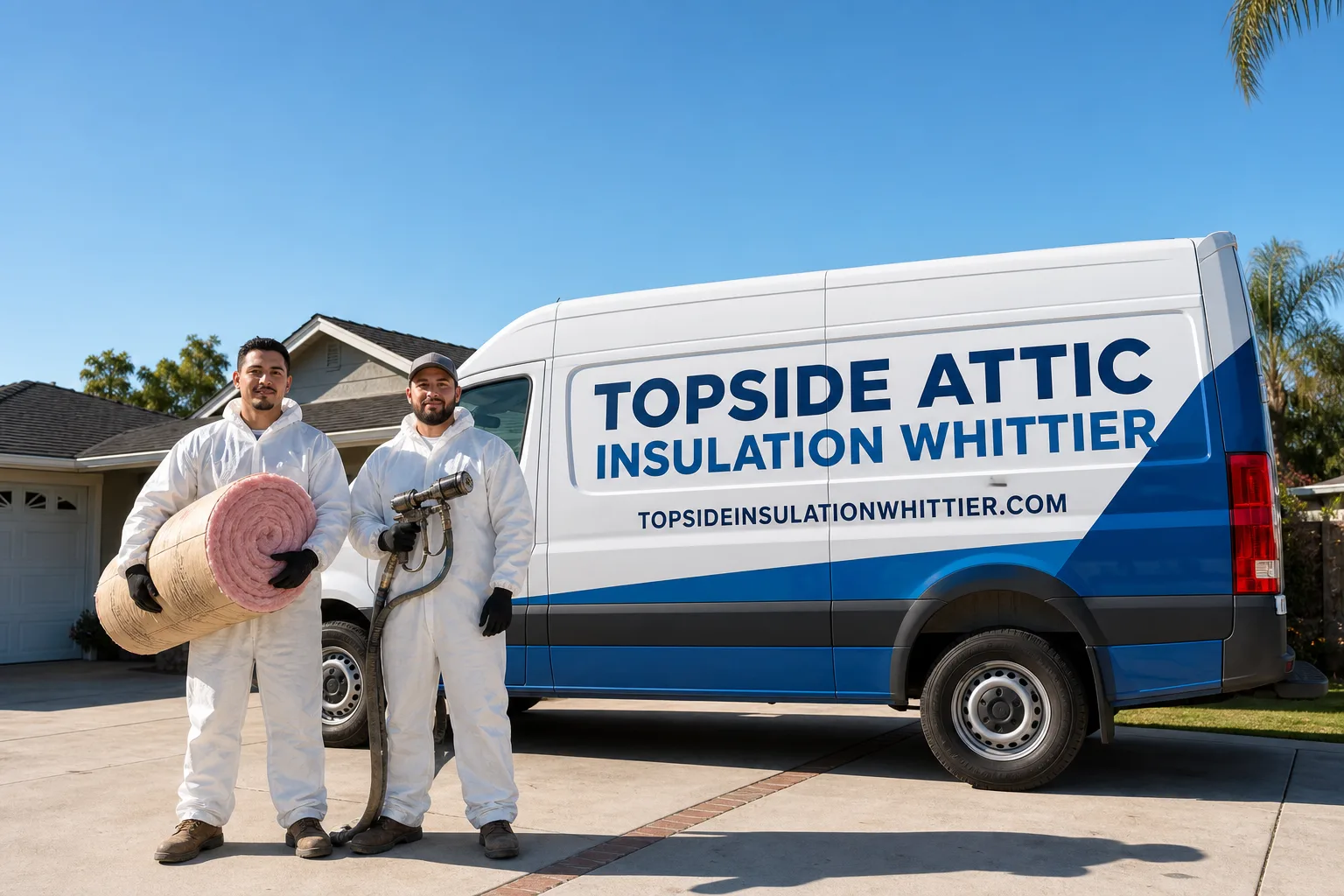
How Much Does Wall Insulation Cost in Whittier, CA?
Our Wall Insulation services in Whittier, CA typically run between $1,800 and $5,200 for a standard single-family home, with most jobs landing around $2,400 to $3,600 depending on square footage, wall access, and the insulation type selected. Blown-in dense-pack cellulose or fiberglass runs on the lower end; closed-cell spray foam on the upper end. Most jobs in Whittier are completed in one day with a written price and documented photo record before any work begins.
Wall Insulation Cost Breakdown (2026)
Wall insulation in Whittier costs between $1.50 and $6.50 per square foot of wall area, depending on material and access method. Here is how the common options break down for a typical Whittier home:
| Insulation Type | Method | Cost per Sq Ft (Installed) | Typical Job Cost (1,500 sq ft home) |
|---|---|---|---|
| Blown-in fiberglass (dense-pack) | Small holes drilled in exterior or interior | $1.50 - $2.50 | $1,800 - $2,800 |
| Blown-in cellulose (dense-pack) | Small holes drilled in exterior or interior | $1.75 - $2.75 | $2,000 - $3,200 |
| Open-cell spray foam | Requires open-wall access (remodel or new build) | $2.00 - $3.50 | $2,400 - $4,200 |
| Closed-cell spray foam | Requires open-wall access (remodel or new build) | $4.50 - $6.50 | $3,800 - $5,200+ |
| Batt insulation (fiberglass or mineral wool) | Open-wall access required | $1.25 - $2.25 | $1,500 - $2,800 |
| Air sealing + blown-in (combined scope) | Plate sealing, penetrations sealed before insulation | $2.50 - $3.75 | $2,800 - $4,400 |
The square footage in the table above refers to the conditioned floor area of the home, not the actual wall surface. Wall area is calculated separately during the estimate, but quoting by floor area is the standard field shorthand contractors use when giving ballpark figures. Your written scope from Envelope Insulation Co. will state the exact linear feet of wall treated, the material specified, and the target R-value – no rounding up, no line items left ambiguous.
A few things push those numbers in either direction in the Whittier market specifically. Homes built in the 1940s through 1960s in neighborhoods like Uptown Whittier and the blocks around Penn Street often have narrow 2×4 stud cavities stuffed with deteriorated kraft-faced batts, or nothing at all. Retrofitting those walls with dense-pack cellulose from GreenFiber or blown-in fiberglass from Knauf typically costs less per square foot than a comparable job on a 1970s home in East Whittier, where balloon-framing complications and fire blocks require more drill holes and more setup time. Homes in the hills above Whittier Boulevard – closer to Friendly Hills – sometimes have stucco exteriors applied directly over wire lath, which means exterior drilling is not practical and the work is done from inside, adding labor time and drywall patching costs.
What Affects Wall Insulation Pricing in Whittier
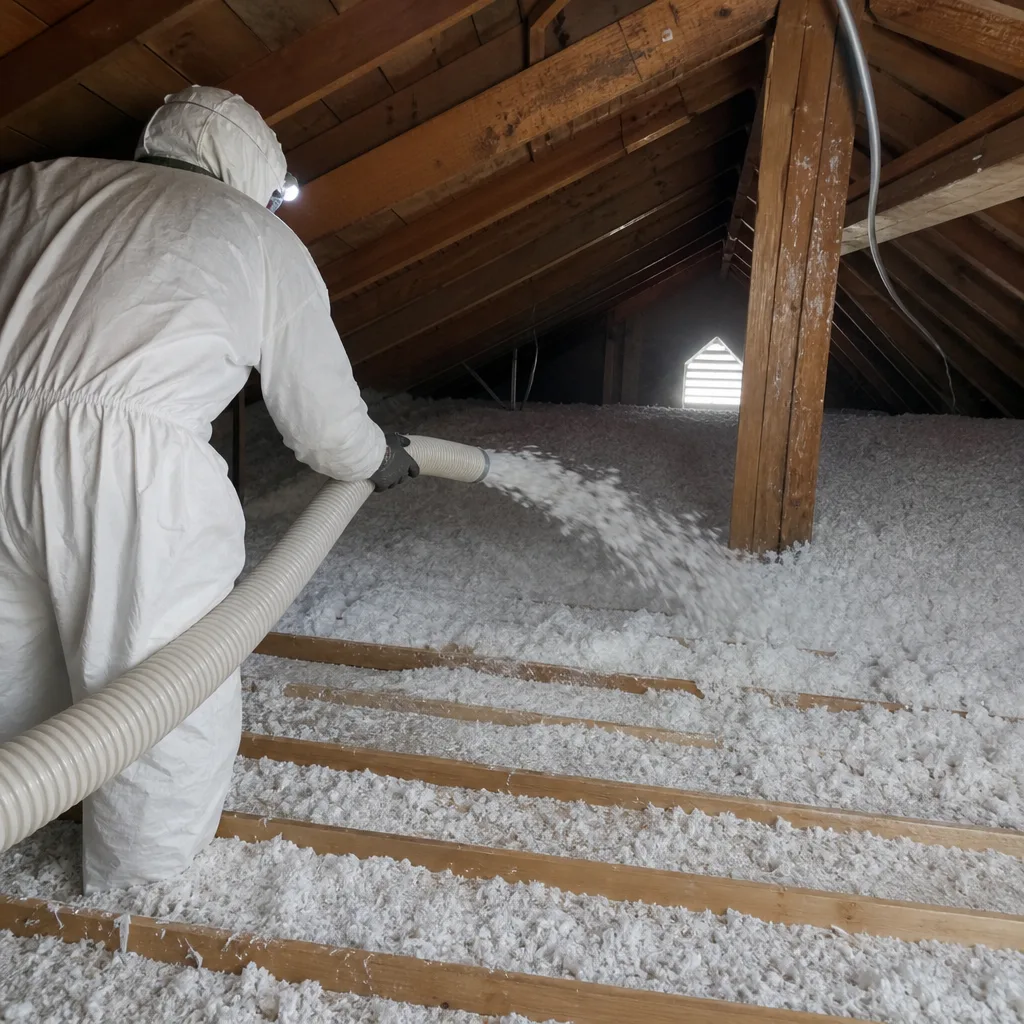
- Wall access method: Drilling small holes through existing drywall or stucco (the retrofit approach) costs more in labor than installing batts in an open wall during a remodel. Interior drilling requires patching and painting; exterior drilling through stucco requires a stucco patch that adds $150 to $400 to the total depending on surface area. In Whittier, most occupied-home retrofits go through the interior to avoid stucco matching complications.
- Existing insulation condition: Many Whittier homes built before 1980 have partial or fully degraded insulation already in the walls. If the existing material is compacted, rodent-damaged, or contaminated, it needs to be extracted before new material goes in. Removal adds $0.50 to $1.50 per square foot, depending on access and volume. We inspect every wall cavity with a borescope camera before quoting removal so you are not paying for extraction that is not necessary.
- Wall framing type: Older Whittier construction sometimes uses balloon framing – a continuous stud cavity that runs from the sill plate to the roof line – instead of platform framing with a top plate blocking the cavity at each floor. Balloon-framed walls require firestop blocking to be confirmed or installed before dense-packing, which adds material and labor. Finding balloon framing on a job is not unusual in the historic neighborhoods west of Greenleaf Avenue.
- R-value target and material choice: California Title 24 requires R-13 minimum for 2×4 walls in climate zone 9, which covers most of Whittier. Dense-pack cellulose achieves approximately R-3.7 per inch, so a 3.5-inch cavity hits about R-13 when fully packed. Closed-cell spray foam at R-6.5 per inch allows you to hit R-13 in a thinner cavity or exceed it in the same cavity – but the material cost is substantially higher. If your walls are already 2×6 construction (common in Whittier homes built after 1995), you can reach R-21 or higher without any structural changes.
- Air sealing scope included: At Envelope Insulation Co., air sealing of top plates, bottom plates, and penetrations is a prerequisite – not an add-on. We will not blow insulation over an unsealed wall cavity. Some contractors quote wall insulation without air sealing, then upsell it. When you compare quotes, check whether air sealing is included or excluded from the line item. Jobs that include proper air sealing cost more upfront and perform meaningfully better over time, which the blower-door numbers confirm.
- Home size and story count: A single-story 1,100-square-foot bungalow in the Whittier Narrows area has fewer linear feet of exterior wall than a two-story 2,200-square-foot home in East Whittier, even if the floor areas are similar. Two-story homes also require scaffold or ladder access on the exterior if any exterior drilling is done, adding to setup time. Job cost scales roughly with perimeter wall area, not just floor area.
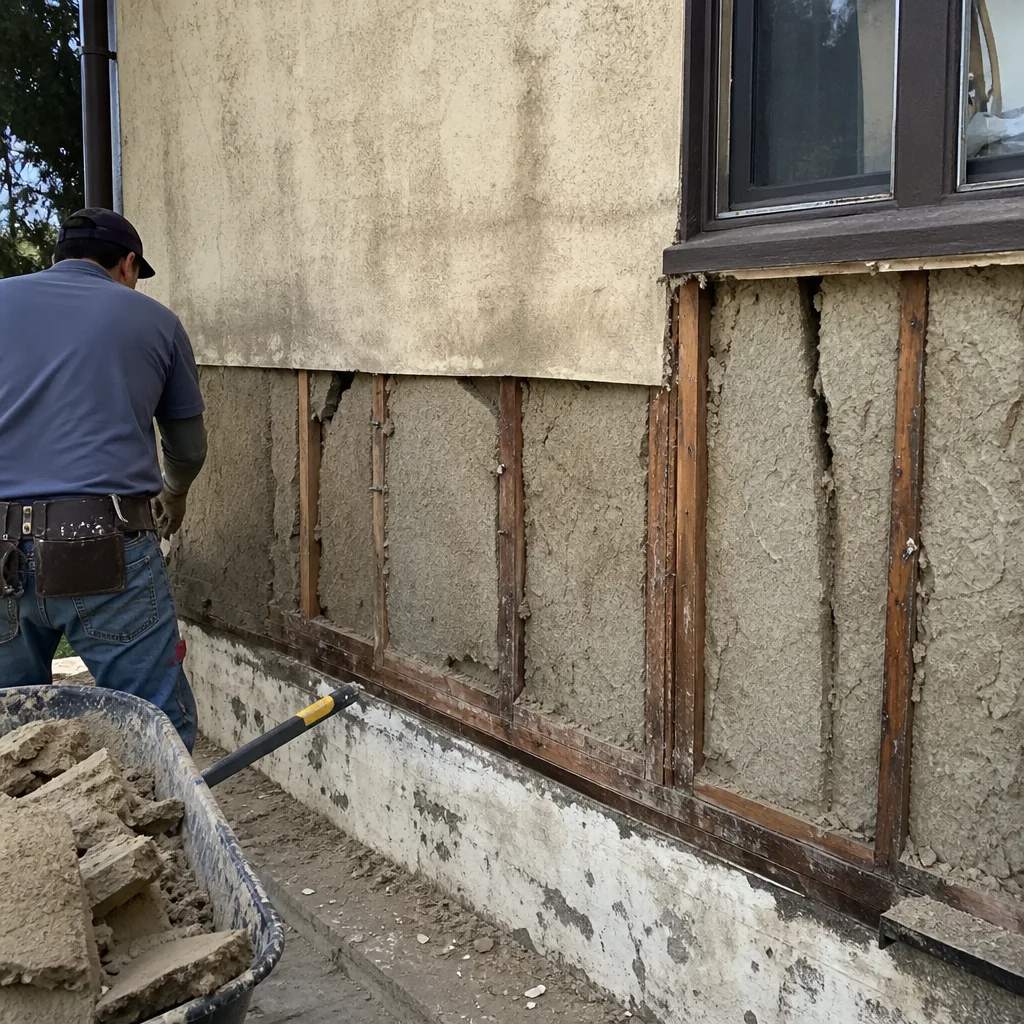 Before
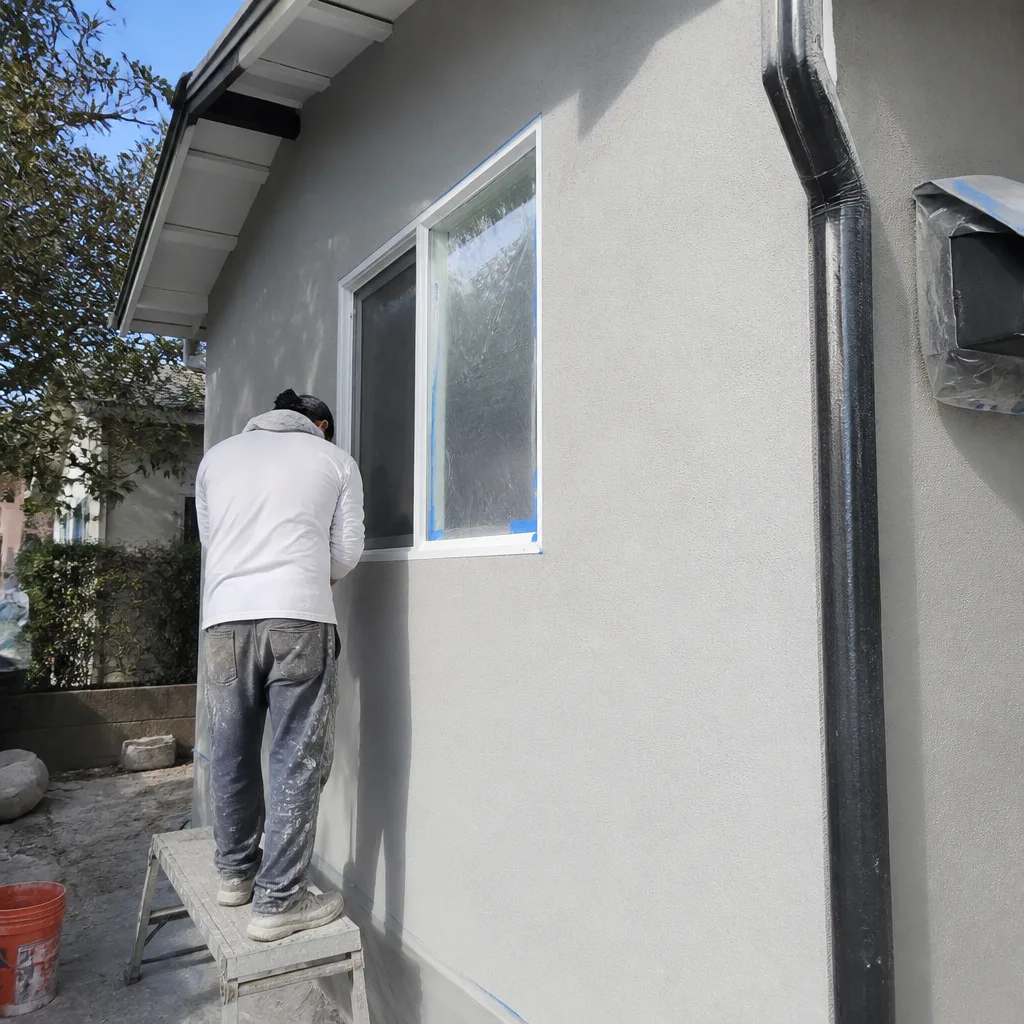 After
AfterWhittier-Specific Conditions That Affect Wall Insulation Performance
Whittier sits in the San Gabriel Valley at roughly 400 to 1,200 feet elevation depending on neighborhood. The climate is classified under Title 24 as Climate Zone 9 – hot, dry summers with mild but genuinely cool winters. Nighttime temperatures in January regularly drop into the low 40s, and summer afternoons in the hills above Whittier can hit 95 to 100 degrees for stretches of two weeks at a time. That temperature swing is why wall insulation matters here more than in coastal Los Angeles.
In the flatland neighborhoods – La Serna, Quad, Murphy Ranch Road corridor – homes built in the postwar years (1945 to 1965) were often built without wall insulation at all. Title 24 did not apply to those builds. We see blower-door readings on those homes, before any work, that regularly come back at 4,500 to 6,000 CFM50 – a measure of air leakage under pressurization that tells you, in a single number, how drafty the building envelope is. After air sealing and wall insulation on a 1,500-square-foot home in that era, readings commonly drop to 2,200 to 3,000 CFM50. That shift corresponds to real reductions in cooling load and heating demand – and those numbers are documented and left with the homeowner on every applicable job.
Homes in the hillside areas near Turnbull Canyon Road face a different challenge: diurnal temperature swings of 30 degrees or more between night and midday in summer. Without adequate wall insulation, the thermal mass of a stucco exterior absorbs heat through the afternoon and radiates it into the living space through the evening. Dense-pack cellulose performs well here because its higher mass relative to fiberglass helps moderate that heat flow, not just resist it.
Repair or Replace? When Wall Insulation Makes Financial Sense in Whittier
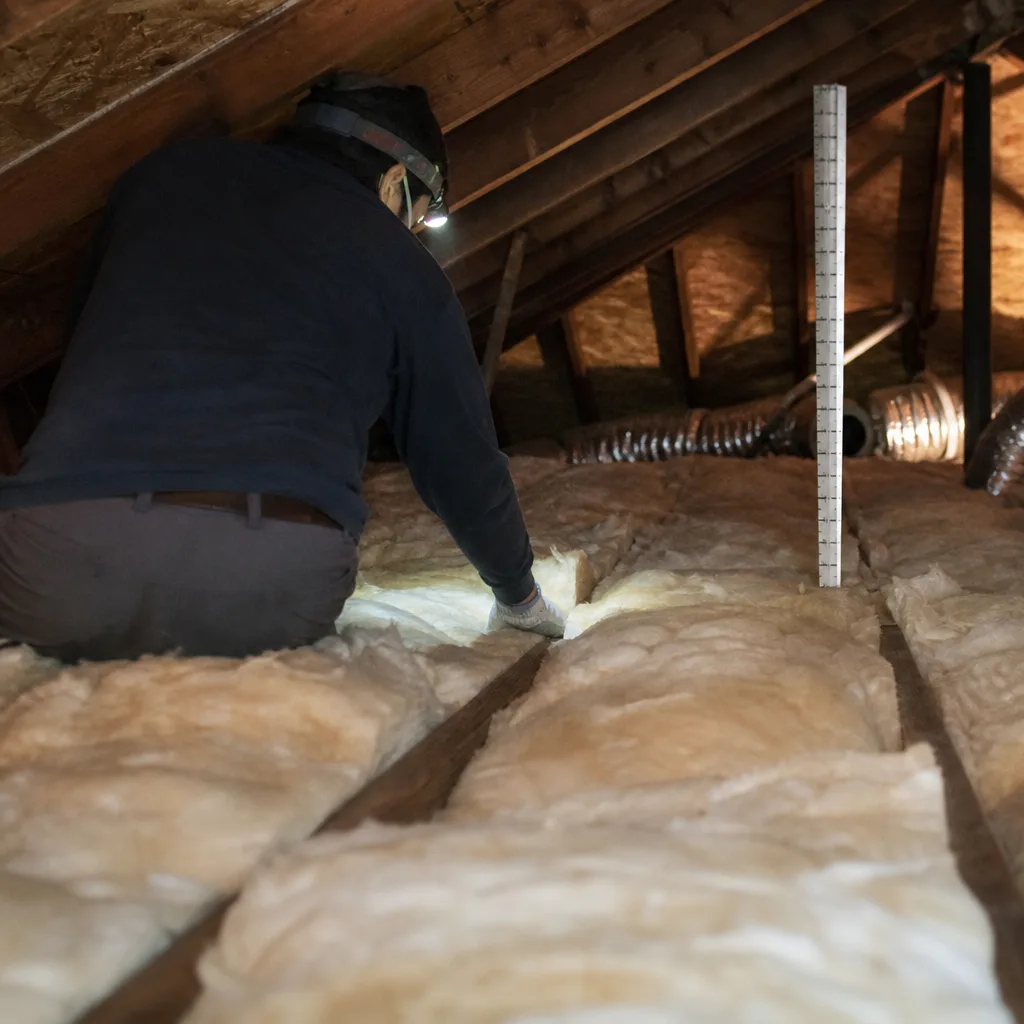
If your Whittier home was built before 1978, there is a reasonable chance the wall cavities have either no insulation or degraded insulation that no longer performs close to its original R-value. Cellulose and fiberglass batts from that era can lose 20 to 40 percent of effective R-value from settling, moisture damage, or pest activity. A borescope inspection – running a small camera into the cavity through a small exploratory hole – takes about 20 minutes and tells you exactly what is there before anyone quotes a scope of work.
The financial case for wall insulation in Whittier generally works like this: a whole-home wall insulation project on a 1,600-square-foot home that was previously uninsulated will reduce HVAC run time. Southern California Gas and Edison rate structures in 2026 make that saving meaningful – homes in the 91601 to 91607 ZIP codes (which overlap with Whittier and neighboring communities) average gas and electric bills that make a 15 to 25 percent HVAC load reduction worth $400 to $800 per year. At a project cost of $2,400 to $3,600, the simple payback period runs 4 to 8 years. That does not account for SMUD rebates or any applicable SoCal Edison or SoCal Gas programs, which can reduce out-of-pocket cost further – ask during your estimate what currently applies to your address.
If your home already has insulation in reasonable condition and you are seeing high energy bills, the problem is more likely the attic than the walls. Attic heat gain is the primary driver of cooling costs in single-story Whittier homes. Our Wall Insulation in Whittier service page covers the full scope of what a wall insulation project includes; the broader picture of what your building envelope needs starts with a home energy audit that looks at attic, walls, and crawl space together.
How to Save on Wall Insulation in Whittier
There are a few practical ways to reduce what you spend without cutting corners on the outcome.
- Bundle wall insulation with attic work. If you are already having attic insulation or attic air sealing done, adding wall insulation to the same mobilization cuts setup and teardown time. The crew and equipment are already on-site. In Whittier, bundled jobs typically save $200 to $500 compared to scheduling wall and attic work separately.
- Get a free second opinion on any written estimate. If you have a written quote from another contractor, Envelope Insulation Co. will read it with you and tell you exactly what is and is not included. This is not a negotiating tactic – it is how we operate. Some quotes in the Whittier market exclude air sealing, drywall patching, or debris removal, which makes them appear cheaper than they are. A written scope side-by-side makes the real comparison clear.
- Check for utility rebates before scheduling. SoCal Edison and SoCal Gas both offer rebates for insulation upgrades that meet Title 24 requirements. The rebate structure changes year to year and is address-specific, so the most accurate number comes from checking your utility account or asking during the estimate. Rebates on wall insulation in 2025 ran between $0.10 and $0.25 per square foot – not enormous, but worth capturing on a $3,000 job.
- Time the project during a remodel or repair window. If drywall is already open for a plumbing repair, an electrical panel upgrade, or a kitchen remodel, the wall insulation cost drops significantly because no drilling or patching is required. Batt insulation installed in an open wall cavity costs $1.25 to $2.25 per square foot installed – the low end of the pricing table – and delivers the same performance as dense-pack when the batts are properly cut and fitted without gaps.
- Do not skip air sealing to save money. It is tempting to accept a quote that leaves air sealing out. In practice, wall insulation installed over an unaired-sealed cavity delivers a fraction of its rated R-value because air movement through the gaps continues to carry conditioned air out. The savings from cutting air sealing out of the scope will not show up in your energy bills – and you will have paid for insulation that is underperforming. We built our process around air sealing first because it is the right order of operations, not as a sales tactic.
For a free, written estimate with no pressure to schedule, call us at (424) 349-7262. A live person answers – not voicemail, not a callback queue.
What a Wall Insulation Job Looks Like With Envelope Insulation Co.
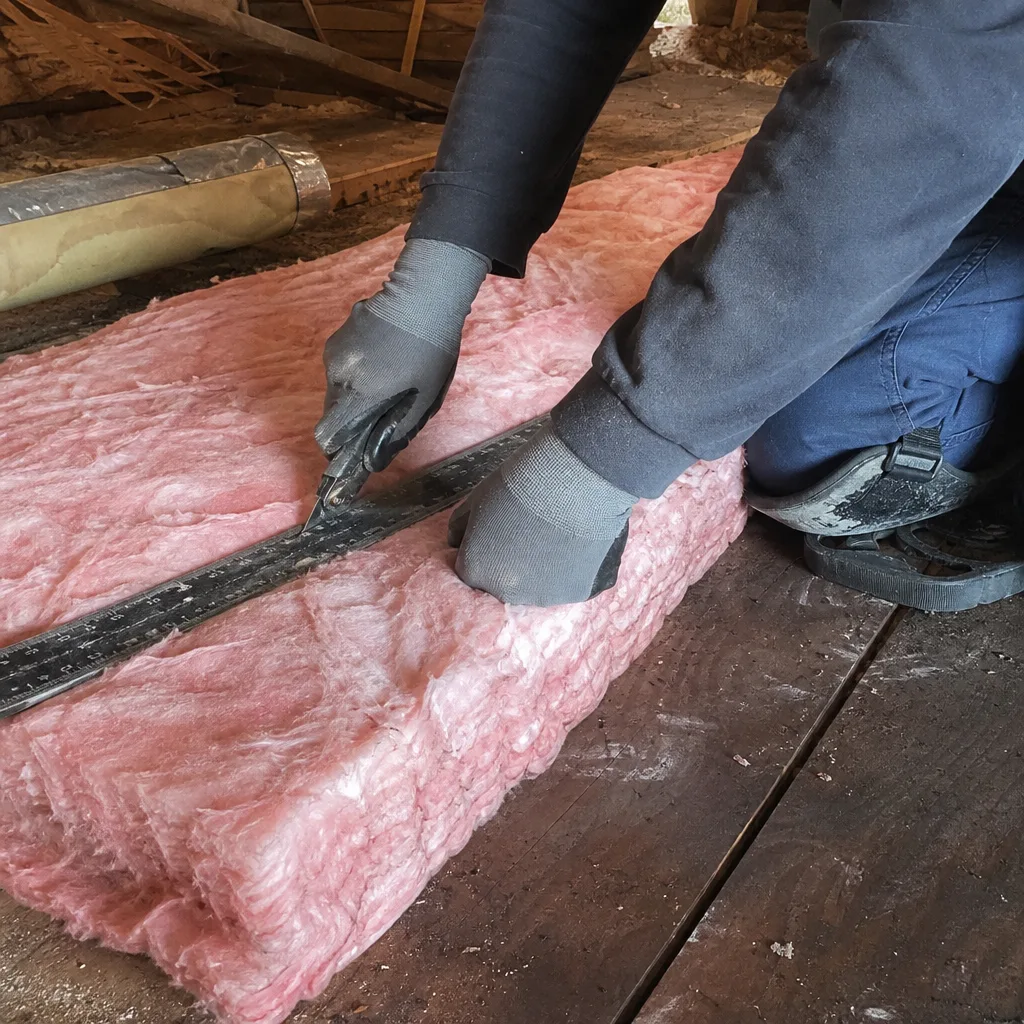
Every wall insulation job starts before we arrive. You get the technician’s name and a text when they are on the way, in line with what we call the Haven Standard – the operating principles Envelope Insulation Co. has run under since 2016.
On arrival, Wes Okafor’s team runs a borescope inspection of representative wall cavities to confirm what is present and document it with photos. If the walls are empty or degraded, we identify the access strategy – interior drilling, exterior drilling through wood siding, or open-cavity if the work is part of a remodel – and discuss it with you before anything is quoted. The written price comes next. No work starts without a flat price, written scope, and written warranty in your hands. That is Haven Standard Clause 1 and it does not get waived.
After sealing – top plates, bottom plates, electrical boxes, and any penetrations that connect the wall cavity to the attic or crawl space – insulation is installed to the specified R-value. Holes are patched, finished, and left ready for paint. A documented photo record of the completed work is left with you. On applicable jobs, a blower-door test is run before and after so you can see the air-sealing result in a single number rather than taking our word for it.
That is what leaving looks like before we arrive. You know the scope, the price, and the documentation you will receive. No surprises on the invoice, no follow-up call asking for more money.
Comparing Wall Insulation Quotes in Whittier: What to Watch For
When you are comparing estimates from Whittier insulation contractors, a few line items separate a complete quote from one that will grow after the job starts.
- Does the quote specify the R-value to be achieved, or just the material type?
- Is air sealing of the wall cavity included, or is it a separate line item or excluded entirely?
- Does the quote include hole patching and surface prep, or is that billed separately?
- Is debris removal and cleanup included?
- Does the quote name the material brand and product – Knauf EcoFill, GreenFiber cellulose, Icynene spray foam – or just say “blown-in fiberglass”?
- Is there a written warranty, and what does it cover?
A quote that is $400 lower but excludes patching, debris, and air sealing is often $200 to $600 higher by the time the invoice is written. The only protection against that is a flat, written price before work starts – which is what our process delivers on every job, across the more than 9,000 homes we have sealed and insulated since 2016.
FAQs – Wall Insulation Cost in Whittier, CA
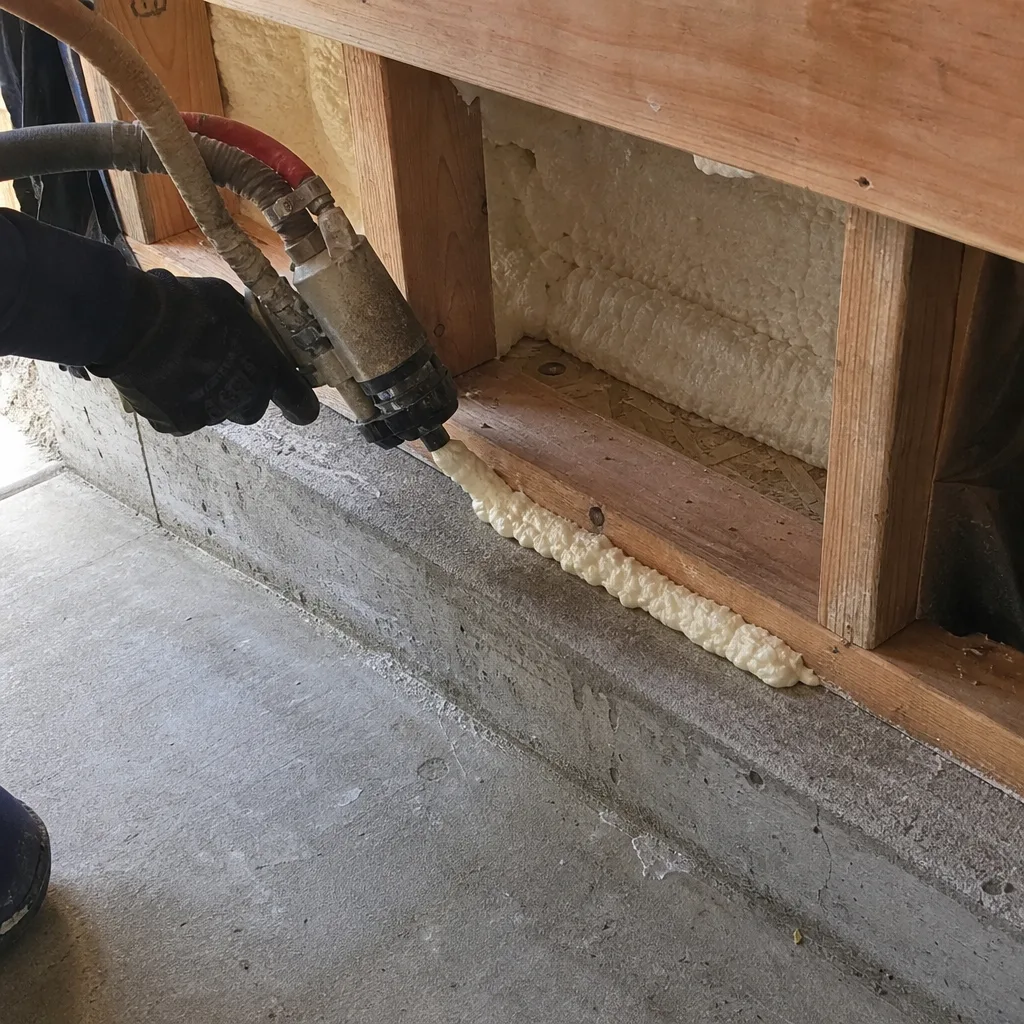
How much does wall insulation cost in Whittier, CA in 2026?
Most wall insulation jobs in Whittier run between $1,800 and $5,200 for a typical single-family home, with the majority of retrofit projects (blown-in dense-pack into existing walls) coming in at $2,400 to $3,600. Closed-cell spray foam in open walls during a remodel is the most expensive option, reaching $5,200 or more on larger homes. The exact cost depends on wall area, access method, material, and whether air sealing is included – all of which are itemized in writing before any work starts. Call (424) 349-7262 for a free estimate specific to your home and address.
Is it cheaper to insulate walls from the inside or the outside?
Interior drilling is usually less expensive than exterior drilling on stucco homes in Whittier, because exterior stucco patching adds $150 to $400 to the job cost and requires color-matching, which is imprecise on aged stucco. Interior drilling requires drywall patching, which is typically included in the project price and finishes more predictably. On wood-sided homes, exterior drilling is often comparable in cost. The right access method depends on the wall assembly, which a borescope inspection determines before the quote is written.
Does wall insulation require permits in Whittier, CA?
Insulation added to existing wall cavities via dense-pack drilling does not typically require a building permit in the City of Whittier for a standard retrofit. However, if wall insulation is part of a larger remodel involving structural work, electrical, or HVAC changes, the insulation becomes part of that permitted scope. Work that involves spray foam applied in an open-wall application during a remodel is inspected as part of the framing inspection. We confirm permit requirements for your specific scope during the estimate so there are no surprises after work begins.
How long does wall insulation last in a Whittier home?
Properly installed dense-pack cellulose or fiberglass insulation in a sealed wall cavity lasts 40 to 80 years in normal conditions. The main causes of premature degradation are moisture intrusion (from a roof, window, or plumbing leak that is not addressed), pest activity that disrupts the fill, and settling in improperly densified installations. Dense-pack cellulose installed at 3.5 pounds per cubic foot or higher does not settle measurably over time. Spray foam, once cured, is structurally stable and does not degrade under normal conditions. The 365-Day Done Right Promise covers our work for a full year; if settling or performance issues appear within that window, we make it right.
Can wall insulation reduce my energy bills in Whittier?
Yes – homes in Whittier built before 1978 without wall insulation typically see HVAC load reductions of 15 to 25 percent after a full wall insulation and air sealing project, which translates to $400 to $800 per year in reduced gas and electric costs at current Southern California utility rates. The before-and-after blower-door test – a pressurization measurement that shows in one number how much conditioned air the home was losing – documents the air-sealing result so the performance change is measurable, not estimated. On applicable jobs, those numbers are included in your documented job record. Call (424) 349-7262 to schedule a free estimate that includes an assessment of your current wall assembly.
What insulation material is best for walls in Whittier’s climate?
For retrofit projects in existing Whittier homes, dense-pack cellulose (such as GreenFiber) and dense-pack fiberglass (such as Knauf EcoFill) are the two most practical options. Both achieve R-13 in a standard 2×4 cavity and can be installed without opening walls. Cellulose has slightly higher thermal mass, which helps moderate the large diurnal temperature swings common in Whittier’s hillside neighborhoods. Open-cell spray foam from Icynene or closed-cell from Demilec are appropriate for open-wall applications during remodels, with closed-cell providing higher R-value per inch and a vapor retarder in the same application. Mineral wool batts from Rockwool are an option in open-wall remodels where fire resistance and sound attenuation are priorities. The right choice depends on your wall assembly and project scope – both are covered in writing before work starts.
Key Takeaways
- Wall insulation in Whittier costs $1,800 to $5,200 for most single-family homes, with the typical retrofit project running $2,400 to $3,600.
- Blown-in dense-pack cellulose or fiberglass is the standard retrofit method for occupied homes; spray foam requires open-wall access.
- Air sealing before insulation is required for the work to perform at rated R-value – not optional, not an upsell.
- Homes built before 1978 in Whittier neighborhoods like Uptown, La Serna, and East Whittier are likely candidates for wall insulation retrofits that have measurable payback periods under 8 years.
- Every Envelope Insulation Co. job includes a written price before work starts, a documented photo record, and a 365-Day Done Right Promise.
- Before-and-after blower-door numbers are provided on applicable jobs so you can see, in a single figure, the air-sealing result you paid for.
- The home energy envelope – attic, walls, and crawl space together – is the right frame for evaluating what your Whittier home actually needs.
Get a Written Price for Wall Insulation in Whittier
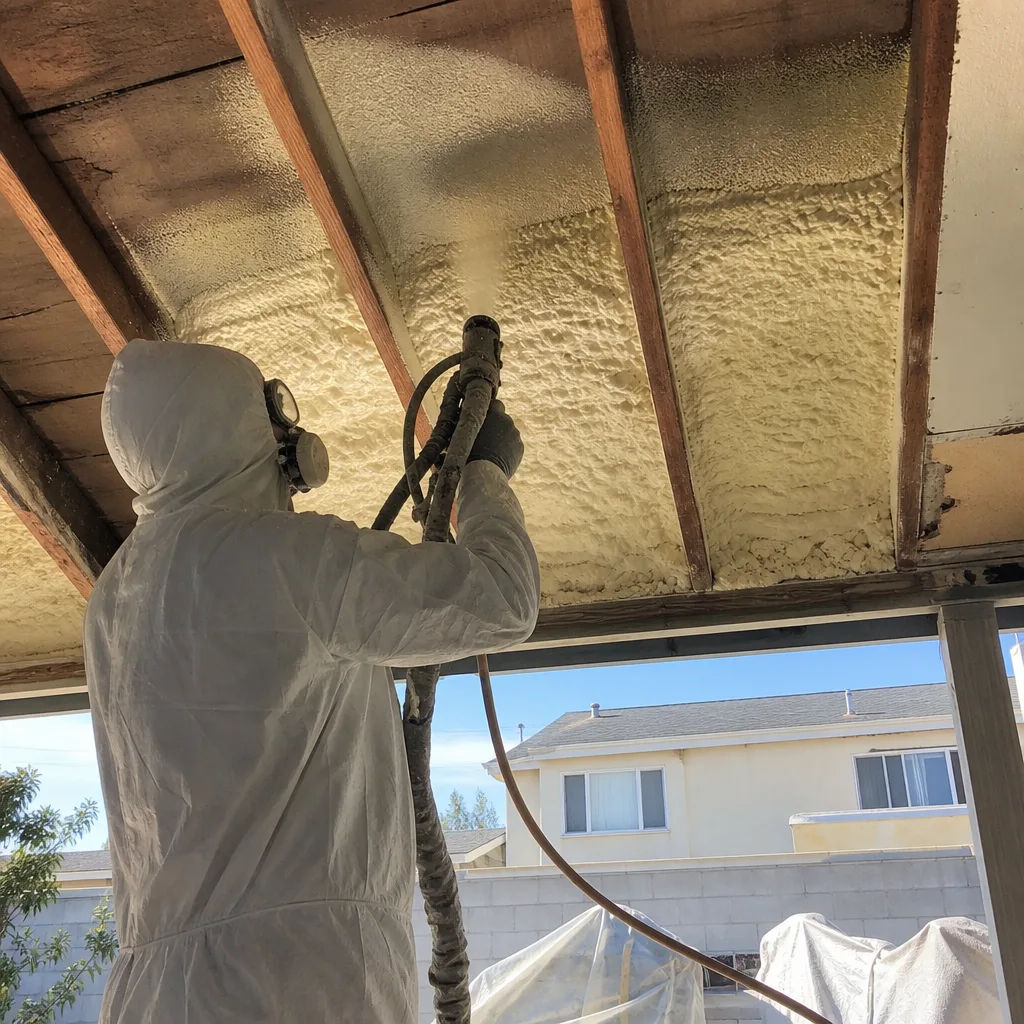
If you want to know exactly what wall insulation will cost for your Whittier home – not a range, a written number with a named scope and a named technician – call Envelope Insulation Co. at (424) 349-7262. A live person answers. Wes Okafor’s team has been documenting the work and publishing the numbers since 2016, across more than 9,000 homes. The estimate is free, the price is in writing before anyone starts, and the 365-Day Done Right Promise covers you after the crew leaves.
Bring us a competing quote and we will read it with you – line by line – so you know what you are actually comparing before you make a decision.
Pricing reflects the Whittier market as of 2026. Topside Attic Insulation Whittier offers free estimates – call (424) 349-7262.
Written by Wes Okafor, Owner at Envelope Insulation Co., serving Whittier, CA since 2016.
What Our Customers Say
"Fixed price, clean work, and they hauled the old material away as agreed."
- Todd M."They photographed rodent damage in the old insulation that we had no idea about, and priced the exclusion work separately so we could decide."
- Harriet N."Crawl space encapsulation done properly. Photographs of the vapour barrier at every seam, and the damp smell in the hallway is gone."
- Ainsley P.