
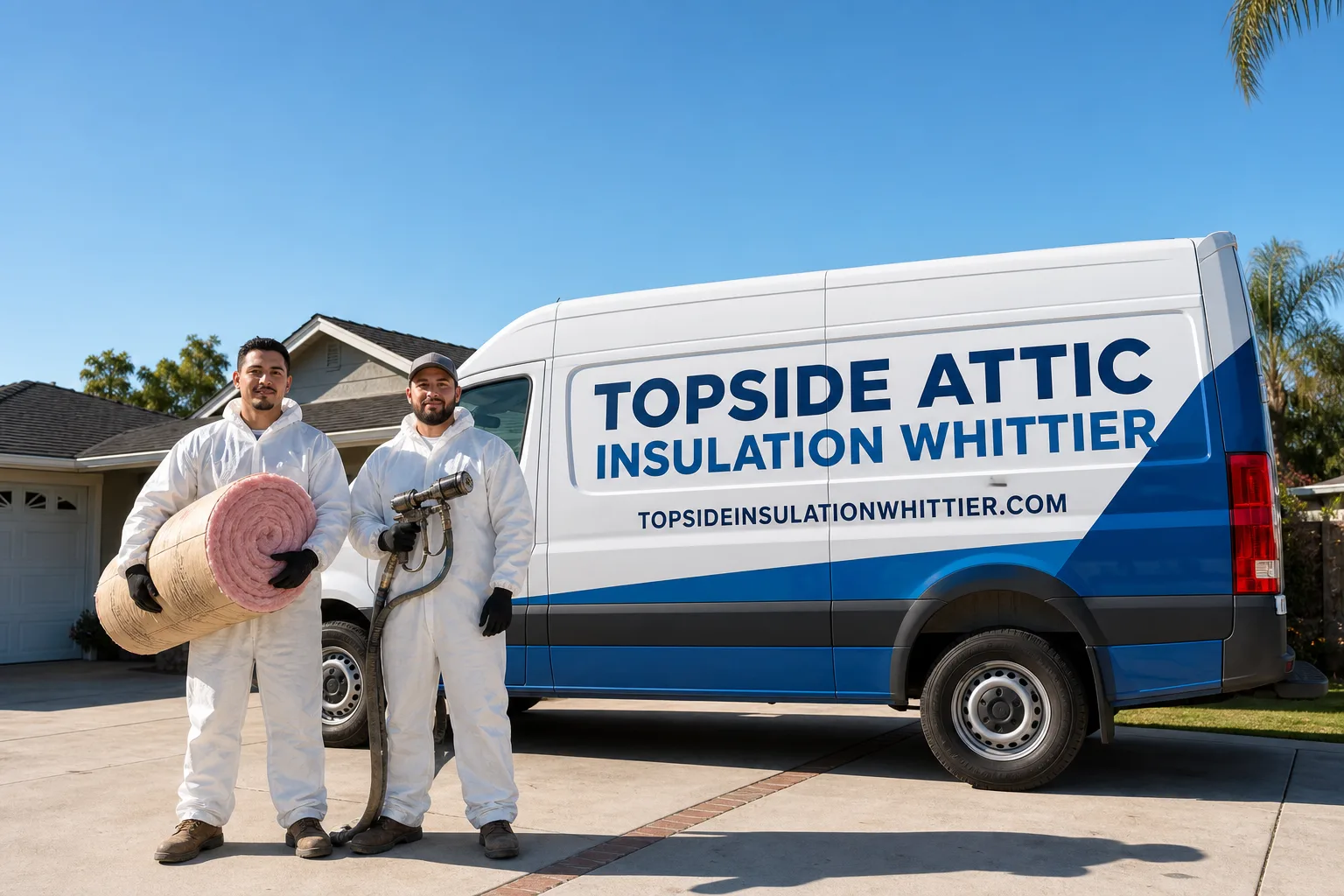
How Much Does Attic Cleaning & Rodent Proofing Cost in Whittier?
Attic cleaning and rodent proofing in Whittier, CA typically runs between $1,200 and $4,800 for a single-family home, depending on attic size, the extent of contamination, and how many entry points need to be sealed. Most Whittier homeowners with a 1,500-to-2,000-square-foot attic land somewhere in the $1,800-to-$3,200 range when the job includes full debris removal, insulation replacement, and rodent exclusion work. A written price before any work starts is non-negotiable under our Attic Cleaning & Rodent Proofing in Whittier process, so you’ll know the exact number before a single tool comes out of the truck.
Attic Cleaning & Rodent Proofing Cost Breakdown (2026)
The table below reflects actual pricing in the Whittier market as of 2026. These are not national averages repackaged for a local page. Whittier’s older housing stock – many homes here were built between 1945 and 1980 – tends to have more complex attic framing, more penetrations to seal, and deeper layers of contaminated blown-in that have to come out before any exclusion work can happen. That context is already baked into these ranges.
| Service Component | Typical Price Range (Whittier, 2026) | Notes |
|---|---|---|
| Attic inspection and assessment | $0 (free estimate) | Documented photo record included on every visit |
| Rodent dropping and debris removal (per sq ft) | $1.50 – $3.00/sq ft | Heavy contamination pushes toward the upper end |
| Contaminated insulation removal (per sq ft) | $1.00 – $2.50/sq ft | Old blown-in and fiberglass bat removal included |
| Sanitization and odor treatment | $300 – $700 | Enzyme-based agents applied after debris removal |
| Rodent exclusion / entry point sealing | $400 – $1,200 | Hardware cloth, foam, and caulk at identified gaps |
| Attic air sealing (top plates, can lights, penetrations) | $500 – $1,500 | Completed before any new insulation goes in – always |
| New blown-in insulation installation (per sq ft) | $1.50 – $3.50/sq ft | Owens Corning, GreenFiber, or Johns Manville material |
| Full project – 1,000 sq ft attic | $1,200 – $2,400 | Clean, seal, sanitize, new insulation |
| Full project – 1,500 sq ft attic | $1,800 – $3,200 | Most common attic size in Whittier |
| Full project – 2,000+ sq ft attic | $2,800 – $4,800 | Larger homes in areas like Friendly Hills or East Whittier |
A few things move these numbers in either direction. On the lower end: an attic that has only minor soiling, no insulation replacement needed, and three or four straightforward entry points. On the higher end: heavy fecal contamination packed into 14-to-16 inches of old blown-in, a roof line with a dozen gaps along the eave-to-fascia junction (common in Whittier’s mid-century ranch homes), or a two-story home where attic access is difficult. If rats have been in the space for more than one season – which happens regularly in Whittier’s older neighborhoods near Greenleaf Avenue and Painter Avenue – expect the sanitization line to climb, because the ammonia from multi-season urine saturation requires a second enzyme treatment to clear properly.
One thing that never changes: the price is written before work starts. That is Haven Standard Clause 1, and it applies to every job Envelope Insulation Co. runs in Whittier, full stop.
What Affects Attic Cleaning & Rodent Proofing Pricing in Whittier
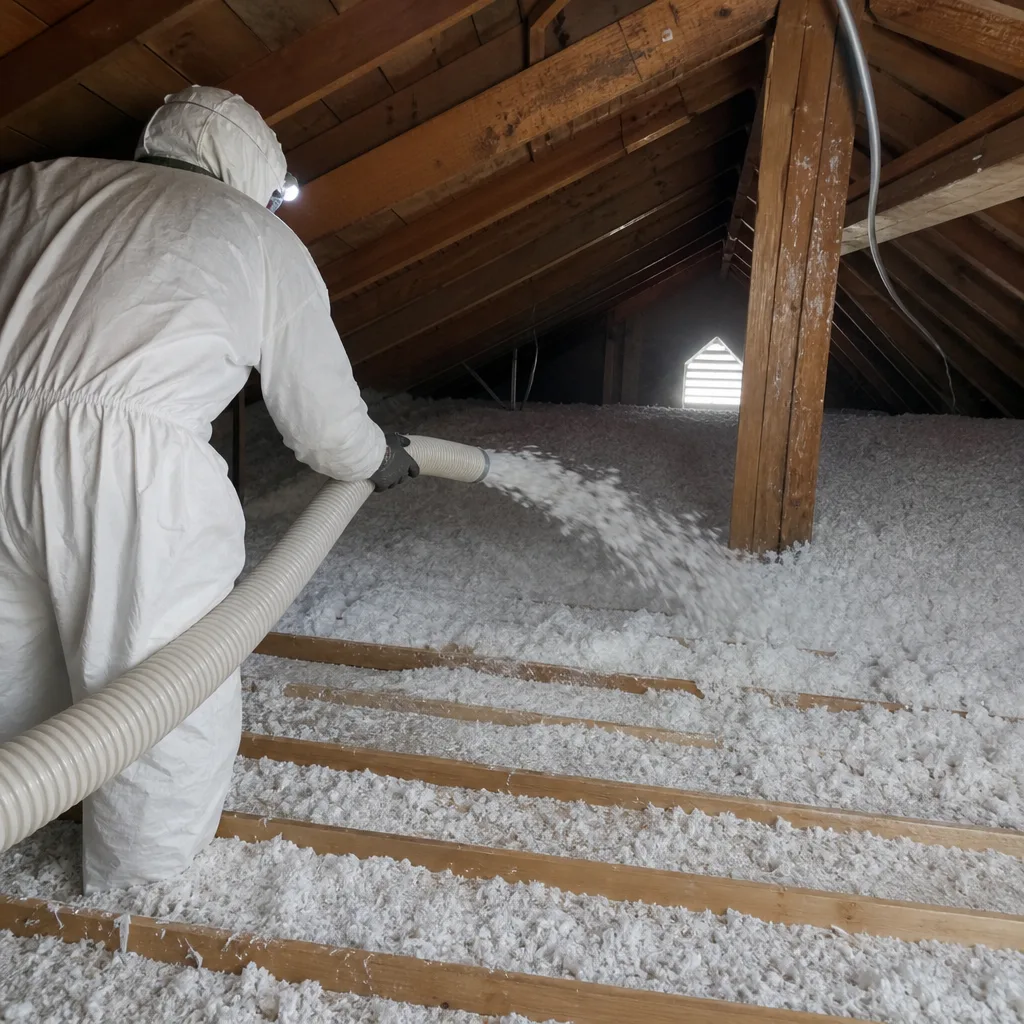
Six factors do most of the work when it comes to setting the final number on a Whittier attic job. Here is what each one actually means in dollar terms.
- Attic square footage and accessibility. A 900-square-foot attic in a smaller Whittier bungalow costs less to clear than a 2,200-square-foot space in a Friendly Hills split-level with low-pitch framing that a technician has to crouch through. Limited headroom slows every phase of the work and adds labor time.
- Severity of rodent contamination. Light contamination – a few entry points, droppings confined to one corner, insulation mostly intact – keeps the job in the lower third of the range. Active, multi-season infestations with nesting material throughout and insulation that is saturated and compressed push the cost up significantly. We document what we find with photos before quoting removal.
- Number and location of entry points. Whittier’s older housing stock – particularly the 1950s-era homes in South Whittier and the post-war construction along Mar Vista Street – tends to have more gaps along the eave soffit, roof-to-fascia junctions, and utility penetrations than newer builds. More gaps mean more exclusion material and more labor. A straightforward job might have four entry points; a complex one might have fifteen.
- Existing insulation depth and type. Attics with 10-to-14 inches of old blown-in cellulose or fiberglass that has been compressed by rodent activity cost more to remove than shallow insulation. Wet or mold-adjacent insulation has to be bagged carefully and disposed of separately, which adds to the removal line.
- Air sealing scope before new insulation. We seal first, then insulate – that order is not negotiable. Top plates, can lights, HVAC penetrations, and electrical chases all get sealed with foam or caulk before any new material goes in. The more penetrations in the attic floor, the longer the air sealing phase runs. For reference, a 1960s Whittier home with recessed lighting throughout the ceiling below can easily have 20-plus can lights that each need to be air-sealed before a single bag of new blown-in goes in.
- Local disposal and haul-away. Contaminated insulation is not recyclable and cannot go in a standard dumpster. The disposal cost in the Los Angeles County market – which covers Whittier – runs higher than rural markets, and that cost is part of the written price you receive before work starts, not a surprise line item at the end.
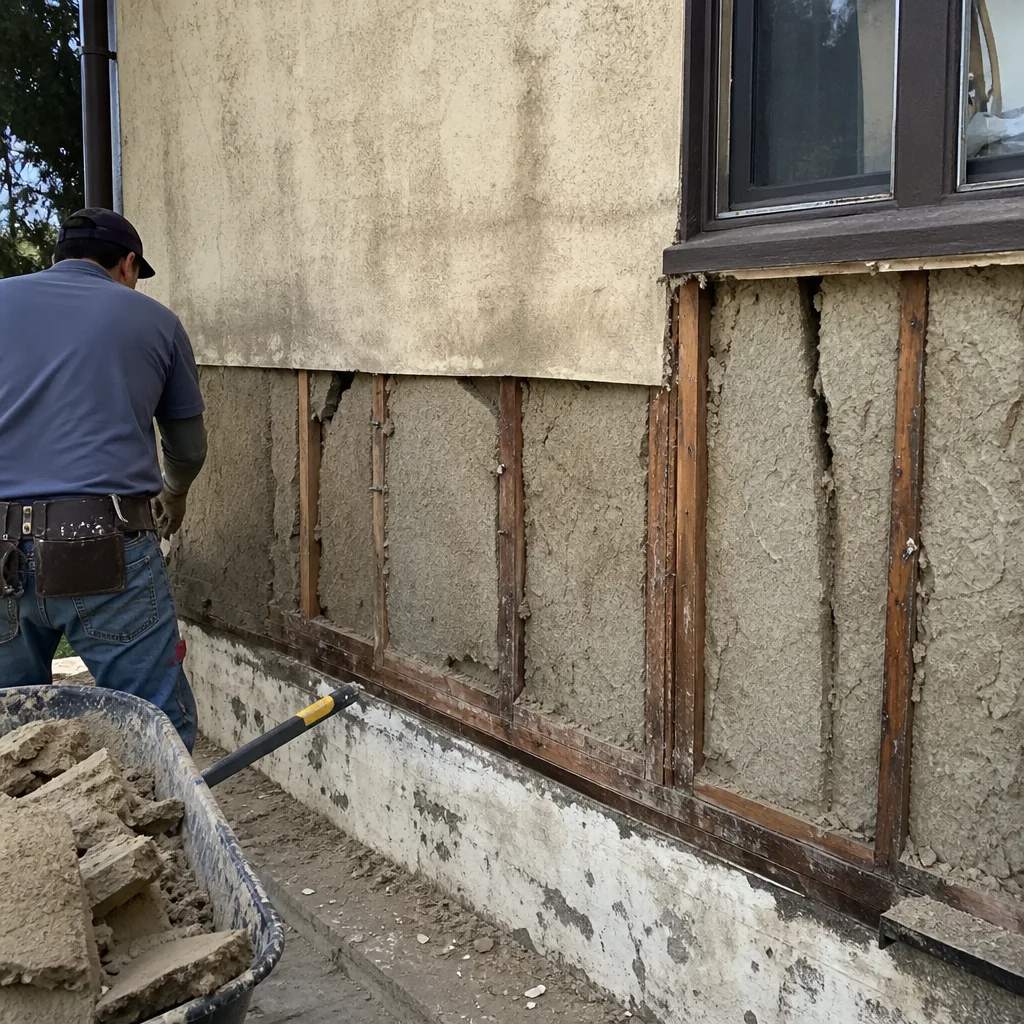 Before
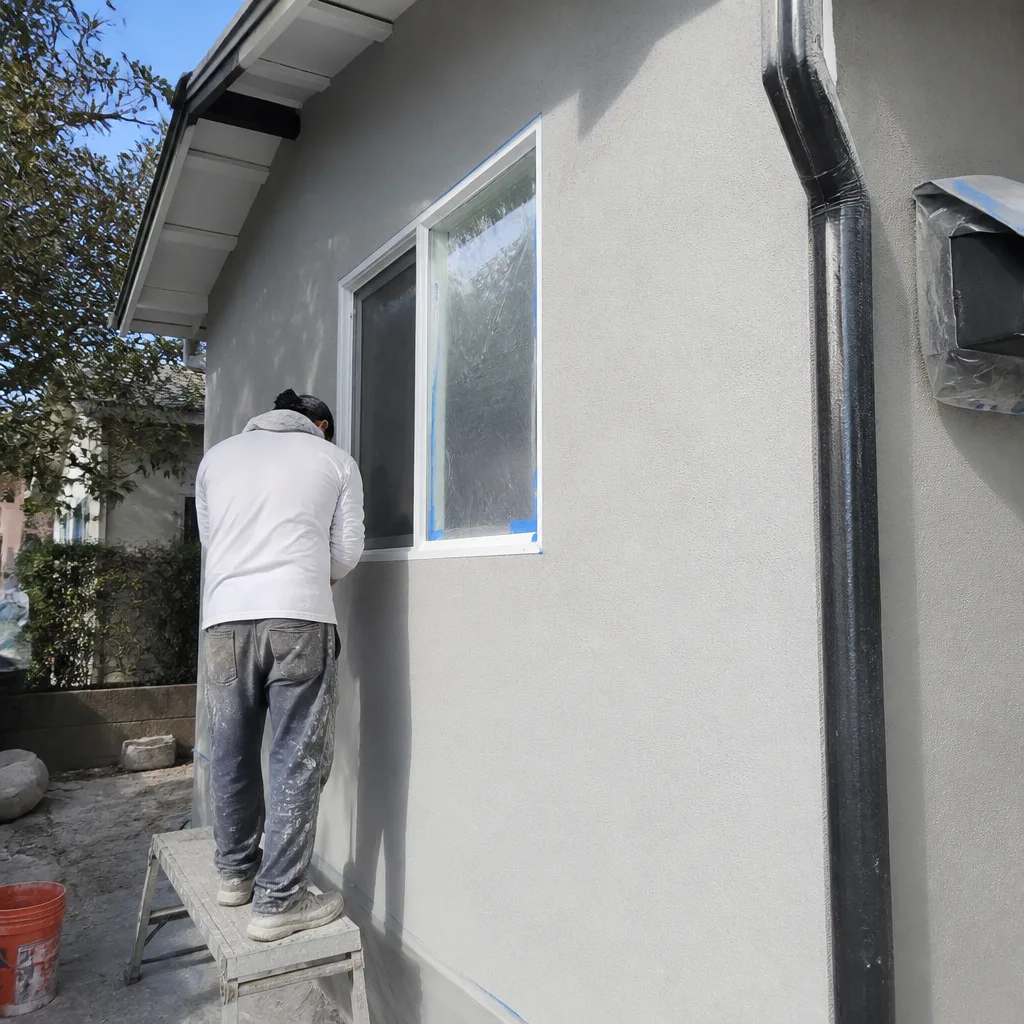 After
AfterWhittier’s Rat Problem: What Makes This Market Specific
Whittier sits at the base of the Puente Hills, and that geography matters more than most homeowners realize. The hills run directly behind neighborhoods like East Whittier, Vista del Verde, and the streets along Camilla Avenue – and they serve as a year-round habitat for roof rats (Rattus rattus), which are climbers by nature and vastly more common in Southern California attics than the Norway rat species that dominate colder climates.
Roof rats follow mature tree canopies and utility lines. Whittier’s older residential streets have wide canopy cover from liquid amber, pepper, and citrus trees that often overhang rooflines. Once a rat has a tree branch within two feet of a fascia board gap, the attic is accessible. We regularly find entry points in Whittier attics that are as small as a half-inch – roof rats can compress through any gap their skull fits through.
The seasonal pattern here runs roughly October through April, when rats move from outdoor food sources into structures as backyard fruit drops and temperatures shift. Homeowners in Uptown Whittier and along Colima Road often notice scratching noises in late fall, which usually means a colony has been present since at least September. By the time the noise is audible, there is typically two to four months of accumulation in the insulation.
That context matters for pricing because it predicts scope. A job that starts as “we heard something in the attic last week” in November in Whittier is more likely to be a multi-season problem than the same call from a newer neighborhood in a drier, less-vegetated city.
The Seal-First Rule and Why It Changes the Job Scope
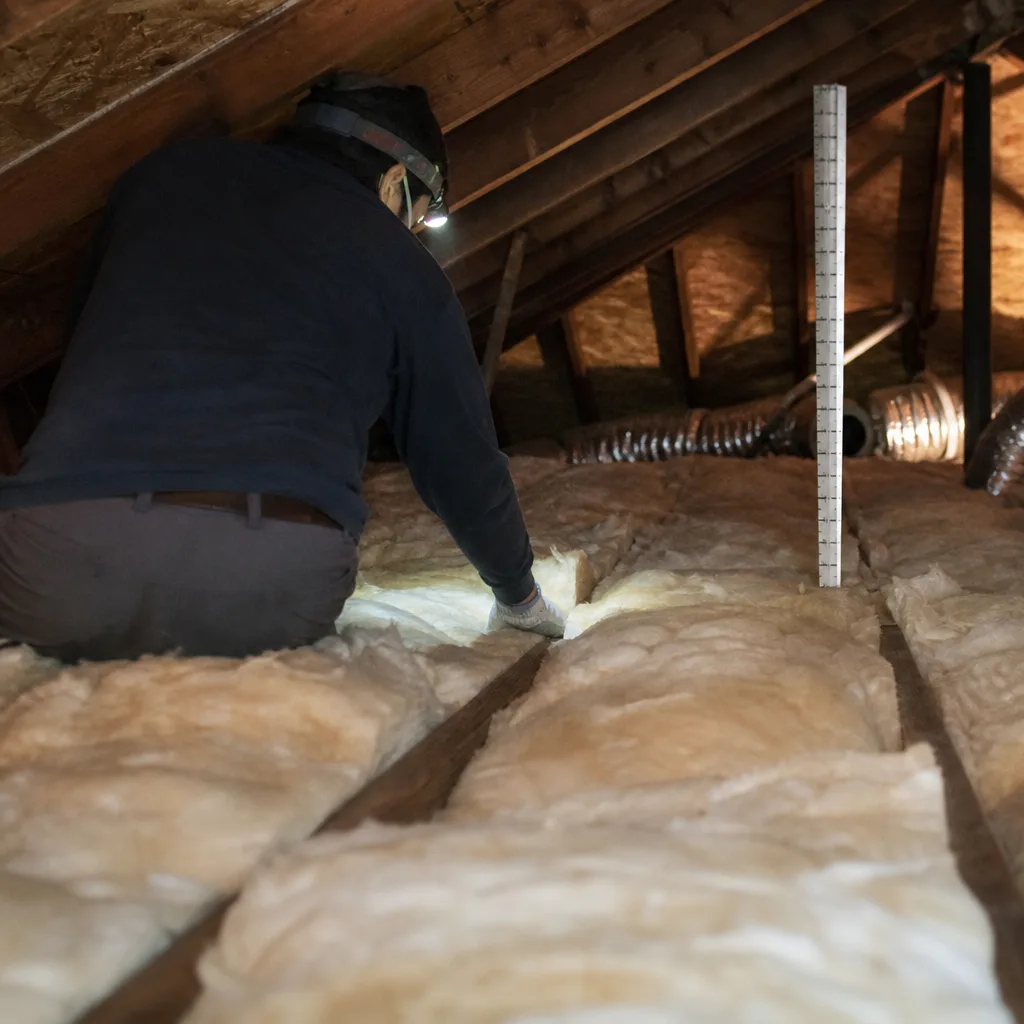
Some contractors clean the attic, drop in new insulation, and call it done. The problem with that sequence is that new insulation placed over an unsealed attic floor does not stop conditioned air from moving freely through top plates, can-light penetrations, and HVAC chases. The home continues to lose heating and cooling through the ceiling plane regardless of how thick the new insulation layer is.
At Envelope Insulation Co., air sealing of the attic floor is completed before any insulation is installed. Every time, on every job, in Whittier and everywhere else we work. The attic floor gets sealed at the top plates (the framing members where interior partition walls meet the ceiling), at any recessed light housings, at plumbing stacks, at electrical chases, and at HVAC plenums that pass through the ceiling plane. After sealing, on applicable jobs, we run a blower-door test – a pressurization measurement that produces a single number (CFM50) showing how much air the building envelope is losing. We publish the before-and-after readings so you can see what changed.
That sequence adds cost compared to a clean-and-blow quote from a contractor who skips the sealing phase. It also adds measurable, documented value that shows up in utility bills. For context: a 1970s Whittier ranch home with a heavily leaking attic floor and old insulation might blower-door at 4,500 CFM50 before work. After air sealing and new insulation, the same home frequently reads below 2,200 CFM50. That number is not a feeling – it is a reading from a calibrated instrument, and we put it in writing.
How to Save on Attic Cleaning & Rodent Proofing in Whittier
There are a few ways to keep the total lower without cutting corners that matter.
- Address it early. A one-season rodent problem costs less to remediate than a three-season one. If you hear scratching in October or November, call for an inspection before the insulation is fully saturated. In Whittier’s climate, waiting until spring to deal with fall activity typically means more contaminated material to remove and a harder sanitization job.
- Get a second opinion on any written estimate. We offer a free second opinion on any written estimate – bring us a quote from another contractor and we will read it with you, line by line. That is not a sales tactic; it is how we find out if another bid is missing phases (like air sealing) that will cost more to fix later. You can reach us at (424) 349-7262 to schedule that review at no charge.
- Bundle the air sealing and insulation replacement. If your attic needs cleaning and exclusion work, it almost certainly also needs new insulation. Having the attic floor air-sealed and re-insulated in the same visit costs less than returning for a second mobilization. The labor overlap is significant.
- Check for utility rebates. Southern California Edison and SoCalGas both offer rebates on insulation upgrades for qualifying Whittier homes. The rebate does not apply to the cleaning or exclusion work, but it can offset a portion of the insulation replacement cost. We document the before-and-after conditions on every job, and that documentation is exactly what a rebate application requires.
- Do not skip the exclusion phase to save money up front. Cleaning without sealing the entry points means the problem recurs, usually within one to two seasons. The second cleaning job costs as much as the first, and you are back where you started. Exclusion work is the phase that makes the cleaning permanent.
The free estimate at (424) 349-7262 is a real estimate with a real number – not a range wide enough to mean nothing, and not a foot in the door for an upsell conversation. Under Haven Standard Clause 1, the written price you receive before work starts is the price you pay.
What the Documented Photo Record Shows
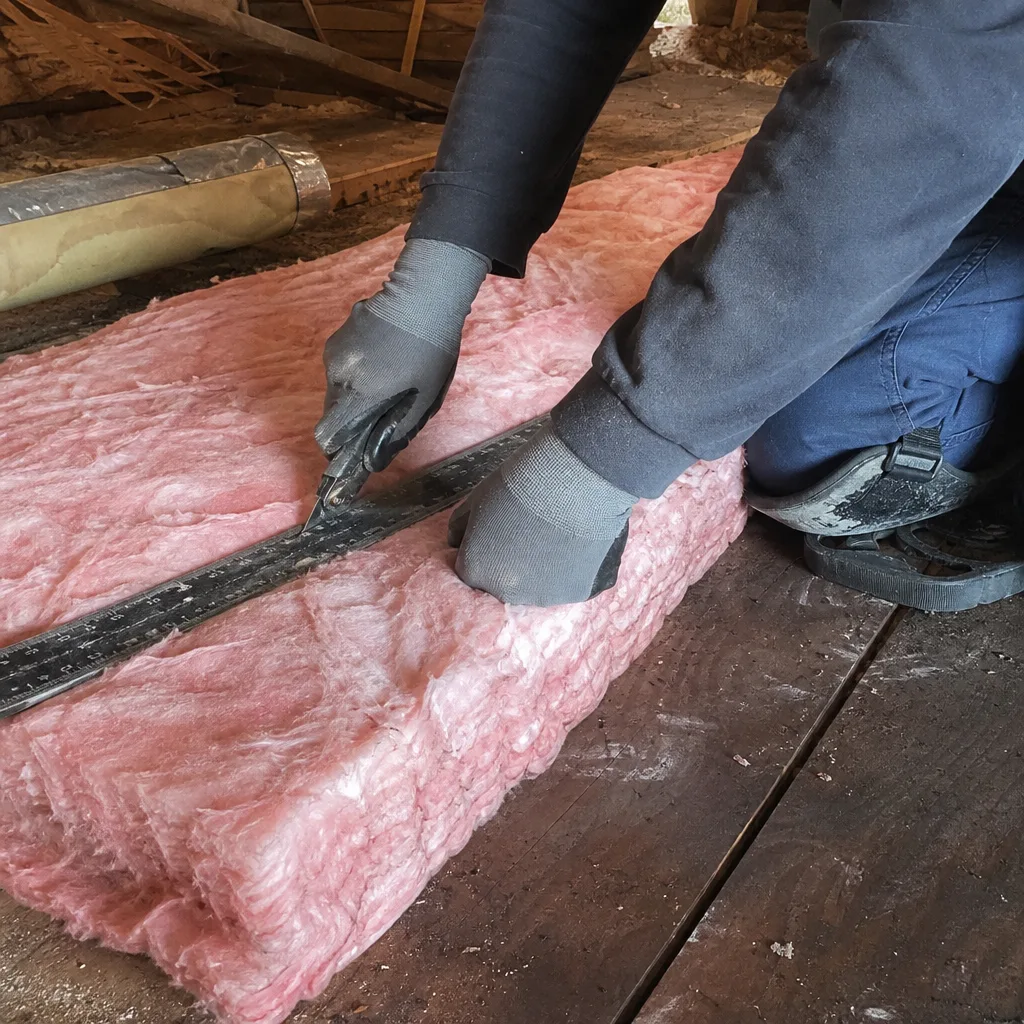
Every visit to a Whittier home results in a documented photo record – included on every job, not available on request. Before-phase photos show the entry points, the condition of the existing insulation, and the specific areas of contamination. After-phase photos show the sealed penetrations, the sanitized surfaces, and the new insulation depth. You receive these photos as part of the job close-out, not because you asked for them.
This matters for a few reasons. First, it documents the condition of your attic before and after, which is relevant if an insurance claim is ever involved. Second, it holds the crew accountable – a photo of a sealed gap is harder to fabricate than a verbal assurance. Third, it gives you something to compare against if you ever have the attic inspected again in five or ten years.
On applicable jobs – specifically those where air sealing is performed – the photo record is accompanied by the blower-door readings. Both documents are part of what you paid for. Wes Okafor built this documentation standard into every Envelope Insulation Co. job because a claim about air sealing quality that cannot be verified by a number is not a claim worth making.
FAQs – Attic Cleaning & Rodent Proofing Cost in Whittier
How much does attic cleaning cost in Whittier, CA?
Attic cleaning in Whittier typically costs $800 to $2,500 for the removal and sanitization phases alone, before exclusion work or insulation replacement. A 1,500-square-foot attic with moderate contamination generally runs $1,000 to $1,600 for cleaning and sanitization. If contaminated insulation needs to come out first – which it usually does in active infestations – add $1.00 to $2.50 per square foot for removal. The free estimate at (424) 349-7262 produces a flat written number, not a range you have to interpret.
How much does rodent proofing cost in Whittier?
Rodent exclusion work in Whittier runs $400 to $1,200 depending on the number of entry points and their locations. A straightforward job with four or five accessible gaps along the roofline lands in the $400 to $600 range. A more complex job – common in Whittier’s older neighborhoods where soffits, fascia, and roof-to-wall junctions have multiple gaps – can reach $1,000 to $1,200. That price includes hardware cloth, foam, and caulk applied at every identified penetration, with photos documenting each sealed point. Call (424) 349-7262 for a written price specific to your home’s entry point count.
Is attic cleaning and rodent proofing covered by homeowners insurance in California?
It depends on the policy and the cause. Some homeowners insurance policies cover sudden and accidental damage caused by rodents – particularly if the infestation caused wiring damage or structural harm – but most standard policies explicitly exclude gradual rodent damage and preventive remediation like cleaning and exclusion work. California FAIR Plan policies are even more restrictive. The documentation we provide on every Whittier job – photos, written scope, and condition records – is exactly the format most insurance adjusters require when a claim is submitted. We recommend calling your insurance carrier before the job and asking specifically whether rodent remediation is covered under your current policy language.
How long does attic cleaning and rodent proofing take in Whittier?
Most Whittier attic cleaning and rodent proofing jobs take one to two days. A 1,000-square-foot attic with moderate contamination and a clear set of entry points is typically a one-day job – cleaning, sanitization, exclusion sealing, and new insulation all in a single visit. A larger attic or one with severe contamination that requires multiple sanitization passes may run into a second day. The written scope you receive before work starts includes the scheduled timeline, so you know what to expect before anyone arrives.
Do I need to replace insulation after rodent activity in my Whittier attic?
In most cases, yes. Rodent urine and fecal matter break down insulation fibers over time and reduce R-value – the measure of thermal resistance. Old blown-in cellulose or fiberglass that has been compressed and saturated by rodent activity is no longer performing to its rated specification, and in Whittier’s climate (hot summers, mild winters), an underperforming attic floor has a measurable impact on cooling costs from May through October. Beyond performance, contaminated insulation holds odor and pathogens that sanitization alone cannot fully neutralize when the material is saturated. We document the existing insulation condition with photos before quoting replacement, so you are not taking our word for it – you can see what we found.
Why does Envelope Insulation Co. seal the attic before installing new insulation?
Because insulation and air sealing do different things, and doing them in the wrong order wastes money. Insulation slows heat transfer through solid materials. Air sealing stops conditioned air from moving through gaps in the building envelope. A thick layer of new blown-in insulation over an unsealed attic floor still allows air to move freely through top plates, can-light penetrations, and chases – which means the home continues to lose conditioned air through the ceiling plane regardless of insulation depth. Sealing first, then insulating is the only sequence that addresses both problems. We run a blower-door test on applicable Whittier jobs to produce a before-and-after number that shows the actual air leakage change. That number is published on every applicable job – it is not a claim, it is a measurement.
The 365-Day Done Right Promise
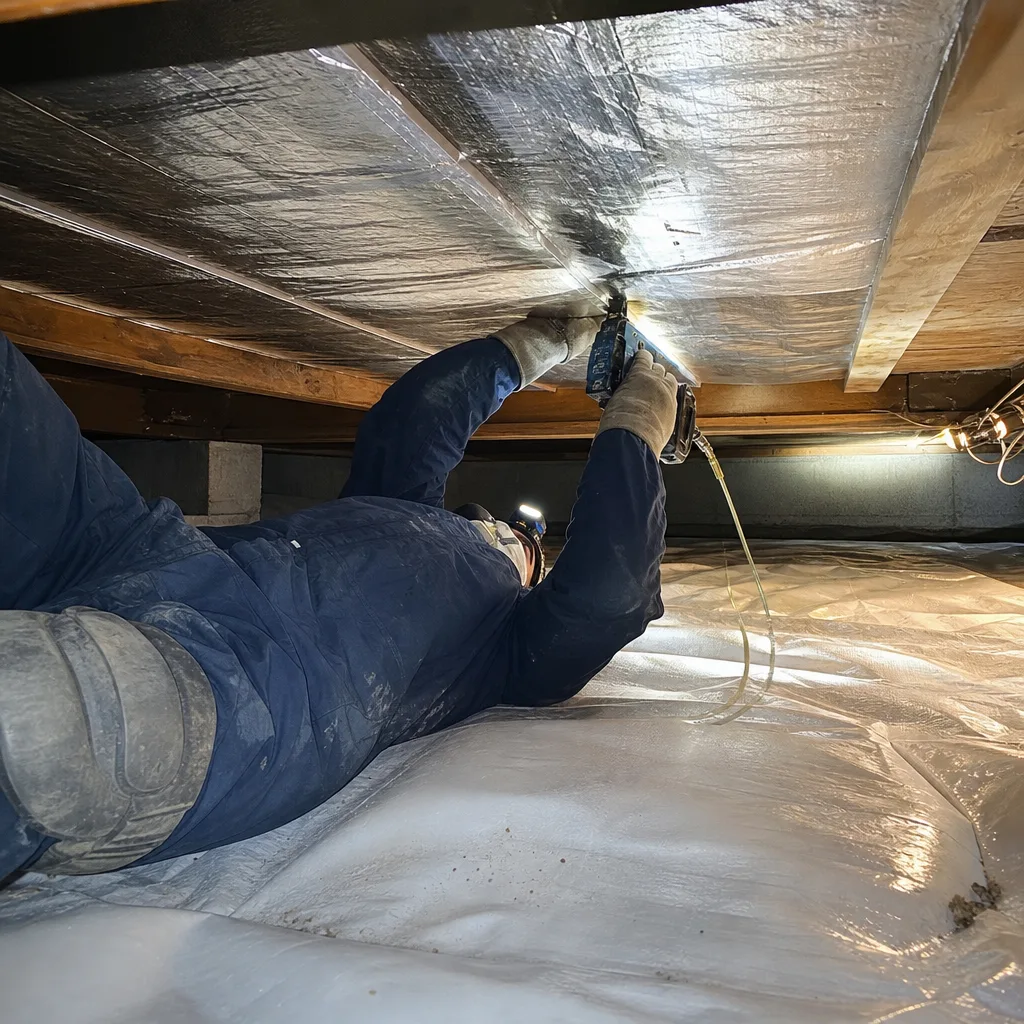
Every attic cleaning and rodent proofing job Envelope Insulation Co. completes in Whittier is covered by the 365-Day Done Right Promise. If it is not done right, we make it right. That applies to the exclusion work, the sanitization, and the insulation installation. The promise is backed by the written scope and written warranty you receive before work starts – not after, not at job close-out, before. That is Haven Standard, and it has applied to every job since 2016.
Wes Okafor structured the company this way because a warranty that only exists in conversation is not a warranty. The written scope tells you what is being done. The written warranty tells you what happens if it is not. Both are in your hands before anyone arrives at your Whittier home.
Key Takeaways
- Attic cleaning and rodent proofing in Whittier runs $1,200 to $4,800 for a typical single-family home; most jobs land between $1,800 and $3,200.
- Rodent exclusion alone costs $400 to $1,200; sanitization adds $300 to $700; insulation removal runs $1.00 to $2.50 per square foot.
- Whittier’s older housing stock, mature tree canopy, and proximity to the Puente Hills make it a high-activity market for roof rats – particularly in East Whittier, South Whittier, and Uptown Whittier neighborhoods.
- Air sealing is completed before any new insulation is installed. Always. Before-and-after blower-door numbers document the result on applicable jobs.
- A written price is provided before any work starts – Haven Standard Clause 1. No exceptions.
- A documented photo record is included on every visit. A 365-Day Done Right Promise covers every completed job.
- Free second opinion on any written estimate. Call (424) 349-7262.
Get a Written Price for Your Whittier Attic
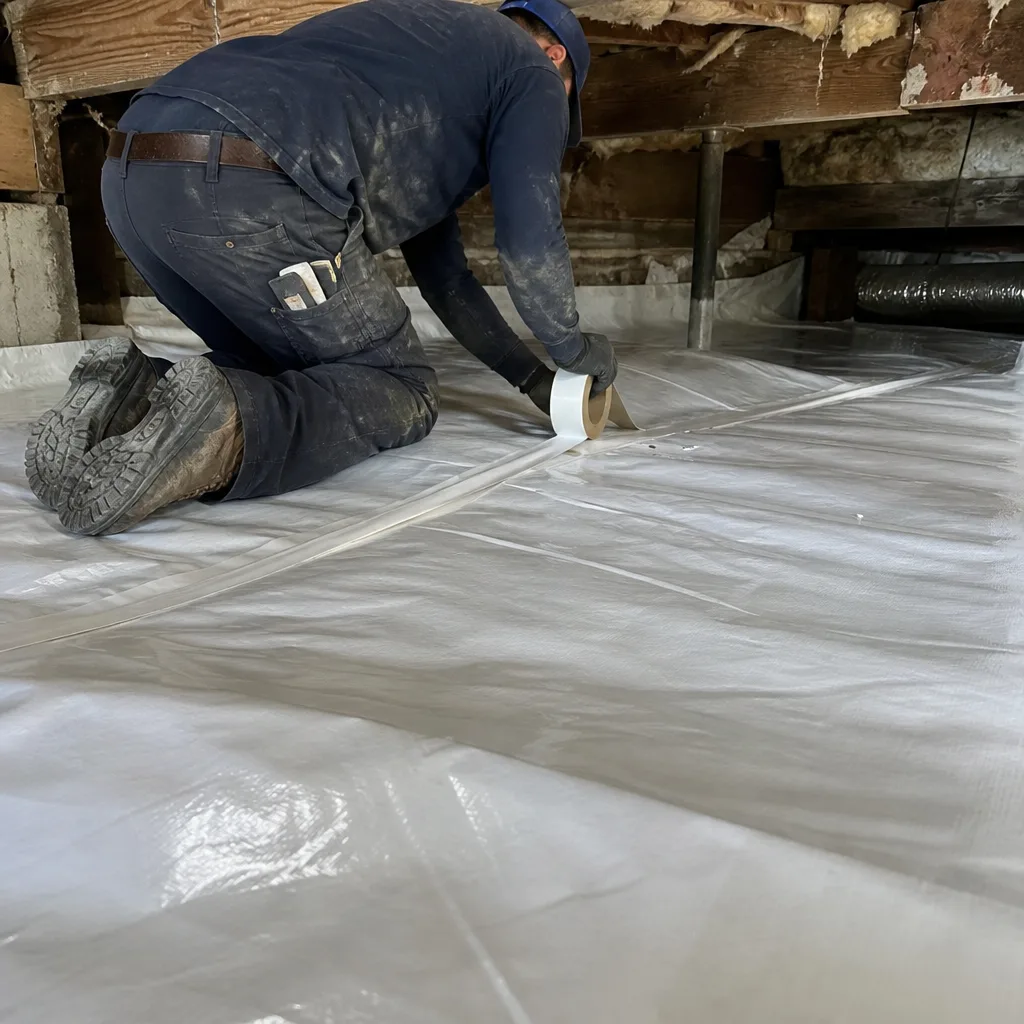
If you are seeing signs of rodent activity in your Whittier home – scratching in the ceiling, droppings in the attic, compressed or discolored insulation – the right next step is an inspection that produces a written number, not a range. Envelope Insulation Co. has been providing documented, written-price Attic Cleaning & Rodent Proofing estimates to Whittier homeowners since 2016, across more than 9,000 homes sealed and insulated under The Haven Standard.
The inspection includes a documented photo record of what we find. The estimate is flat and written before any work starts. There is no obligation, no upsell sequence, and no callback window – a live person answers at (424) 349-7262, 24 hours a day. You can also learn more about our full process on our home page.
Call (424) 349-7262 to schedule your free estimate. Wes Okafor and the Envelope Insulation Co. team serve Whittier and the surrounding communities throughout Los Angeles County.
Written by Wes Okafor, Owner at Envelope Insulation Co. (operating as Topside Attic Insulation Whittier), serving Whittier, CA since 2016.
Pricing reflects the Whittier market as of 2026. Topside Attic Insulation Whittier offers free estimates – call (424) 349-7262.
What Our Customers Say
"Fixed price, clean work, and they hauled the old material away as agreed."
- Todd M."They photographed rodent damage in the old insulation that we had no idea about, and priced the exclusion work separately so we could decide."
- Harriet N."Crawl space encapsulation done properly. Photographs of the vapour barrier at every seam, and the damp smell in the hallway is gone."
- Ainsley P.