
Owens Corning Radiant Barrier Installation: The Whittier Owner’s Guide
Most Owens Corning radiant barrier installations in Whittier run between $1,800 and $3,400 for a typical 1,200-2,000 square foot attic, and we can usually schedule within 48 hours. The price moves with attic square footage, existing insulation condition, and whether your top plates and penetrations need sealing first - which they usually do in Whittier’s 1950s-1970s housing stock. Homeowners typically figure out something’s wrong when their upstairs bedrooms won’t cool below 78°F even after sunset, or when their July electric bill jumps 30% year-over-year despite the AC running constantly.
Which Owens Corning Models This Applies To
Owens Corning doesn’t sell radiant barrier as a standalone branded kit with a model number stamped on the roll. What you’re looking at is either their Atticat radiant barrier blown-in system - the reflective chips blown over existing fiberglass - or a foil-faced rigid board like FOAMULAR NGX used in rafter applications. The blown product has a fine silver flake appearance; the rigid board is pink foam with a foil laminate on one face, marked with the Owens Corning logo and density rating.
To identify what you’ve got, check the attic entry for a specification label left by the original installer, or look for the ICC-ES evaluation report number (Owens Corning products carry ESR-1203 or ESR-2818 for the foam boards). If your home was built between 2005 and 2015 in Whittier’s Friendly Hills or East Whittier neighborhoods, odds are good you have the Atticat blown system - that was the spec during the last major building boom here.
We also stock Reflectix as a quality aftermarket equivalent for homeowners who want a stapled foil barrier rather than blown product. The performance difference is marginal in Whittier’s climate; the real variable is whether your attic floor is sealed first. We are an independent service provider with no affiliation to Owens Corning.
Signs Your Owens Corning Radiant Barrier Installation Is Failing
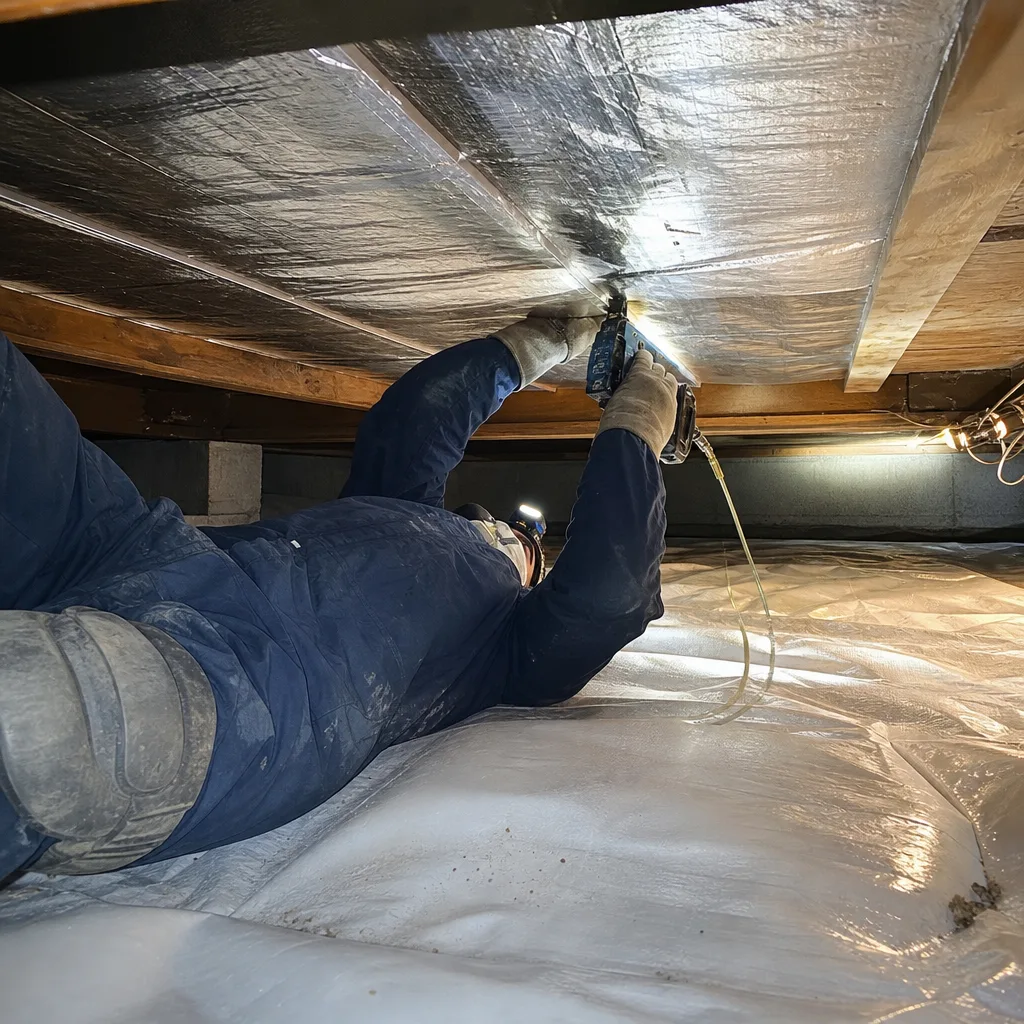
- Hot ceiling patches in late afternoon. The radiant barrier has settled, torn, or been disturbed by rodents, leaving gaps where infrared radiation passes straight through to the drywall below. In Whittier, this shows up first on west-facing rooms around 4 p.m. when the roof deck hits its peak temperature.
- AC runs continuously from 2 p.m. to 8 p.m. Your barrier is still physically present but has lost its reflective surface to dust accumulation or oxidation. A clean foil surface reflects 95% of radiant heat; a dusty one might manage 60%, which means your ductwork in the attic is fighting a losing battle.
- Insulation looks darker on top than below. This means the radiant barrier layer - usually a light, reflective coating - has degraded and the fiberglass beneath is taking direct thermal loading. We see this in Whittier homes near the hills where Santa Ana winds drive fine dust through gable vents.
- Visible tears or sagging in foil sheets. Stapled foil barriers pull loose when attic temperatures cycle past 140°F repeatedly, which happens in unventilated Whittier attics every summer. Once the foil sags, it traps moisture against the rafters and can harbor mold.
- Energy bill spikes in July-September with no rate change. SCE rates shift, but if your usage pattern is flat and the bill jumps, the envelope performance has degraded. We compare your current bill to the same month two years prior to isolate weather and rate effects.
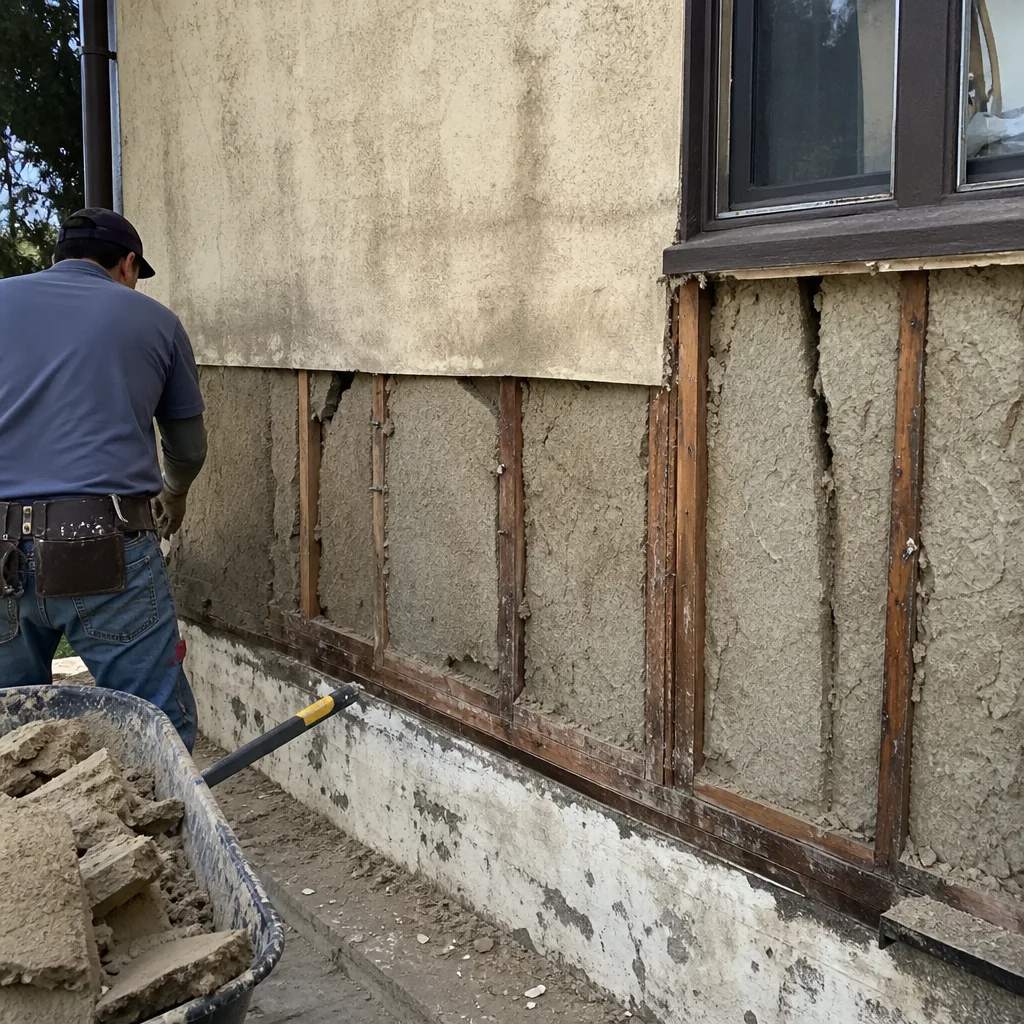 Before
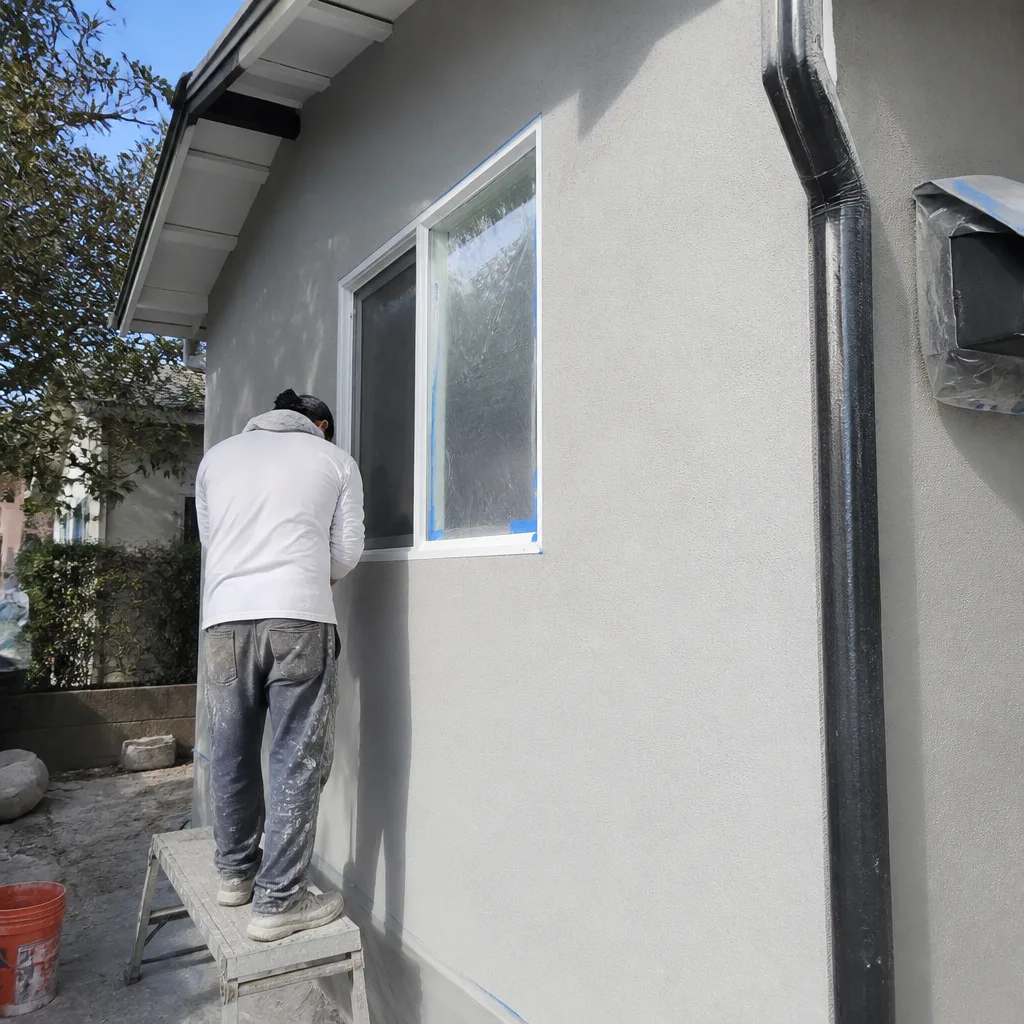 After
AfterReplacement Cost & What’s Included
Here’s how pricing breaks down for Whittier homes:
| Scope | Price Range |
|---|---|
| Radiant barrier only - blown Atticat or stapled foil, attic floor already sealed | $1,800 - $2,600 |
| Radiant barrier + attic air sealing (top plates, can lights, penetrations) | $2,400 - $3,400 |
| Barrier replacement with existing insulation removal (rodent damage, contamination) | $3,200 - $4,500 |
The wide range comes down to three things: attic square footage, accessibility (some Whittier attics have 18-inch truss spacing that slows work), and whether we find thermal bypasses that need sealing first. We don’t blow anything over an unsealed floor - seal it first, then cover it. The insulation is not the fix, it’s the finish.
Every job closes with a Documented Photo Record and, when applicable, before-and-after blower-door numbers so you can verify the air-sealing result in a single figure. Under Haven Standard Clause 1, you get a written price before any work starts and a written warranty when the crew leaves.
DIY or Call Us?
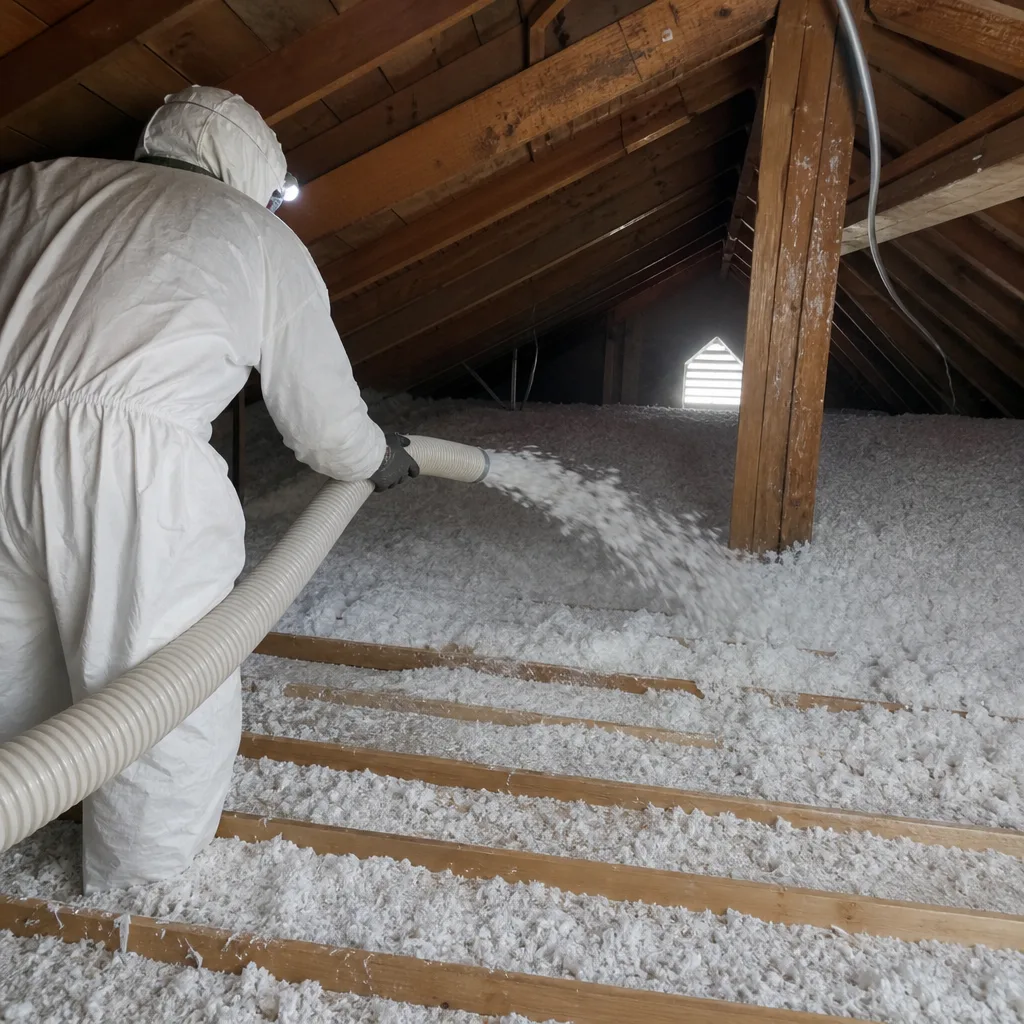
There’s a safe middle ground and a hard stop. What you can check yourself: verify your attic vents aren’t blocked by insulation (look for light coming through the soffit vents), confirm your bathroom exhaust fans actually terminate outside and not into the attic space, and photograph any visible damage to the barrier for documentation. These are observation tasks - no tools, no ladders beyond the attic hatch.
Where DIY goes wrong: stapling new foil over unsealed top plates is like putting a raincoat over a sweater with holes - the heat still finds a path. Blown radiant barrier requires a calibrated hopper and proper depth verification; too thin and it’s decorative, too thick and it compresses the fiberglass beneath, killing R-value. And anything involving ladder work in a 140°F attic with limited headroom is where homeowners get hurt.
We stock Owens Corning-compatible radiant barrier materials on our Whittier trucks, and we can usually inspect within 24 hours. Call (424) 349-7262 for a written estimate - no charge, no pressure, and we’ll read any competing quote with you if you want a second opinion.
FAQs
Blown Atticat product lasts 15-20 years in Whittier’s dry climate before oxidation reduces reflectivity; stapled foil sheets may need re-tensioning at 10-12 years as attic heat cycling loosens staples. The limiting factor is usually dust accumulation from Santa Ana wind events, which we address with proper vent screening during installation. Call (424) 349-7262 for an exact quote - estimates are free.
Localized tears in stapled foil can be patched with matching foil tape, but degraded blown product cannot be selectively repaired - once the reflective coating oxidizes, the entire layer needs replacement. We assess this during inspection and will tell you honestly if a patch is worth the cost. Call (424) 349-7262 for an exact quote - estimates are free.
A typical Whittier attic takes one day for barrier-only work, or two days if we seal first. We arrive with a named technician, text you when we’re on the way, and leave the attic cleaner than we found it - documented with photos. Call (424) 349-7262 for an exact quote - estimates are free.
Yes - we carry both Atticat-compatible blown product and stapled foil rolls, plus Reflectix equivalents, on our Whittier-based trucks. For foam board applications we order to spec, but that’s rare in residential retrofits. Most jobs are same-week once we complete the inspection and written scope. Call (424) 349-7262 for an exact quote - estimates are free.
Written by Wes Okafor, Owner, Topside Attic Insulation Whittier at Topside Attic Insulation Whittier, serving Whittier and nearby areas.