
Owens Corning Vapor Barrier Installation: The Whittier Owner’s Guide
Most Owens Corning vapor barrier installations in Whittier run between $1,800 and $3,400 for a full crawl space or attic application, depending on square footage and whether the old barrier needs removal first. We stock Owens Corning Foamular NGX and ProPink rigid board vapor barrier systems on our trucks, and we can typically schedule installation within 48 hours of your call. Homeowners usually discover the problem during a home inspection, after noticing musty odors in Uptown Whittier’s older bungalows, or when their energy bills spike despite new insulation above.
Which Owens Corning Models This Applies To
Owens Corning produces vapor barrier solutions across several product lines, and matching the right system to your existing assembly matters more than most contractors admit. We install Foamular NGX rigid foam boards (25 psi and 40 psi compressive strength ratings), ProPink unfaced batts with separate poly sheeting for crawl spaces, and the PinkWrap housewrap system for exterior wall applications. The model number you’re looking for is printed on the board edge or batt paper facing, typically starting with “FB” for Foamular or “M” for ProPink manufacturing codes.
Here’s where Whittier homeowners get tripped up: Owens Corning Foamular NGX in the 1-inch thickness has a permeance rating of 1.1 perms, which qualifies as a Class II vapor retarder under California Title 24. The 2-inch version drops to 0.55 perms, making it Class I. If your existing assembly was designed around one permeance class and we install the wrong replacement, you can trap moisture against framing in Whittier’s spring humidity spikes. We verify the existing spec before quoting. Aftermarket equivalents exist from Johns Manville and CertainTeed, but Owens Corning’s NGX line uses a proprietary blowing agent with lower global-warming potential that some green-building certifiers require. We carry both OEM and compatible aftermarket boards; the choice depends on your existing warranty and any HERS rating you’re trying to maintain.
Signs Your Owens Corning Vapor Barrier Installation Is Failing
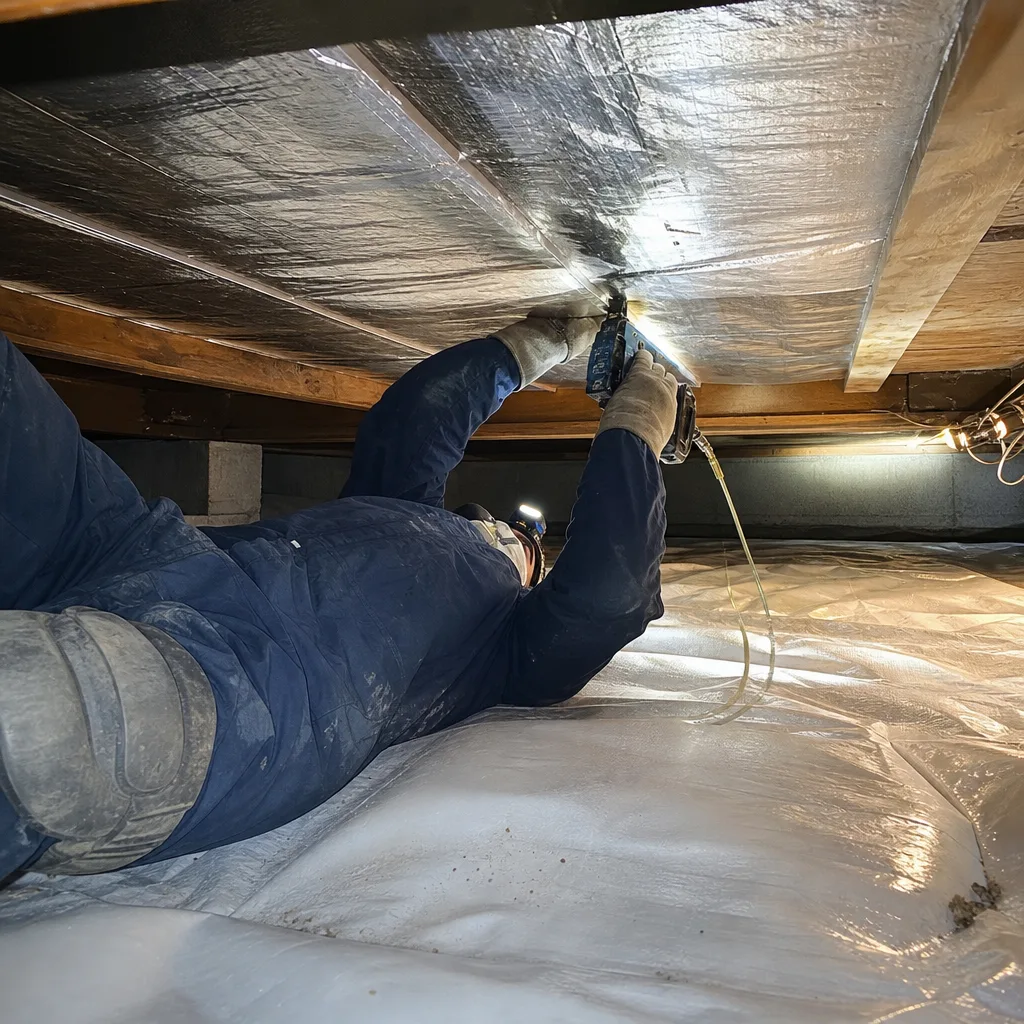
- Condensation pooling on the barrier surface. This means the vapor retarder is doing its job of blocking moisture migration, but the assembly lacks adequate ventilation on the correct side. In Whittier’s clay-heavy soil zones, particularly south of Whittier Boulevard, ground moisture pushes upward through crawl spaces and hits the cooler barrier surface.
- Visible mold or mildew on wooden framing members. Once the barrier fails at seams or penetrations, warm moist air contacts cold surfaces. We see this most often in 1940s and 1950s California bungalows where the original kraft-faced batts have degraded and no secondary poly barrier was ever installed.
- Sagging or torn polyethylene sheeting in crawl spaces. The 6-mil poly common in older Whittier installations becomes brittle after 15-20 years of heat cycling. Owens Corning’s newer 10-mil reinforced products last longer, but the transition point is where most failures begin.
- Insulation that appears damp or compressed. When a vapor barrier fails on the warm side of an assembly, moisture condenses within the insulation itself. Fiberglass loses R-value when wet, and compressed batts in Uptown Whittier’s vented attics are often the first visible clue.
- Musty odors that worsen after rain. This indicates bulk water intrusion, not just vapor diffusion. The barrier may be intact but improperly detailed at the perimeter, or the home lacks proper grading and drainage, common in the flat lots near the San Gabriel River wash.
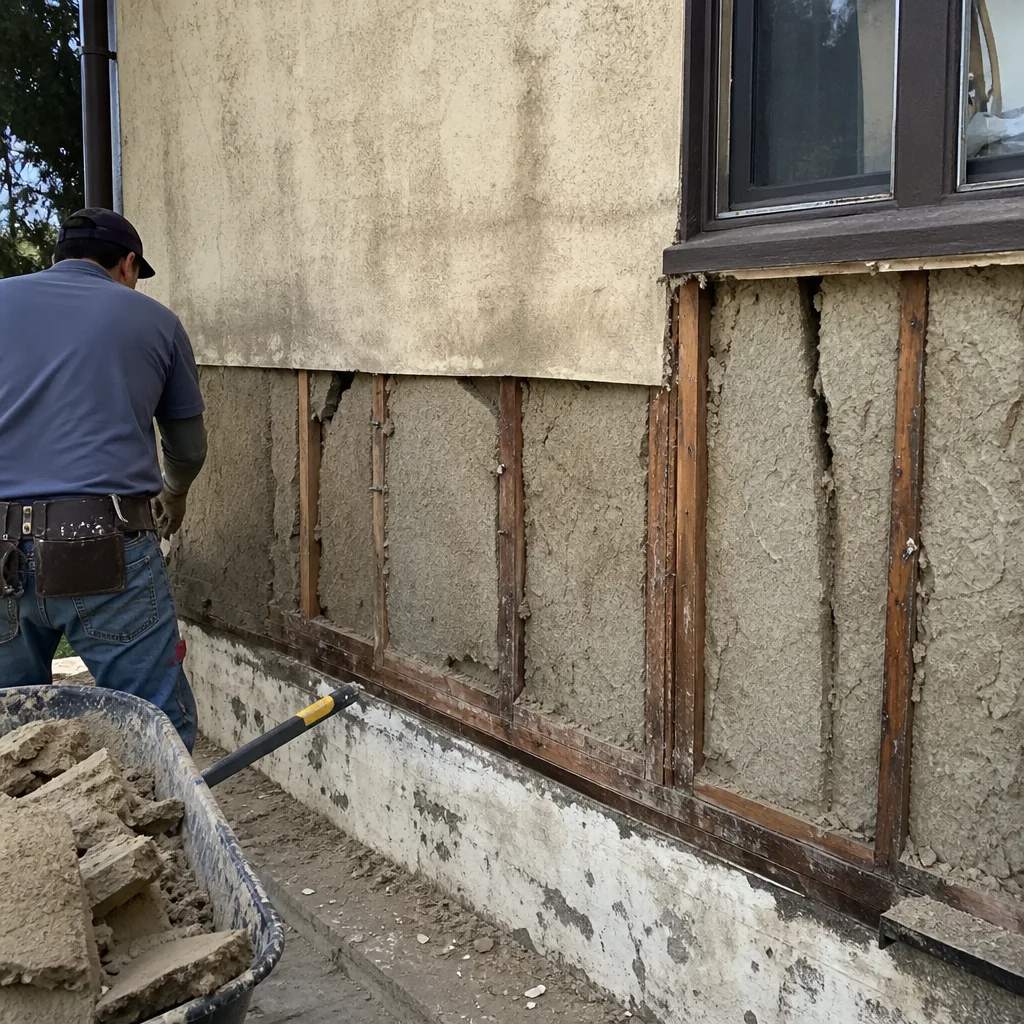 Before
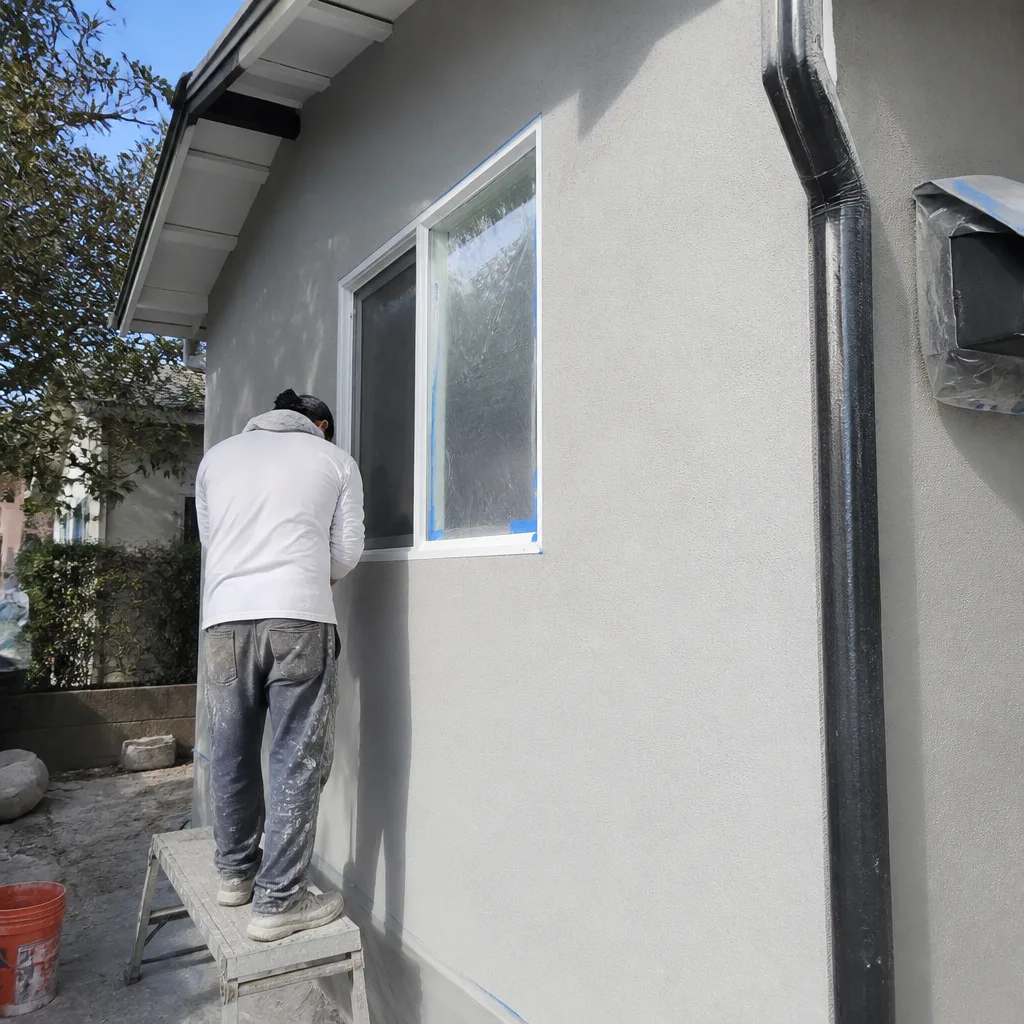 After
AfterReplacement Cost & What’s Included
For a typical Whittier crawl space between 800 and 1,200 square feet, Owens Corning vapor barrier installation runs $1,800 to $2,800. Attic applications with rigid board run higher, $2,400 to $3,400, because of access labor and the need to work around existing HVAC ductwork. What drives the range: whether we’re installing over clean substrate or removing failed material first, the permeance class required by your specific assembly, and whether we need to extend the barrier up foundation walls and seal to the sill plate.
Every quote includes the Owens Corning material, seam sealing with compatible tape, mechanical fastening per manufacturer spec, and our 365-Day Done Right Promise. We deliver a written price before any work starts, a Documented Photo Record showing before-and-after conditions, and on applicable jobs, before-and-after blower-door readings so you can verify we didn’t just cover the problem. We are an independent service provider; Owens Corning does not endorse or warranty our labor.
| Application | Square Footage | Price Range |
|---|---|---|
| Crawl space, 6-mil poly replacement | 800-1,200 sq ft | $1,800 – $2,400 |
| Crawl space, rigid board (Foamular NGX) | 800-1,200 sq ft | $2,200 – $2,800 |
| Attic, rigid board with air sealing | 1,000-1,500 sq ft | $2,400 – $3,400 |
| Perimeter wall extension to sill plate | Linear foot add-on | $8 – $14/ft |
DIY or Call Us?
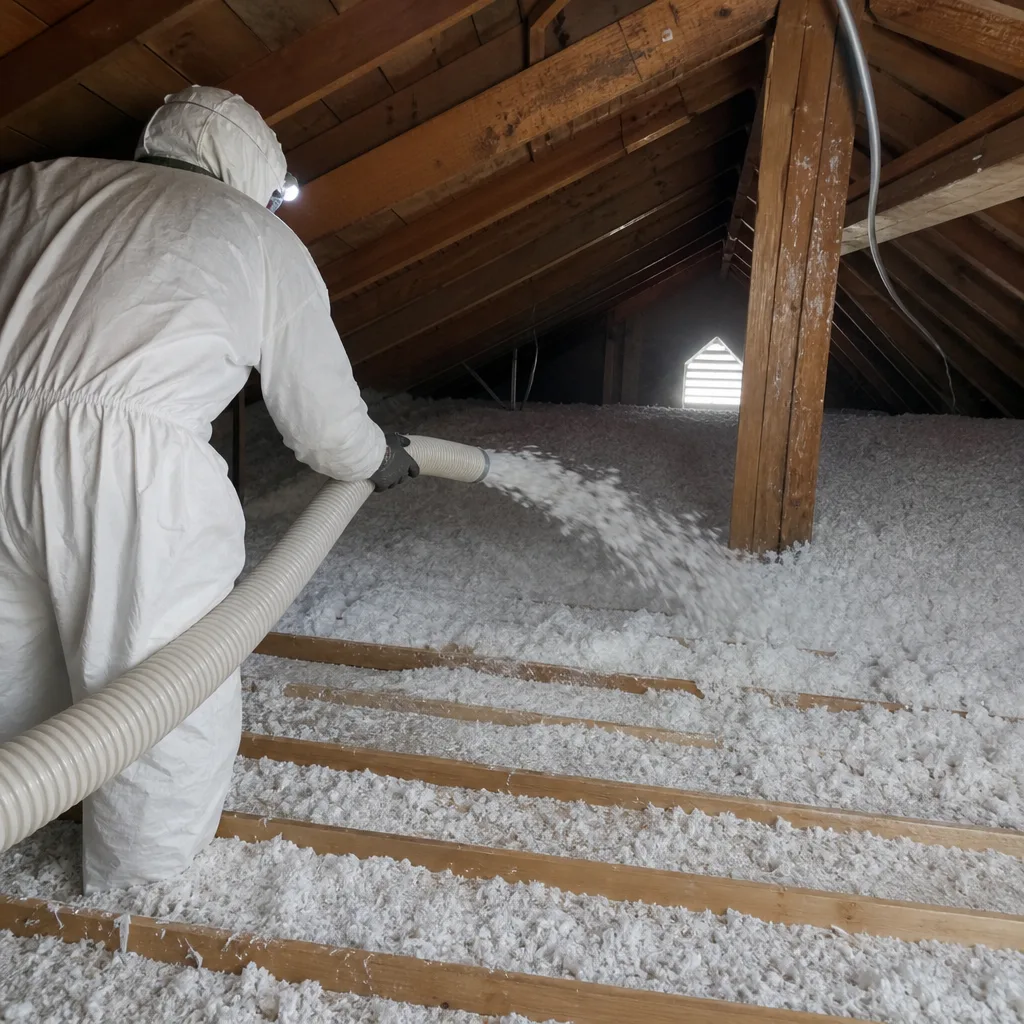
You can safely inspect your own vapor barrier with a flashlight and a moisture meter from the hardware store. Look for tears at seams, gaps at the perimeter, and any pooling water. What you cannot safely assess is whether the assembly is vapor-retarding on the correct side of the wall or ceiling for your climate zone. California’s Title 24 places Whittier in Climate Zone 10, which means vapor retarders generally belong on the exterior in air-conditioned homes, but many 1950s bungalows were built with interior placement that becomes problematic after HVAC upgrades.
Installing rigid board vapor barriers in attics involves working near electrical runs and in confined spaces with fall hazards. Crawl space work means confined-space entry, proper respirator use, and knowing when disturbed soil indicates a previous rodent issue that needs addressing first. We also stock Reflectix radiant barriers for hybrid assemblies where both vapor control and radiant heat rejection are needed. If you’re unsure which assembly you have, call (424) 349-7262. We’ll read your existing setup with you and give you a free second opinion on any written estimate you’ve already received.
FAQs
Properly installed Owens Corning Foamular NGX rigid board should perform for 25 to 30 years in Whittier’s climate, though the 6-mil poly sheeting used in older installations typically degrades in 15 to 20 years due to heat cycling in vented crawl spaces. The key variable is installation quality, specifically whether seams were sealed and perimeter edges were terminated to grade. Call (424) 349-7262 and we’ll inspect what you have and tell you honestly whether it’s time.
Small punctures or seam separations under two linear feet can be patched with Owens Corning-compatible tape if the surrounding material is still flexible, but widespread embrittlement or multiple failure points mean replacement is more cost-effective than chasing individual leaks. We document this with photos during our inspection so you can see the difference between patchable and spent material. Estimates are free.
A typical crawl space vapor barrier replacement in a Whittier home takes one day for crews of two technicians; attic rigid board applications usually run one to two days depending on ductwork complexity and whether we’re air-sealing top plates first. We never blow insulation over an unsealed attic floor. Seal it first, then cover it, the insulation is not the fix, it’s the finish.
We carry Foamular NGX in 1-inch and 2-inch thicknesses, ProPink unfaced batts in common widths, and the full range of Owens Corning-compatible seam tapes and fasteners. For less common thicknesses or specialized applications, we pull from our supplier in the San Gabriel Valley with next-day availability. We also stock Johns Manville, Knauf, and CertainTeed equivalents when the job spec calls for them.
Written by Wes Okafor, Owner, Topside Attic Insulation Whittier at Topside Attic Insulation Whittier, serving Whittier and nearby areas.