
Knauf Attic Insulation: The Whittier Owner’s Guide
Knauf attic insulation installed in Whittier homes typically runs $1.80 to $3.40 per square foot depending on R-value target and existing conditions, and we stock Knauf EcoFill, Jet Stream, and Insulation Board products for same-day starts on most jobs. Most Whittier homeowners discover their Knauf insulation is underperforming when their summer cooling bills spike above $400 on a 1,500-square-foot home, or when a home inspector flags compressed or displaced batts during a sale. We see this pattern constantly in the older Uptown bungalows and the 1970s ranch homes south of Whittier Boulevard, where original Knauf fiberglass was often installed at R-19 or less and has settled below the attic floor joists.
Which Knauf Models This Applies To
We work with the full Knauf residential line: EcoFill Wx blown-in fiberglass (the white bags with green labeling, typically R-38 to R-60 in attic applications), Jet Stream Ultra loose-fill (higher density, used in sloped ceilings and when netting is required), and Knauf Insulation Board (rigid foam-faced boards, R-3.6 to R-6.0 per inch, used for knee walls or attic hatches). The critical compatibility gotcha in Whittier’s mixed housing stock is matching the original product type, not just the R-value. Blown-in over existing batts creates a double vapor retarder trap if the original Knauf faced batts weren’t removed first. We check for this on every walk-through.
To identify what you have: look for the pinkish-white fiberglass with the Knauf logo tape on bag remnants, or the stamped ink on any remaining batts showing density and R-value. If you’re adding to existing Knauf, the new product must match the original’s thermal resistance per inch or you’ll get thermal drift at the interface. We carry both OEM Knauf and spec-equivalent Johns Manville and Owens Corning when the original Knauf line has been discontinued, which happens more often than homeowners expect with the EcoFill Wx series revisions.
Signs Your Knauf Attic Insulation Is Failing
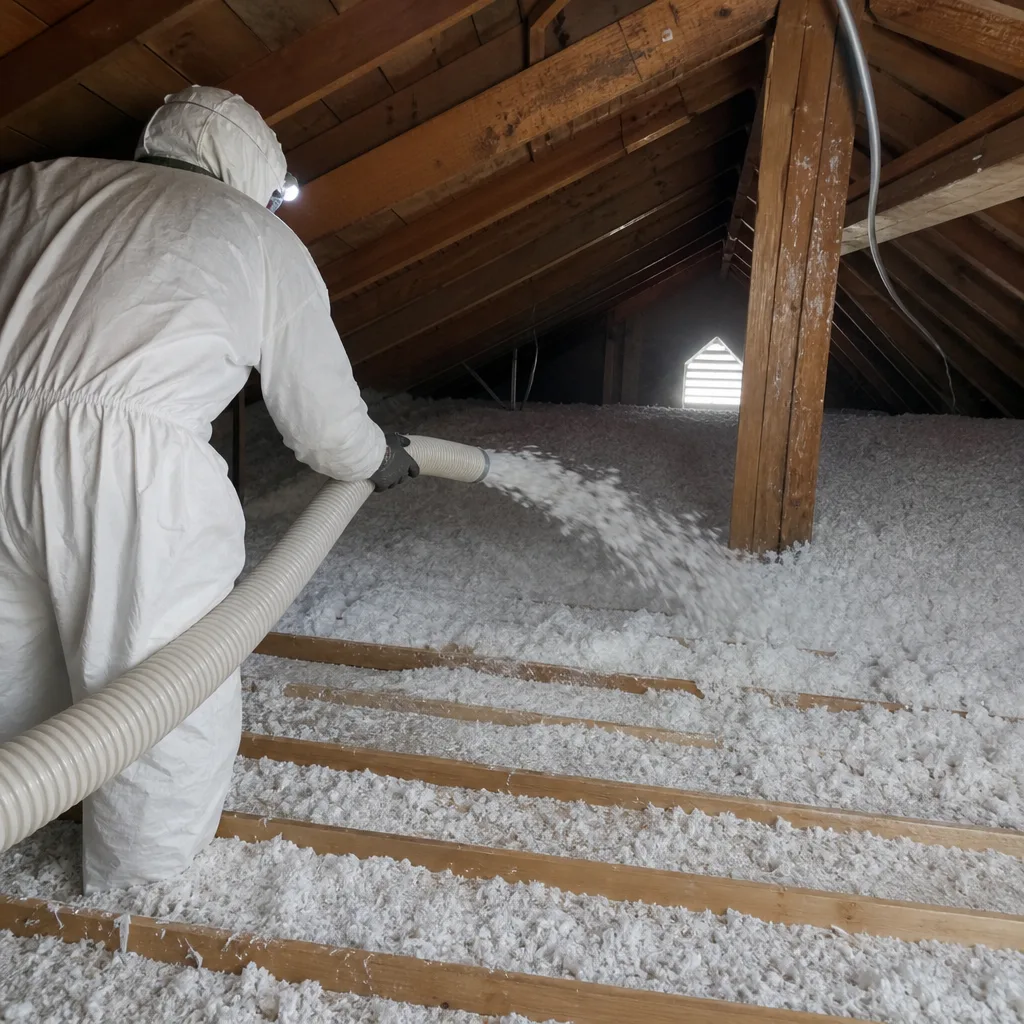
- Uneven temperature rooms below the attic. Hot spots in summer directly under areas where Knauf batts have slid off sloped ceilings or where blown-in has migrated away from eaves. The underlying cause is usually missing baffling or compression from stored items.
- Ice damming or heavy condensation on roofing nails. In Whittier’s occasional winter cold snaps, warm attic air meeting cold sheathing produces frost that melts and stains ceilings. This means your Knauf insulation has gaps at the top plates or around penetrations, letting conditioned air bypass it entirely.
- Insulation sitting below the joist tops. Knauf blown-in settles 10-15% in the first two years if not installed to finished depth plus settlement. We measure with a ruled probe; anything below the joist plane in a Whittier home built before 1990 is almost certainly underperforming.
- Rodent disturbance or nesting material. Fiberglass doesn’t rot, but rodents compress it into useless mats and contaminate it. We find this frequently in the crawl space-attic interface homes near Hellman Park, where older Knauf batts were never sealed at the rim joist.
- Home energy audit flagging ACH50 above 10. Air changes per hour at 50 pascals - a blower-door measurement showing how leaky your envelope is. Even perfect Knauf insulation can’t perform if the air sealing was skipped, which was standard practice in Whittier tract builds through the early 2000s.
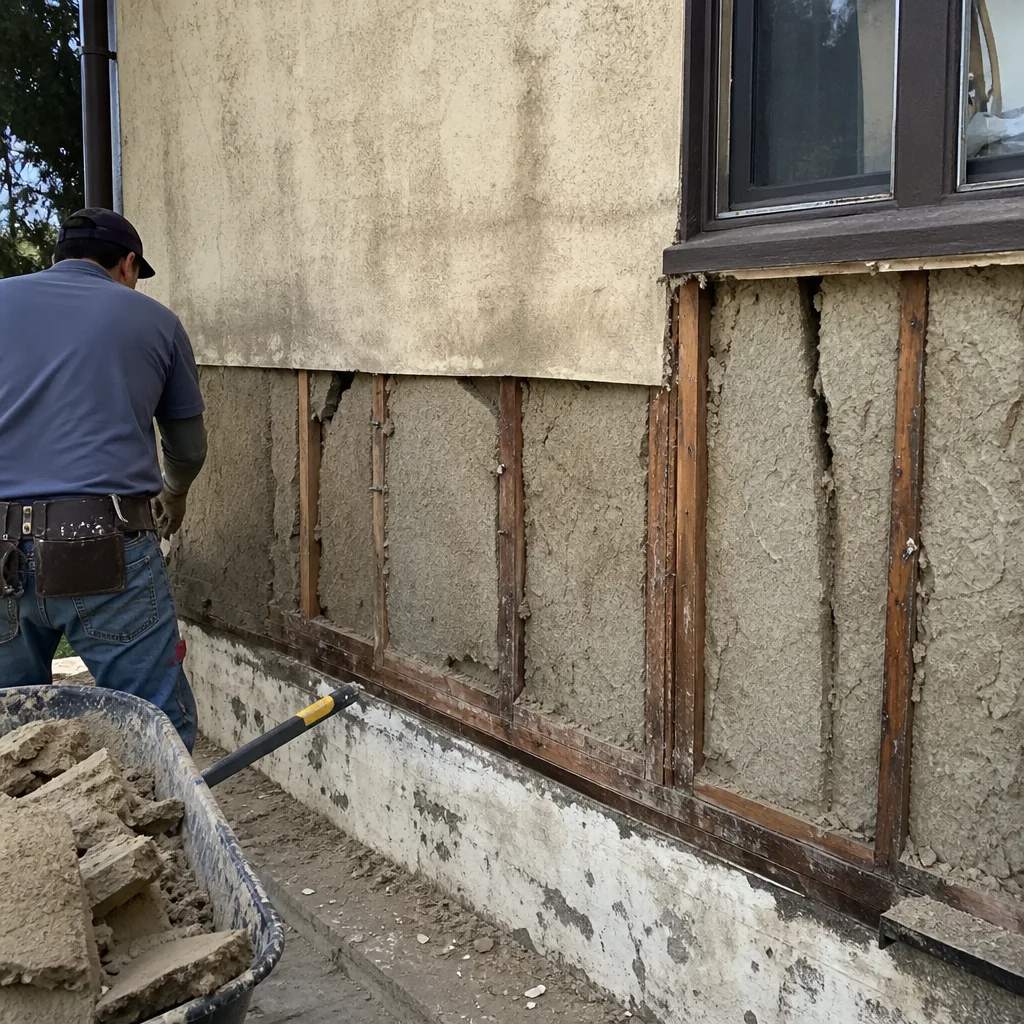 Before
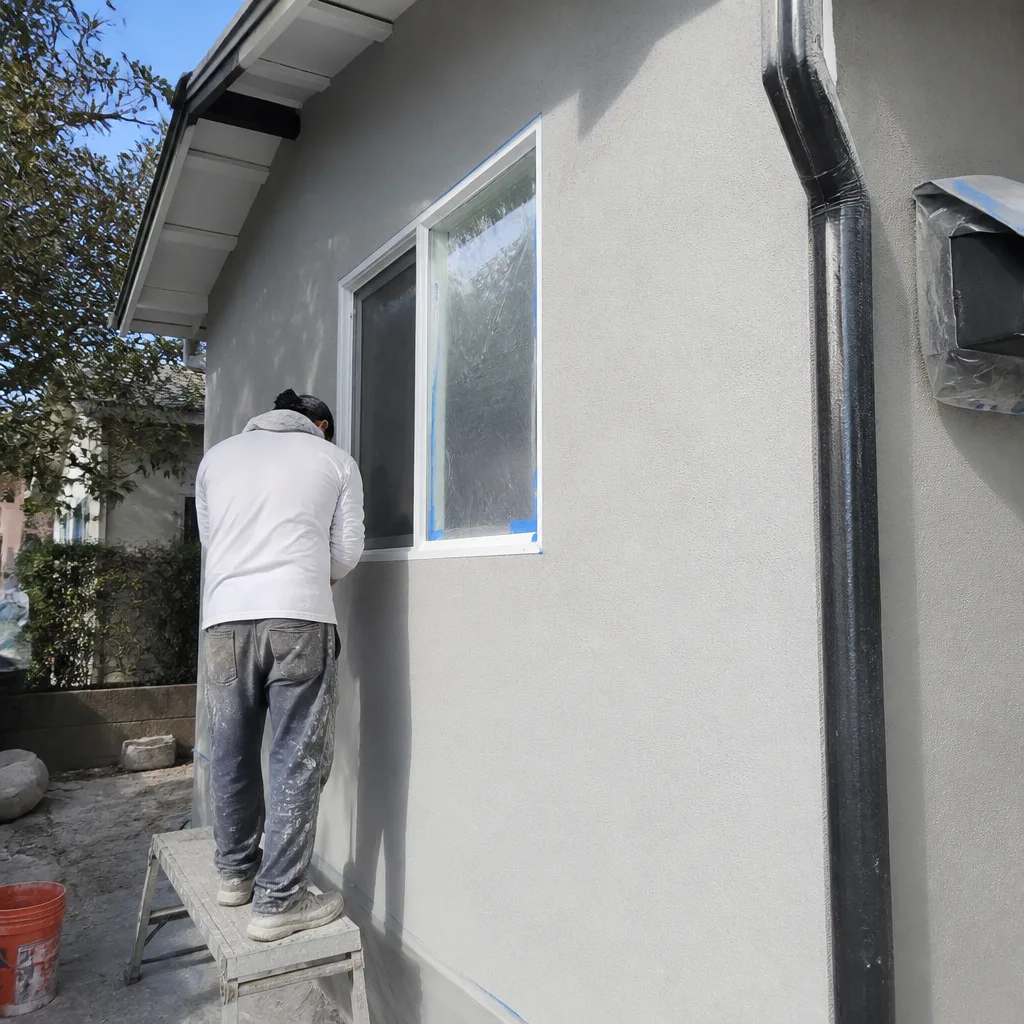 After
AfterReplacement Cost & What’s Included
| Scope | Typical Range (Whittier) |
|---|---|
| Knauf EcoFill Wx blown-in, R-38, 1,000 sq ft attic | $1,800 - $2,400 |
| Knauf EcoFill Wx blown-in, R-49, 1,500 sq ft attic | $3,200 - $4,400 |
| Removal of existing degraded Knauf + disposal | $0.75 - $1.25/sq ft |
| Attic air sealing (top plates, penetrations, can lights) | $450 - $850 |
| Knauf Insulation Board attic hatch cover | $180 - $280 |
What drives the range: attic square footage is obvious, but access difficulty matters more than people expect. A 12/12 pitch roof over a Whittier Hills home with a scuttle hole adds labor versus a full staircase in a Friendly Hills ranch. We also factor in whether we’re adding to existing Knauf or removing first - removal adds 30-40% to the job but is non-negotiable when the original is compressed, contaminated, or improperly installed faced batts that trap moisture.
Every Knauf insulation job we complete includes our written scope, the 365-Day Done Right Promise, and a Documented Photo Record showing before and after conditions. On jobs where air sealing is performed, we provide before-and-after blower-door numbers so you can verify the actual performance change, not just the material depth.
We source Knauf through standard distribution - no proprietary lock-in, no exclusive claims. We also stock Reflectix radiant barrier when the Whittier roof configuration calls for it.
DIY or Call Us?
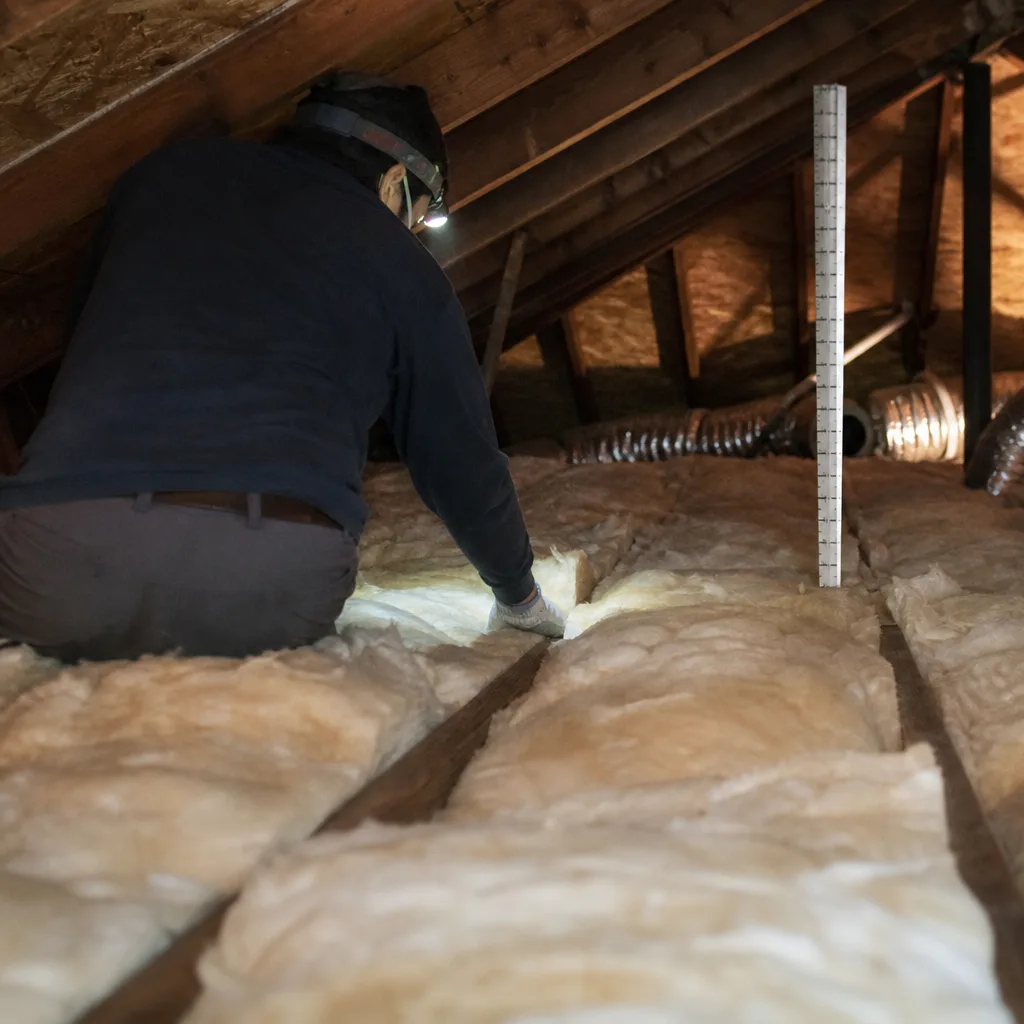
Here’s what you can safely check yourself: measure your current insulation depth with a ruler or yardstick pushed to the drywall, look for the Knauf labeling on any bag remnants, and photograph any obvious gaps, compressed areas, or rodent damage. Do not disturb vermiculite or pre-1990 loose-fill without asbestos testing - we can arrange that.
Where DIY goes wrong: attic work in Whittier’s older homes means navigating 24-inch on-center joists over lath-and-plaster ceilings that won’t support a misplaced foot. More critically, adding new Knauf over unsealed air leaks is the most common shortcut we correct. The insulation performs maybe 40% of its rated value when conditioned air is streaming past it through top-plate gaps and recessed light housings. Wes Okafor has pulled apart enough of these jobs to know: seal it first, then cover it - the insulation is not the fix, it’s the finish.
We stock Knauf EcoFill Wx and Jet Stream on our trucks for Whittier jobs, and we can usually start within 48 hours. Call (424) 349-7262 for a written price before any work starts - that’s Haven Standard Clause 1, no exceptions.
FAQs
Knauf fiberglass itself doesn’t degrade chemically, but its installed performance drops after 15-25 years due to settlement, compression, and air leakage that accumulates regardless of the material. In Whittier’s combination of hot, dry summers and occasional winter moisture, the bigger threat is attic air movement carrying dust and cooking oils into the fiberglass, which gradually reduces its loft. We see original Knauf installations from the 1990s performing at roughly half their labeled R-value. Call (424) 349-7262 and we’ll measure what you actually have - estimates are free.
Spot repair works only when the existing Knauf is uncontaminated, reasonably level, and was originally installed to sufficient depth. We can add blown-in to reach R-38 or R-49 over intact batts if the air sealing is already complete. If the original is compressed below the joists, rodent-damaged, or faced batts were installed wrong, partial repair costs more long-term than removal and proper reinstall. We give you both numbers in writing before you decide.
Most Whittier homes in the 1,200-2,000 square foot range take one full day for removal and replacement, or a half-day if we’re adding over sound existing insulation with air sealing only. Jobs requiring extensive top-plate sealing in tight attic spaces - common in the 1940s Uptown cottages - may run into a second day. We tell you the schedule in the written scope, not after we start.
We carry Knauf EcoFill Wx and Jet Stream Ultra on our Whittier-area trucks, and we pull Knauf Insulation Board from our local supplier with 24-hour notice. We do not stock every R-value variant, but we can match your specific requirement without manufacturer delays. Call (424) 349-7262 to confirm availability for your job date - estimates are free and include exact material specification.
Written by Wes Okafor, Owner, Topside Attic Insulation Whittier at Topside Attic Insulation Whittier, serving Whittier and nearby areas.