
Knauf Crawl Space Encapsulation: The Whittier Owner’s Guide
Knauf crawl space encapsulation systems in Whittier typically run $3,800-$6,200 installed for a standard 1,200-square-foot crawl space, and we stock the full Knauf vapor barrier and seam-tape line for same-day starts on most jobs. Most homeowners figure out something’s wrong when the musty smell won’t quit or their hardwood floors start cupping, even though the crawl space “looks fine” from the access door. We see this pattern constantly in Whittier’s 1950s-1970s stock, where original Knauf barriers have aged past their useful life or were never fully sealed at the perimeter to begin with.
Which Knauf Models This Applies To
Knauf doesn’t sell crawl space encapsulation as a single branded “system” the way some manufacturers do. Instead, Whittier homeowners usually have one of three Knauf product configurations: a Knauf Insulation vapor barrier (6-mil or 10-mil polyethylene sheeting, often paired with Knauf kraft-faced fiberglass batts above), a Knauf Ecoseal-compatible assembly where the barrier was taped with Knauf’s own acrylic seam tape, or a mixed-spec job where a previous contractor used Knauf barrier material with third-party tape or fasteners. The compatibility gotcha is in the tape: Knauf’s acrylic seam tape bonds chemically with its own polyethylene formulation, and substituting generic duct tape or even some other “crawl space tapes” creates a failure point we find on about 30% of Whittier callback inspections. To identify what you have, look for the Knauf logo printed on the barrier itself, usually every 24 inches along the roll edge, and check whether the tape residue is white/tan (Knauf acrylic) or silver/gray (wrong product applied).
We also stock parts for Reflectix radiant barrier systems commonly found in mixed assemblies. We’re an independent service provider, not affiliated with Knauf.
Signs Your Knauf Crawl Space Encapsulation Is Failing
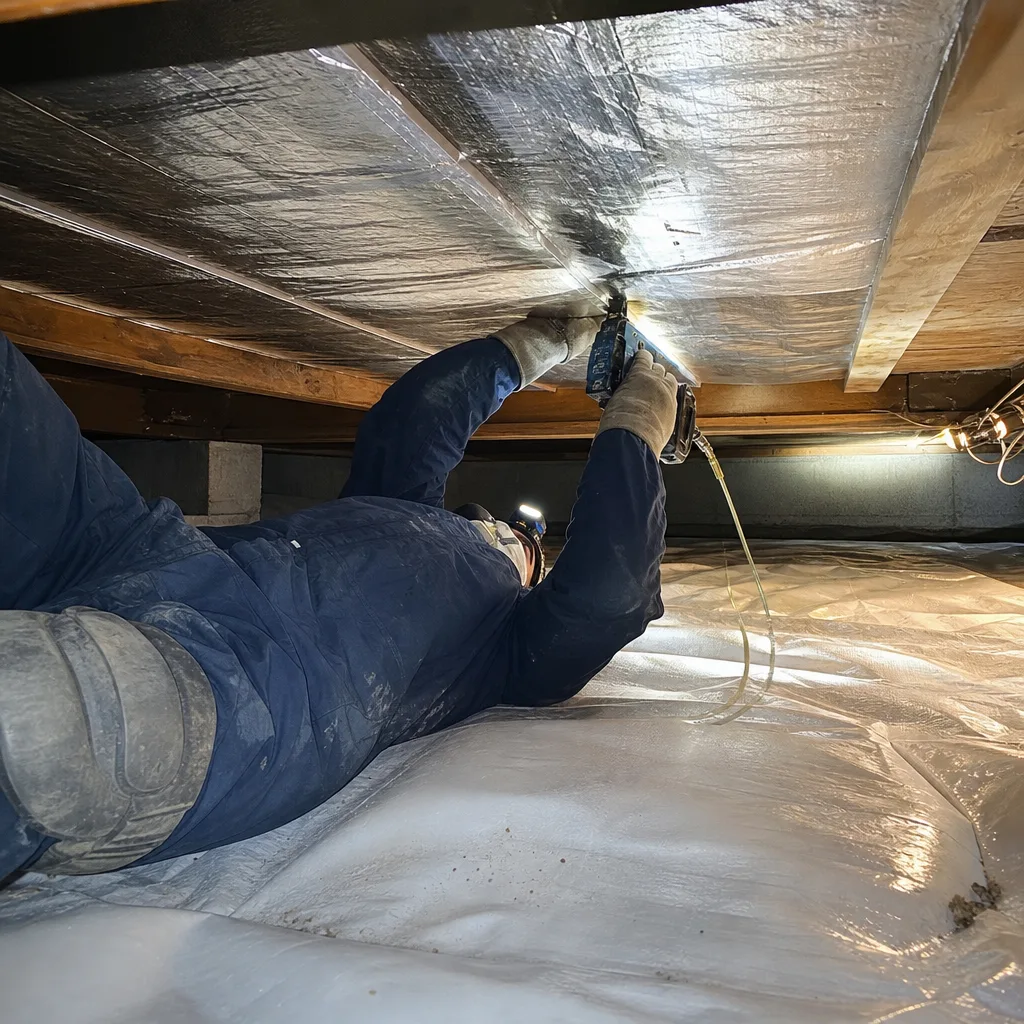
- Persistent musty odor that vents upstairs. The Knauf barrier has torn at a seam or perimeter edge, letting soil gas and moisture bypass the seal. In Whittier’s clay-heavy soils near the San Gabriel River basin, this happens faster where groundwater wicks up through foundation vents.
- Cupping or buckling hardwood floors above the crawl space. Moisture is migrating through an incomplete or degraded barrier, raising the equilibrium moisture content of the subfloor. We measure this with a pinless moisture meter; readings above 14% mean the vapor barrier isn’t doing its job.
- Visible condensation on ductwork or plumbing. The Knauf barrier’s R-value contribution is minimal, its purpose is air and vapor sealing. When gaps form, warm humid exterior air meets cool conditioned surfaces and condenses, especially on Whittier’s rare summer spikes above 95°F.
- Mold spotting on floor joists or insulation batts. Knauf kraft-faced batts above a failing barrier act as a condensation surface. The paper facing, not the fiberglass itself, supports mold growth once relative humidity in the crawl space stays above 70%.
- Pest activity increase. Gaps in barrier seams create harborage and travel paths. We find this particularly where the original installer skipped mechanical fastening at the foundation wall terminus, a detail Knauf specifies but not every crew executes.
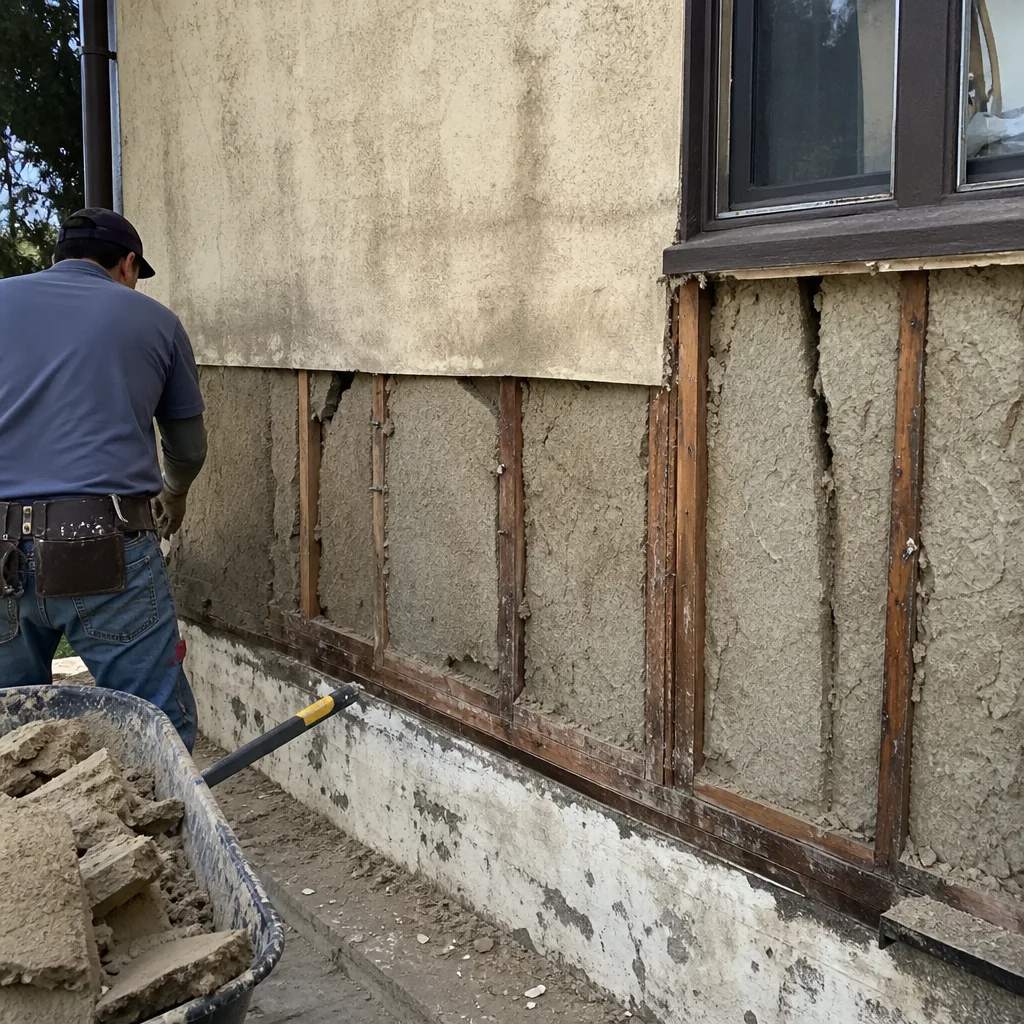 Before
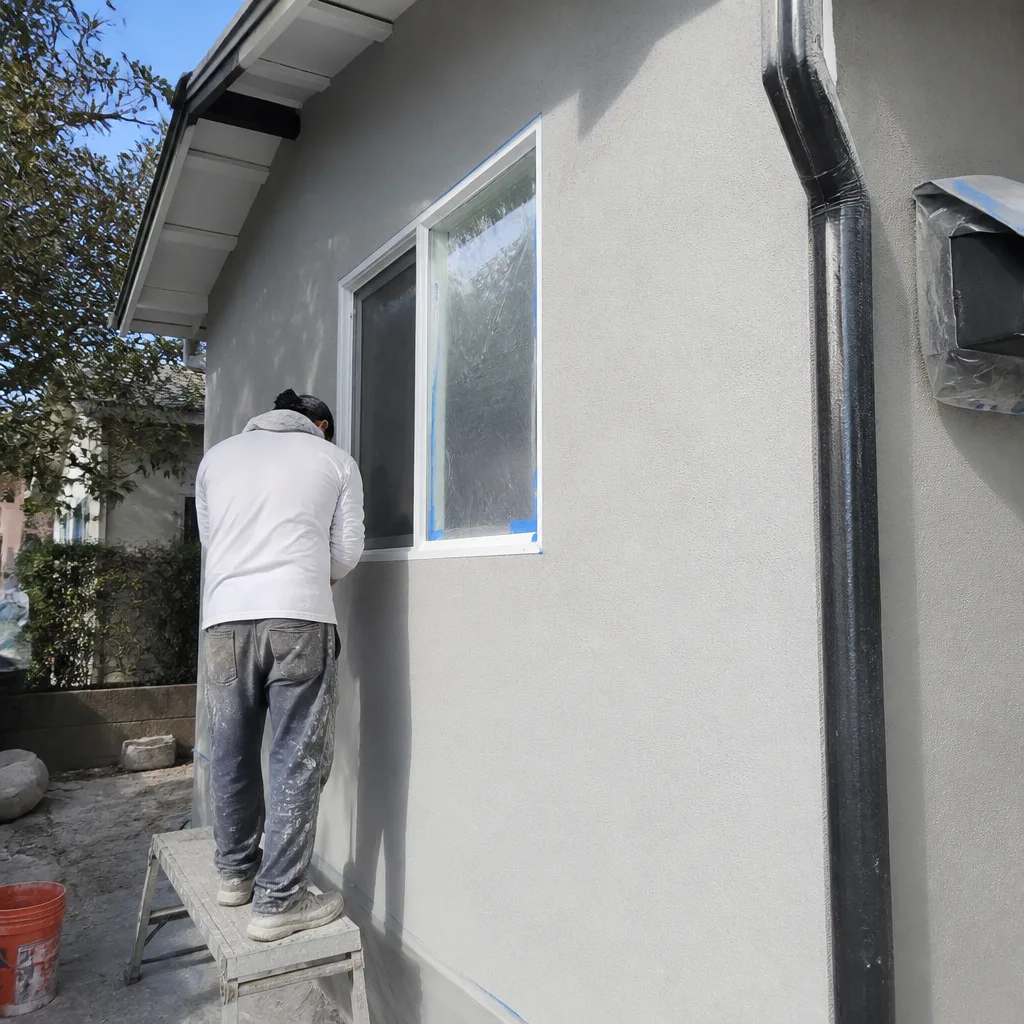 After
AfterReplacement Cost & What’s Included
Most full Knauf crawl space encapsulation replacements in Whittier run $3,800-$6,200 for a typical 1,200-square-foot footprint. The range depends on three factors: whether we need to remove and dispose of failed existing material ($400-$800 if there’s extensive mold-contaminated insulation), how many piers and penetrations require custom cutting and sealing (more piers, more labor), and whether the foundation walls need surface prep for proper tape adhesion. Our price includes Knauf 10-mil reinforced polyethylene barrier, Knauf-compatible acrylic seam tape, mechanical fastening at all terminations, and perimeter sealing to the foundation wall. We don’t start without a written price, and every job closes with a Documented Photo Record showing seam details and completed coverage. The 365-Day Done Right Promise applies to all encapsulation work.
DIY or Call Us?
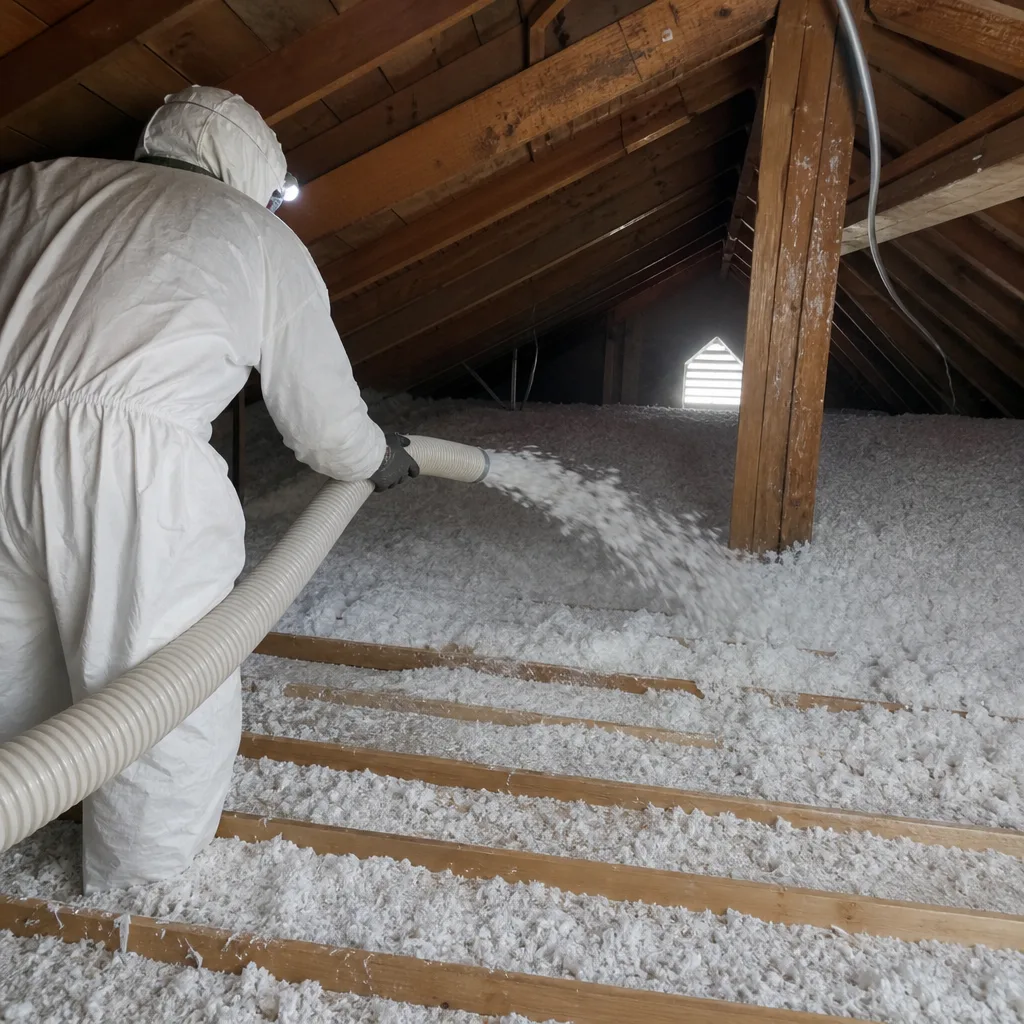
There’s a safe middle ground here. A homeowner can check the barrier for visible tears, confirm whether tape is lifting at seams, and verify that the perimeter isn’t gaping at foundation walls. What you can’t safely assess is whether soil gas is migrating through micro-gaps you can’t see, or whether your current assembly meets California’s Title 24 moisture control requirements for conditioned crawl spaces. The real DIY failure mode is incomplete sealing, you think you’ve solved it, but you’ve just moved the moisture problem to a different assembly layer where it costs more to fix later. Crawl space work also involves confined-space entry, sharp fasteners, and working around electrical and plumbing in tight quarters. Seal it first, then cover it, the insulation is not the fix, it’s the finish. If you’re unsure what you’re looking at, call (424) 349-7262 and we’ll walk through it with you, no charge for the conversation.
FAQs
A properly installed Knauf 10-mil barrier with correct acrylic seam tape should last 15-20 years in Whittier’s climate, though we’ve seen premature failures at 8-10 years where the original installer skipped mechanical fastening or used incompatible tape. The clay soils and seasonal groundwater fluctuation in parts of Whittier near the Rio Hondo corridor accelerate perimeter degradation if the wall seal isn’t detailed correctly. Call (424) 349-7262 for an exact condition assessment, estimates are free.
Patching works for isolated tears smaller than a square foot if the surrounding material is still supple and the original tape is Knauf-compatible acrylic. We don’t recommend patching when the barrier is brittle, extensively taped with wrong materials, or when mold has compromised adjacent insulation, the repair becomes a recurring cost. Most Whittier homeowners who’ve tried patching call us within two years for the full replacement they needed originally. Call (424) 349-7262 and we’ll tell you honestly which category you’re in.
A standard 1,200-square-foot crawl space with crew access takes one to two working days: half a day for removal and surface prep, half to full day for installation and sealing, plus drying time if we applied any mold remediation treatment. Jobs in Whittier’s older Uptown district sometimes run longer due to tighter crawl spaces or buried debris from previous renovations. We give you a written schedule with the written price before anyone starts.
We stock Knauf 10-mil reinforced barrier, acrylic seam tape, and mechanical fasteners on every Whittier-area truck, so most jobs start same-day or next-day once the written price is approved. We don’t stock the lighter 6-mil grade, it’s not worth installing in our climate zone. If your job requires custom sizing for an unusual footprint, we can typically have material within 24 hours. Call (424) 349-7262 to confirm current truck stock for your specific layout.
Written by Wes Okafor, Owner, Topside Attic Insulation Whittier at Topside Attic Insulation Whittier, serving Whittier and nearby areas.