
Rockwool Radiant Barrier Installation: The Whittier Owner’s Guide
Rockwool radiant barrier installation in Whittier typically runs $2,800-$4,600 for a standard 1,200-1,800 sq ft attic, and we stock the full Rockwool AFB (Acoustical Fire Batt) and Comfortbatt line for same-day starts on most jobs. Most Whittier homeowners figure out something’s wrong when their second floor won’t cool below 78°F even after sunset, or when their July electric bill jumps 30% year-over-year despite the AC never shutting off. That’s usually the point where someone climbs into the attic and finds the original radiant barrier either delaminated, improperly stapled with gaps over 2 inches, or missing entirely above the southwest-facing slope where Whittier’s afternoon sun hits hardest.
Which Rockwool Models This Applies To
Rockwool doesn’t manufacture a standalone radiant barrier product; instead, their stone wool insulation pairs with reflective foil facing or is installed beneath a separate radiant barrier substrate. The two Rockwool lines we see in Whittier attics are Comfortbatt (thermal, R-15 to R-23 for 2×4 and 2×6 framing) and AFB evo (acoustical fire batt, common in Uptown’s 1950s-1970s retrofits). The critical match is between the batt thickness and the cavity depth. Comfortbatt R-23 is 5.5 inches thick; jam it into a 2×4 cavity and you’ll compress the fibers, dropping the effective R-value and creating thermal bypasses where air moves around the batt.
The OEM spec calls for either kraft-faced Comfortbatt with the facing toward the conditioned space in winter, or unfaced batts with a separate perforated radiant barrier foil stapled to the underside of the rafters with ¾-inch overlap at seams. We also stock aftermarket foil substrates from Reflectix when the job calls for a standalone barrier rather than an integrated facing. The gotcha in Whittier’s older stock: many Uptown bungalows have 2×4 rafters at 24-inch centers, not 16. Standard-width batts will sag and leave gaps. We measure on site; “R-19” on the bag means nothing if the batt doesn’t fill the cavity edge to edge.
Signs Your Rockwool Radiant Barrier Installation Is Failing
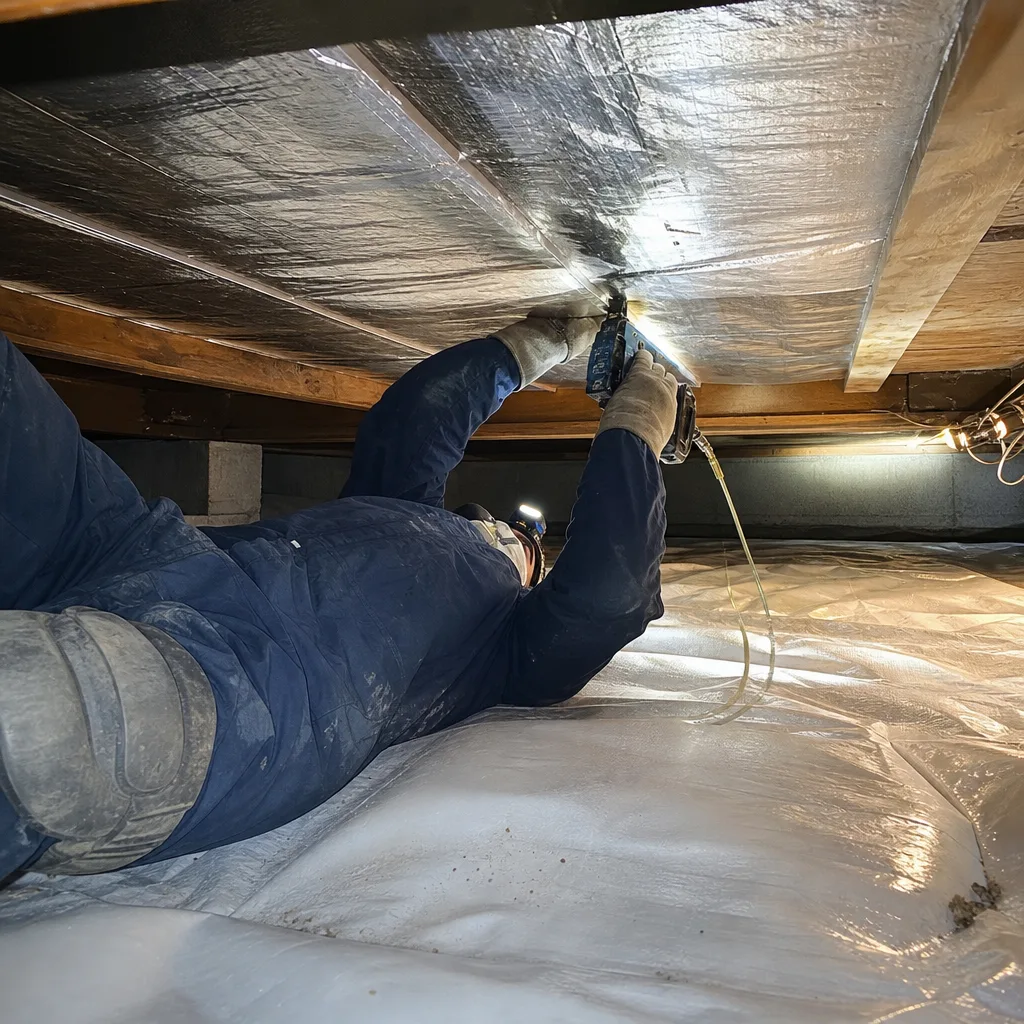
- Hot second floor past 9 PM. A working radiant barrier drops attic surface temperatures 20-30°F. If your ceiling radiates heat for hours after sunset, the foil facing has likely torn away from the rafters or was never continuous across the full roof plane.
- Dusty or blackened foil surfaces. Rockwool’s stone wool doesn’t settle like fiberglass, but dust accumulation on the foil face destroys reflectivity. In Whittier, Santa Ana winds pull fine particulate through gable vents; after 5-7 years, a once-shiny barrier can read 30% less effective without any visible tear.
- Visible gaps at rafter edges or around chases. Thermal bypass through a 2-inch gap acts like a hole 10 times its size in terms of heat transfer. We find this constantly above kitchen soffits and plumbing chases where the original installer stopped short.
- Mold spotting on the attic side of drywall. This means moist conditioned air is hitting a cold surface, usually because the radiant barrier was installed without proper air sealing first. Rockwool is hydrophobic and won’t mold, but the drywall below it will.
- Ice-cold ductwork in summer. If your flex ducts sit on the attic floor and sweat, the radiant barrier above isn’t doing its job. Whittier’s summer attic temps should peak around 110-120°F with proper barrier and ventilation; we measure 150°F+ when it’s missing or failed.
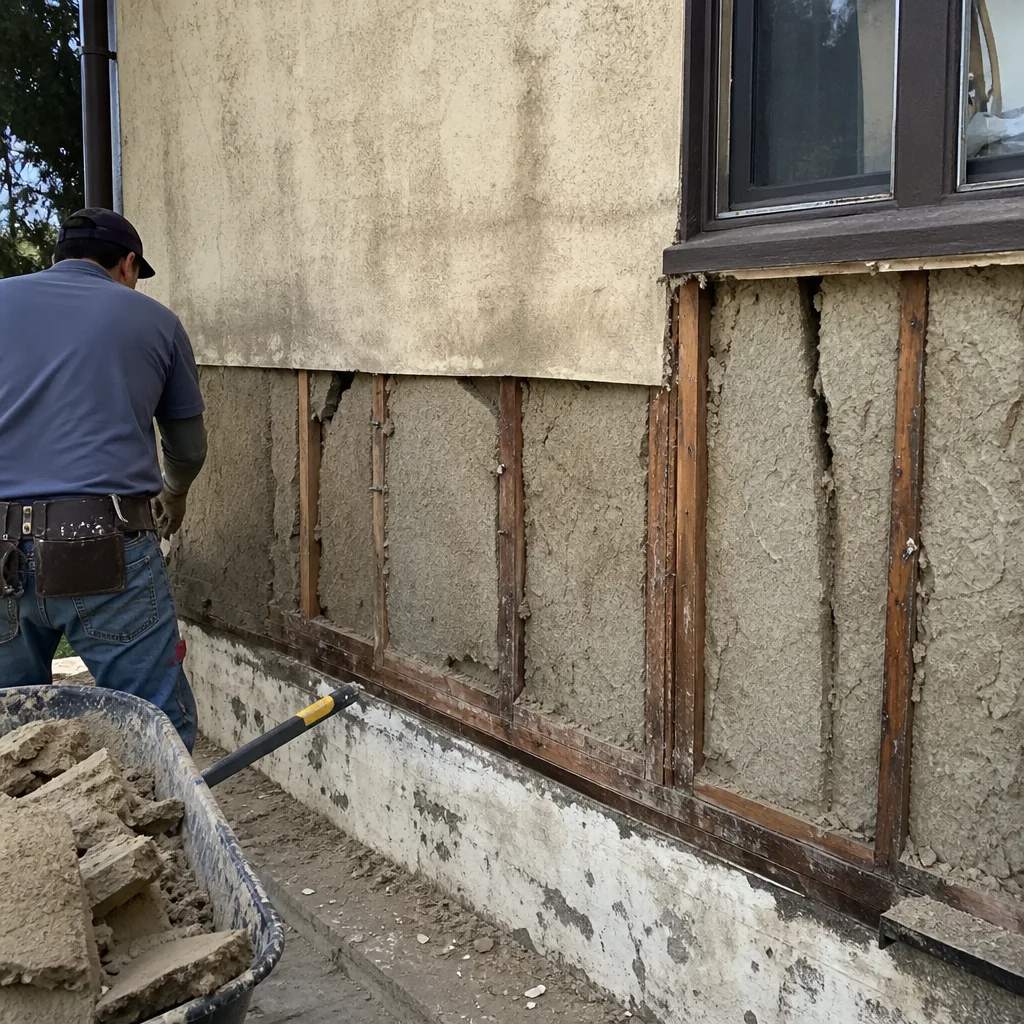 Before
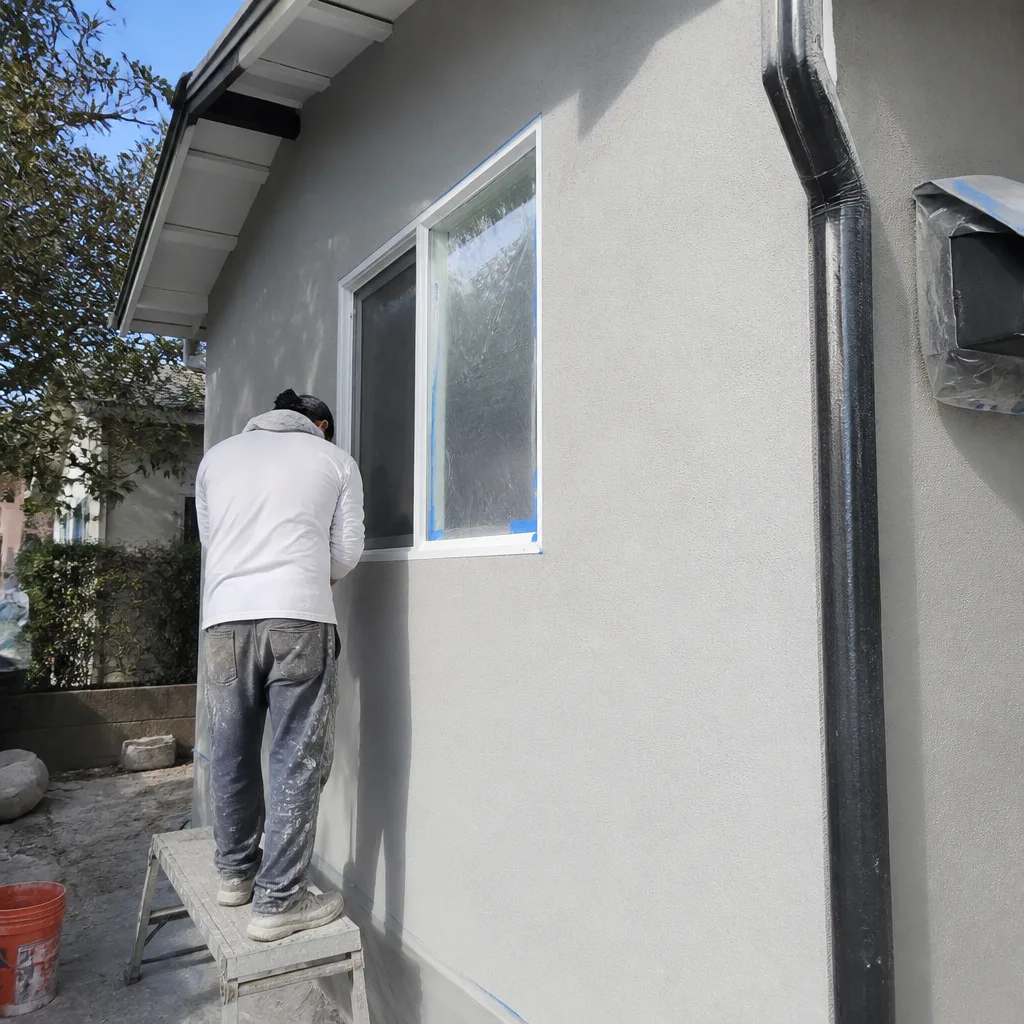 After
AfterReplacement Cost & What’s Included
| Scope | Price Range in Whittier |
|---|---|
| Retrofit radiant barrier foil, 1,200 sq ft attic (unfaced Rockwool batts already in place) | $2,800-$3,400 |
| Full Rockwool Comfortbatt + new radiant barrier, 1,200 sq ft | $3,600-$4,200 |
| Large or complex roof (multiple dormers, steep pitch above 8/12, limited attic access) | $4,200-$4,600+ |
| Air sealing package (top plates, can lights, penetrations) - required before insulation per our sequencing | $800-$1,400 |
What drives the range: attic square footage is only part of it. The real variables are access (a 24×30 scuttle versus a full staircase), existing insulation removal if the old material is contaminated, and how much air sealing the top plates and penetrations need before we hang the barrier. Every job gets a Written Price Before Any Work Starts under Haven Standard Clause 1 - flat price, written scope, written warranty before anyone lifts a tool. The 365-Day Done Right Promise covers labor and materials. We source Rockwool through standard distribution channels; we are an independent service provider with no affiliation to Rockwool International.
DIY or Call Us?
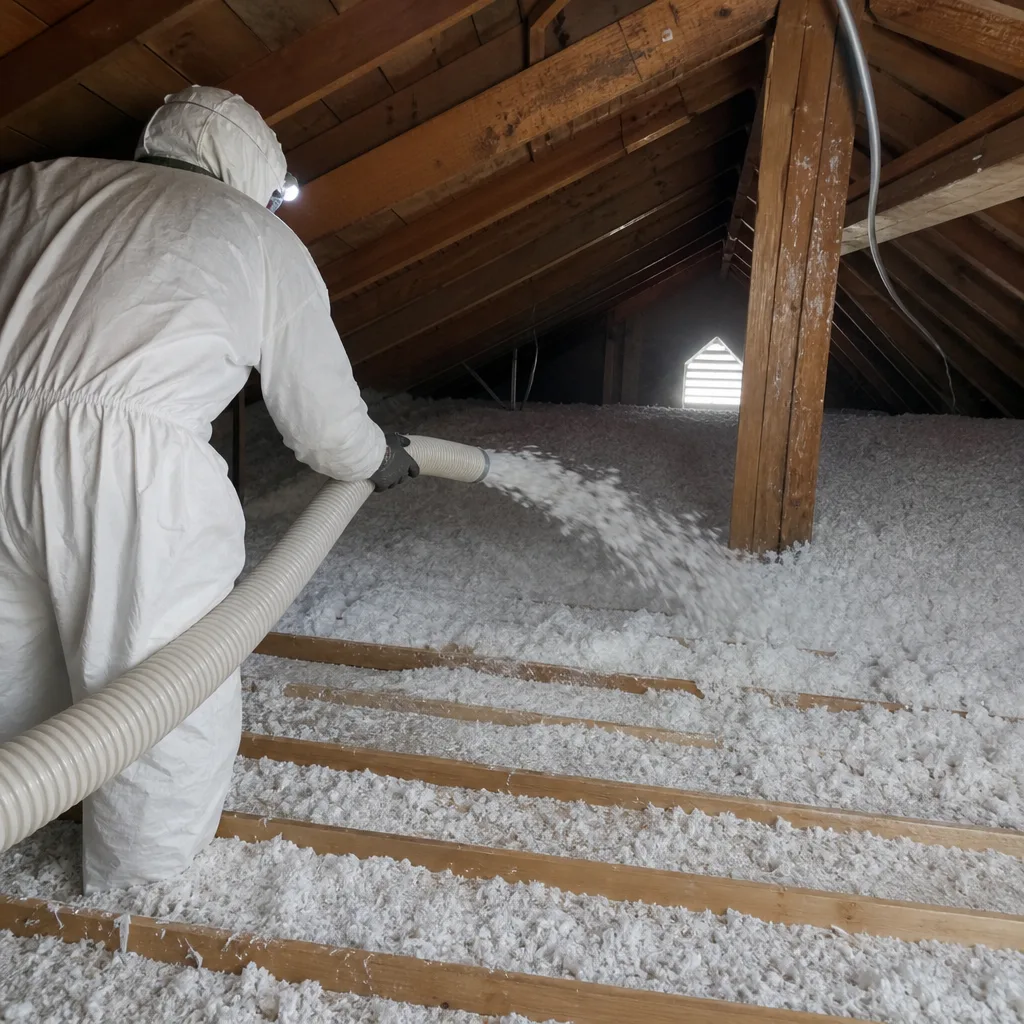
Here’s what you can safely check yourself: confirm your attic has a radiant barrier at all (many Whittier homes don’t), look for tears or gaps wider than a credit card, and note whether the foil faces the roof deck or the attic floor (it should face an air space, not touch insulation directly). What you should not do: staple new foil over old, dusty barrier without cleaning first; compress Rockwool batts into undersized cavities; or skip sealing the top plates and can lights. We’ve pulled apart too many jobs where someone “saved” $800 on labor and lost $2,000 in annual cooling costs because conditioned air was still leaking out through unsealed penetrations. Seal it first, then cover it - the insulation is not the fix, it’s the finish. Call (424) 349-7262 and we’ll read your attic with you, no charge for the assessment.
FAQs
In Whittier’s climate, a properly installed radiant barrier foil maintains 80%+ reflectivity for 15-20 years; the Rockwool batts beneath it don’t degrade but can shift if disturbed. Dust accumulation is the real killer - Santa Ana wind events pull particulate through vents, and after 7-10 years the foil surface may need cleaning or replacement even if physically intact. Call (424) 349-7262 for an attic inspection; estimates are free.
Patching small tears with foil tape works if the surrounding barrier is clean and well-attached, but partial repairs almost always leave thermal bypasses at the seams. In our experience across Whittier, a retrofit over failed original barrier costs nearly the same as doing it right once because the labor is in the access and air sealing, not the material. We offer free second opinions on any written estimate you’ve already received.
Most Whittier homes in the 1,200-1,800 sq ft range take one full day for air sealing and radiant barrier installation, or two days if we’re also replacing the Rockwool batts. We arrive with a named technician, text when we’re on the way, and leave you with a Documented Photo Record and before-and-after blower-door numbers so you can verify the air-sealing result yourself.
Yes - we carry Comfortbatt R-15 through R-23, AFB evo in standard widths, and perforated radiant barrier foil substrates on every truck. For Reflectix or other aftermarket substrates, we pull from local supply houses same-morning if needed. Most Whittier jobs start the day you approve the written price.
Written by Wes Okafor, Owner, Topside Attic Insulation Whittier at Topside Attic Insulation Whittier, serving Whittier and nearby areas.