
GreenFiber Vapor Barrier Installation: The Whittier Owner’s Guide
GreenFiber vapor barrier installation in Whittier typically runs $1,800-$3,400 for a standard crawl space or attic floor application, and we stock GreenFiber-compatible 6-mil and 10-mil polyethylene sheeting on our Whittier trucks for same-day starts. Most homeowners discover the problem when they spot condensation beading on insulation batts, catch a musty smell rising from the crawl space, or notice their energy bill climbing without explanation - signs that the vapor barrier has torn, shifted, or was never properly sealed at the seams to begin with.
Which GreenFiber Models This Applies To
GreenFiber produces loose-fill cellulose insulation, not a dedicated vapor barrier product line, so the “GreenFiber vapor barrier installation” we’re called for in Whittier is the polyethylene ground cover or wall sheeting installed beneath or adjacent to GreenFiber cellulose in crawl spaces and vented attics. The critical match is the mil rating and permeance, not a model number. GreenFiber cellulose runs heavy - settled density of 1.5-2.0 lbs/ft³ - so any vapor barrier beneath it needs to withstand that load without puncture.
We see two compatibility gotchas in Whittier’s older stock, especially in the Uptown district’s 1940s-1960s bungalows. First: GreenFiber’s stabilized cellulose contains a small amount of adhesive binder; if a previous installer laid it directly over an unsealed 6-mil poly sheet, the binder can bond to the plastic over time, making clean removal nearly impossible without tearing the barrier. Second: GreenFiber’s low-dust formulation (the white-labeled bags, post-2018) settles differently than their standard borate-treated product, which changes where condensation pressure builds against the poly. We stock both 6-mil and 10-mil reinforced polyethylene, plus seam tape rated for CA Title 24 vapor retarder applications. OEM-spec poly from GreenFiber’s distribution partners runs thinner than we prefer for Whittier’s clay-heavy soils; we typically spec 10-mil reinforced for crawl spaces and 6-mil for attic floors where foot traffic is minimal.
Topside Attic Insulation Whittier is an independent service provider - not affiliated with GreenFiber - and we also stock Reflectix vapor retarder products for hybrid assemblies where radiant and vapor control are both needed.
Signs Your GreenFiber Vapor Barrier Installation Is Failing
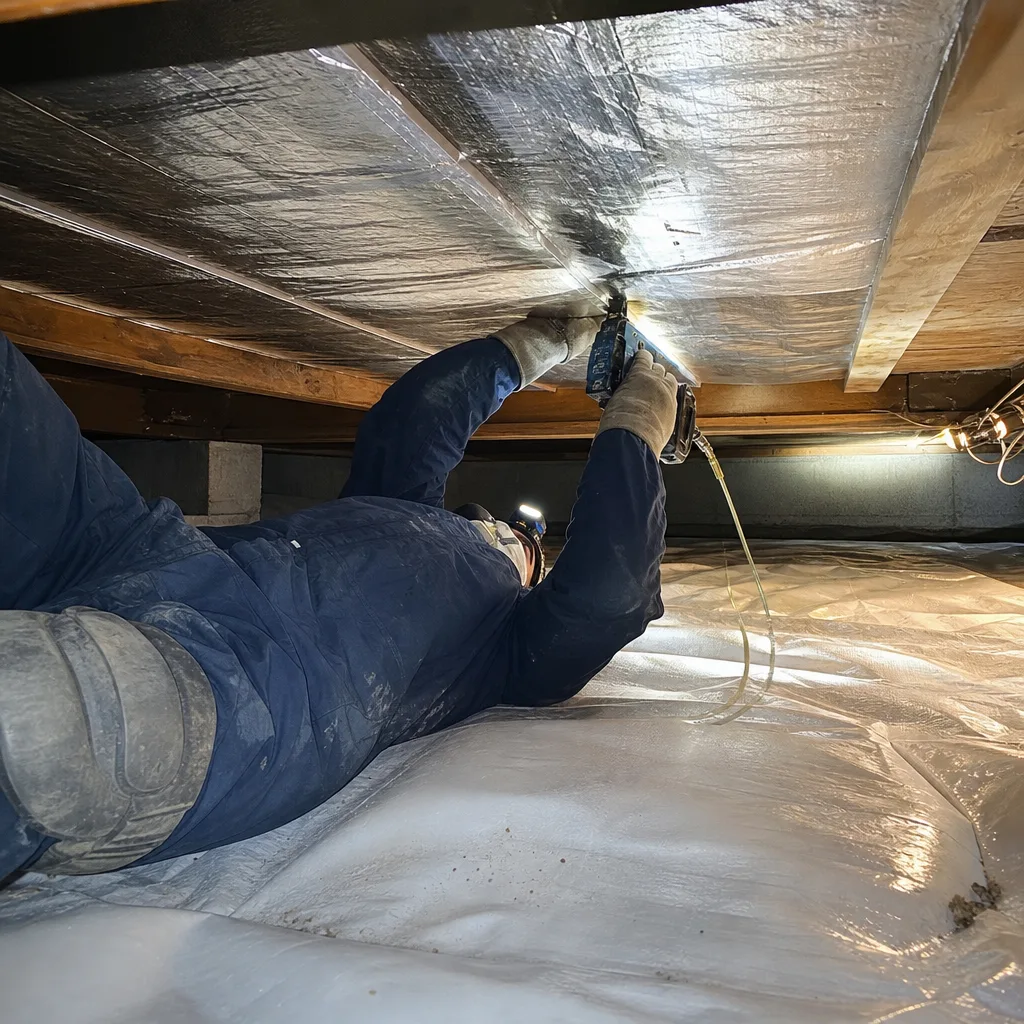
- Condensation on insulation or framing. Warm, moist Whittier air hits the cool poly surface and beads up. If the barrier was taped with HVAC foil tape instead of vapor-barrier-specific acrylic seam tape, the seals fail within 2-3 years and moisture migrates straight through the gaps.
- Musty or earthy odor from crawl space vents. This usually means the poly has torn at a pier or footing, letting soil moisture rise into the GreenFiber above. In Whittier’s older Uptown homes with unconditioned crawl spaces, we’ve found rodent damage to 6-mil poly is common - they chew through it seeking nesting material in the cellulose.
- Insulation sagging or dropping from floor joists. When the vapor barrier fails below, moisture wicks into GreenFiber batts or loose fill, adding weight until the supports give way. We pulled a job last spring on a 1954 Whitewood Street ranch where the cellulose had absorbed enough moisture to double its settled weight.
- White or gray mold spotting on the poly underside. This is past the point of repair. The barrier is no longer blocking vapor; it’s hosting a culture. Whittier’s mild winters mean mold doesn’t die back seasonally the way it might in colder climates.
- Energy bills climbing 15-25% with no equipment change. Wet insulation loses R-value fast. GreenFiber cellulose at 20% moisture content drops from R-3.7 per inch to roughly R-2.1 - you’re paying to heat and cool air that’s escaping through damp, compressed fiber.
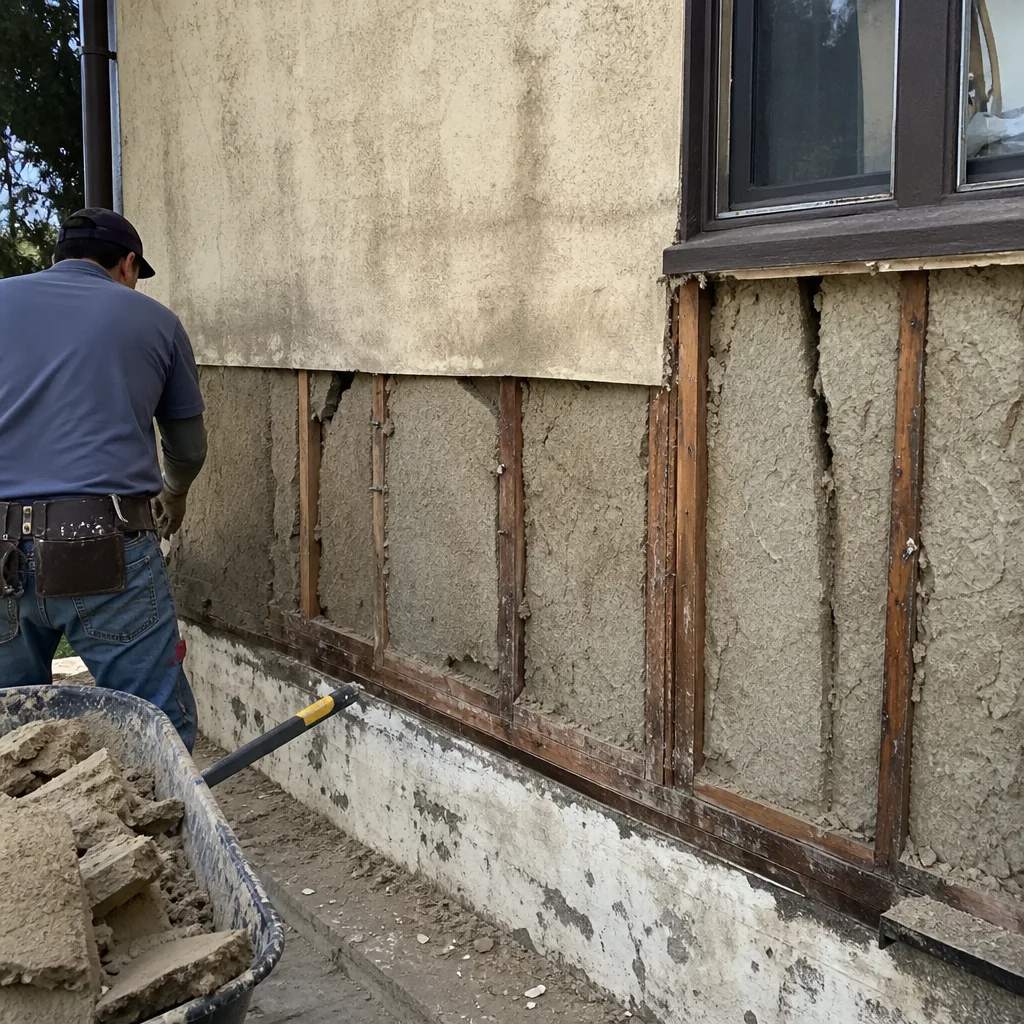 Before
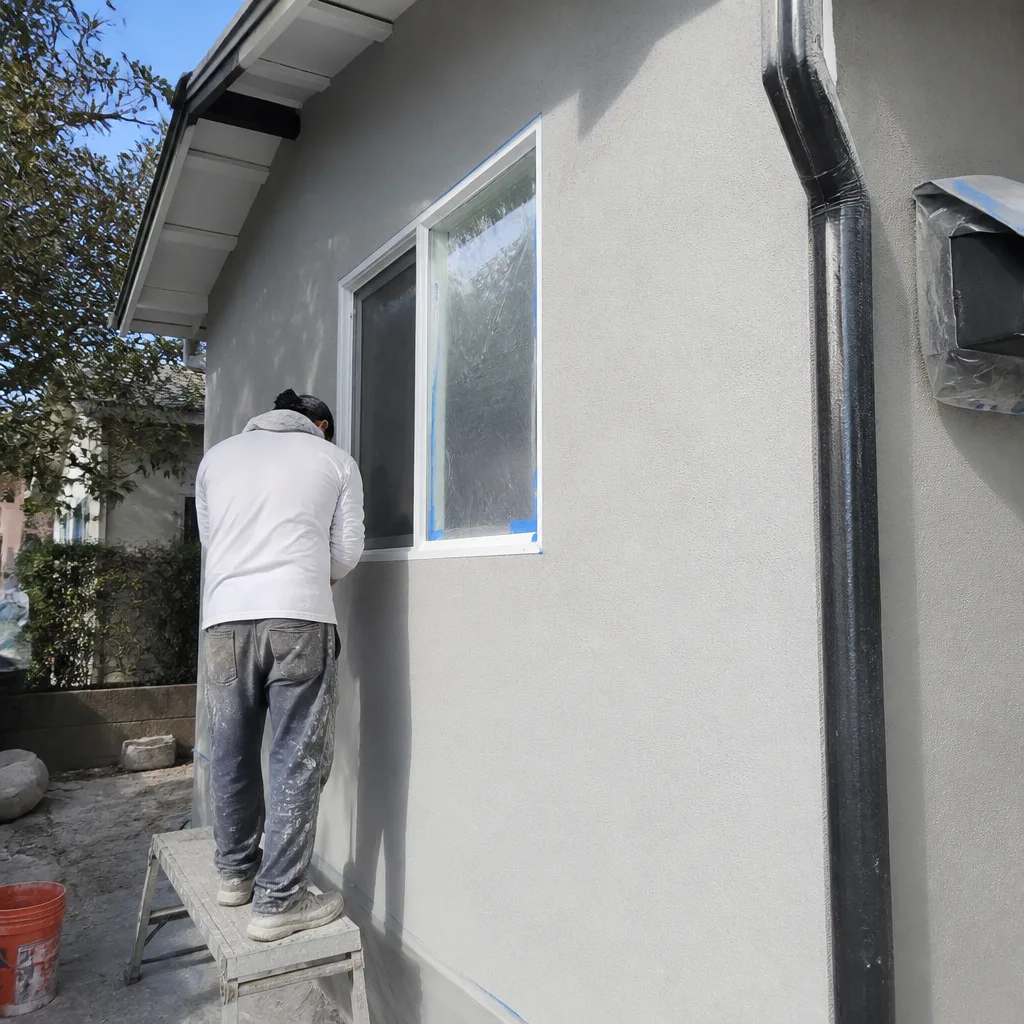 After
AfterReplacement Cost & What’s Included
| Scope | Typical Range in Whittier |
|---|---|
| Crawl space, 6-mil standard poly, up to 1,000 sq ft | $1,800-$2,400 |
| Crawl space, 10-mil reinforced poly, up to 1,000 sq ft | $2,200-$2,900 |
| Attic floor, 6-mil poly with seam sealing only | $1,400-$2,000 |
| Attic floor, full air sealing + poly + GreenFiber reinstall | $2,800-$3,800 |
| Additional: pier wrapping, foundation wall extension | $180-$340 per pier/run |
The range depends on three things: access (crawl spaces under 18 inches add labor), what’s already down there (removing mold-contaminated poly requires PPE and bagging, not just rolling up), and whether we’re sealing before we cover - which we always do. Every GreenFiber vapor barrier installation we quote includes the poly sheeting, vapor-barrier-rated seam tape, mechanical fastening at perimeter walls, and a written scope with a flat price before anyone enters the crawl space. Our 365-Day Done Right Promise covers the work, and you get a Documented Photo Record showing the sealed seams and finished coverage. On jobs where we’re also air-sealing the envelope, we run a blower-door test - a pressurization reading that shows, in one number, how much air your building envelope was losing before and after.
DIY or Call Us?
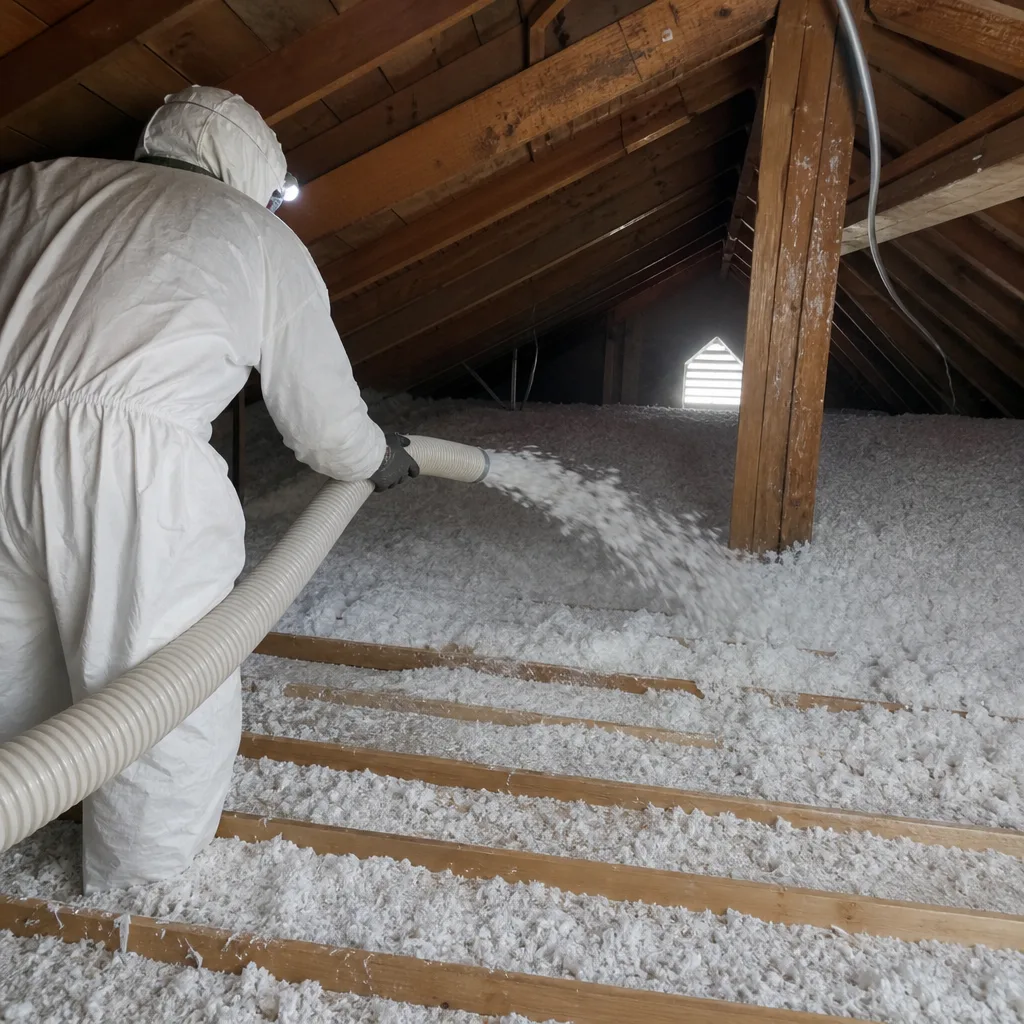
What you can safely check: walk your crawl space with a headlamp and look for tears, pooling water, or tape that’s lifted at seams. Note the mil rating printed on the poly edge if you can find it. That’s useful information for any contractor.
Where DIY goes wrong: vapor barrier installation looks like laying down a tarp, but performance lives in the details. Seams must overlap 6 inches minimum and be taped with acrylic vapor-barrier tape, not duct tape or foil tape that degrades in crawl space humidity. The poly must extend 6-12 inches up foundation walls and be mechanically fastened - not just tucked. And in Whittier’s seismic zone, piers shift slightly; rigid attachment points tear poly within a season if not detailed correctly. We’ve been called to fix three homeowner installs in the past two years where good intentions led to trapped moisture and $4,000+ in mold remediation.
Seal it first, then cover it - the insulation is not the fix, it’s the finish. Call (424) 349-7262 for a written price before any work starts.
FAQs
A properly installed 10-mil reinforced poly vapor barrier in Whittier typically lasts 15-20 years in a vented crawl space, though 6-mil standard poly often shows seam failures or rodent damage in 8-12 years. Clay soils in the Friendly Hills area hold more ground moisture, which accelerates tape degradation at the perimeter. Call (424) 349-7262 for an exact quote - estimates are free.
Small punctures under 2 inches can be patched with vapor-barrier tape if the surrounding poly is still supple, but seam failures, mold growth, or brittle plastic mean full replacement - patched barriers leak at the repair edges within a season or two. We don’t quote patch jobs on poly older than 10 years; the material’s too far gone for reliable performance. Call (424) 349-7262 for an exact quote - estimates are free.
Most residential GreenFiber vapor barrier installations in Whittier take one day for crawl spaces up to 1,200 square feet, or a half-day for attic floor applications where access is straightforward. Jobs requiring full removal of wet GreenFiber cellulose, drying time, and reinstall add a second day. We stock 6-mil and 10-mil poly on our Whittier trucks, so material delays aren’t a factor. Call (424) 349-7262 for an exact quote - estimates are free.
We stock GreenFiber-compatible 6-mil and 10-mil reinforced polyethylene sheeting, vapor-barrier-rated acrylic seam tape, and mechanical fastening systems on our Whittier service trucks. We don’t stock GreenFiber cellulose itself on every truck - it’s ordered to job spec - but vapor barrier materials are carried daily for same-day starts when the scope is confirmed. Call (424) 349-7262 for an exact quote - estimates are free.
Written by Wes Okafor, Owner, Topside Attic Insulation Whittier at Topside Attic Insulation Whittier, serving Whittier and nearby areas.