
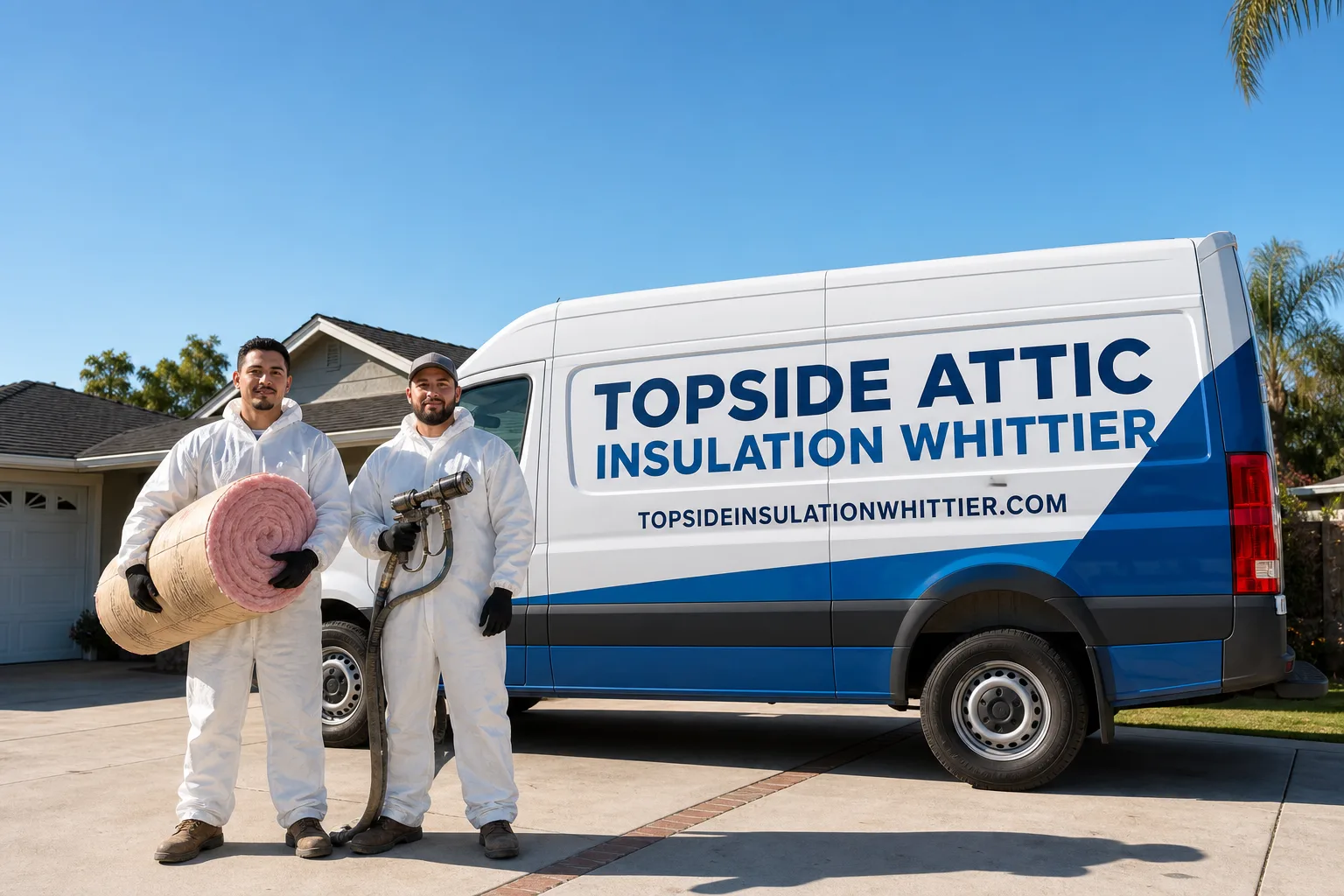
How Much Does Attic Insulation Cost in Whittier?
Attic Insulation Near Me in Whittier, CA typically costs between $1,800 and $4,200 for a standard single-story home, with most jobs landing around $2,400 to $3,100 once air sealing is included. The range is wide because attic size, current insulation depth, and whether you need removal before reinstalling all pull the number in different directions – but those are the real figures for the Whittier market in 2026, not a placeholder for a phone call.
If your attic has never been insulated, or if you’re dealing with the thin 2-to-3-inch layer of original fiberglass batt that’s common in Whittier homes built during the 1950s and 1960s tract-home boom, expect to land in the middle to upper part of that range. Older homes in neighborhoods like Uptown Whittier and the College Hills area frequently need Attic Insulation Replacement, which adds cost but also produces the most dramatic energy performance improvement.
Attic Insulation Cost Breakdown (2026)
Attic insulation in Whittier costs $1,800 to $4,200 for most homes, depending on square footage, material, and prep work. Here is how the line items typically stack up:
| Scope of Work | Typical Cost Range (Whittier, 2026) |
|---|---|
| Blown-in fiberglass (to R-38), 1,000 sq ft attic | $900 – $1,400 |
| Blown-in fiberglass (to R-38), 1,500 sq ft attic | $1,300 – $1,900 |
| Blown-in cellulose (to R-38), 1,000 sq ft attic | $850 – $1,300 |
| Blown-in cellulose (to R-38), 1,500 sq ft attic | $1,200 – $1,800 |
| Attic air sealing only (top plates, can lights, penetrations) | $350 – $700 |
| Air sealing + blown-in insulation (complete job, 1,200 sq ft) | $1,800 – $2,800 |
| Old insulation removal (per 1,000 sq ft) | $600 – $1,100 |
| Radiant barrier installation (foil, stapled to rafters) | $700 – $1,400 |
| Spray foam at attic penetrations and top plates | $300 – $600 |
| Full project: removal + air sealing + blown-in (1,500 sq ft) | $2,800 – $4,200 |
A word on those ranges: the lower end assumes clean, accessible attic space with no existing material to remove and no major penetration issues. The upper end reflects the reality of many Whittier homes – low-pitch rooflines with limited clearance in sections, original can lights that are basically open holes into the conditioned space below, and sometimes contaminated insulation (rodent activity is common in attics near the Whittier Narrows area) that needs proper disposal before anything new goes in.
The single factor that pushes costs up most reliably is skipping air sealing before blowing in insulation. Under the Haven Standard, Envelope Insulation Co. treats air sealing as a hard prerequisite on every Attic Insulation in Whittier job – not an optional add-on. Blowing insulation over an unsealed attic floor adds R-value on paper, but the air leaks keep running and your energy bills reflect it. The blower-door test – a pressurization reading that tells you, in one number, how much conditioned air your home is losing – shows this clearly before and after the work is done. We publish those numbers on every applicable job so you’re not taking our word for it.
What Affects Attic Insulation Pricing in Whittier
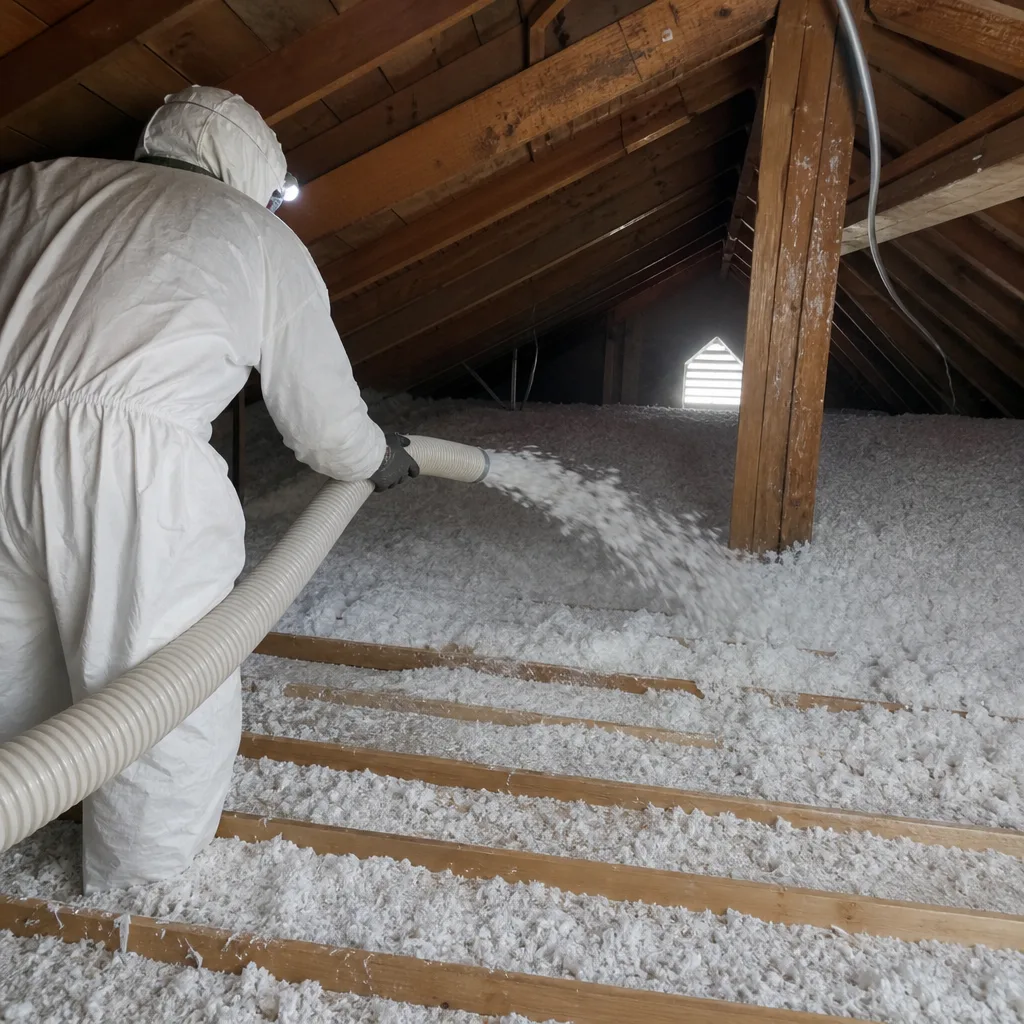
- Attic square footage and accessible area: Whittier has a large stock of mid-century ranch homes, many with complex rooflines that create low-clearance sections along the perimeter. When a technician can’t stand or crawl to a portion of the attic, labor time increases. A 1,400-square-foot attic with clear headroom costs less to insulate than an 1,100-square-foot attic with a long, narrow low section along the eaves.
- Current insulation depth and condition: California’s Title 24 energy code targets R-38 for attics in Climate Zone 9, which covers most of Whittier. If your existing insulation already sits at R-19 or R-25, you may only need a top-off rather than a full replacement. If it’s compacted, contaminated, or holding moisture from a past leak, removal is the right call first – skipping it to save money usually means re-doing the work sooner.
- Existing air sealing condition: Homes built before 1990 in Whittier almost universally have top plates (the framing members where interior walls meet the attic floor) that are completely open. Every electrical penetration, plumbing chase, and recessed light is a conditioned-air escape route. Sealing these before insulating adds $350 to $700 to the project cost but is the only way to get a measurable improvement in envelope performance. We run a blower-door test before and after so the number is on paper, not just in our estimate.
- Material choice – fiberglass vs. cellulose vs. spray foam: Blown-in fiberglass (brands like Owens Corning or Johns Manville) and blown-in cellulose (GreenFiber is a common choice here) cost roughly similar per square foot at R-38 depth. Spray foam at the attic floor costs more per inch of R-value but is the right tool at penetrations and top plates where stopping air movement is the goal, not just adding thermal resistance. We don’t lock you into any proprietary product line – material sourcing across a job may include Owens Corning, Knauf, GreenFiber, Icynene, Demilec, or Rockwool depending on what the job requires.
- Radiant barrier need: Whittier sits in the San Gabriel Valley, and attic temperatures in July and August routinely exceed 140 degrees Fahrenheit. A radiant barrier – a reflective foil layer stapled to the underside of the roof rafters – reduces attic temperature by blocking radiant heat before it reaches the insulation. It adds $700 to $1,400 to a project but is one of the better investments for Whittier homes that face significant summer cooling loads. It’s most cost-effective when installed at the same time as new insulation because the attic is already being prepped.
- Removal and disposal of old material: If the existing insulation shows rodent droppings, urine contamination, or visible mold, removal is not optional – it’s a health issue, and no responsible contractor leaves it in place. Removal runs $600 to $1,100 per 1,000 square feet and includes bagging, extraction, and proper disposal. In areas of Whittier near open-space corridors (portions of Friendly Hills and the hillside neighborhoods above Workman Mill Road), rodent intrusion is frequent enough that we build attic inspection for evidence of activity into every initial assessment.
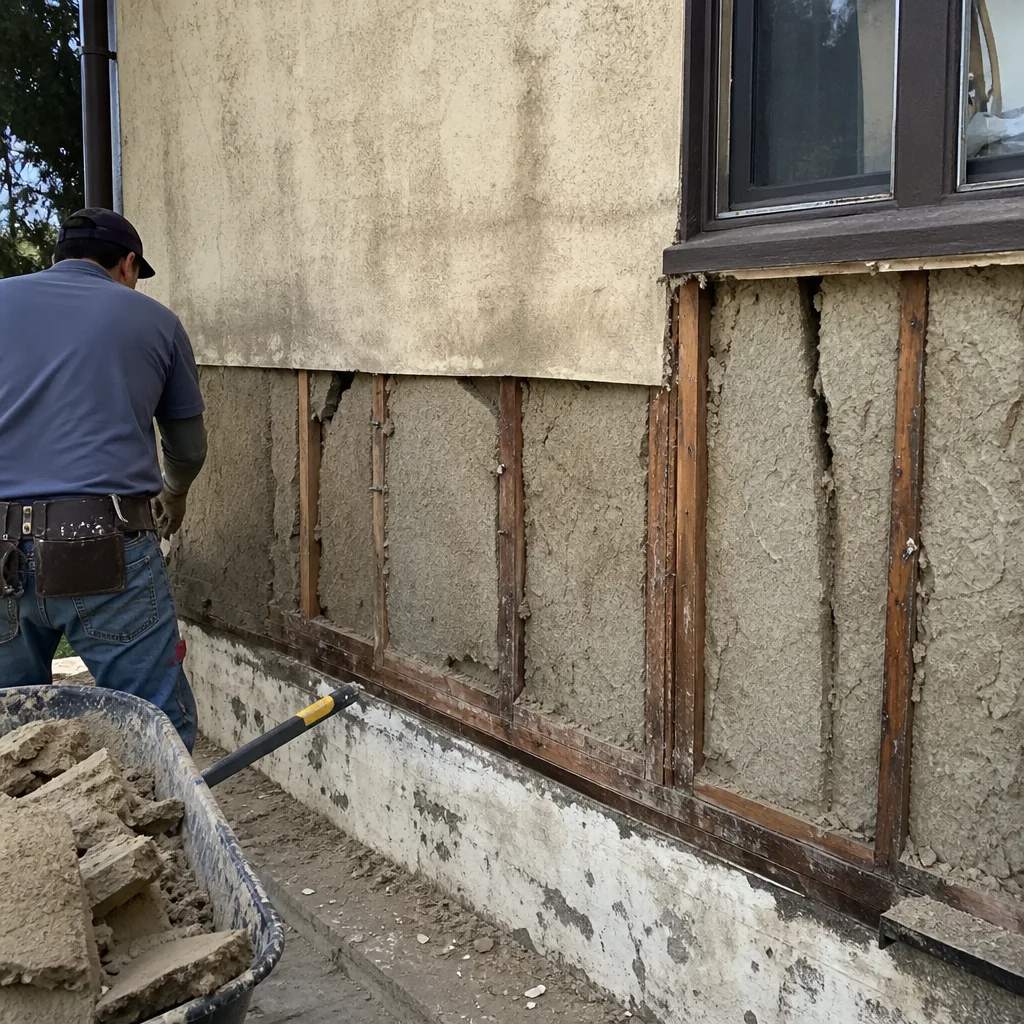 Before
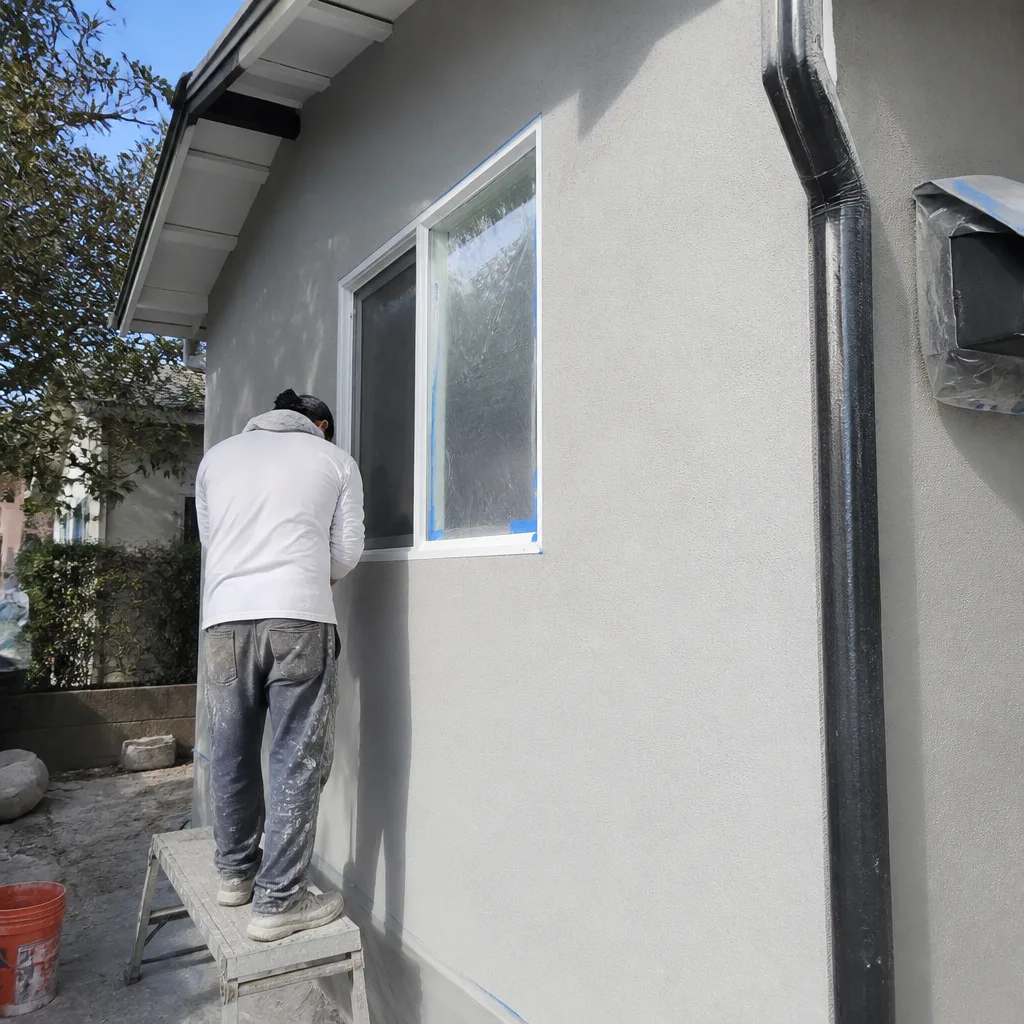 After
AfterHow to Save on Attic Insulation in Whittier
The most practical way to reduce the cost of attic insulation is to address it before it becomes an emergency. A homeowner who schedules the work during a slow season (late fall or late winter in Whittier) has more flexibility than one calling in August when cooling costs are already visible on the electricity bill. Scheduling in the off-peak window won’t always produce a discount, but it does mean more scheduling options and no pressure to rush decisions.
Check for Available Utility Rebates
Southern California Edison (SCE) and the Gas Company (SoCalGas) both run rebate programs for attic insulation and air sealing work in Whittier. Rebate amounts and eligibility windows change, so the right move is to check the current SCE Energy Efficiency rebate page and the SoCalGas rebate portal directly before your project. In past program years, insulation rebates have ranged from $100 to $400 depending on the upgrade level and whether the home qualifies as income-qualified. These programs require documentation – a written scope and proof of completion – which is standard under the Haven Standard anyway, so qualifying for a rebate at Envelope Insulation Co. doesn’t require any additional paperwork chase on your end.
Bundle Air Sealing and Insulation on the Same Visit
Separating air sealing and our Attic Insulation services into two separate appointments at two separate prices costs more than doing both in one mobilization. The labor to set up, access the attic, and clean up is a fixed cost per visit. When air sealing and blown-in insulation are completed on the same day – which is the standard approach here, because we won’t insulate over an unsealed attic floor – you pay one setup, one crew, and one disposal run. Projects that are bundled typically run 10 to 15 percent less per line item than if each were booked independently.
Use a Free Second Opinion Before Committing
If you’ve already received a written estimate from another contractor, bring it to Envelope Insulation Co. and we’ll read it with you. This isn’t a sales tactic – it’s a practical check. We look at what scope was proposed, whether air sealing was included or left out, what R-value the estimate targets, and whether the material specified makes sense for your attic configuration. Whittier homeowners sometimes receive estimates that propose R-30 when Title 24 targets R-38 for this climate zone, or estimates that quote blown-in insulation without any mention of sealing the penetrations below it. Catching that before the job is cheaper than fixing it after. The second opinion is free, and it comes with a written price if you want to move forward.
Don’t Over-Specify on Material
Spray foam at the attic floor is sometimes proposed for full-attic application when blown-in fiberglass or cellulose will achieve the same thermal performance at considerably lower cost. Spray foam is the right material at penetrations, top plates, and rim joists – places where stopping air movement is the primary goal. For the field (the open attic floor between framing), blown-in products hit R-38 efficiently and at a fraction of the spray-foam price. A written scope that specifies the right material for each part of the job – rather than defaulting to one product across the entire attic – keeps cost accurate.
For an exact written price on your specific attic – square footage measured, material specified, air sealing scope identified – call (424) 349-7262. Estimates are free, written, and don’t require a commitment. Under Haven Standard Clause 1, no work starts without a flat price and written scope in your hands first.
Whittier Attic Conditions Worth Knowing Before You Get a Quote
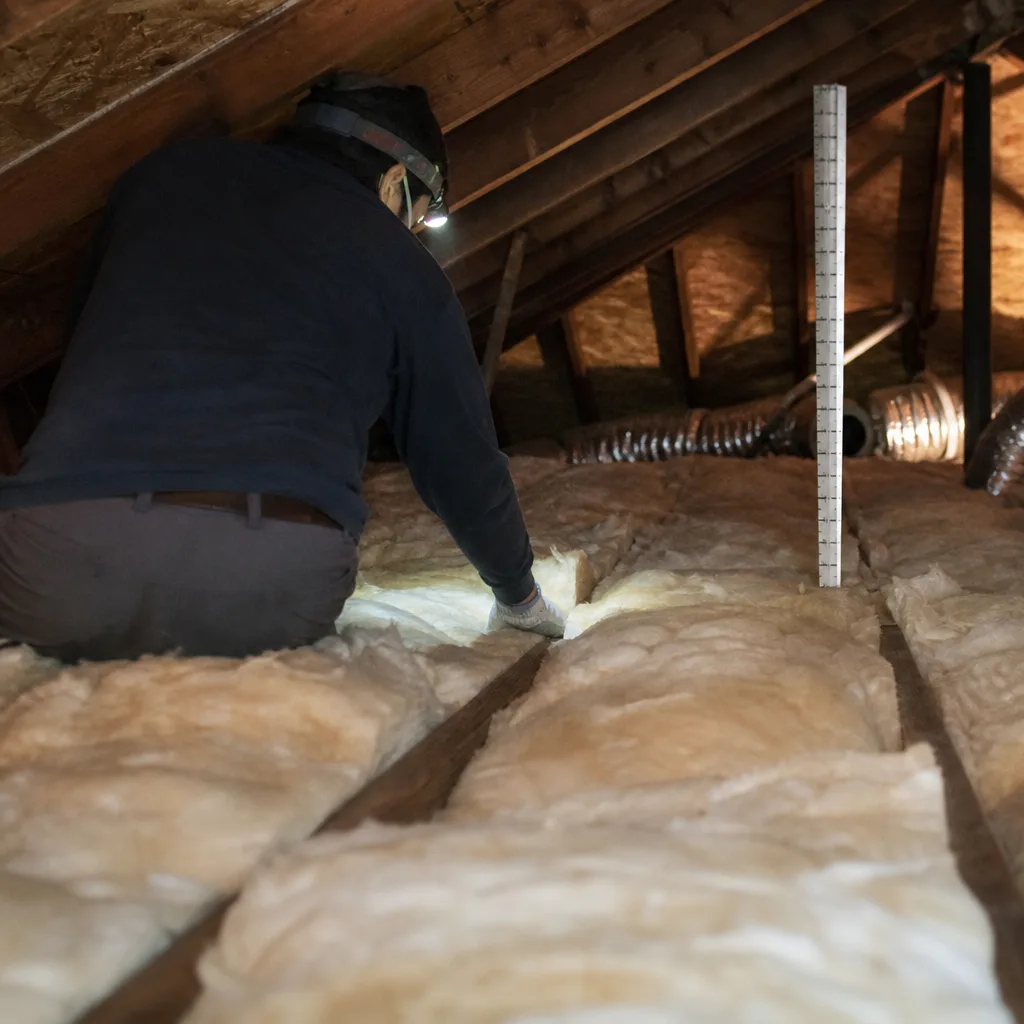
Whittier’s housing stock is unusually varied for a city its size. You’ve got early postwar tract homes in the Central Whittier neighborhoods, hillside custom builds in Friendly Hills, denser 1970s construction in areas near Whittier Boulevard, and some genuinely old Craftsman-era homes near the Uptown district. Each presents a different attic challenge.
The mid-century tract homes – common in the East Whittier and South Whittier areas near Norwalk Boulevard – were built when R-11 batt insulation was considered adequate. Most of those attics now have compressed, dusty fiberglass that’s performing well below its original spec, and the air sealing was never done at all. These are the homes where blower-door numbers before and after air sealing show the most dramatic change. We’ve measured attics in that part of Whittier at over 5,000 CFM50 (cubic feet per minute at 50 pascals of pressure – the standard unit for measuring whole-house air leakage) before sealing, and under 2,500 after.
The hillside homes in Friendly Hills and around Colima Road often have steeper roof pitches, which gives better attic clearance but also means larger attic volumes and sometimes longer blow times to reach target depth. Cathedral ceiling sections in those homes can’t be addressed with blown-in at all – those require spray foam from below or from the exterior, which is a different project and a different cost conversation.
In the older Uptown Whittier neighborhoods near Greenleaf Avenue, you encounter homes with knob-and-tube wiring remnants in the attic space. A responsible contractor notes this in the written scope and addresses it before insulating – blown-in insulation over active knob-and-tube is a fire hazard, and any reputable written estimate should call this out explicitly. If a quote you’ve received doesn’t mention it for a pre-1940 home, that’s worth asking about before signing anything.
What the Job Looks Like, Start to Finish
When Envelope Insulation Co. comes out to a Whittier home for an attic insulation assessment, the process is documented from the first step. You get a named technician and a text when they’re on the way – no vague arrival windows. Under the Haven Standard, every visit generates a photo record, so you have a documented baseline of what the attic looked like before anything changed.
The assessment includes attic access, a visual inspection of existing insulation depth and condition, identification of unsealed penetrations (top plates, can-light housings, plumbing chases, HVAC supply boots), and a blower-door test on applicable jobs. That blower-door number – one figure that tells you how much conditioned air your home is losing right now – goes into your written estimate so you have a before baseline. After the work is done, we run the test again and give you the after number. The difference is the documented result of what you paid for.
The written scope specifies: attic square footage to be treated, existing insulation depth found, target R-value, materials to be used (by brand and product type), air sealing locations, and what, if anything, was found that falls outside the scope (rodent evidence, wiring concerns, HVAC equipment issues). You get all of this before a single bag of insulation is unloaded from the truck. That’s Haven Standard Clause 1, and it applies to every job regardless of size.
When the crew leaves, you receive a Documented Photo Record of the completed work – attic floor covered to depth, penetrations sealed, materials labeled – along with the written warranty. The 365-Day Done Right Promise covers the completed work: if it’s not done right, we make it right. That’s in writing too.
FAQs – Attic Insulation Cost in Whittier, CA
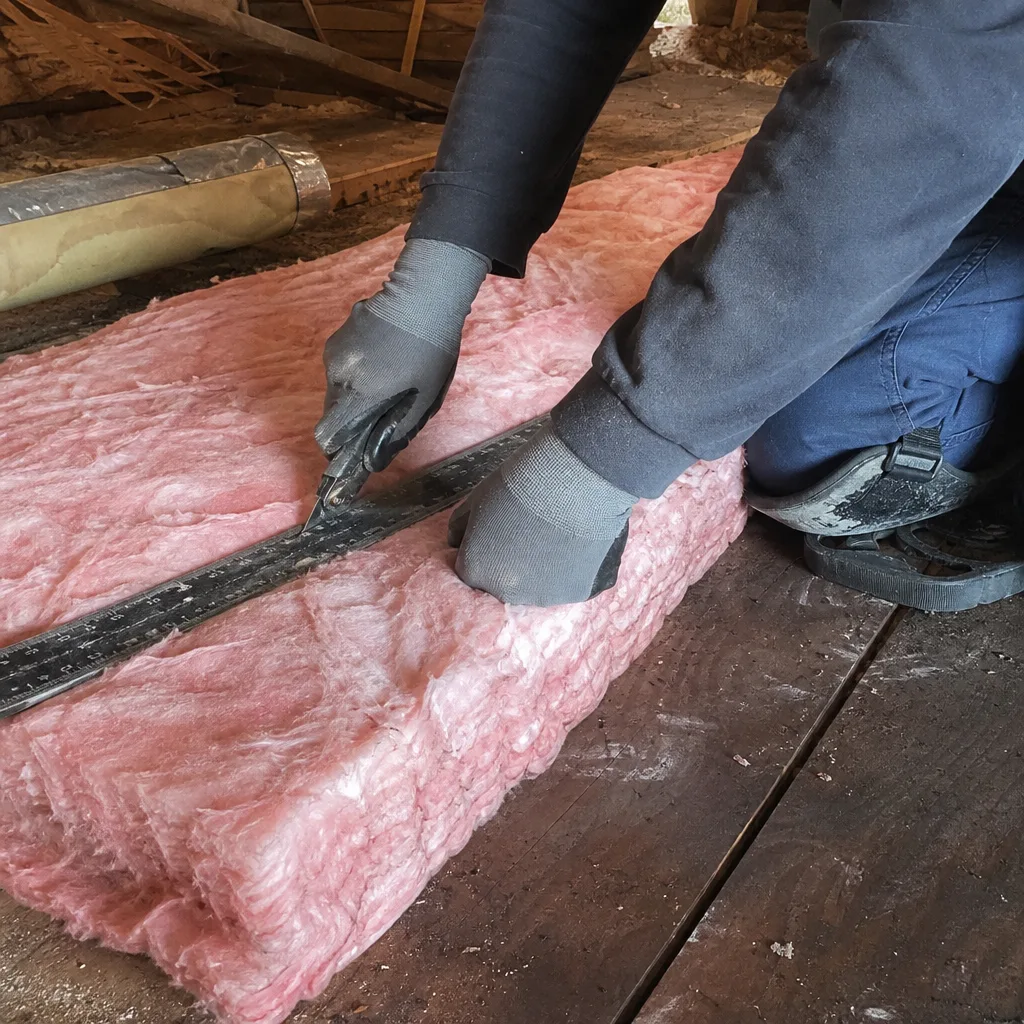
How much does attic insulation cost in Whittier for an average-sized home?
Most single-story homes in Whittier with an attic of 1,000 to 1,500 square feet run between $1,800 and $3,100 for a complete job that includes air sealing and blown-in insulation to R-38. Homes that also need old insulation removed before reinstalling typically run $2,800 to $4,200. The specific number depends on attic condition, existing depth, and whether any material (fiberglass, cellulose) or additional work (radiant barrier, rodent proofing) is factored in. Call (424) 349-7262 for a written price on your specific attic – estimates are free.
Is it cheaper to add insulation on top of existing insulation or remove and replace?
Attic Insulation Top-Up costs less upfront – typically $900 to $1,600 to reach R-38 on a 1,200-square-foot attic, versus $1,800 to $3,000 or more if removal is included. But removal is the right call when existing material is contaminated (rodent droppings are common in older Whittier homes), holding moisture from a past roof leak, or so compressed that its actual R-value is well below its labeled rating. A top-off over contaminated material creates an air quality and mold risk – it doesn’t eliminate it. We’ll tell you which situation you’re in after the assessment, and the written estimate will reflect that recommendation with the reasoning documented.
Does attic insulation include air sealing, or is that a separate cost?
At Envelope Insulation Co., air sealing is completed before any insulation is installed – it’s a hard prerequisite, not an optional line item. Most other contractors quote insulation only and offer air sealing as an upsell. Air sealing of attic top plates, can lights, and penetrations typically adds $350 to $700 to a project, but skipping it means a significant portion of the thermal performance gain you paid for leaks back out through those gaps. We use a blower-door test before and after to show you the measured difference, so the value is documented rather than assumed.
How long does attic insulation installation take in Whittier?
A typical attic insulation job – air sealing plus blown-in to R-38 on a 1,200-to-1,500-square-foot attic – runs four to seven hours for a two-person crew. Jobs that include removal first add two to four hours depending on existing material volume and attic access. You don’t need to leave your home during the work, and the attic access point is the only interior area involved. Larger attics or those with difficult clearance (common in some Friendly Hills and hillside Whittier homes) may run into a second day, which will be noted in the written scope before work starts.
Are there tax credits or rebates for attic insulation in Whittier in 2026?
Yes, potentially. The federal 25C energy efficiency tax credit allows homeowners to claim up to 30 percent of insulation costs (up to $1,200 per year) for qualifying improvements installed in their primary residence – check IRS guidance or your tax advisor for current eligibility requirements, since the program terms have shifted year to year. Southern California Edison and SoCalGas both run rebate programs for Whittier customers that have historically covered $100 to $400 for qualifying insulation and air sealing upgrades. Rebate amounts and eligibility windows change, so verify current terms directly with each utility before your project. The written documentation you receive under the Haven Standard – scope, materials, completion record – is exactly what rebate programs require for submission.
Can I get attic insulation installed in Whittier the same week?
Scheduling depends on current crew availability, but Whittier homeowners typically see one-to-two week lead times for full insulation projects. Emergency cases – attic insulation that was removed as part of rodent remediation and needs immediate replacement, for instance – can sometimes be scheduled sooner. A live person answers calls at (424) 349-7262 at any hour, so you’re not waiting for a callback window to find out what’s available. The written estimate and scope can be delivered before the scheduled date so you have everything in hand when the crew arrives.
Key Takeaways
- Attic insulation in Whittier, CA costs $1,800 to $4,200 for most homes in 2026, with most complete jobs (air sealing included) landing between $2,400 and $3,100.
- Air sealing of top plates, can lights, and penetrations should always come before insulation – it’s what determines whether the insulation actually performs as rated.
- California Title 24 targets R-38 for attic insulation in Climate Zone 9 (Whittier’s zone) – if a quote specifies less without a documented reason, ask why.
- Removal of old insulation adds $600 to $1,100 per 1,000 square feet but is necessary when existing material is contaminated or structurally compromised.
- Radiant barriers add $700 to $1,400 and are a practical investment in Whittier given summer attic temperatures that routinely exceed 140 degrees Fahrenheit.
- Federal 25C tax credits and SCE/SoCalGas rebates are available – verify current terms before your project, and keep the written documentation you receive at job completion.
- Under the Haven Standard, you receive a written price before any work starts, a Documented Photo Record when the crew leaves, and before-and-after blower-door numbers on applicable jobs.
Get a Written Price for Your Whittier Attic
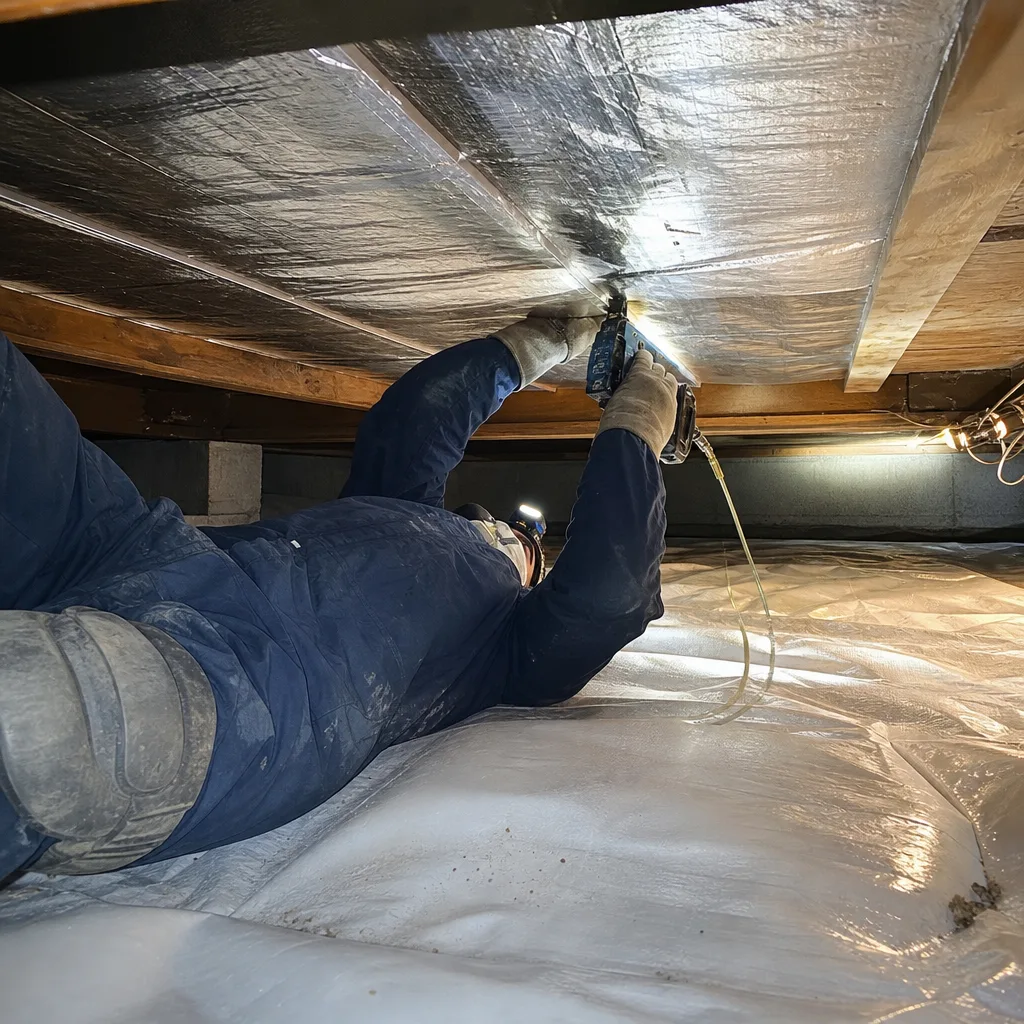
If you want a specific number for your home – not a range pulled from a pricing guide – call (424) 349-7262. Wes Okafor and the team at Envelope Insulation Co. have been writing flat-price, documented scopes for Whittier homeowners since 2016. Over 9,000 homes sealed and insulated, every one with a written price before the first bag of insulation was opened.
The estimate is free. It comes with a written scope and a firm price – not a range, not “starting from.” If you’ve already received a written estimate from another contractor, bring it and we’ll read it with you at no charge. That’s the Free Second Opinion, and it’s available to any Whittier homeowner regardless of whether you ultimately book with us.
You can also start by visiting our home to see the full range of building-envelope services we offer across the area. Attic insulation is often the right first step, but the blower-door assessment will tell you where the biggest opportunities are in your specific home – and that number will be in writing before anyone picks up a tool.
Written by Wes Okafor, Owner at Envelope Insulation Co., serving Whittier, CA since 2016.
Pricing reflects the Whittier market as of 2026. Topside Attic Insulation Whittier offers free estimates – call (424) 349-7262.
What Our Customers Say
"The winter gas bill dropped by about a third. They had estimated a quarter, so they under-promised."
- Genevieve R."Fixed price, clean work, and they hauled the old material away as agreed."
- Todd M."They photographed rodent damage in the old insulation that we had no idea about, and priced the exclusion work separately so we could decide."
- Harriet N.