
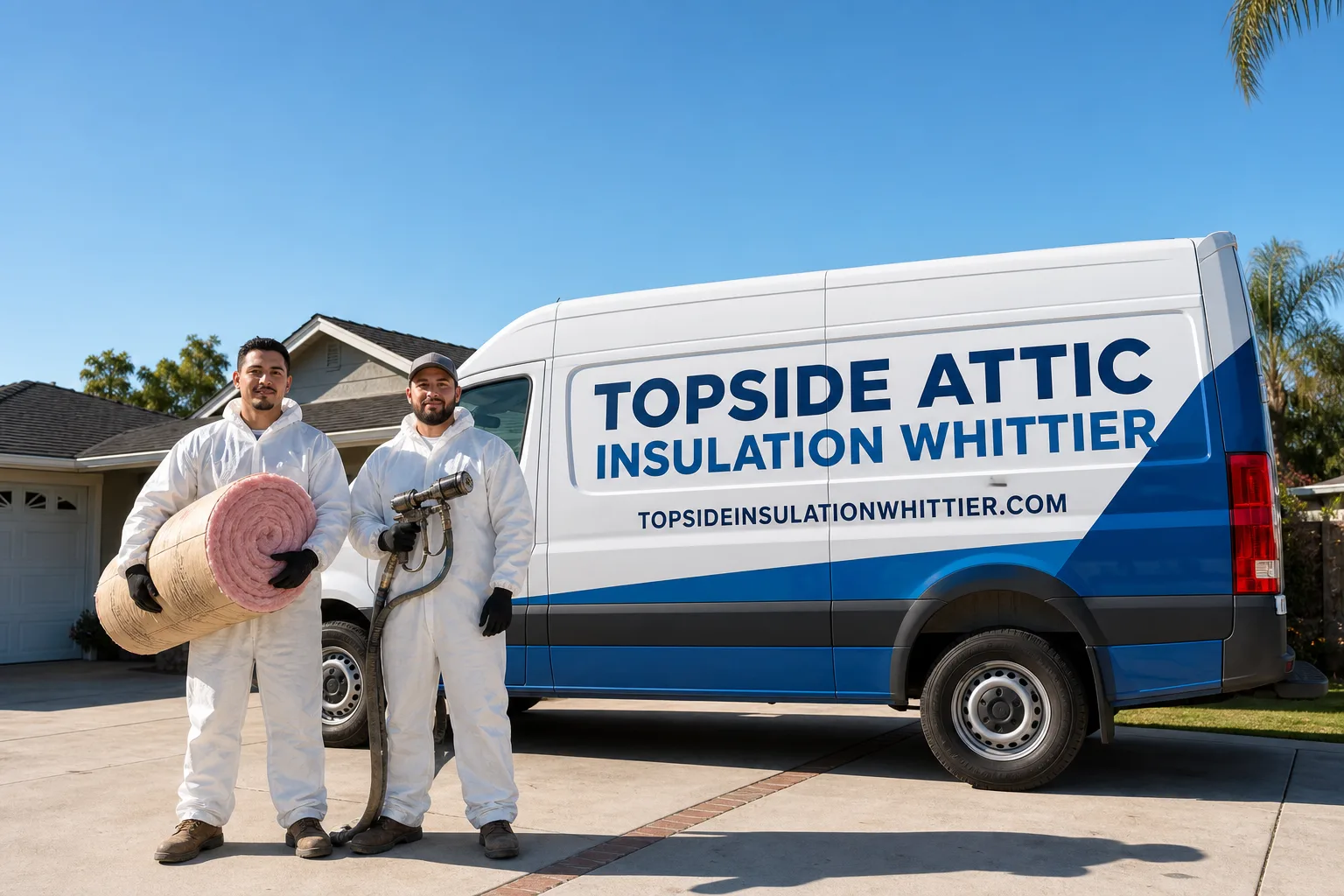
Fast, Reliable Blown-In Insulation Across Long Beach
Blown-in insulation in Long Beach typically costs $1.80 to $3.20 per square foot installed, with most attic jobs running $2,400-$4,800 and dense-pack wall retrofits in a 1,200-square-foot bungalow ranging $3,200-$5,600. We dispatch crews to Long Beach from our Los Angeles office and can usually inspect within 24-48 hours. Call (424) 349-7262 for a written price before any work starts.
We’ve worked on enough homes in Wrigley, Belmont Heights, and North Long Beach to know the local housing stock isn’t like Anaheim or Torrance. The 1920s oil-boom bungalows, the 1950s dingbat apartments off Anaheim Street, the stucco tracts near Cal State Long Beach - each has its own insulation history, and most of it isn’t good. Our Blown-In Insulation team treats air sealing as mandatory, not optional, and we publish before-and-after blower-door numbers on every job so you can verify what you paid for.
Why Topside Attic Insulation Whittier Is Long Beach’s Preferred Blown-In Insulation Company
We’ve sealed and insulated over 9,000 homes since 2016, and a significant share of them sit within Long Beach city limits. Our reviews from Long Beach customers consistently mention two things: the crew showed up when promised, and the documentation matched the work. Under Haven Standard: Arrive on schedule, you get a named technician and a text when they are on the way.
Response time to Long Beach neighborhoods runs same-day to next-day for inspections, depending on where you are relative to our dispatch. Wrigley and North Long Beach are typically faster than the eastern edges near the Orange County line. We know the local permit landscape, the LADWP rebate programs that apply to Long Beach residents, and the specific failure patterns that coastal salt air creates in building envelopes near the port complex.
Our 365-Day Done Right Promise applies to every Long Beach job. If it’s not done right, we make it right. That promise is backed by a written scope and written warranty delivered before anyone lifts a tool - Haven Standard Clause 1.
Our Blown-In Insulation Services in Long Beach
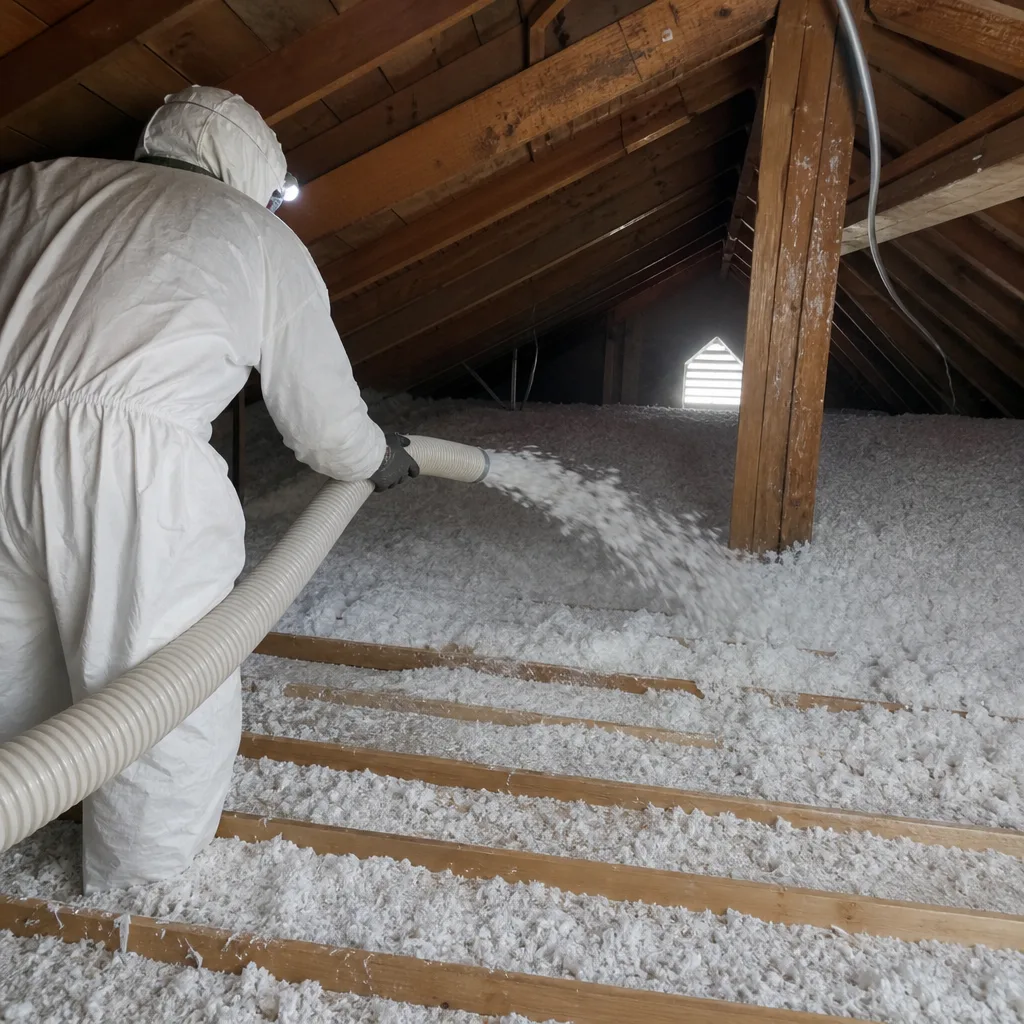
Blown-In Cellulose
We install GreenFiber cellulose in Long Beach attics and walls at the density the application requires - not the density that’s fastest for the crew. Cellulose handles the coastal marine layer better than fiberglass in one specific way: it manages moisture cycles without collapsing. In Long Beach’s stable temperatures but high humidity variance, that matters. We typically see R-38 to R-60 in attics, depending on joist depth and whether we’re topping existing material or starting fresh.
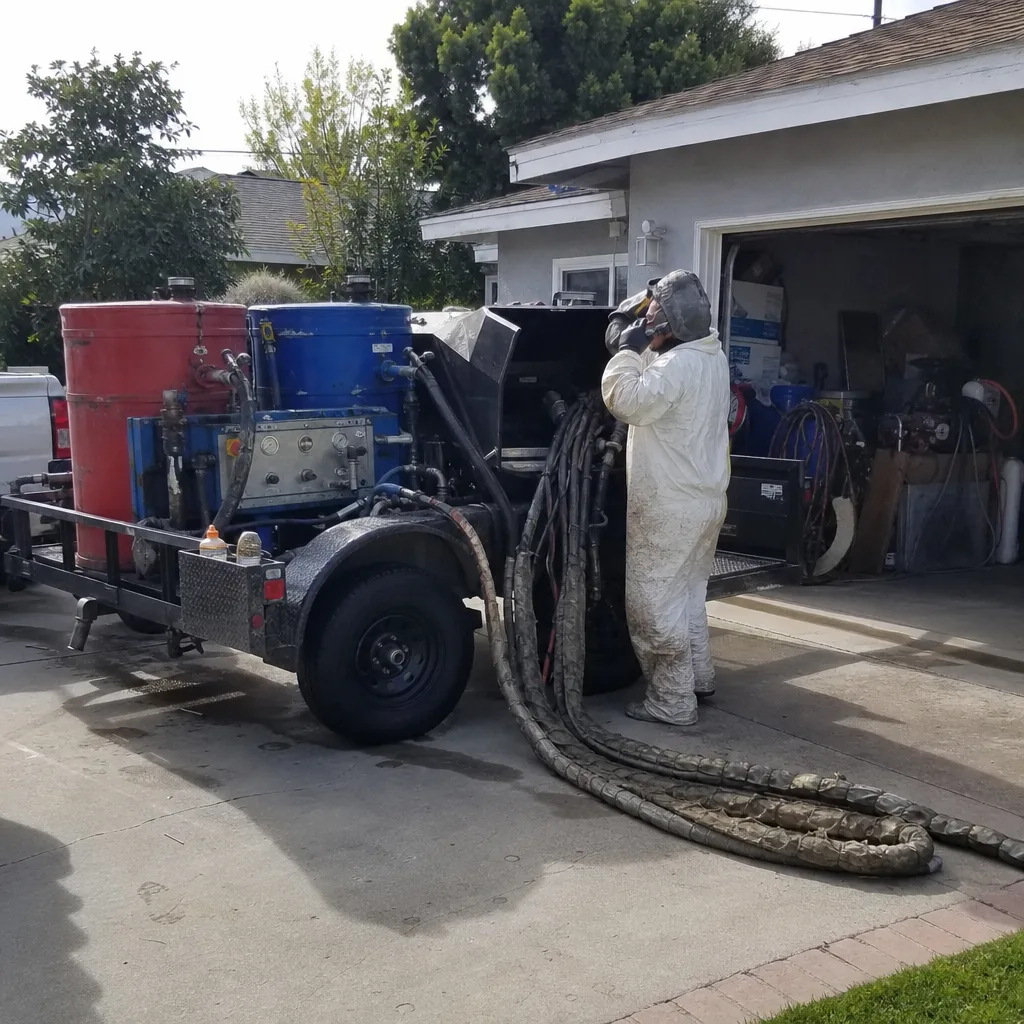
Blown-In Fiberglass
For newer Long Beach construction - the 1980s-and-later stucco tracts near Traffic Circle or the condo conversions along Ocean Boulevard - blown-in fiberglass from Owens Corning or Johns Manville often makes more sense. It doesn’t settle as aggressively as cellulose, and when the attic already has decent air sealing, fiberglass fills irregular joist bays faster. We still seal first. We don’t blow anything over an unsealed attic floor.
Dense-Pack Wall Insulation
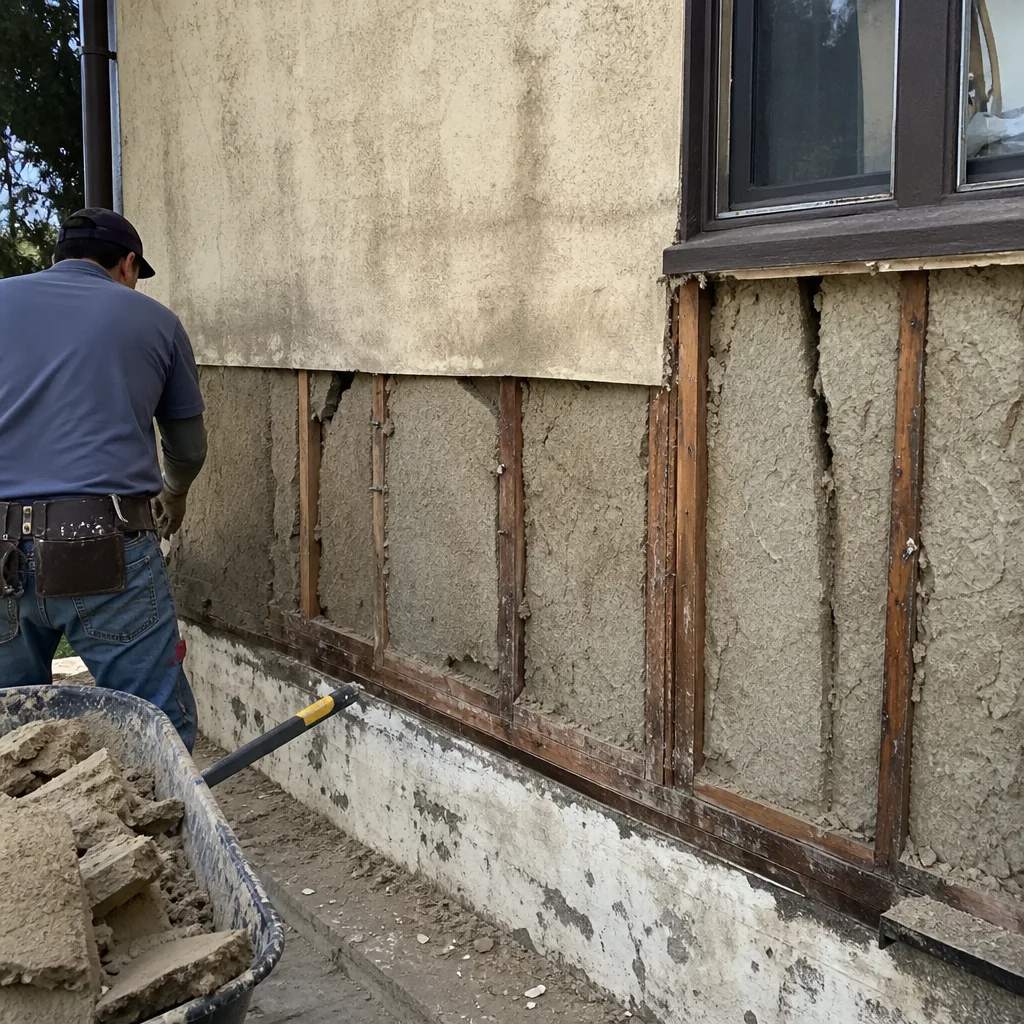
This is where Long Beach’s housing stock gets interesting. In Wrigley and North Long Beach bungalows, the original 1920s-30s wall cavities are frequently found completely empty - not degraded, but never insulated at all during the oil-boom construction rush. Dense-pack cellulose is the default scope, not an upsell. The old-growth redwood framing requires lower-density injection pressures than typical retrofits. Standard high-pressure dense-pack can crack old-growth plaster and lathe, a failure mode specific to this oil-boom housing stock.
On a 1927 Craftsman bungalow off Pacific Avenue in Wrigley, our techs found every exterior stud bay in the front bedroom was completely empty - original redwood framing, zero insulation, plus garage-door springs and opener chain already corroded solid from the salt air coming off the port. We dense-packed the walls with GreenFiber cellulose at reduced pressure to avoid blowing out the old redwood lathe, then air-sealed the top plates and swapped the garage hardware to galvanized springs and nylon rollers, which cut the low-frequency port drone in that bedroom noticeably and stopped the condensation streaks on the west wall.
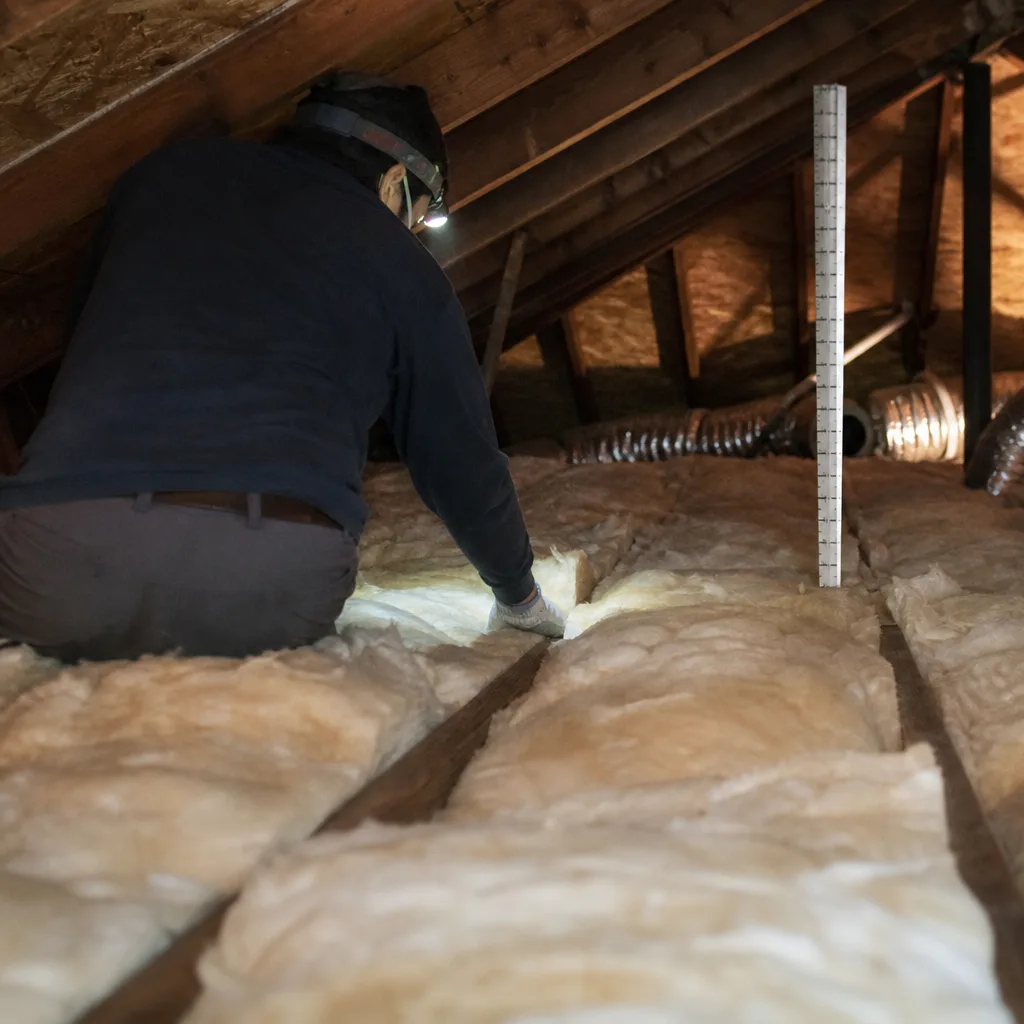
Blown-In Top-Up
Many Long Beach homes have some insulation, but it’s compressed, displaced, or contaminated. The 1950s-60s dingbat apartments near Anaheim Street often have original fiberglass batts that rodents have tunneled through for decades. Post-WWII stucco tracts in Los Altos or El Dorado Park have batts that compressed from R-19 to effectively R-9. We assess what’s there, document it with photos, then calculate exactly how much new material is needed to hit target R-value without overloading the structure.
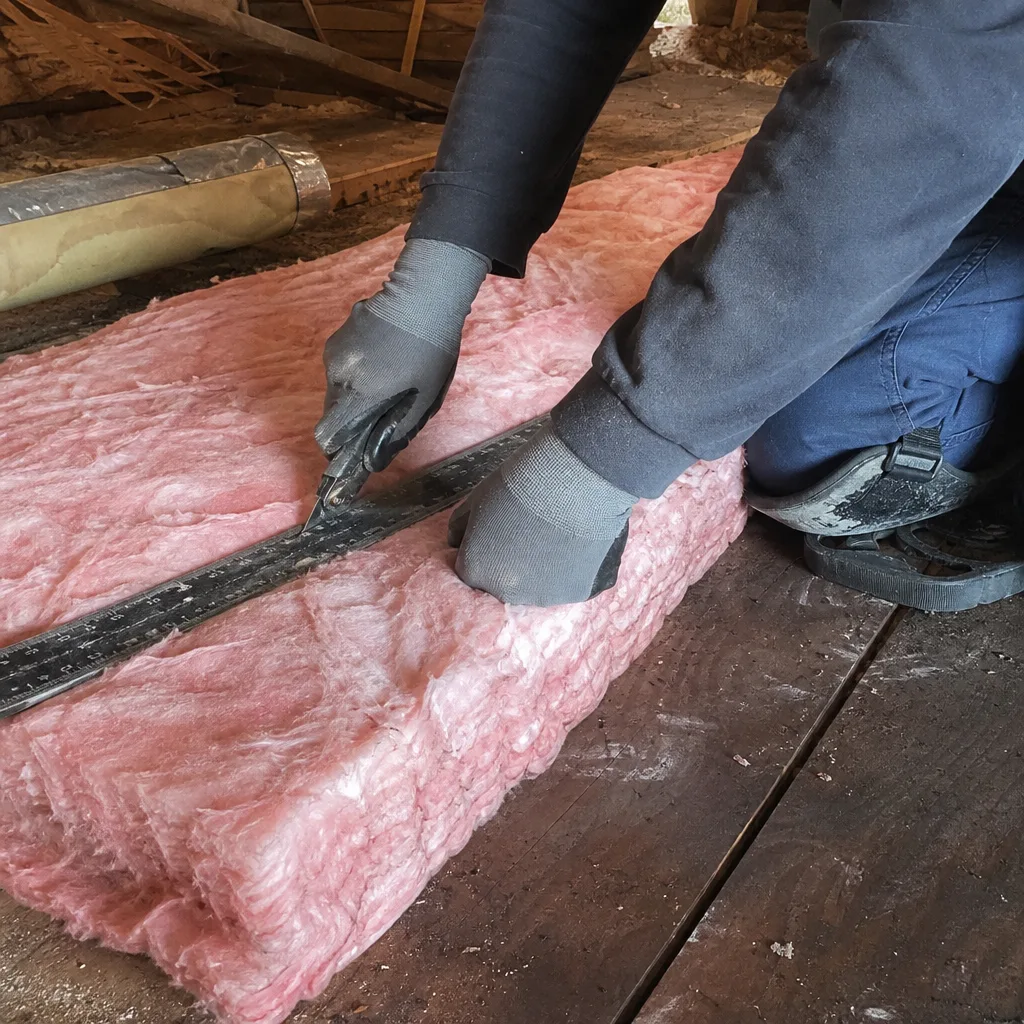
What happens when you call
- 1
A real person answersNo phone trees - you reach a local pro.
- 2
You get an upfront price rangeHonest numbers before anyone is dispatched.
- 3
A background-checked tech heads outLicensed & insured, dispatched right away.
- 4
You approve before work beginsNothing starts until you say go.
 Before
 After
AfterTrusted Brands We Service in Long Beach
We source materials from Rockwool, CertainTeed, Icynene, and Demilec, among others - no proprietary product lock-in means we specify what performs for your specific Long Beach home, not what moves our inventory. Rockwool’s density works well for acoustic dampening in port-adjacent neighborhoods where low-frequency rail and container-ship noise penetrates standard assemblies. CertainTeed’s fiberglass blends handle the marine-layer humidity cycles without degrading. We stock local inventory for common Long Beach applications, so most jobs don’t wait on material delivery.
Common Blown-In Insulation Problems We See in Long Beach Homes
- Salt-air corrosion contaminates shared wall cavities. Garage-door springs, hinges, rollers, and opener chains corrode years faster in Long Beach than inland. When those components shed rust flakes and metal dust into an adjacent wall cavity, they contaminate and compact loose-fill insulation along the shared garage wall. We inspect this condition before adding any new material.
- Blown-in without air sealing wastes money on noise and air quality. The port’s constant low-frequency noise and diesel particulate drive homeowners to ask for blown-in insulation as a noise and air-quality barrier. If the install skips air sealing around top plates and penetrations, the blown-in material does almost nothing for either problem. The conditioned air leaks right past it.
- Standard dense-pack pressure destroys old-growth plaster. In 1920s-40s bungalows, applying standard high-pressure dense-pack can crack the old-growth plaster and lathe. The oil-boom construction rush used redwood framing and minimal fastening that won’t tolerate modern injection pressures. We calibrate our equipment for the house, not our schedule.
- Compressed or pest-damaged batts in mid-century tracts. The 1950s-60s dingbat apartments and post-WWII stucco homes throughout Long Beach often have original fiberglass batts that have compressed or been displaced by decades of pest activity. Topping this material without removing it first creates a layered cake of ineffective insulation and active rodent pathways.
Pricing for Blown-In Insulation in Long Beach, CA
Most attic insulation jobs in a Long Beach home run between $2,400 and $4,800. Dense-pack wall insulation in a typical 1,200-square-foot bungalow ranges $3,200-$5,600. Blown-in top-ups over existing material start around $1,400 for attics under 1,000 square feet. What moves you within these ranges: whether we need to remove existing material, the accessibility of the attic or wall cavities, and the extent of air sealing required before any insulation goes in.
We don’t do “call for a quote.” Every job begins with a written price - flat price, written scope, written warranty before anyone lifts a tool. Haven Standard Clause 1. Bring us a competing quote and we’ll read it with you; our Free Second Opinion applies to any written estimate. Estimates themselves are free. Call (424) 349-7262.
| Service | Typical Range in Long Beach |
|---|---|
| Attic blown-in (new installation) | $2,400 - $4,800 |
| Dense-pack wall insulation (1,200 sq ft bungalow) | $3,200 - $5,600 |
| Blown-in top-up over existing | $1,400 - $2,800 |
| Air sealing + insulation package | $3,800 - $7,200 |
We Also Serve Cities Near Long Beach
Our crews work throughout the Gateway Cities. If you’re in Long Beach or nearby - Bellflower, Cerritos, Norwalk, Downey - we run the same process: written price first, documented record last, blower-door numbers when applicable. Same live-answer phone line, same 365-Day Done Right Promise.
Serving Long Beach, CA - Our Local Coverage Area
We’re based in the Long Beach area and know this community well. Use the map below to see our service coverage - if you’re nearby, we can almost certainly help.
FAQs - Blown-In Insulation in Long Beach
Long Beach’s coastal marine layer keeps temperatures stable, so the standard “cut your AC bill” pitch is weaker here than inland. Contractors who lean instead on year-round comfort, condensation control, and acoustic dampening - the port, rail yards, and LAX flight paths generate constant low-frequency noise - tend to close more jobs. Blown-in insulation, properly air-sealed, addresses all three. Call (424) 349-7262 for an exact quote - estimates are free.
Yes, indirectly. Salt air accelerates corrosion in garage-door hardware, HVAC components, and any metal fasteners in your building envelope. When corroded parts shed material into adjacent wall cavities, they compact and contaminate loose-fill insulation. We inspect for this condition before adding new material, and we specify galvanized or stainless hardware replacements when we find it. Call (424) 349-7262 for an exact quote - estimates are free.
Probably not. In older Wrigley and North Long Beach bungalows, contractors regularly find that the original 1920s-30s wall cavities were never insulated at all - not degraded insulation, but literally empty stud bays - because insulation wasn’t standard practice when these homes were built during the oil-boom construction rush. Dense-pack cellulose is typically the default scope, not an upsell. Call (424) 349-7262 for an exact quote - estimates are free.
Only if air sealing is done first. Blown-in material by itself doesn’t block particulate matter. The combination of sealed top plates, sealed can lights and penetrations, and dense-fill insulation creates a pressure boundary that reduces infiltration of outdoor pollutants, including diesel particulate from the 710 corridor and West Long Beach. We document the before-and-after blower-door reading so you can verify the reduction. Call (424) 349-7262 for an exact quote - estimates are free.
We specify based on the application, not a single preferred vendor. GreenFiber cellulose for dense-pack in old bungalows, Owens Corning or Johns Manville fiberglass for newer attics, Rockwool when acoustic performance is the priority near the port or rail corridors. No proprietary lock-in means you get what performs, not what moves our inventory. Call (424) 349-7262 for an exact quote - estimates are free.
Ready to see what your home actually needs? Call (424) 349-7262. A live person answers 24/7. We’ll schedule an inspection, deliver a written price before any work starts, and leave you with a Documented Photo Record and - on applicable jobs - before-and-after blower-door numbers that prove what changed.
Written by Wes Okafor, Owner at Topside Attic Insulation Whittier, serving Long Beach since 2016.