
Demilec Vapor Barrier Installation: The Whittier Owner’s Guide
Demilec vapor barrier installation in Whittier typically runs $1,800-$3,400 for a standard crawl space or attic application, and we stock Demilec-compatible 10-mil and 15-mil reinforced polyethylene on our trucks for same-day starts. Most Whittier homeowners discover the barrier has failed when they notice a sharp musty smell after winter rains or see condensation beading on ductwork in a previously dry crawl space. The polyethylene sheeting, rated for soil-gas and moisture blocking, degrades at seams and perimeter anchoring points first - especially in the clay-heavy soils common to the Whittier Hills area where ground moisture wicks upward for months after the rainy season ends.
Which Demilec Models This Applies To
Demilec does not sell standalone “vapor barrier” SKUs under a single model name; instead, their moisture-control materials ship as specified components within closed-cell spray-foam assemblies (Heatlok HFO Pro, Heatlok XT, Sealection 500) and as companion polyethylene sheeting for crawl-space encapsulation systems. To identify what you have, look for the yellow-and-black Demilec label on any existing spray-foam rim joist or the stamped code on polyethylene sheeting (typically “DML-10MIL” or “DML-15MIL-RF” for reinforced versions). Measure your existing sheet thickness with a caliper - 10-mil is standard for attic floors over conditioned space, 15-mil reinforced for crawl spaces with rocky or rodent-active substrate.
We are an independent service provider with no affiliation to Demilec. For Whittier homes with Demilec spray-foam already in place, we match new vapor barrier to the existing foam’s permeance rating - Heatlok HFO Pro runs about 1.0 perm at 1 inch, so we spec a Class I vapor retarder (0.1 perm or less) beneath it in conditioned attics to prevent double-barrier trapping. Aftermarket reinforced polyethylene from Johns Manville or Owens Corning performs equivalently at lower cost, but we keep Demilec-spec 15-mil on the truck for homeowners who want material continuity for warranty or resale documentation.
Signs Your Demilec Vapor Barrier Installation Is Failing
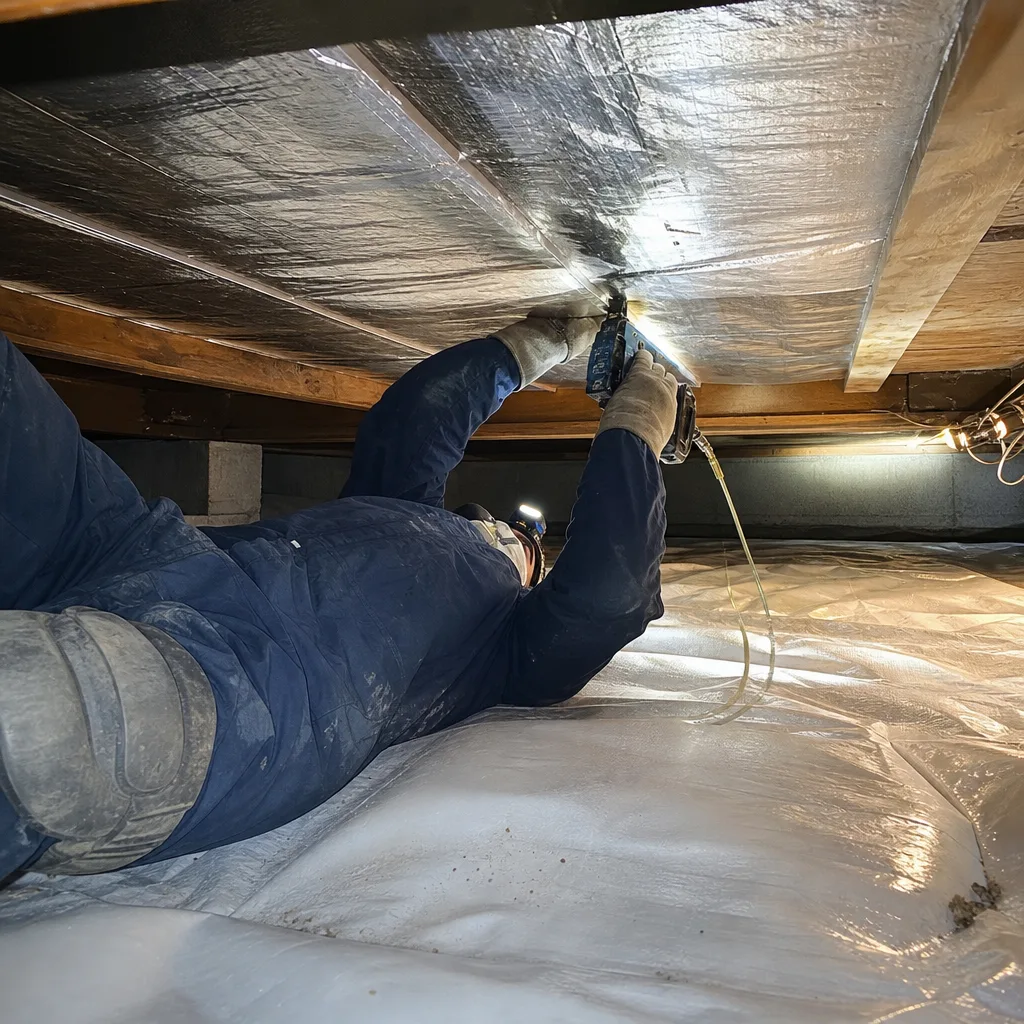
- Musty odors rising through floor registers. When the barrier tears at seams or pulls from perimeter walls, soil gases and evaporating ground moisture enter the crawl space and get drawn into HVAC return pathways. In Whittier’s older Uptown bungalows with original floor joist spacing, this usually starts at the access door gap where the barrier was never properly terminated to the frame.
- Condensation on ductwork or insulation. A compromised barrier raises the crawl space’s relative humidity above 70%, and cool supply ducts in summer become condensation surfaces. We see this most in south Whittier homes near the Puente Hills, where summer dew points sit in the low 60s and a 5% gap in barrier coverage is enough to saturate fiberglass batts above.
- White or gray mold spotting on joist bottoms. This is wood cellulose digesting at 20%+ moisture content, typically where the barrier has ponded water above it from a plumbing leak or where the original install used non-overlapping seams without Demilec-compatible tape.
- Sagging or pooled areas in the barrier itself. Standing water above the poly means either a drainage failure or that the barrier was installed without proper slope to a sump or drain point. Demilec’s 15-mil reinforced product holds up to light pooling, but chronic submersion degrades the reinforcement mesh within 18-24 months.
- Increased energy bills with no equipment change. Wet insulation above a failed barrier loses R-value rapidly - fiberglass at 20% moisture content performs at roughly 30% of its rated value. Your HVAC runs longer to compensate, and the blower-door number we take before sealing will show elevated leakage at the floor plane.
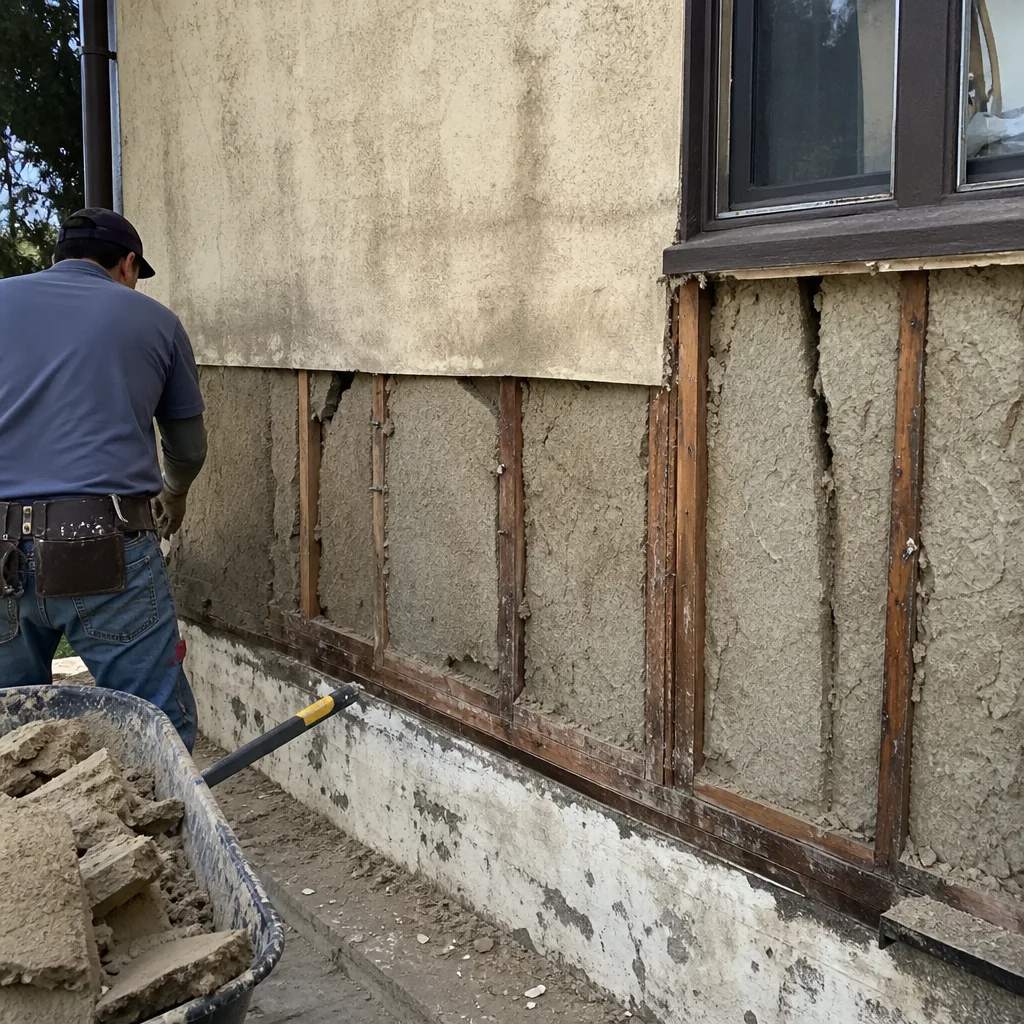 Before
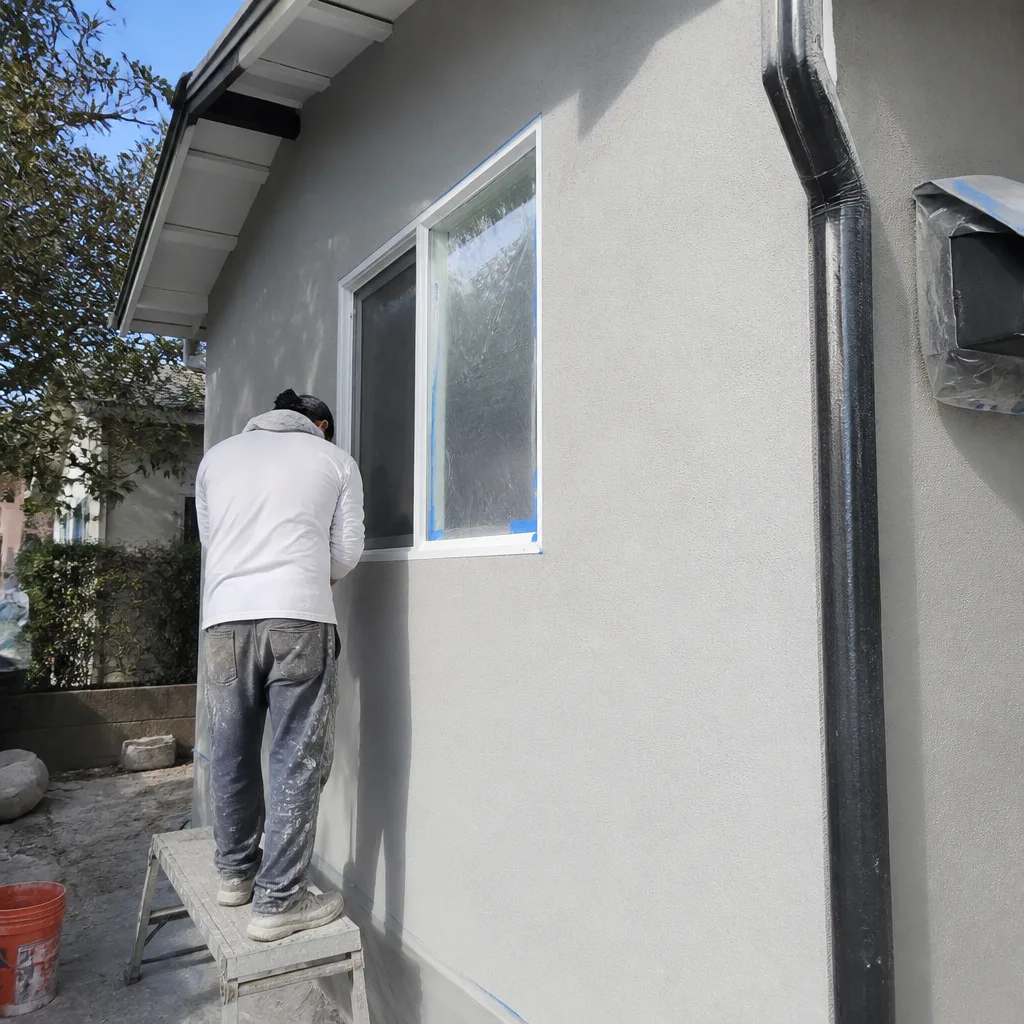 After
AfterReplacement Cost & What’s Included
| Scope | Typical Range in Whittier | What Drives It |
|---|---|---|
| Standard crawl space, 800-1,200 sq ft | $1,800-$2,600 | Access clearance, debris removal, seam taping density |
| Large or segmented crawl space, 1,200-2,000 sq ft | $2,400-$3,400 | Multiple access points, pier-and-beam obstacles, sump integration |
| Attic floor vapor retarder replacement | $1,400-$2,200 | Existing insulation handling, top-plate sealing prerequisite |
| Demilec-compatible 15-mil reinforced material upgrade | Add $200-$350 | Material cost delta, longer seam welding time |
Every quote is a written price before any work starts - Haven Standard Clause 1. The range covers polyethylene sheeting, Demilec-compatible seam tape or heat welding, perimeter mechanical fastening to CMU or wood sill plates, and disposal of the failed barrier. We do not price by the roll and add labor later; the written scope lists square footage, material spec, and labor line items separately so you can compare against any other estimate. Our 365-Day Done Right Promise covers delamination, seam separation, or fastener pull-out. On applicable jobs, you receive before-and-after blower-door numbers showing the air-leakage reduction at the floor plane - typically a 300-600 CFM50 drop in Whittier’s 1950s stock when we seal before laying the new barrier.
DIY or Call Us?
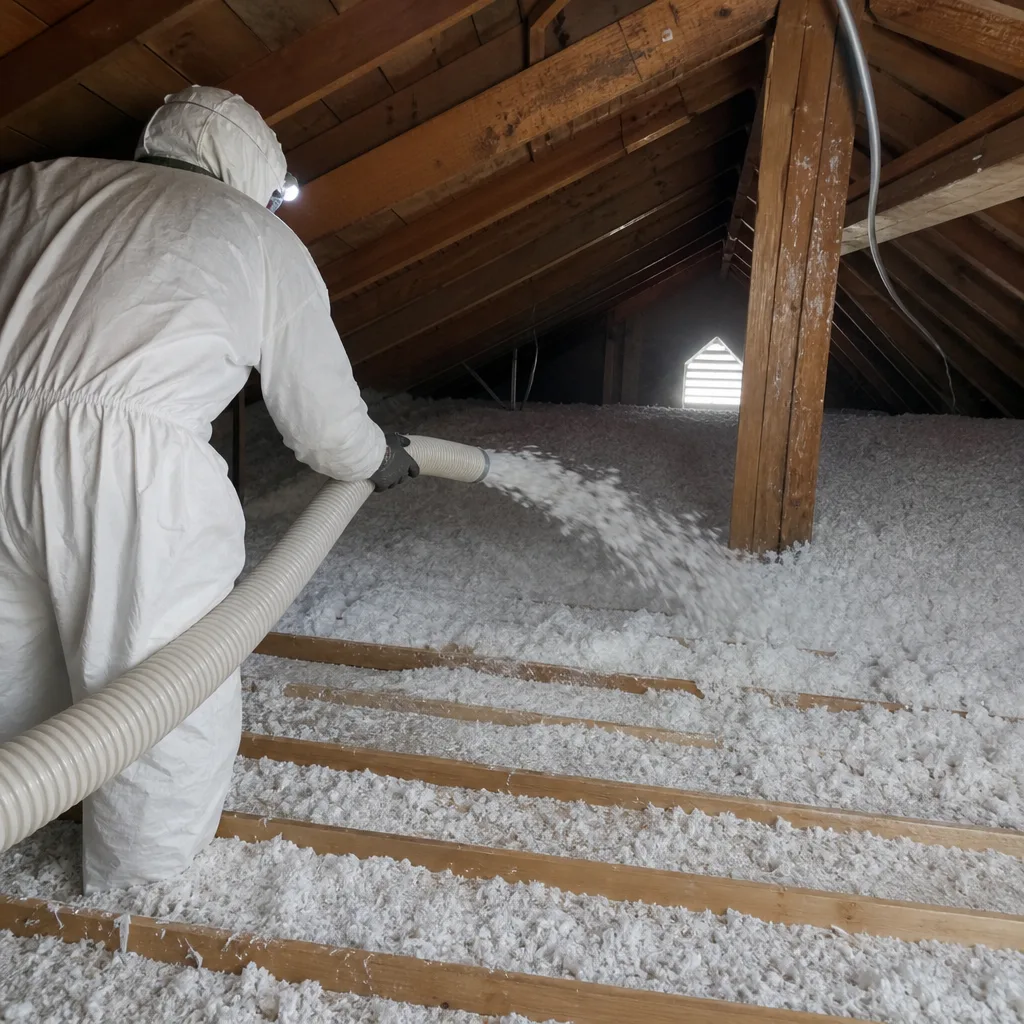
What you can safely check: verify the barrier thickness with a tape measure or caliper, photograph any label stamps for material identification, and trace the perimeter for obvious tears or detached fastening - no tools beyond a flashlight and kneepads required. What goes wrong fast: cutting new sheeting to fit around piers and ducts without accounting for thermal expansion (polyethylene shrinks 2-3% in cold crawl spaces), using hardware-store duct tape instead of vapor-barrier-specific tape that fails in 90 days, and skipping the drainage assessment that determines whether you’re covering a problem or solving it.
Seal it first, then cover it - the insulation is not the fix, it’s the finish. In two decades across the San Gabriel Valley, Wes Okafor has pulled apart enough shortcut jobs to know that a vapor barrier laid over unsealed top plates and bypasses is a temporary pond liner, not a system. If your crawl space has active water entry, rodent damage, or spray-foam adjacent to the barrier zone, call (424) 349-7262. We stock Demilec-compatible material and can start most Whittier jobs within 48 hours.
FAQs
A properly installed 15-mil reinforced barrier in a dry, sealed crawl space lasts 15-20 years; in Whittier’s clay soils with seasonal moisture wicking, 10-15 years is realistic if drainage is managed. The seam tape or heat-welded joints are usually the failure point, not the sheet itself. Call (424) 349-7262 for an exact condition assessment - estimates are free.
Patching works for isolated tears under 12 inches using compatible tape and an overlap patch of matching material, but widespread seam failure or degradation from pooling means full replacement. We document the damage with photos and give you both options in writing before any work starts. Call (424) 349-7262 to schedule a look.
Most standard Whittier crawl spaces finish in one day; segmented or obstructed spaces run into a second day. We arrive with material on the truck, so there’s no supplier delay. You’ll get a text when the crew is en route and a Documented Photo Record before we leave. Call (424) 349-7262 to check this week’s availability.
We keep 10-mil and 15-mil reinforced polyethylene in Demilec-compatible specs on our Whittier-area trucks, plus Johns Manville and Owens Corning equivalents. No order delay for standard jobs. For Demilec-specific matching in a warranty or resale documentation situation, we can source exact-lot material within 3-5 business days. Call (424) 349-7262 to confirm current truck stock.
Written by Wes Okafor, Owner, Topside Attic Insulation Whittier at Topside Attic Insulation Whittier, serving Whittier and nearby areas.