
GreenFiber Attic Insulation: The Whittier Owner’s Guide
Most GreenFiber attic insulation jobs in Whittier run between $1.80 and $2.80 per square foot installed, with a typical 1,200-square-foot attic landing between $2,200 and $3,400 for removal and replacement. We stock GreenFiber cellulose on every truck and can usually start same-day if you call before noon. Homeowners usually discover the problem when their summer PG&E bill jumps 30% or more, or when they notice the second bedroom in their Whittier home won’t stay cool even with the AC running flat out.
Which GreenFiber Models This Applies To
GreenFiber manufactures loose-fill cellulose insulation sold under two product lines you’ll see in Whittier attics: Low Dust and All Borate. The Low Dust line carries an R-value of 3.7 per inch and uses a proprietary mineral oil treatment to reduce airborne particles during blow-in. All Borate runs R-3.8 per inch and relies entirely on borate compounds for fire and pest resistance, no ammonium sulfate. Check the paper bag label for a manufacturing date stamp and lot number; GreenFiber switched bag dimensions in 2019, so pre-2019 stock sits flatter and may read as compacted even when new.
We do not use or stock GreenFiber’s stabilized cellulose product, the one with added adhesive for sidewall application. That material requires different equipment and is rarely specified for attic floors in our market. If your existing insulation is gray, fibrous, and settles to roughly 70% of its blown depth under foot traffic, it’s standard loose-fill cellulose and we match it exactly. Topside Attic Insulation Whittier is an independent service provider, not affiliated with GreenFiber.
For homeowners comparing to what we also carry: Reflectix radiant barrier products serve a different function entirely, reflecting radiant heat rather than resisting conductive flow, and we stock those for Whittier homes with unvented roof assemblies or cathedral ceilings where cellulose alone won’t solve the problem.
Signs Your GreenFiber Attic Insulation Is Failing
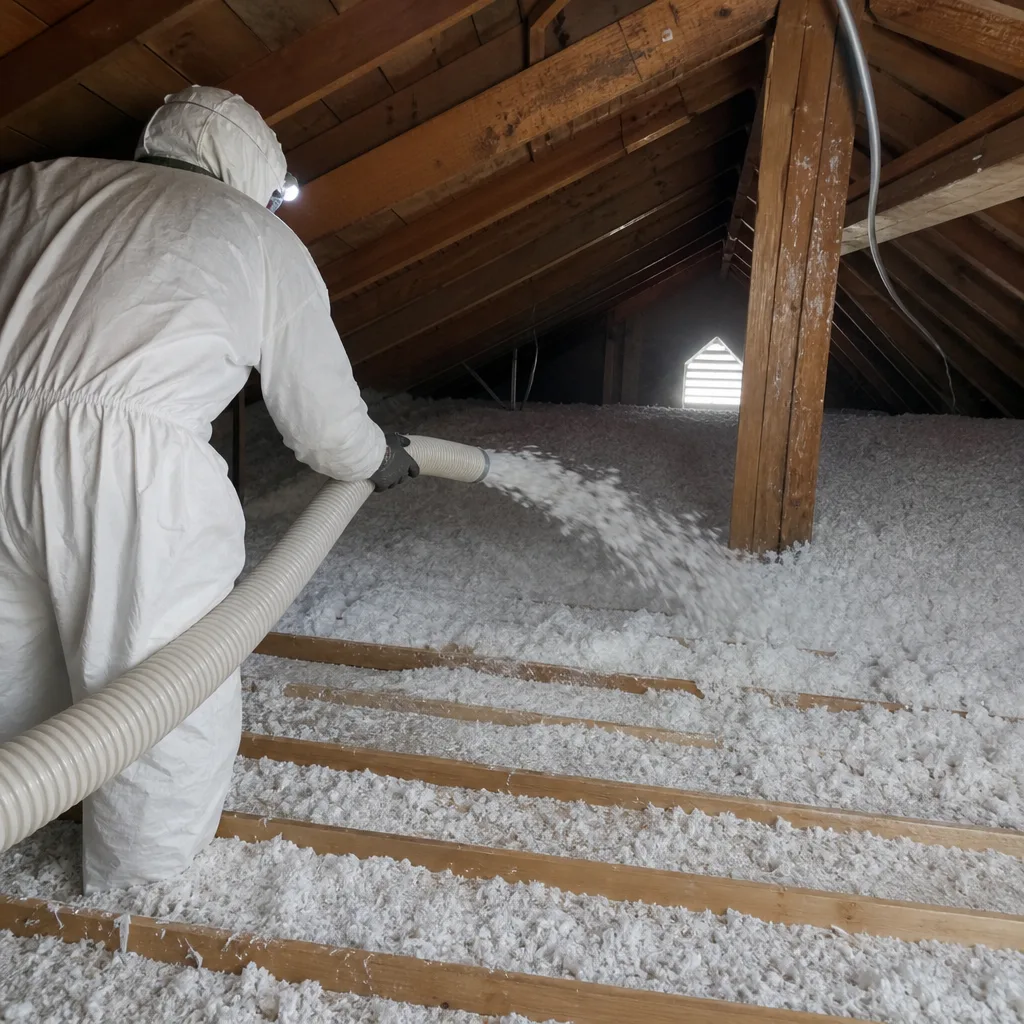
- Uneven settlement creating thin spots. Cellulose settles naturally 15-20% over time, but in Whittier’s older Uptown bungalows with irregular joist bays, we’ve measured spots where 12 inches of original blown depth has compressed to 4 inches or less. The thermal resistance at those points drops below R-15, and conditioned air bleeds through fast enough to feel at the ceiling register.
- Moisture staining or musty odor from the attic hatch. GreenFiber’s borate treatment resists mold, but it cannot overcome a roof leak or blocked soffit vent. In Whittier’s spring marine layer months, we see attics with inadequate ventilation pull moisture from the Pacific and deposit it on the insulation surface. The cellulose cakes, its R-value plummets, and the borate leaches out with repeated wetting.
- Rodent tunneling and displacement. Cellulose is not a food source, but rats and squirrels excavate nesting cavities that leave bare drywall ceiling exposed. We find this most often in Whittier homes near the hills where mature oak canopies touch rooflines, giving roof rats direct access. The tunnels create convection paths that bypass the remaining insulation entirely.
- Excessive dust at ceiling penetrations. When GreenFiber ages past 15 years in a vented attic, the fiber structure breaks down. Fine particles migrate through can-light trim, ceiling fan bases, and drywall gaps. If you’re dusting more often and the particles feel gritty rather than fibrous, the insulation is degrading and becoming airborne.
- Hot ceiling surfaces during afternoon hours. We carry an infrared thermometer on every truck. A healthy attic floor in Whittier should read within 10 degrees of ambient attic air. When the ceiling drywall hits 95°F or higher on a 75°F day, the insulation layer has failed somewhere, even if you can’t see it from the hatch.
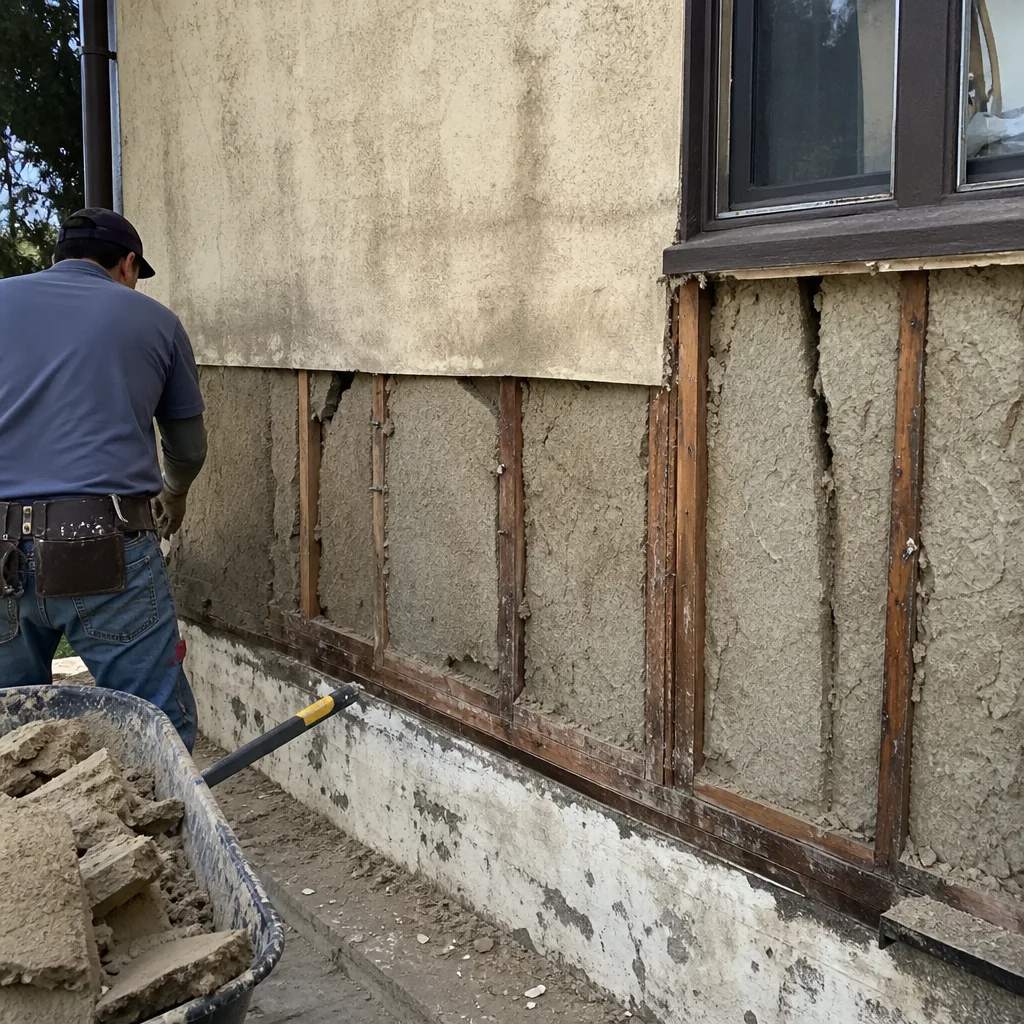 Before
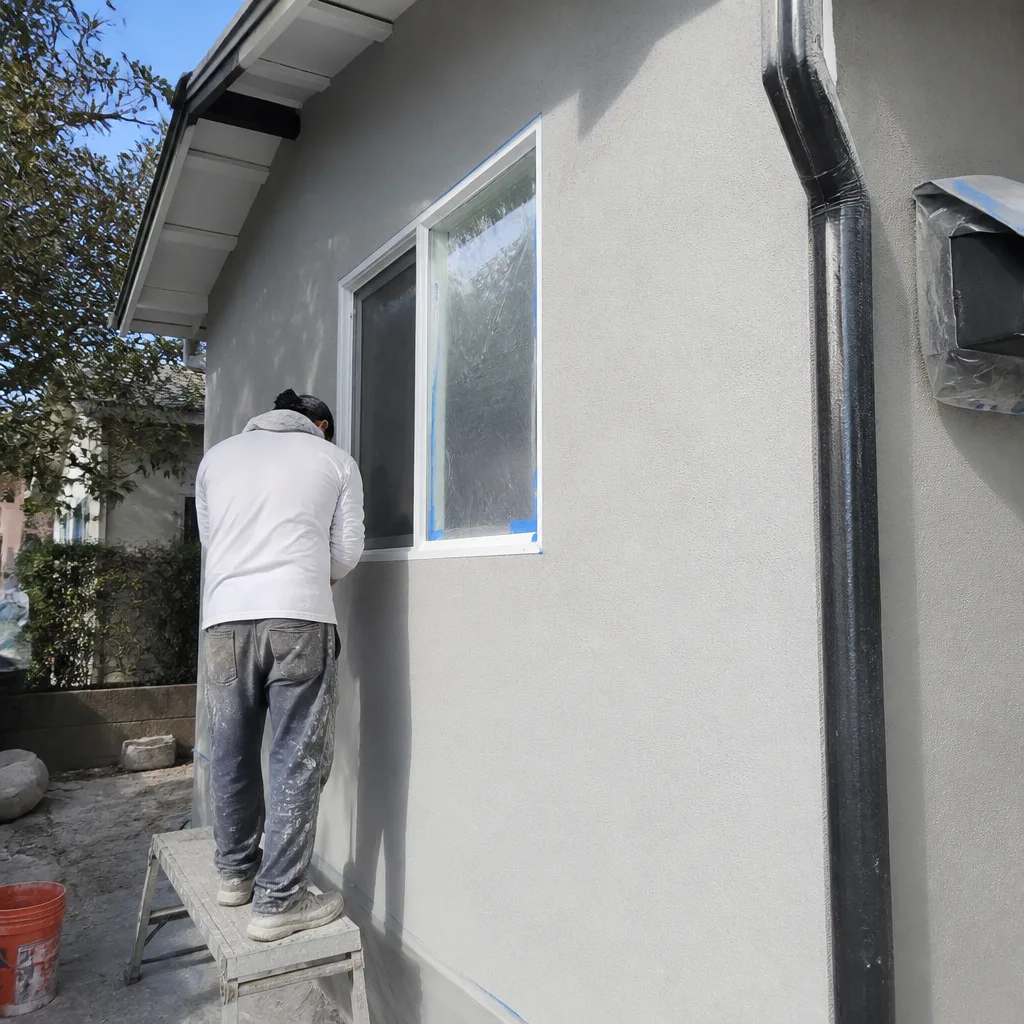 After
AfterReplacement Cost & What’s Included
| Scope | Price Range (Whittier) |
|---|---|
| Removal of failed cellulose, disposal, and new GreenFiber blow-in (1,000-1,500 sq ft attic) | $2,200 - $3,400 |
| Attic air sealing of top plates, can lights, and penetrations (required before insulation) | $800 - $1,400 |
| Blower-door test - before and after readings | Included |
| Documented Photo Record of all work | Included |
| 365-Day Done Right Promise | Included |
What drives the range: attic square footage is only part of it. The real variable is how much existing material we remove, whether there’s rodent waste requiring hazmat handling, and how many penetrations need sealing before we blow. A 1950s Whittier ranch with original can lights and a bathroom vent dumping into the attic will run higher than a 1980s tract home with a clean envelope. We give you a written price before any work starts, always, under Haven Standard Clause 1. No exceptions.
DIY or Call Us?
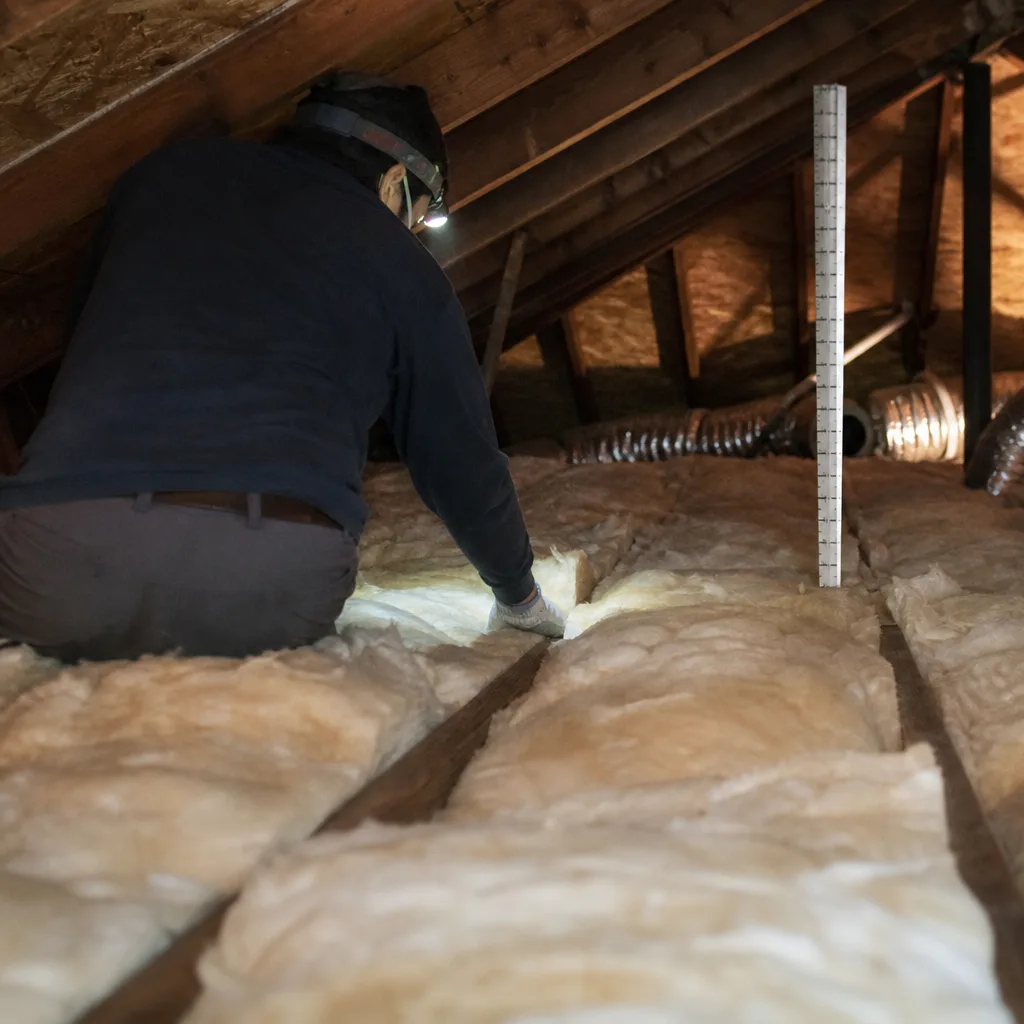
You can safely check three things from the attic hatch with a flashlight and a yardstick: measure current insulation depth in multiple spots, look for obvious water staining on the roof deck, and note any daylight visible through soffit or ridge vents that shouldn’t be there. What you cannot safely do is disturb cellulose that may contain rodent waste, asbestos from vermiculite intermix, or degraded fibers that become respirable. We carry P100 respirators and negative-air equipment for a reason.
The bigger risk is skipping air sealing. We’ve lost count of Whittier attics where someone blew new GreenFiber over a leaky top plate and called it done. Six months later the homeowner has the same comfort complaints and a lighter wallet. Seal it first, then cover it - the insulation is not the fix, it’s the finish. Our crew runs blower-door tests to prove the sealing worked before any insulation goes in. Call (424) 349-7262 and we’ll read your situation with you, no charge for the assessment.
FAQs
Properly installed and protected from moisture, GreenFiber cellulose lasts 20 to 30 years in Whittier’s climate. The limiting factor is usually not the fiber itself but what happens around it: roof leaks, blocked ventilation, or rodent activity. We’ve replaced 12-year-old installations in homes near the Whittier Hills where poor soffit venting trapped summer heat above 140°F, accelerating breakdown. Call (424) 349-7262 for an attic condition check - estimates are free.
Spot-addition is possible if the existing cellulose is dry, uncontaminated, and less than 10 years old. We fluff and level the existing material, then blow additional inches to reach target R-value. If there’s moisture damage, rodent waste, or degradation past 15 years, removal and replacement is the only sound option - adding new over failed old traps problems beneath. We’ll tell you which situation you’re in after a visual inspection. Call (424) 349-7262 to schedule.
Most Whittier homes complete in one day: removal in the morning, air sealing and blower-door verification by early afternoon, new blow-in by end of day. Larger homes or those requiring extensive rodent proofing may need a second day. We never leave an attic open overnight - Haven Standard requires a sealed, documented envelope at day’s end. You’ll get your before-and-after blower-door numbers, your photo record, and your written warranty before we leave.
Yes. We carry GreenFiber Low Dust and All Borate in 25-pound bags on every Whittier-area truck, enough for most residential attics up to 1,800 square feet without a supply run. For larger jobs or the rare stabilized cellulose specification, we pull from our La Mirada warehouse with same-day delivery. We also stock Owens Corning, Johns Manville, Knauf, Rockwool, CertainTeed, Icynene, and Demilec - no proprietary lock-in, so we match the right material to your home rather than selling what we happen to have.
Ready to stop throwing money at the PG&E bill? Call (424) 349-7262. A live person answers 24/7. We’ll schedule a free attic assessment, give you a written price before any work starts, and show you the blower-door proof when we’re done.
Written by Wes Okafor, Owner, Topside Attic Insulation Whittier at Topside Attic Insulation Whittier, serving Whittier and nearby areas.