
Icynene Attic Air Sealing: The Whittier Owner’s Guide
Most Icynene attic air sealing jobs in Whittier run between $1,800 and $3,400 installed, depending on attic square footage and how many top-plate penetrations need sealing. We stock Icynene-compatible open-cell foam, vapor-retarder accessories, and rigid foam blocking on every truck, and we can usually inspect and seal the same day you call. Homeowners typically discover the problem when rooms stay hot despite new insulation, or when a recent energy audit flags thermal bypasses the original installer missed.
Seal it first, then cover it - the insulation is not the fix, it’s the finish.
Which Icynene Models This Applies To
Icynene’s product line for attic air sealing breaks into two families that matter for Whittier homes: the LD-C-50 open-cell series and the MD-R-200 medium-density closed-cell series. The LD-C-50 is what you’ll find in most 1950s California bungalows around Uptown Whittier - it expands to roughly 100 times its liquid volume and fills irregular joist bays well. The MD-R-200 delivers a higher R-value per inch but requires tighter moisture management, which is why we see it fail more often in Whittier’s older homes where bathroom vents terminate in the attic rather than through the roof.
To identify what you have, check the spray-foam surface texture and any leftover documentation from the original job. LD-C-50 cures to a soft, spongy surface you can indent with a fingernail; MD-R-200 is rigid, like cutting through stale bread. If there’s a job tag or invoice, look for Icynene’s lot number format - it starts with a two-digit year and plant code. We don’t need that number to fix your attic, but it tells us whether the original installer used the correct lift thickness for our climate zone.
Topside Attic Insulation Whittier is an independent service provider, not affiliated with Icynene. We source OEM Icynene material when the job calls for it, but we also carry Demilec and Johns Manville equivalents that meet the same ASTM E84 and ICC-ESR listings. The compatibility gotcha in Whittier: some 2018-2021 installs used Icynene’s reformulated LD-C-50 with a higher bio-content base, and that version bonds differently to dusty OSB than the standard formulation. We test adhesion before committing to a patch or full replacement.
Signs Your Icynene Attic Air Sealing Is Failing
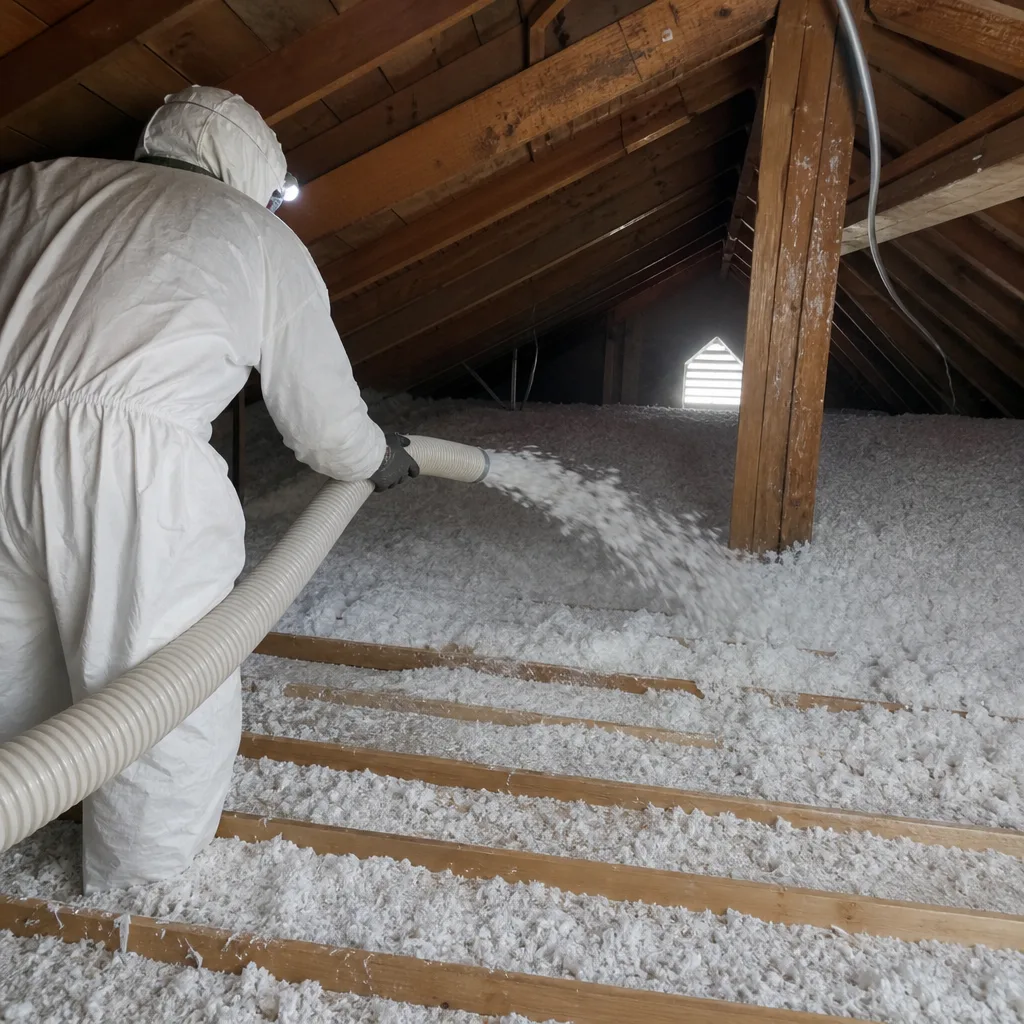
- Uneven room temperatures despite running the AC constantly. This usually means the air sealing has pulled away from top plates or chimney chases, creating thermal bypasses - paths where conditioned air escapes into the attic faster than your insulation can slow it. We see this most in Whittier’s Friendly Hills and East Whittier neighborhoods, where roof geometry creates complex joist intersections that are easy to miss on the first pass.
- Dust streaks on ceiling drywall near light fixtures or registers. Those dark lines are filtration soiling: attic air, carrying dust and insulation particles, is being drawn through gaps the Icynene was supposed to seal. The foam itself may look intact from below, but the seal to the drywall or electrical box has failed.
- Ice-cold ductwork in summer or sweating ducts in shoulder season. When attic air sealing fails, the attic temperature approaches outdoor ambient. In Whittier, that means 95°F attic air in August wrapping around ducts that are supposed to be in conditioned space. The condensation you see is a symptom; the bypass is the disease.
- Energy bills climbing year over year with no rate change. A blower-door test - a pressurization reading that shows, in one number, how much air your building envelope is losing - will typically reveal 15-30% higher CFM50 than when the Icynene was first installed. We’ve tested homes in South Whittier that read 3,800 CFM50 when they should have been under 2,500 after sealing.
- Visible crumbling, yellowing, or shrinkage of the foam surface. Icynene’s open-cell products can degrade if exposed to sustained UV through a missing hatch gasket or unsealed gable vent. In Whittier’s sun-exposed attics, we’ve found foam that turned from cream-colored to amber and lost 20% of its thickness in four years.
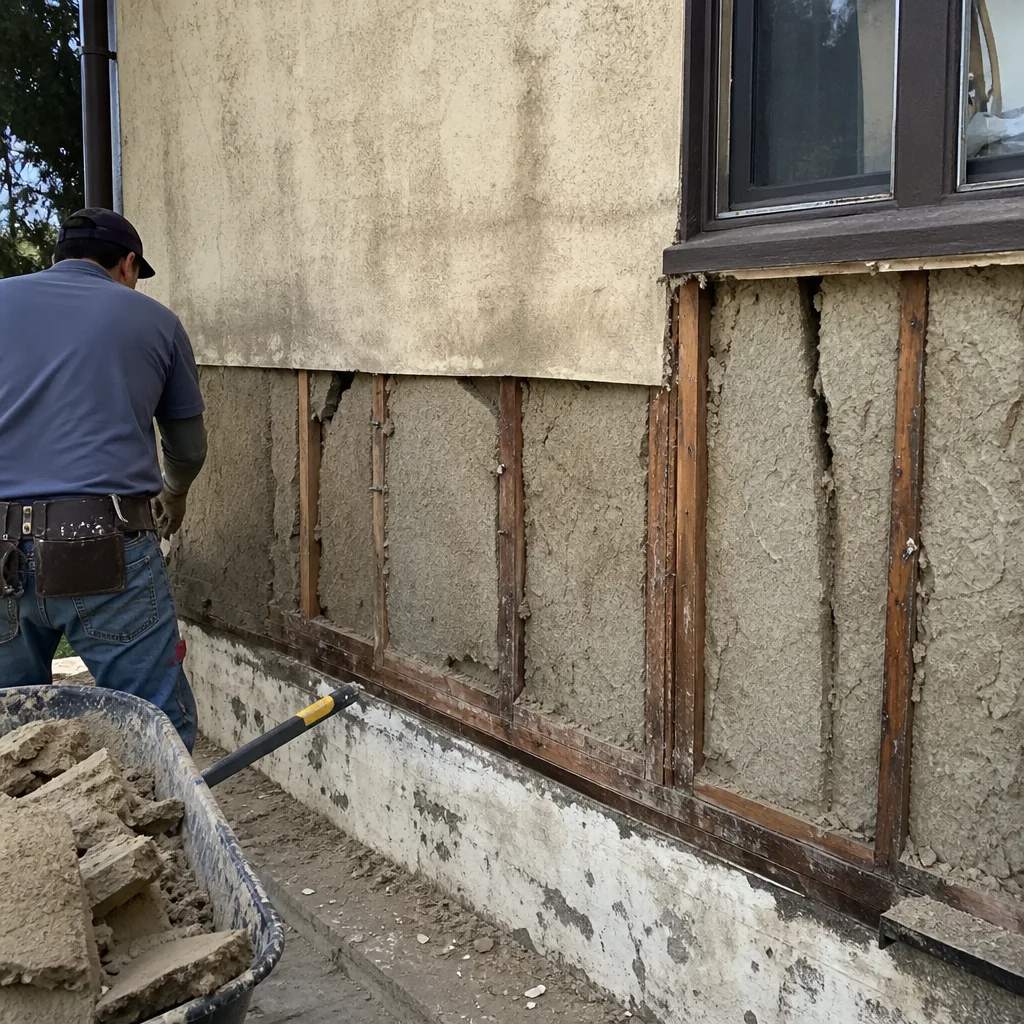 Before
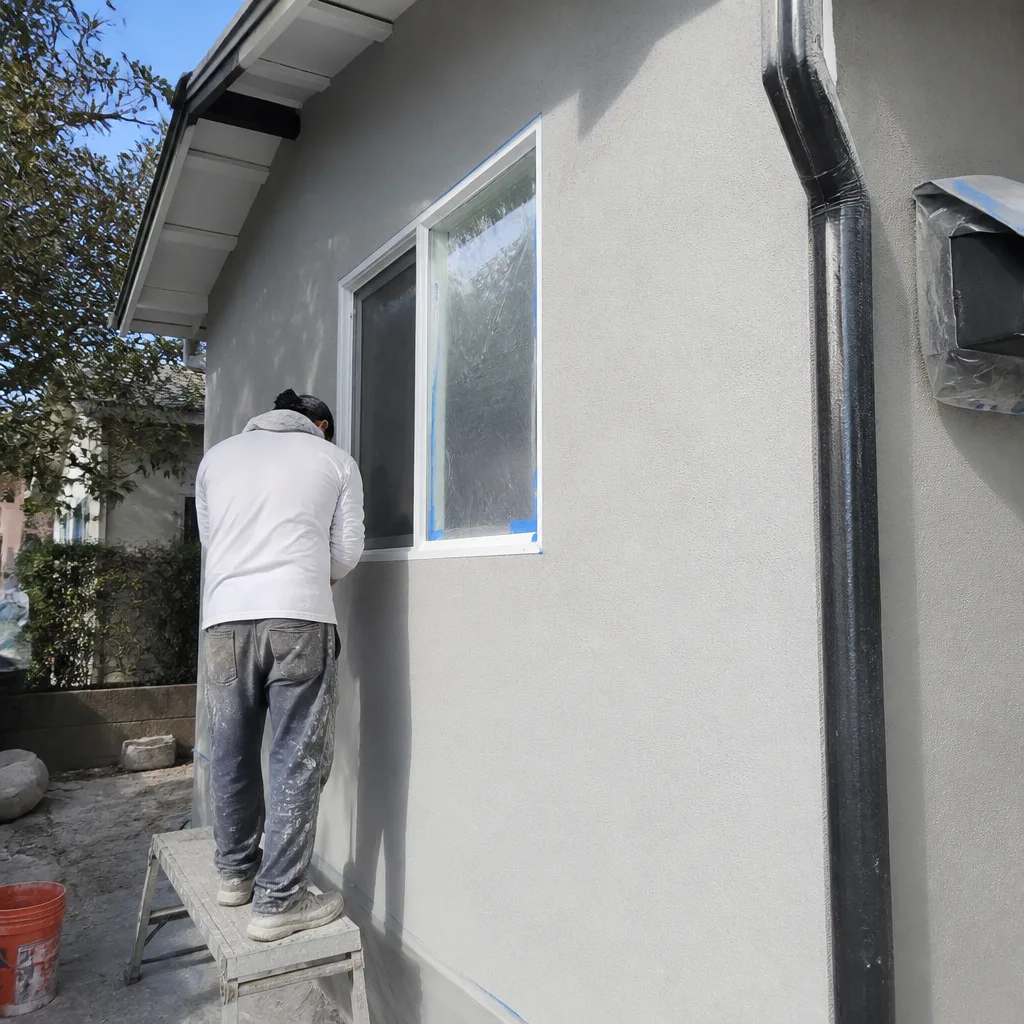 After
AfterReplacement Cost & What’s Included
Here’s what most Whittier homeowners pay for Icynene attic air sealing with Topside Attic Insulation Whittier:
- Small attic (under 800 sq ft): $1,800-$2,400
- Mid-size attic (800-1,500 sq ft): $2,400-$2,900
- Large or complex attic (1,500+ sq ft, multiple levels, vaulted sections): $2,900-$3,400
What drives the range: accessibility (truss height, existing insulation depth that must be moved), number of penetrations to seal (can lights, plumbing stacks, wiring holes, top plates), and whether we need to remove degraded foam before applying new material. Every job includes labor, Icynene or equivalent foam, vapor-retarder accessories where code requires them, and cleanup. We also run a blower-door test before and after so you have documented proof of the improvement. Under our 365-Day Done Right Promise, if the CFM50 doesn’t drop as scoped, we return and correct it at no charge.
DIY or Call Us?
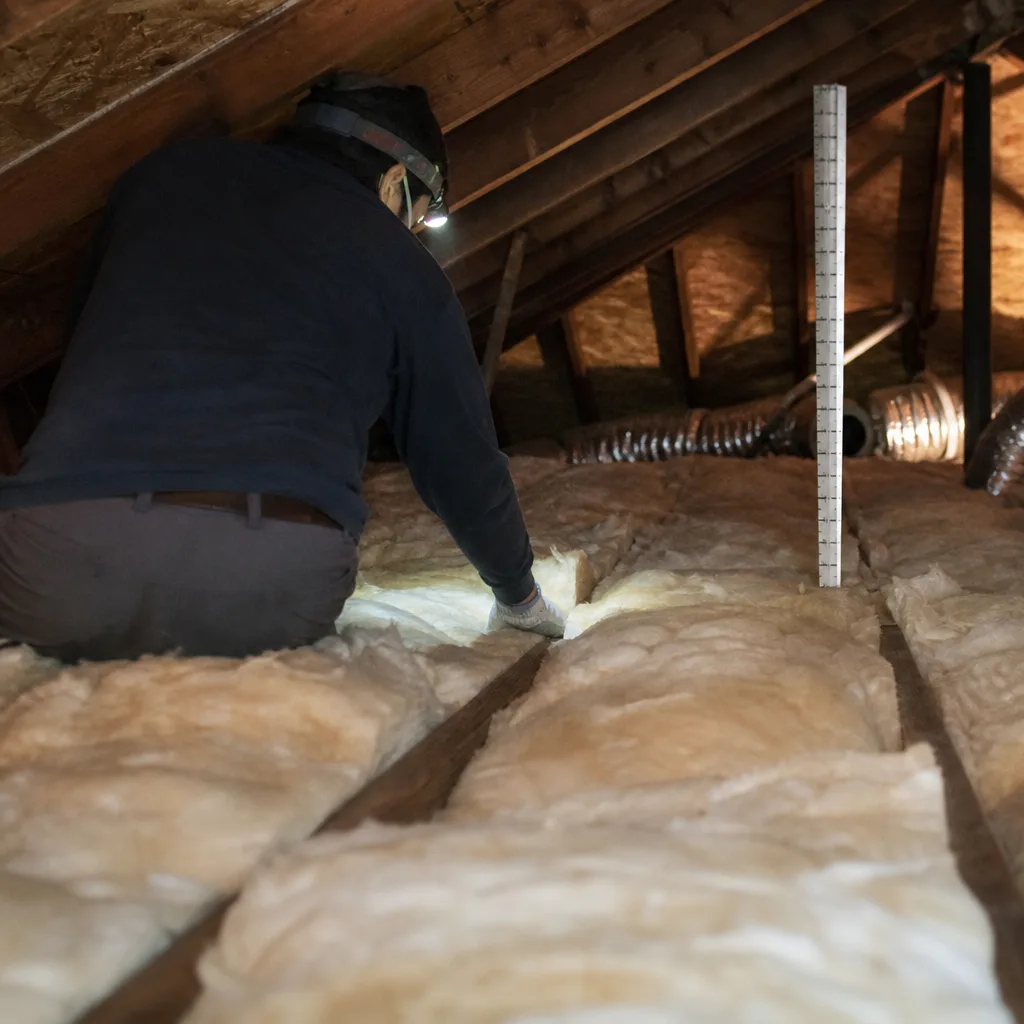
There’s a safe middle ground here, and then there’s the point where you need the right equipment.
What you can check yourself: verify that your attic access hatch has a gasket, confirm bathroom vents exit through the roof and not into the attic, and look for obvious gaps around chimney chases or duct boots. Use a flashlight on a cool morning - you’ll see daylight where you shouldn’t. Take photos; they’re useful for any contractor you call.
Where DIY goes wrong: two-part spray foam requires precise temperature control, proper respirators, and experience managing expansion rates. We’ve been called to Whittier attics where a homeowner’s DIY foam job overfilled joist bays, bowed drywall ceilings, and created trapped moisture that led to mold. The material itself is not the hazard; the application is. If your Icynene has failed across more than a few square feet, or if you’re not certain why it failed, call us. We’ll give you a written price before any work starts, and a free second opinion on any other estimate you’ve received. Reach us at (424) 349-7262.
FAQs
Properly installed Icynene open-cell foam should perform for 20-30 years, but we’ve found in Whittier that attic conditions - summer heat over 130°F, roof leaks, or rodent activity - can cut that to 8-12 years. The foam itself doesn’t expire; what fails is the seal to adjacent materials or the foam’s surface integrity if exposed to UV or moisture. Call (424) 349-7262 and we’ll inspect it - estimates are free.
Localized damage - a pulled seal around a new can light, a small area chewed by rodents - can be patched with compatible foam if the surrounding material is sound. We test adhesion first; if the existing foam is crumbly or oil-stained, we remove and replace that section. Full replacement is only necessary when the original install was thin, incomplete, or applied over a dirty substrate. Call (424) 349-7262 for an exact scope and price.
Most Whittier attic air sealing jobs take one full day for a crew of two. We arrive, move or remove existing insulation, seal all penetrations with Icynene or equivalent foam, replace the insulation, and run the post-work blower-door test. Complex attics with multiple vaults or active rodent issues may need a second day. You’ll get a written schedule with your price before anyone starts.
We stock Icynene-compatible open-cell foam, closed-cell foam, vapor-retarder coatings, and rigid foam blocking on every truck, plus Owens Corning, Johns Manville, and Demilec equivalents. We don’t carry every Icynene SKU - no contractor does - but we can source same-day from our distributor in City of Industry for anything we don’t have. If you know your lot number or original install date, tell us when you call (424) 349-7262 and we’ll confirm compatibility before we arrive.
Written by Wes Okafor, Owner, Topside Attic Insulation Whittier at Topside Attic Insulation Whittier, serving Whittier and nearby areas.