
Icynene Blown-In Insulation in Whittier: What to Know First
We provide independent Icynene blown-in insulation service in Whittier, typically completing attic top-ups and dense-pack wall jobs in a single day with a written price locked before any work starts. Most Icynene systems in Whittier homes - whether the open-cell Classic Plus line or the closed-cell Icynene ProSeal series - need blown-in supplementation when the original spray foam shrinks, cracks, or was undershot at the gable ends during initial install. If you’re seeing uneven room temperatures, rising summer cooling bills, or visible gaps where the foam meets your top plates, you’re the homeowner this page is written for. Call (424) 349-7262 for a free estimate with a written scope, or bring us a competing quote for our Free Second Opinion.
How Icynene Products Fail - and How We Fix Them
- Icynene Classic Plus (open-cell) shrinkage at stud bays. The 0.5 lb/ft³ density foam can pull away from framing members over 10-15 years, especially in Whittier’s combination of dry Santa Ana periods and summer humidity spikes. We diagnose this with borescope inspection, then dense-pack the cavities with blown-in cellulose - friction-fit to 3.5 lbs/ft³ - restoring the R-value without tearing out the existing foam.
- Icynene ProSeal (closed-cell) thermal bridging at rim joists. The 2.0 lb/ft³ closed-cell cures hard and doesn’t shrink, but installers often stop short at complex rim-joist geometry in Whittier’s 1940s-1960s bungalows. We find these gaps with infrared during our blower-door test, then blow in fiberglass to fill the voids without disturbing the ProSeal’s air barrier.
- Icynene MD-R-200 undershoot at attic eaves. This medium-density system was specified for many Whittier reroof jobs in the 2012-2018 window; crews working fast in tight eaves frequently left 2-3 inch gaps. We spot these with photo documentation, then blow in Owens Corning AttiCat fiberglass to the full depth, matching the original R-value intent.
- Icynene Classic Max settling in vaulted ceilings. The higher-density open-cell can sag when applied too thick in a single pass, a shortcut we see in Uptown Whittier’s mid-century modern additions. We remove the failed sections, re-establish the air barrier with targeted sealing, then blow in new material to a uniform depth verified with depth markers.
- Icynene water absorption in crawl spaces. Open-cell products below grade - even “water-blown” formulations - can wick moisture in Whittier’s clay-heavy soils around the Greenleaf Avenue corridor. We don’t blow insulation over wet foam; we remove the saturated Icynene, install a proper vapor barrier, then apply closed-cell or dense-pack wall insulation as appropriate.
Our Icynene Blown-In Insulation Process
- 1
Call and scheduling. A live person answers, 24/7. We book a diagnostic visit with a named technician; you get a text when they’re en route - Haven Standard: Arrive on schedule.
- 2
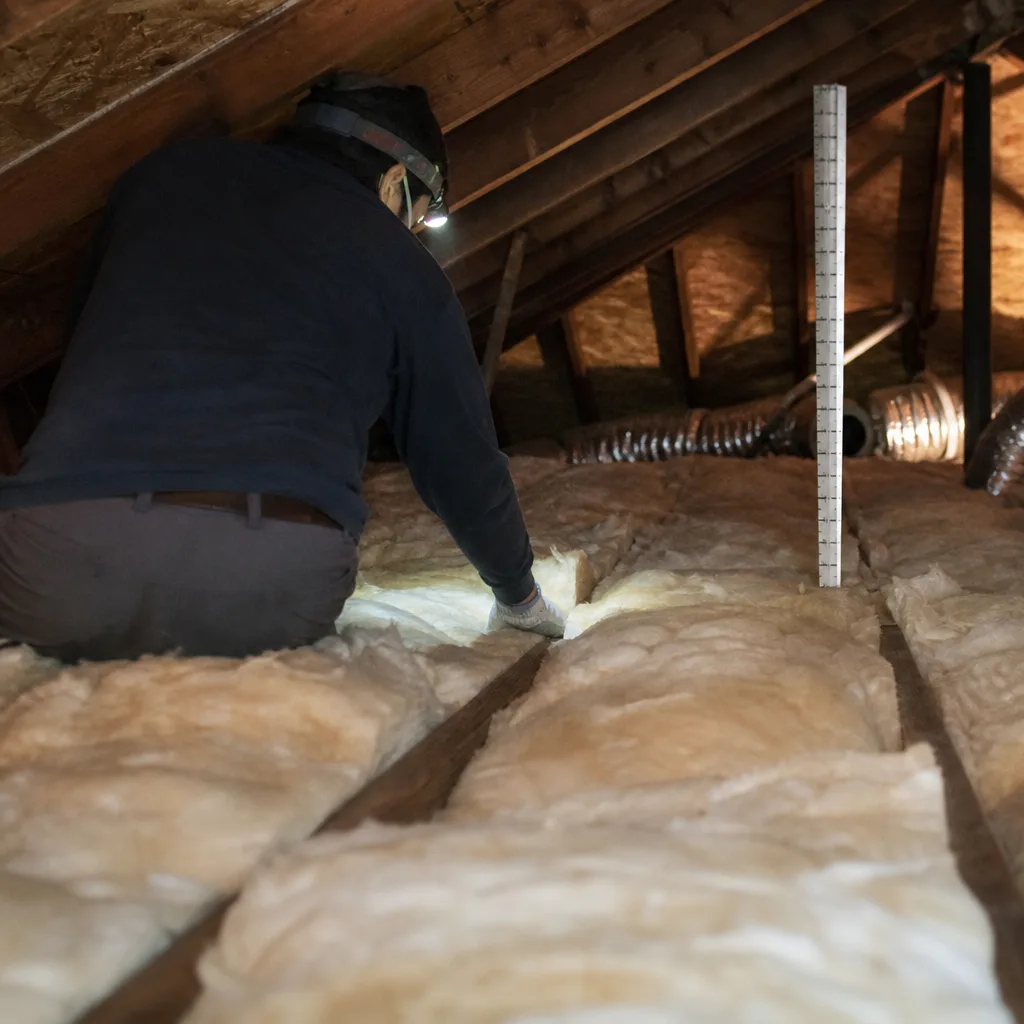
Blower-door test and attic inspection. We pressurize the house to measure air leakage in CFM50, then photograph every Icynene defect we find: shrinkage, gaps, overspray, water staining. You get these photos in your Documented Photo Record.
- 3
Written price and scope. Before any work starts, we deliver a flat price with the material specified - blown-in cellulose, fiberglass, or dense-pack - and the R-value target. No surprises. Haven Standard Clause 1.
- 4
Air sealing first, then insulation. We seal top plates, can lights, and penetrations with acoustic sealant and rigid foam before any blower hose enters the attic. Seal it first, then cover it - the insulation is not the fix, it’s the finish.
- 5
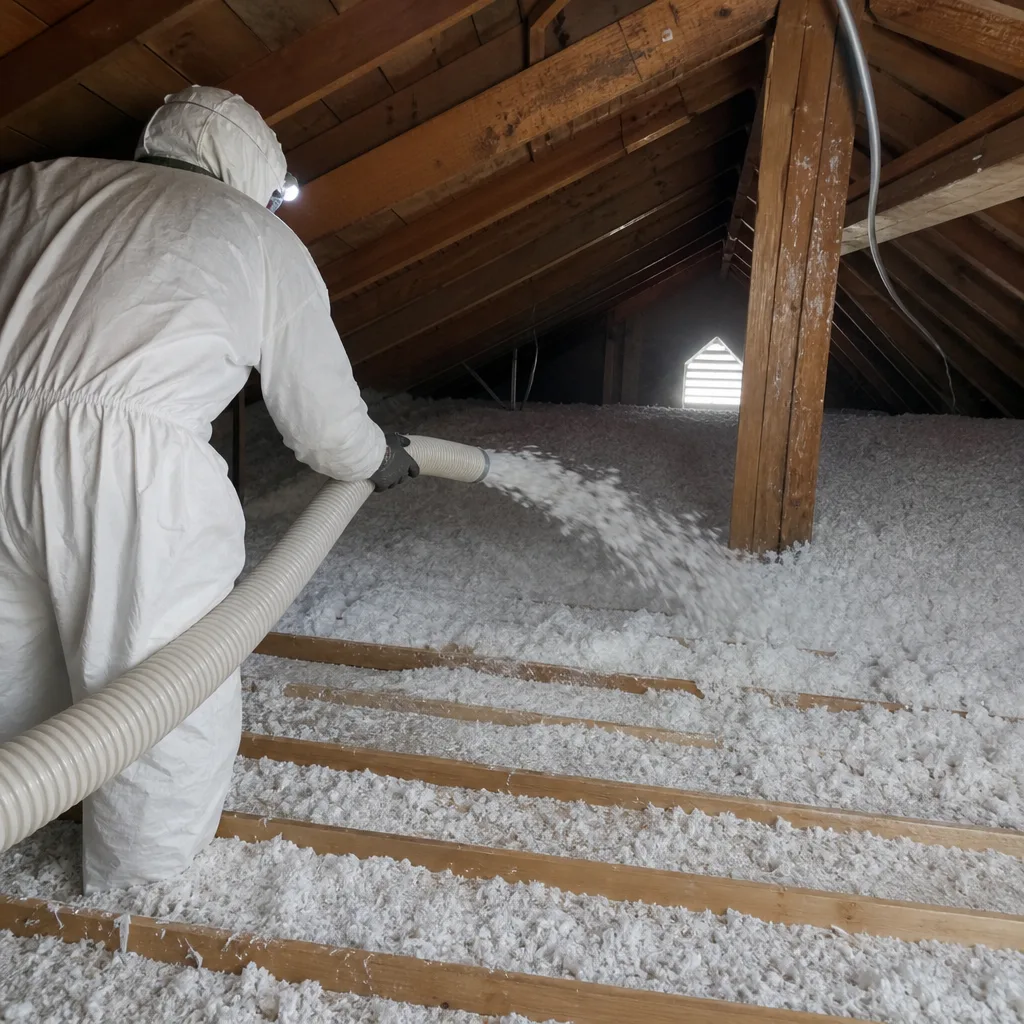
Blown-in installation and depth verification. We install to marked depth gauges, spot-check with probing, and photograph completed areas for your record.
- 6
Final blower-door test and documentation. On applicable jobs, we run the pressurization test again and publish the before-and-after numbers so you can verify the air-sealing result. Written warranty and 365-Day Done Right Promise delivered before we leave.
 Before
 After
AfterWhat Icynene Blown-In Insulation Costs in Whittier
Most Icynene supplementation jobs in a Whittier home this size run between $1,800 and $4,200. What moves the price:
- Attic top-up over existing Icynene: $1,800-$2,800 - straightforward blown-in fiberglass or cellulose to R-38, assuming accessible attic and intact decking.
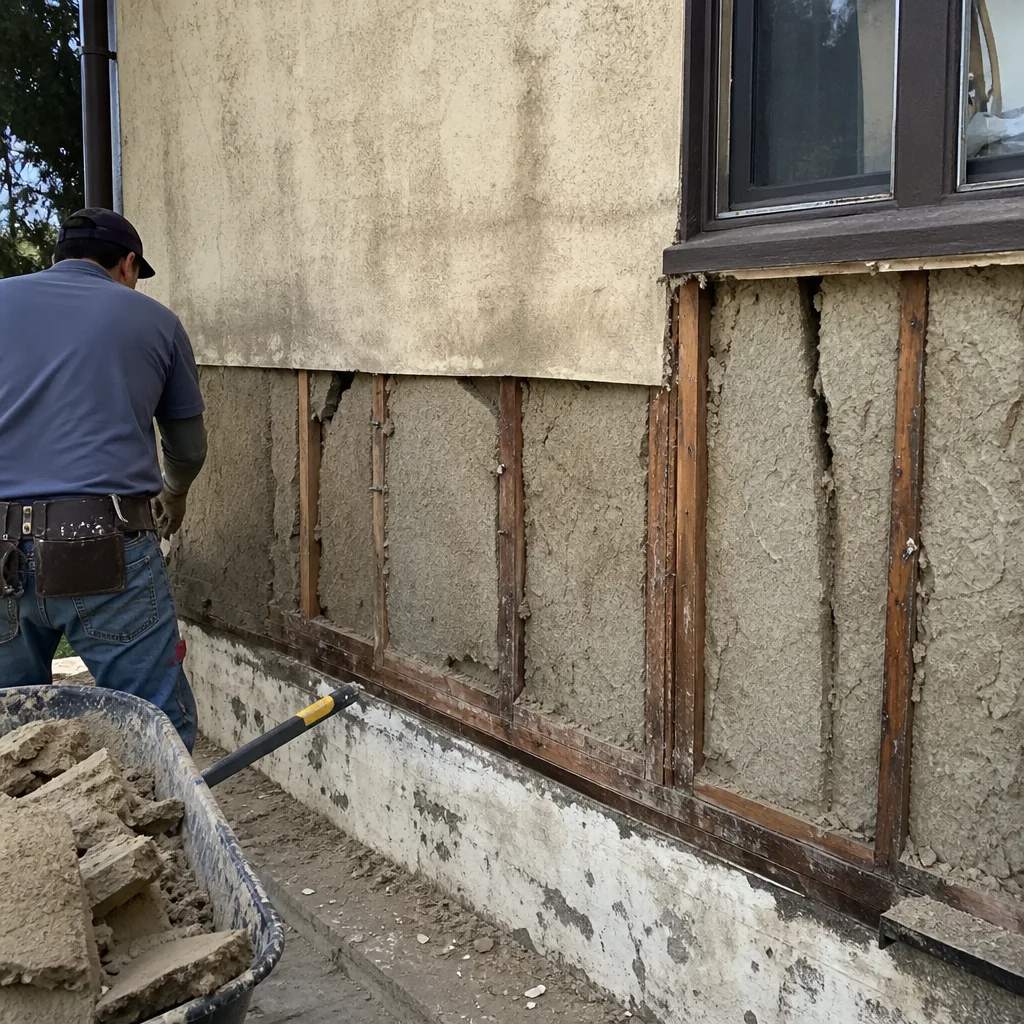
- Dense-pack wall remediation for Classic Plus shrinkage: $2,400-$3,800 - requires borescope inspection, targeted removal, and friction-fit cellulose at 3.5 lbs/ft³.
- Rim-joist fill after ProSeal gaps: $2,000-$3,200 - tight access, infrared-guided placement, often paired with crawl sealing.
- Full vault-ceiling rebuild with settling Classic Max: $3,200-$4,200 - removal, re-sealing, and re-blow to verified depth.
These are real ranges for Whittier’s market - your written price may land higher or lower depending on square footage, access difficulty, and whether we find moisture damage during inspection. Call (424) 349-7262 for an exact quote; estimates are free and come with a written scope before any work starts.
Why Whittier Homeowners Call Topside Attic Insulation Whittier for Icynene Work
We’ve run jobs on houses in Whittier’s Uptown district often enough that Wes Okafor can read a 1950s California bungalow’s air-sealing problems before the blower-door fan spins up. Our crew knows the difference between Classic Plus and ProSeal failure patterns - we don’t treat every Icynene job the same. The 365-Day Done Right Promise covers all completed work, and our before-and-after blower-door numbers give you documented evidence of performance change, not a feeling. We also service Reflectix and other major brands, so if your home has mixed insulation systems, we won’t force a single-product solution. Every job closes with a Documented Photo Record and a written warranty; every call is answered by a live person, 24/7.
FAQs
No - adding blown-in insulation as a supplementary layer does not void Icynene’s limited product warranty, provided the original foam was installed to spec and hasn’t been physically altered or water-damaged. However, Icynene’s warranty covers product defect only, not installation error or subsequent modification by others. We document the existing foam condition with photos before we begin, so there’s a clear record of what was intact versus what we found failing. Call (424) 349-7262 if you want us to review your original installation paperwork with you.
Yes - we specify blown-in cellulose or fiberglass to meet or exceed the effective R-value of the existing Icynene layer, accounting for any degradation. Open-cell Icynene at full thickness yields roughly R-3.7 per inch; we calculate the blown-in depth needed to hit your target, typically R-38 for attics in Whittier’s Climate Zone 6. The written scope spells out the exact R-value and material before any work starts.
Repair is almost always cheaper - usually 40-60% less than full removal and reapplication of spray foam. We only recommend removal when the Icynene is water-saturated, chemically compromised, or so extensively failed that patching would cost more than replacement. Our written price covers both options when we inspect, so you can compare directly. Call (424) 349-7262 for a free Second Opinion on any competing quote.
Most attic top-ups and wall dense-packs finish in one working day; complex vault-ceiling rebuilds may need two. We don’t schedule more than we can complete, and we don’t leave your home partially insulated overnight. The written scope includes the day count before anyone lifts a tool.
We use quality third-party blown-in materials - Owens Corning, Johns Manville, Knauf, and GreenFiber cellulose - because Icynene does not manufacture loose-fill blown-in products. Their line is spray-foam only. We select the blown-in material based on your existing foam type, cavity conditions, and performance target, with no proprietary lock-in. You’re free to choose; we document what we used and why in your job record.
Written by Wes Okafor, Owner, Topside Attic Insulation Whittier at Topside Attic Insulation Whittier, serving Whittier and nearby areas.