
Icynene Radiant Barrier Installation: The Whittier Owner’s Guide
Icynene radiant barrier installation in Whittier typically runs $2,800-$4,200 for a standard 1,200-1,800 sq ft attic, and most jobs we book are completed same-day once the attic has been properly air-sealed. We stock Icynene-compatible radiant barrier rolls and fastening systems on our Whittier trucks, so there’s no waiting on a distributor run to La Mirada or City of Industry. Most homeowners figure out something’s wrong when their second-floor bedrooms won’t cool below 78°F even with the AC running flat out, or when their summer electric bill jumps $80-$140 over the previous year despite no rate change.
Which Icynene Models This Applies To
Icynene doesn’t manufacture a standalone radiant barrier product under its own label. What we’re talking about is the radiant barrier layer that’s installed as part of an Icynene spray-foam hybrid system, or the reflective foil product paired with Icynene LD-C-50 or MD-R-200 open-cell foam in attics across Whittier’s 90601, 90602, 90603, 90604, 90605, and 90606 ZIP codes. The compatibility question is really about the substrate: Icynene foam creates a tight, irregular surface that standard staple-up radiant barriers don’t adhere to properly. We use Icynene-specified mechanical fasteners and a perforated, double-sided radiant barrier rated for direct foam contact - the key spec is an emissivity rating below 0.05 and a tear resistance of at least 60 lbf, per ASTM D882. If your existing barrier is sagging, delaminating, or was installed with standard roofing nails, it was likely the wrong product for the foam substrate. We also carry Reflectix as an alternative when the attic configuration calls for a different fastening approach, though we match the material to the foam type, not the other way around.
Signs Your Icynene Radiant Barrier Installation Is Failing
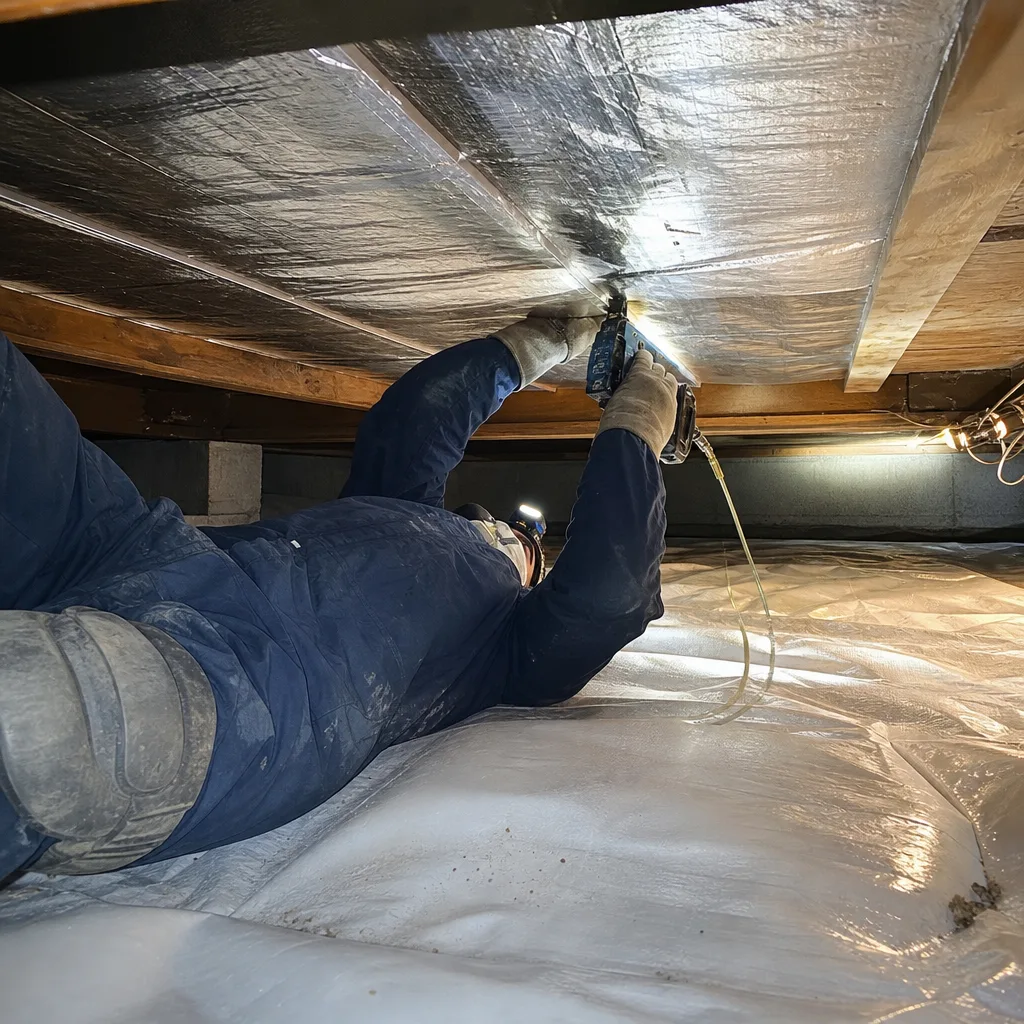
- Hot ceiling patches in upstairs rooms. The radiant barrier has pulled away from the roof deck at the ridge or fastener points, creating gaps where infrared heat radiates straight through. In Whittier’s south-facing roofs above Uptown and Friendly Hills, we see this most where attic temperatures spike past 140°F in August.
- Spiking summer cooling costs with no rate change. A properly installed barrier blocks 95-97% of radiant heat transfer. When it fails, your AC works overtime to dump heat that should have never entered the envelope. We verify this with a surface thermometer reading on the attic floor - above 110°F indicates barrier compromise.
- Visible sagging or tearing from the attic hatch. Icynene foam off-gasses minimally over years, but the expansion can stress mechanically fastened barriers. If you see foil hanging in waves or torn at staple lines, the fastener pattern was insufficient for the foam’s movement profile.
- Condensation on the barrier’s underside in winter. Perforated barriers allow vapor passage; non-perforated or improperly lapped seams trap moisture against the foam. This degrades the foam-to-barrier bond and can stain drywall below. Whittier’s mild winters still produce enough temperature differential for this to show.
- Rodent damage along the barrier edges. Squirrels and roof rats use the foil as nesting material once they find a gap. We see this frequently near eave vents in the older Whittier neighborhoods where mature trees provide roof access. The barrier isn’t the entry point, but it’s often the first visible casualty.
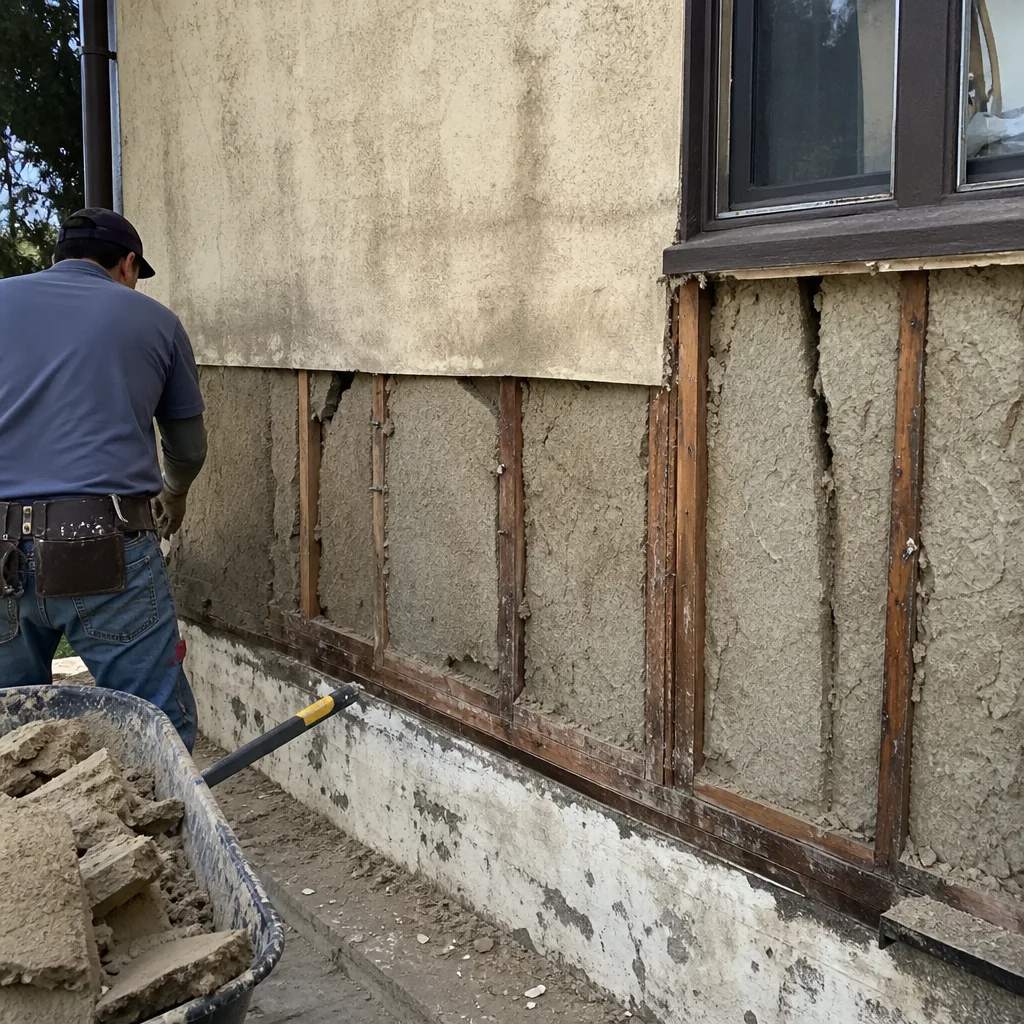 Before
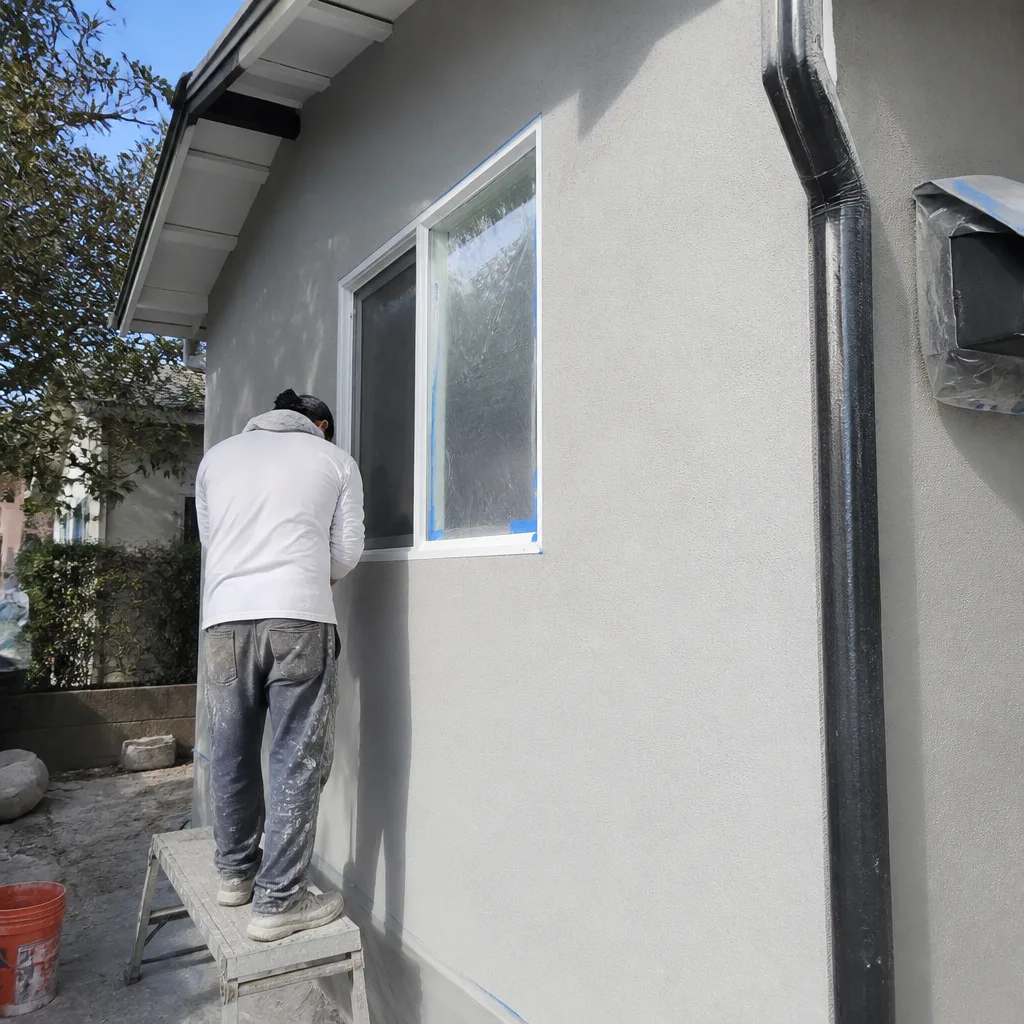 After
AfterReplacement Cost & What’s Included
For a typical Whittier home - 1,400-2,000 sq ft of attic floor, single-story with a low-pitch roof - Icynene-compatible radiant barrier replacement runs $2,800-$4,200 installed. That range breaks down as follows: $1.40-$1.90 per square foot for perforated, double-sided radiant barrier material with Icynene-approved mechanical fasteners; $680-$1,100 for the air-sealing prep we never skip (top plates, can lights, penetrations - seal it first, then cover it, the insulation is not the fix, it’s the finish); and the remainder for labor, setup, and haul-away of the failed barrier. Jobs at the higher end involve steep pitches above 6:12, limited attic access hatches, or barrier removal that’s fused to degraded foam. Every replacement includes our before-and-after blower-door test when air sealing is part of the scope, plus a Documented Photo Record of the completed work. Under our 365-Day Done Right Promise, if the barrier sags, delaminates, or fails to perform, we return and make it right at no charge.
DIY or Call Us?
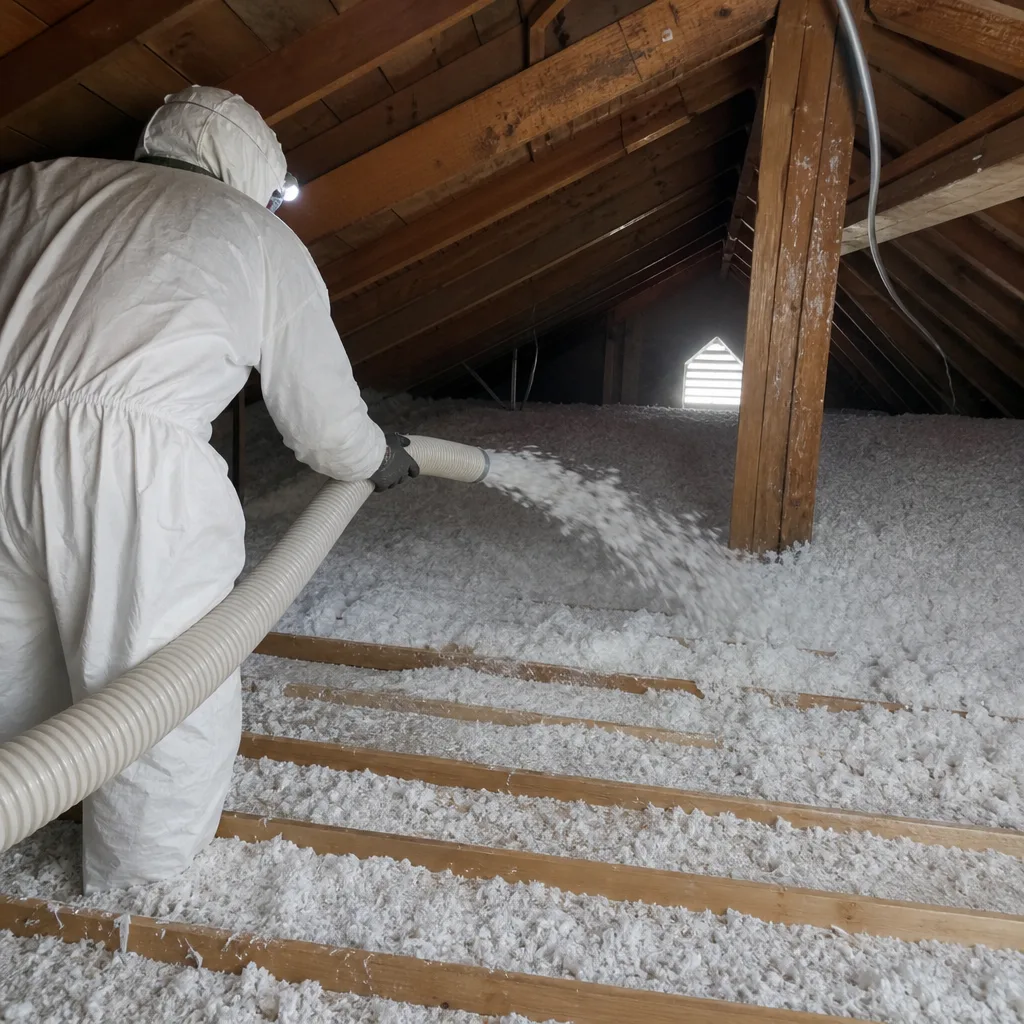
There’s no high-tension danger here like a garage door spring, but there are two honest ways DIY goes wrong. First, walking a Whittier attic in August is itself a heat-stress hazard - we’ve pulled homeowners down who thought they’d “just take a look.” Second, and more costly long-term, is installing a new barrier over an unsealed attic floor. The radiant barrier blocks radiated heat, not convected heat; if your top plates leak and your can lights breathe, you’re finishing the job before fixing the problem. What you can safely check: from the attic hatch with a flashlight, look for sagging, tearing, or dark streaks on the barrier surface. Note the fastener type. Then call us at (424) 349-7262 with what you saw. We’ll read your situation over the phone and, if it makes sense, schedule a free estimate with a written price before any work starts.
FAQs
How long should an Icynene radiant barrier last in Whittier?
A properly installed, Icynene-compatible radiant barrier should perform for 15-25 years in Whittier’s climate. The limiting factor is usually fastener corrosion from attic humidity or rodent damage, not the foil itself. Call (424) 349-7262 for an exact quote - estimates are free.
Can a failing radiant barrier be repaired instead of replaced?
Patching small tears is possible, but we rarely recommend it. A patched barrier has uneven reflectivity and compromised vapor permeability, and the original fastener pattern already failed once. Full replacement with corrected fastening is the only repair we warranty. Call (424) 349-7262 for an exact quote - estimates are free.
How long does the replacement take?
Most Whittier replacements take 4-6 hours for a standard attic, assuming we’ve completed the prerequisite air sealing. Steep roofs, limited access, or foam remediation add time. We schedule morning starts and aim to be off-site before your AC cycles into peak afternoon load. Call (424) 349-7262 for an exact quote - estimates are free.
Do you stock Icynene-compatible radiant barrier on your Whittier trucks?
Yes - we carry 500 sq ft rolls of perforated, double-sided radiant barrier with the proper mechanical fastener system for Icynene foam substrates, plus Reflectix alternatives for non-standard configurations. Same-day installation is available for most Whittier addresses when the attic is accessible and pre-sealed. Call (424) 349-7262 for an exact quote - estimates are free.
Topside Attic Insulation Whittier is an independent service provider and is not affiliated with Icynene. We source Icynene-compatible materials through authorized distributors and install to manufacturer specifications without claiming preferred or exclusive status.
Ready to get your attic performing the way it should? Call (424) 349-7262 and speak with a live person - we answer 24/7. We’ll schedule a free estimate at your Whittier home, deliver a written price before any work starts, and leave you with a Documented Photo Record and, when applicable, before-and-after blower-door numbers that show exactly what changed.
Written by Wes Okafor, Owner, Topside Attic Insulation Whittier at Topside Attic Insulation Whittier, serving Whittier and nearby areas.