
Johns Manville Blown-In Insulation in Whittier: What to Know First
As an independent Johns Manville service provider, we install, top up, and replace Johns Manville blown-in insulation in Whittier homes with a written price before any work starts and a documented photo record when we leave. Most attic jobs run same day or next day, and you’ll get before-and-after blower-door numbers on any job where air sealing is part of the scope. If you’re seeing uneven temperatures between rooms, dust migration from the attic, or insulation that’s settled below your joist tops, this page is for you. Call (424) 349-7262 for a free estimate - we’ll read your existing quote with you if you have one.
How Johns Manville Products Fail - and How We Fix Them
- Climate Pro Blowing Wool (fiberglass) compression in Uptown Whittier bungalows. The 1950s California bungalows near Whittier Boulevard have 2×4 ceiling joists spaced 24 inches on center, and Climate Pro at R-38 depth can compress to R-30 or lower where crews walked during ductwork or solar installs. We find the compacted zones with depth probes, remove the compressed material, air-seal the top plates and can-light penetrations underneath, then reblow to uniform depth with a marked measurement photo every 50 square feet.
- Applegate Stabilized Cellulose settling in coastal-influence attics. Whittier’s morning marine layer pushes humidity into vented attics through soffit vents, and Applegate’s borate-treated cellulose - while mold-resistant - can settle 15-20 percent in its first three years if blown over unsealed bypasses. We pull back settled material, seal the thermal bypasses (chases around chimneys, plumbing stacks, and interior wall partitions), then dense-pack or reblow depending on remaining depth. The blower-door test tells us whether the bypass sealing worked.
- Spider Custom Seal fiberglass clumping around recessed fixtures. Johns Manville markets Spider as a “custom seal” product, but in Whittier’s older stock where non-IC-rated can lights were retrofitted, the adhesive-activated fiberglass can clump and bridge over hot fixtures instead of surrounding them safely. We remove clumped material, replace with Rockwool or a proper fire-rated enclosure per California Title 24, then reblow Spider or switch to Climate Pro depending on the attic configuration.
- Attic Protector blown-in fiberglass migration through unsealed top plates. In the ranch homes south of Whittier Boulevard, we’ve found Attic Protector filtering down into wall cavities and outlet boxes because the drywall-to-top-plate joint was never sealed during original construction. The fix isn’t more insulation - it’s sealing first with acoustic sealant and rigid blocking, then reblowing. Wes Okafor’s crew has done this sequence on enough Whittier houses that we can spot the telltale dust patterns before the blower door even runs.
- Dense-Pack Wall System sagging in balloon-framed sections. Some Whittier Victorians and early 20th-century duplexes have balloon framing with no top plates, and Johns Manville’s dense-pack cellulose can sag in open wall cavities over decades, creating voids at the ceiling line. We verify with thermal imaging from the interior, then either re-dense-pack through exterior siding removal or switch to a netted blown-in fiberglass approach depending on wall condition and siding type.
Our Johns Manville Blown-In Insulation Process
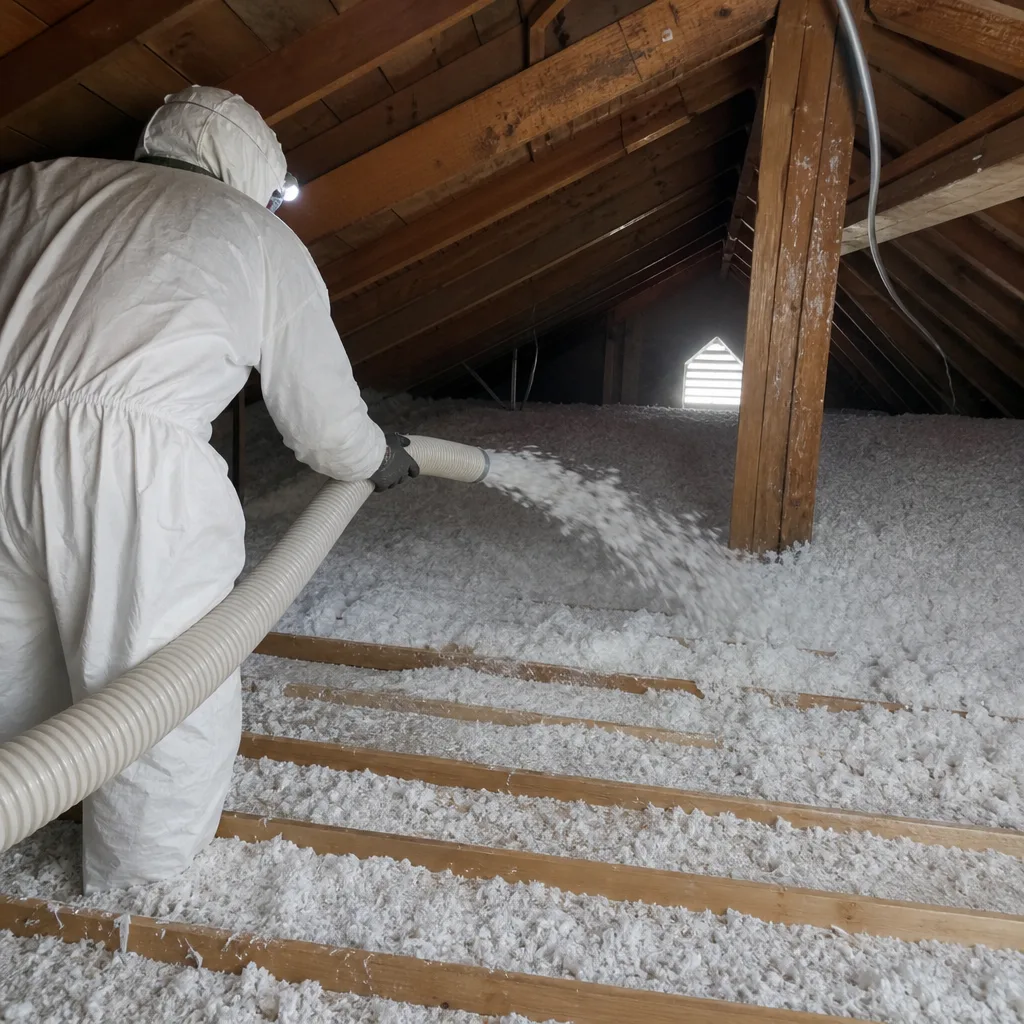
- 1
Call and scope. A live person answers 24/7. We schedule an inspection, and under Haven Standard Clause 1, you get a written price with scope and warranty before anyone lifts a tool.
- 2
Attic inspection and blower-door baseline. We run a blower-door test - a pressurization reading that shows, in one number, how much air your building envelope is losing. We photograph existing Johns Manville product labels, depth measurements, and any thermal bypasses or compromised areas.
- 3
Air sealing first. Seal it first, then cover it - the insulation is not the fix, it’s the finish. We seal top plates, can lights, plumbing and electrical penetrations, and chimney chases before any new material goes in.
- 4
Material selection and installation. We match or upgrade your Johns Manville line based on attic conditions, fire-safety requirements, and your performance goals. OEM Johns Manville product or quality equivalent - we source from multiple manufacturers including Reflectix and others, so there’s no proprietary lock-in.
- 5
Blower-door verification and documentation. We run the blower door again, photograph final insulation depth and coverage, and deliver your Documented Photo Record with before-and-after CFM50 readings.
- 6
Written warranty and 365-Day Done Right Promise. Your written scope, warranty, and Done Right Promise are delivered before we leave. If it’s not done right, we make it right.
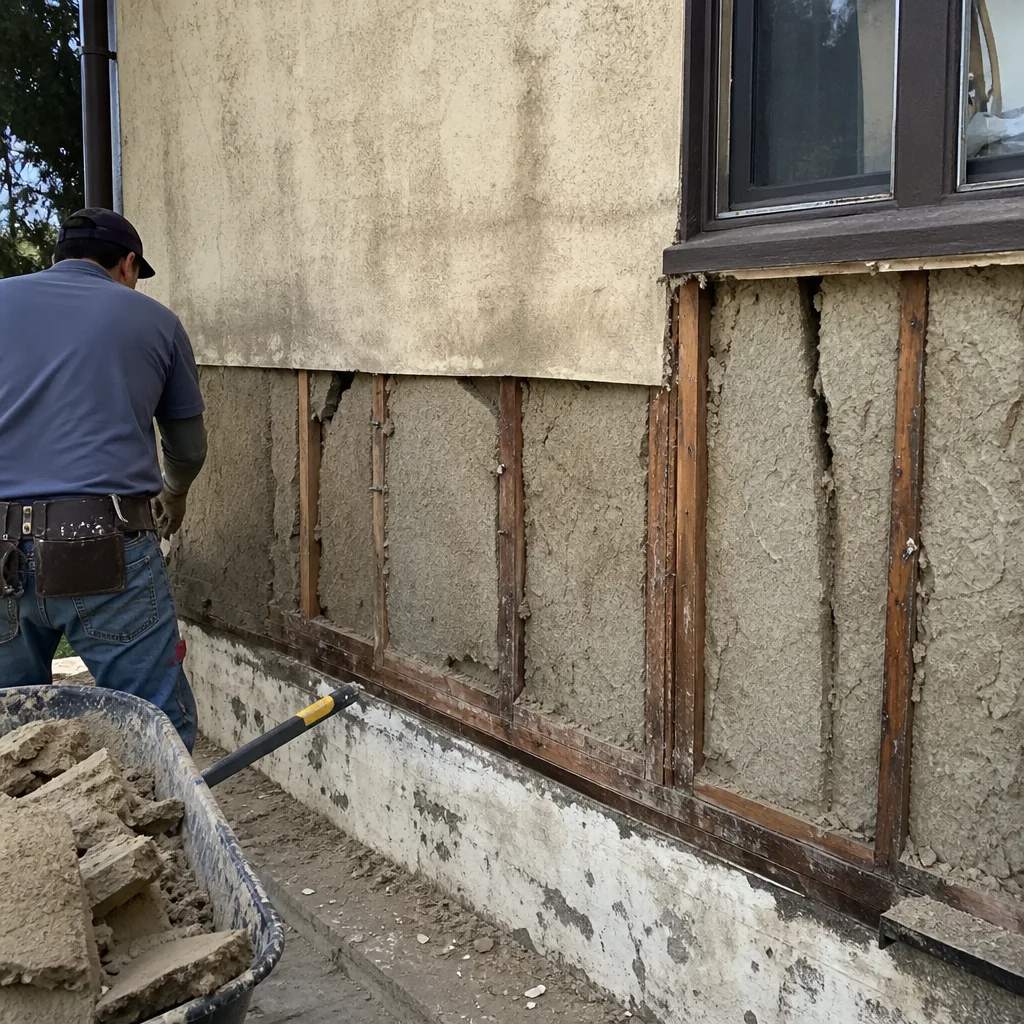 Before
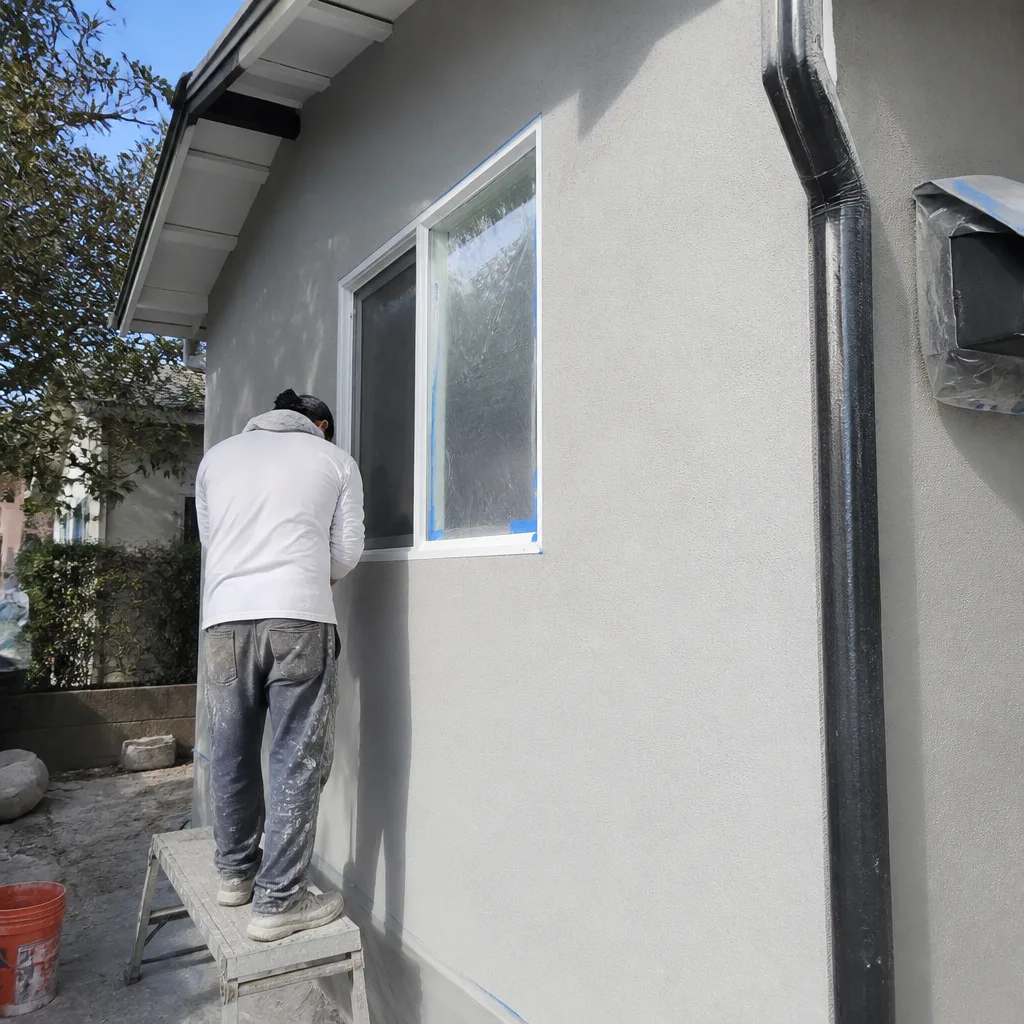 After
AfterWhat Johns Manville Blown-In Insulation Costs in Whittier
Most Johns Manville blown-in attic jobs in Whittier run between $1.80 and $3.20 per square foot installed, depending on product line, existing removal needs, and air-sealing scope. Dense-pack wall work runs $2.50 to $4.50 per square foot when exterior siding access is required. Top-up jobs over existing Johns Manville product start around $1,200 for a 1,000-square-foot attic if the substrate is clean and sealed; full removal, seal, and reblow on the same footprint typically runs $2,800 to $4,500.
What moves the price: accessibility (steep roof pitch or limited attic hatch), existing rodent contamination requiring cleaning, fire-rated enclosure work around fixtures, and whether your home needs new vent baffles to maintain soffit-to-ridge airflow per California Title 24. We don’t guess - we measure, photograph, and write the price before any work starts. Call (424) 349-7262 for your free estimate; bring us any written quote and we’ll read it with you.
Why Whittier Homeowners Call Topside Attic Insulation Whittier for Johns Manville Work
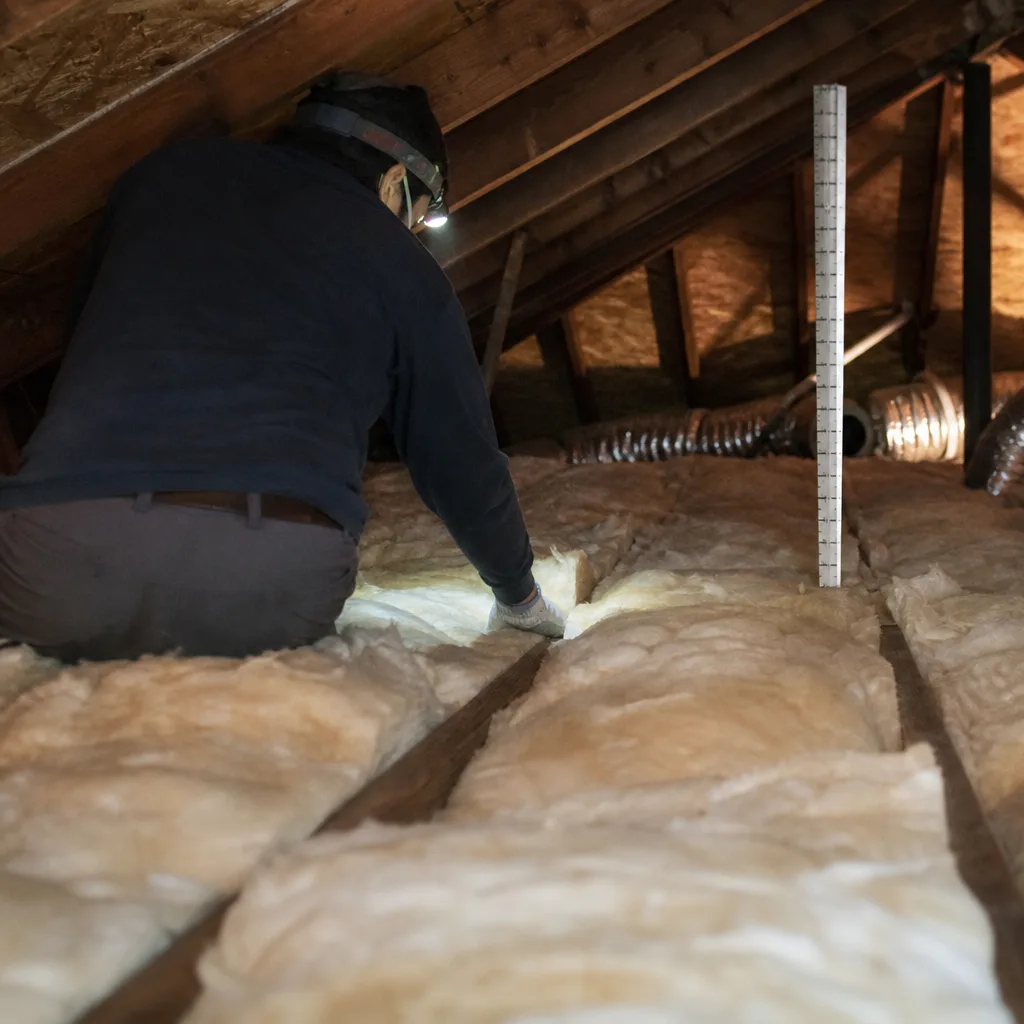
We’ve sealed and insulated more than 9,000 homes since 2016, and the Whittier jobs stick in memory because the housing stock is consistent enough that patterns emerge. Wes Okafor can walk a 1950s California bungalow and tell you where the top-plate leaks will be before the blower door spins up - not because he’s guessing, but because he’s pulled apart enough shortcuts to know what skipping the sealing step costs a homeowner in August.
We don’t sell insulation as a standalone product. Every job that includes blown-in work also includes air sealing as a hard prerequisite, documented with before-and-after blower-door numbers you can read yourself. Our materials come from Johns Manville, Owens Corning, Knauf, Rockwool, and others - no proprietary lock-in, no brand loyalty that overrides what’s right for your house. Calls are answered by a live person 24/7. Your technician is background-checked, uniformed, and named before arrival. And every job closes with a Documented Photo Record, written warranty, and the 365-Day Done Right Promise.
FAQs
No - Johns Manville’s product warranties cover manufacturing defects regardless of who installs, provided the product was stored and installed per manufacturer specifications. We document batch numbers and installation conditions in your photo record so any future claim has backing. Call (424) 349-7262 if you need help reading your existing warranty language.
Usually yes, though we may recommend a different line if your attic conditions have changed - for example, switching from Climate Pro to Applegate cellulose if you’ve had moisture issues, or vice versa if fire rating is the priority. We source Johns Manville and equivalent products from multiple suppliers, so we’re not locked into a line that doesn’t fit your situation.
Topping up is cheaper upfront - typically 40 to 60 percent less - but only makes sense if the existing material is clean, uncompressed, and the attic floor is already sealed. If we find compressed fiberglass, settled cellulose with bypass leaks underneath, or rodent contamination, removal and proper sealing first saves money over the life of the installation. We photograph everything and give you both options in writing.
Most attic jobs are same-day or next-day once the written price is accepted. Dense-pack wall work or jobs requiring siding removal typically schedule within three to five business days. We don’t use callback windows measured in business days - a live person answers when you call (424) 349-7262.
We work with all major insulation manufacturers - Johns Manville, Owens Corning, Knauf, Rockwool, CertainTeed, and others including Reflectix for radiant barrier applications. Our crew is trained on the specific handling and density requirements of each line, and we choose the product based on your home’s needs, not a brand quota.
Written by Wes Okafor, Owner, Topside Attic Insulation Whittier at Topside Attic Insulation Whittier, serving Whittier and nearby areas.