
Johns Manville Crawl Space Encapsulation: The Whittier Owner’s Guide
We stock and install Johns Manville-compatible crawl space encapsulation systems in Whittier, with most full installs running between $3,200 and $5,800 depending on crawl square footage and existing moisture damage. Same-day service is available when you call before 10 a.m., and we carry JM vapor barrier rolls, seam tape, and termination bar on every truck. Most Whittier homeowners discover their encapsulation has failed when they notice a sharp musty smell returning after months of absence, or when they spot pooling water on the vapor barrier that used to sheet-drain to the sump corner.
Which Johns Manville Models This Applies To
Johns Manville doesn’t sell crawl space encapsulation as a named “system” the way some competitors do. Instead, they produce the component materials that contractors assemble: polyethylene vapor barrier rolls (commonly 6-mil to 20-mil), FSK-25 reinforced facing tape, and closed-cell spray foam kits sold through distribution. If your crawl space was encapsulated between 2015 and 2022, there’s a strong chance the vapor barrier is JM 10-mil or 12-mil reinforced polyethylene, identifiable by the blue-tinted edge strip and the “JM” logo repeated every 36 inches along the roll.
The critical compatibility gotcha in Whittier’s 90601 and 90605 zip codes: early JM 6-mil barriers installed by tract-home builders in the 2015-2018 window were often laid directly over dirt without proper overlap at seams. These single-tape seams fail predictably at 6-8 years in our local clay-heavy soil conditions, which shift with winter rains and summer drought. We don’t recommend matching failed 6-mil with new 6-mil. The proper replacement is JM 12-mil reinforced or a cross-laminated equivalent that tolerates foot traffic during future plumbing access. We carry both on the truck.
Topside Attic Insulation Whittier is an independent service provider, not affiliated with Johns Manville. We source JM materials through authorized distribution alongside Owens Corning, Knauf, and Reflectix products, so we’re not locked into any single manufacturer’s specification when a different material suits your crawl space better.
Signs Your Johns Manville Crawl Space Encapsulation Is Failing
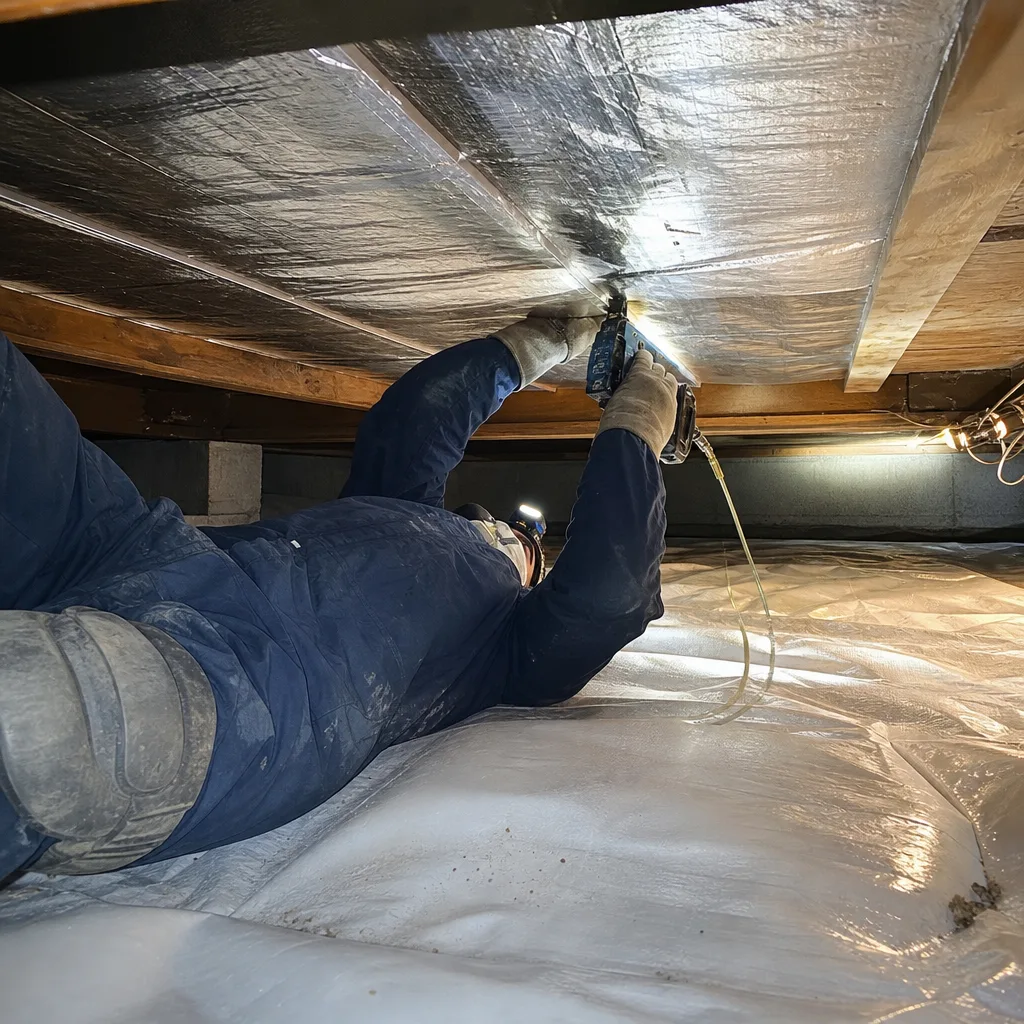
- Musty odor returning in humid months. The vapor barrier’s seam tape has delaminated, or the termination bar at the foundation wall has pulled free, letting ground moisture re-enter the conditioned envelope. In Whittier, this typically peaks in September when the Santa Ana winds drop relative humidity indoors and the crawl space differential becomes obvious.
- Pooling water on top of the barrier instead of draining to the low point. The polyethylene has sagged between piers, creating birdbaths that evaporate slowly and raise crawl space humidity above 70 percent. This is almost always a grading or support issue beneath the barrier, not the barrier material itself.
- White chalky residue on the barrier surface. This is efflorescence, mineral salts left behind when groundwater wicks through concrete block walls and evaporates at the interior face. It means the wall sealant (usually a JM-compatible acrylic or asphaltic coating) has degraded at the wall-to-footing joint.
- Insulation batts falling from rim joists. Fiberglass insulation saturated with crawl space moisture loses its R-value and its binding adhesive, dropping onto the vapor barrier in yellowed clumps. The encapsulation failure allowed the humidity that caused this, and replacing the batts without fixing the moisture source is wasted money.
- Increased energy bills with no other explanation. A compromised crawl space envelope lets unconditioned air infiltrate through floor penetrations, forcing your HVAC to condition effectively outdoor air. We’ve measured 15-25 percent blower-door improvement on Whittier homes after proper crawl sealing, which translates directly to load reduction.
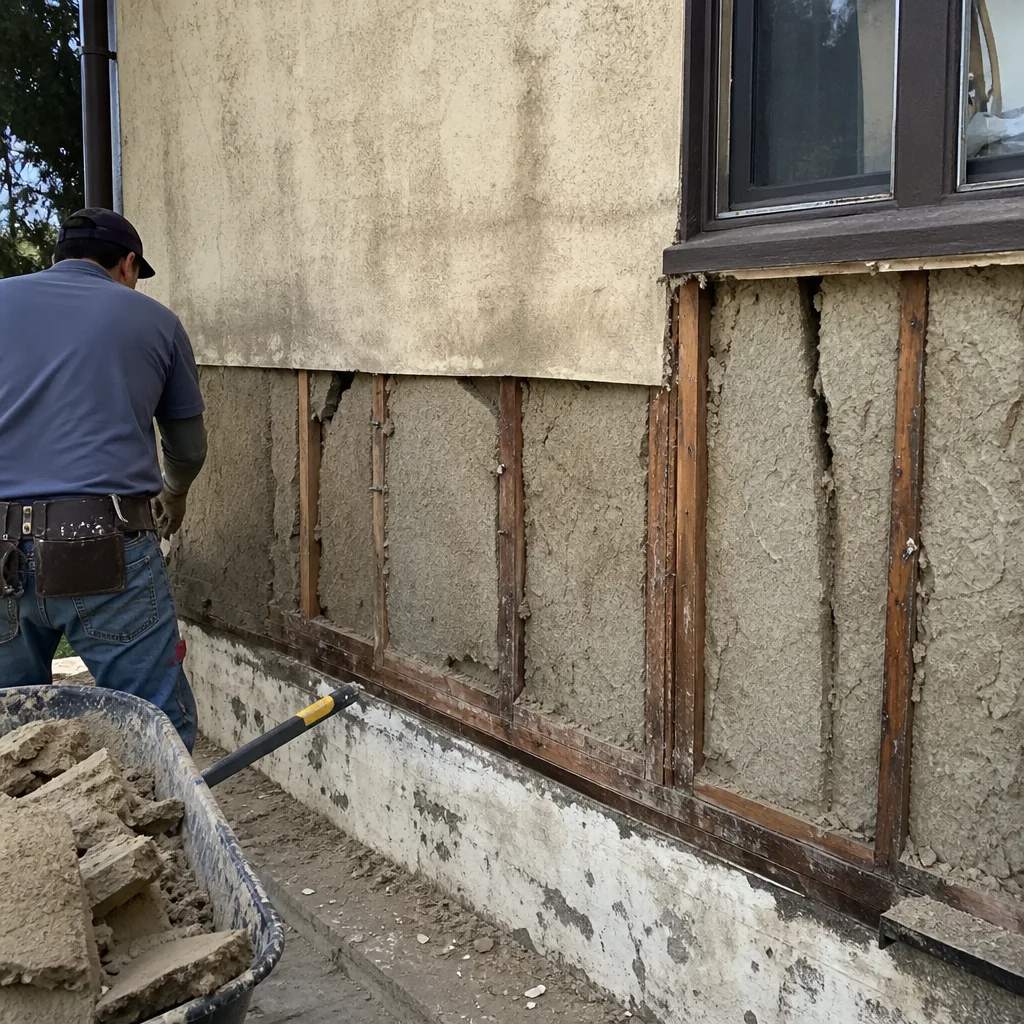 Before
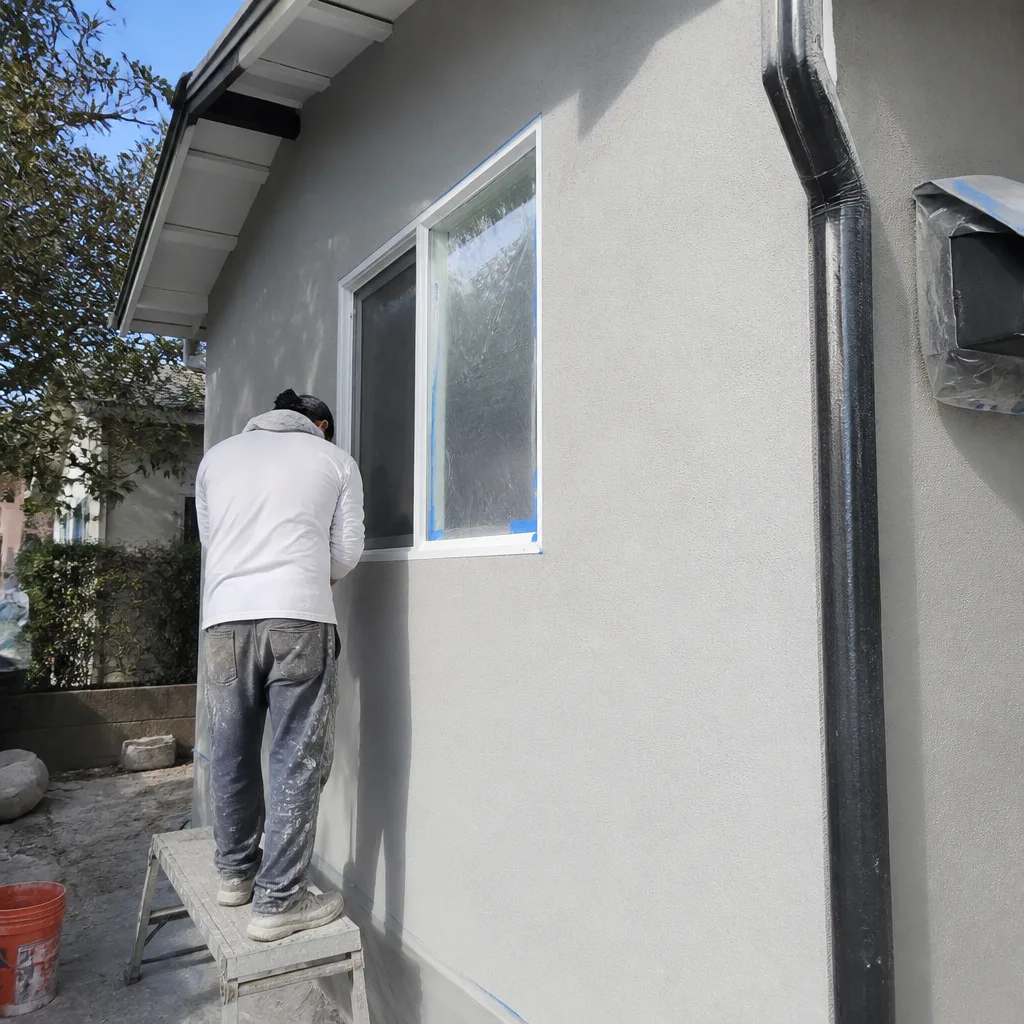 After
AfterReplacement Cost & What’s Included
Full crawl space encapsulation in Whittier runs $3,200 to $5,800 for typical homes between 1,200 and 2,400 square feet of crawl area. The low end covers a clean 12-mil JM barrier install with proper seam overlap, double-taped joints, and mechanical termination at walls. The high end includes sub-grade drainage matting, a sump pit and pump if gravity drainage isn’t available, and rim-joist air sealing with closed-cell foam before the barrier goes down.
What drives the range: crawl height (anything under 18 inches requires specialized crew positioning), existing mold or rot remediation, and whether the original barrier left debris that must be removed first. We itemize this in writing before any work starts, per Haven Standard Clause 1. Every encapsulation job carries our 365-Day Done Right Promise, and you receive a Documented Photo Record showing seam detail, termination points, and the final drainage path.
DIY or Call Us?
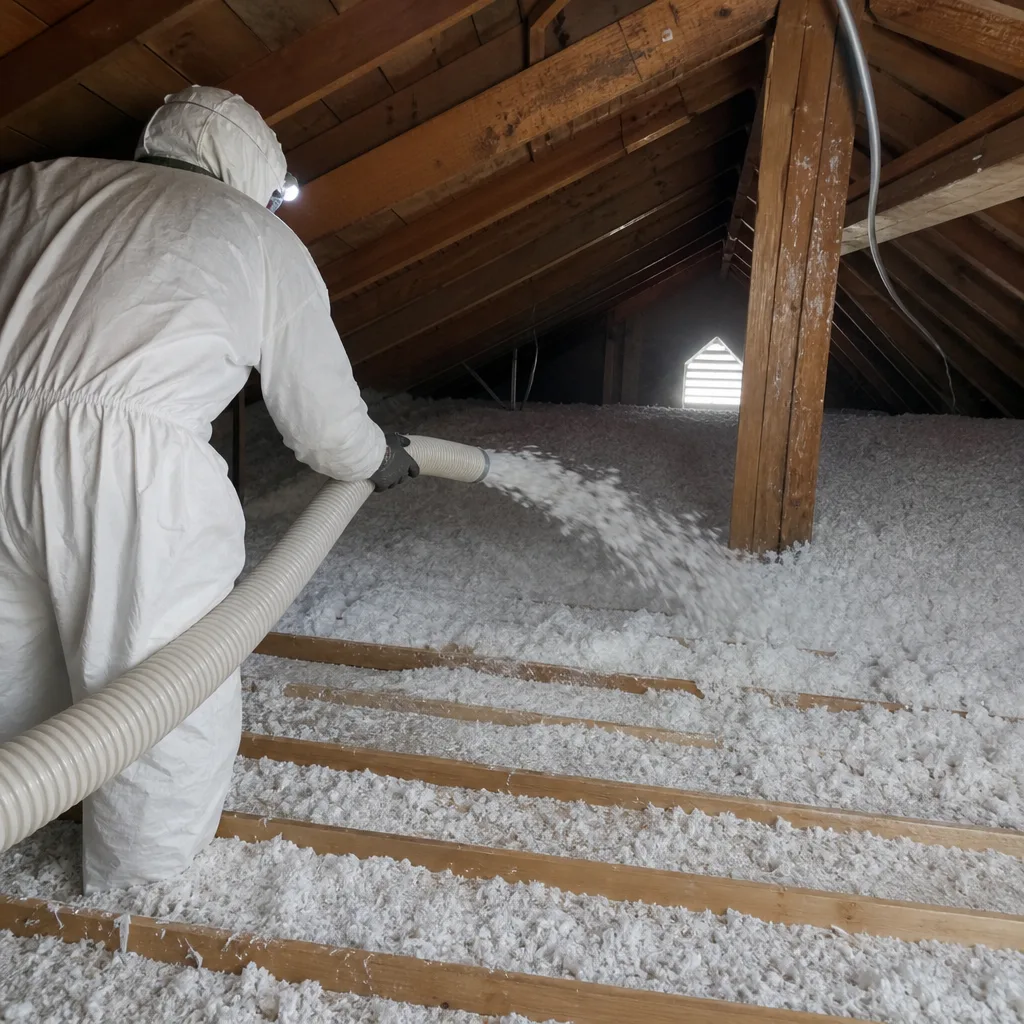
There’s a safe middle ground here. A homeowner can verify the failure: measure the barrier thickness with a caliper at a seam edge, check the sump pump operation during a hose test, and photograph any wall efflorescence for documentation. What goes wrong with DIY encapsulation isn’t usually the barrier itself, it’s the sequencing. We’ve been called to Whittier homes where a homeowner laid beautiful new JM 12-mil over wet soil, trapping moisture against the subfloor and accelerating rot. Or where single-tape seams were used in a high-traffic access area, guaranteeing future leaks at the joint.
The other common DIY miss: neglecting rim-joist air sealing. The vapor barrier controls ground moisture, but without sealing the perimeter where the wood frame meets the foundation, you’re still losing conditioned air and inviting pests. Our crew carries a Hilti BX3 for mechanical fastening of termination bars in Whittier’s older concrete, and we sequence it correctly - seal it first, then cover it, the insulation is not the fix, it’s the finish. If you’re unsure about your crawl’s condition, call (424) 349-7262 and we’ll walk through what you’re seeing. Estimates are free, and we bring a written price to every visit.
FAQs
Properly installed JM 12-mil reinforced polyethylene lasts 15-20 years in Whittier’s climate, though the seam tape may need inspection at year 10. The 6-mil material used in many 2015-2018 tract installs typically fails at 6-8 years due to soil shifting and foot traffic during plumbing access. Call (424) 349-7262 if your barrier is approaching that age - we can assess seam integrity without a full replacement.
Patching works for isolated punctures smaller than a quarter using JM-compatible polyethylene tape and a roller press, but seam failures and widespread degradation require full replacement. We’ve learned that partial repairs often leak at the repair boundary within two years, especially in Whittier’s clay soils that shift seasonally. We provide a free second opinion on any written estimate if you’re weighing repair versus replacement.
Most Whittier crawl spaces are completed in one to two days: day one for debris removal, soil grading, and any sub-drainage work; day two for barrier installation, seam taping, and termination. Tight crawls under 18 inches or homes requiring sump pump installation may extend to a third day. We text your named technician’s arrival window the morning of, per Haven Standard.
Yes. We carry JM 12-mil reinforced polyethylene rolls, FSK-25 seam tape, mechanical termination bars, and acrylic wall sealant on every Whittier service vehicle, plus Reflectix and Owens Corning alternatives if your specific crawl conditions favor a different specification. Same-day installation is available for most standard replacements when you call before 10 a.m. - (424) 349-7262.
Written by Wes Okafor, Owner, Topside Attic Insulation Whittier at Topside Attic Insulation Whittier, serving Whittier and nearby areas.