
Johns Manville Radiant Barrier Installation: The Whittier Owner’s Guide
We install Johns Manville-compatible radiant barrier systems in Whittier homes for $1,800 to $3,400 depending on attic square footage and whether the existing barrier needs full removal or can be retrofitted. Most Whittier jobs we can start within 48 hours, and we stock JM-certified foil laminates and breathable membrane products on our truck for same-day material matching. Homeowners usually figure out something’s wrong when their second-floor bedrooms won’t cool below 78°F even after the AC runs all afternoon, or when they climb into the attic in July and the air feels like a convection oven against the roof deck.
Which Johns Manville Models This Applies To
Johns Manville produces radiant barrier products under two main lines relevant to residential retrofit work in Whittier: the Attic Protector® foil-faced kraft laminates and the ComfortTherm® reflective insulation wraps. The Attic Protector line uses a perforated, double-sided aluminum foil bonded to reinforced scrim - you’ll find the JM logo and a lot number printed every 24 inches along the roll edge. ComfortTherm wraps carry a different adhesive chemistry and are stamped with a product code starting “CT-RB” followed by the width in inches.
Here’s the compatibility gotcha we’ve run into on Whittier’s 1950s-1970s stock: JM’s newer Attic Protector rolls come in 48-inch widths, but many original Whittier installations used 24-inch batts stapled between 24-inch on-center trusses. If your attic has the older 24-inch layout and we install 48-inch product without re-sequencing the fastening pattern, you get thermal buckling at the folds within two summers. We measure your framing spacing before quoting, not after we unload the truck.
We source JM materials through standard distribution channels - Topside Attic Insulation Whittier is an independent service provider, not affiliated with Johns Manville. For homeowners who want OEM-matching without the OEM lead time, we also stock Reflectix double-reflective insulation as a functionally equivalent alternative when the application allows.
Signs Your Johns Manville Radiant Barrier Installation Is Failing
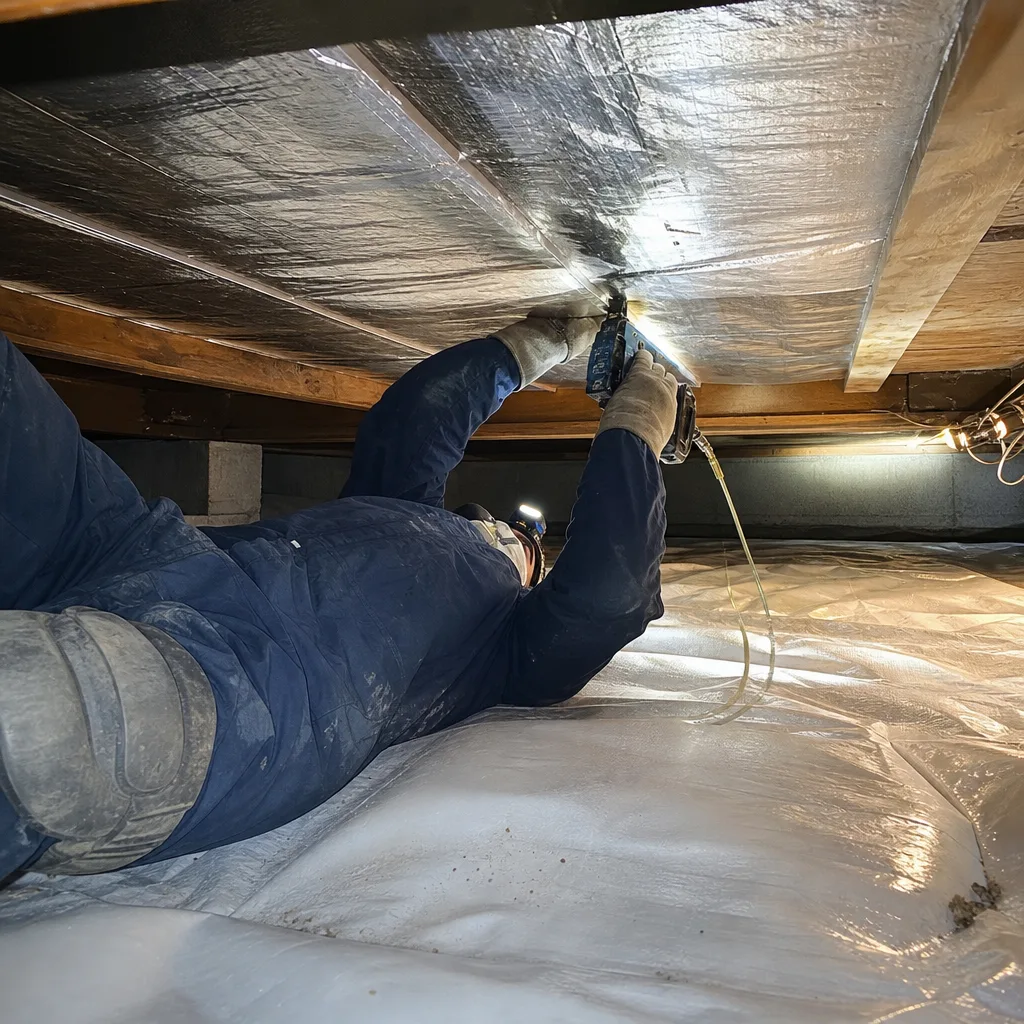
- Hot ceiling patches directly below roof valleys or dormers. The radiant barrier has pulled away from the roof deck at the fastener line, or the original staples have corroded through the foil facing. In Whittier, we see this most on north-facing slopes where morning condensation accelerates fastener rust.
- AC runtime stretching past 6 p.m. to hold 75°F downstairs. A intact radiant barrier blocks 95% of radiant heat transfer from the roof deck; when it tears or delaminates, that figure drops to 40-60%. Your ductwork in the attic absorbs the difference.
- Foil fragments visible in attic insulation or on the attic floor. This means the scrim backing has degraded from UV exposure - usually because someone left a section uncovered during a prior repair, or because gable vents admit enough light to photodegrade exposed edges over five to seven years.
- Musty odor from ceiling registers in September. When the radiant barrier fails, attic temperatures spike 25-40°F higher than designed. That heat drives moisture out of any air-sealing gaps you have, and the humidity condenses on cool duct surfaces.
- Energy bill climbing year-over-year with no rate increase. A failed barrier doesn’t fail catastrophically; it degrades. We’ve pulled JM installations in Friendly Hills where the homeowner lost 3% efficiency annually for four years before calling, never connecting it to the attic.
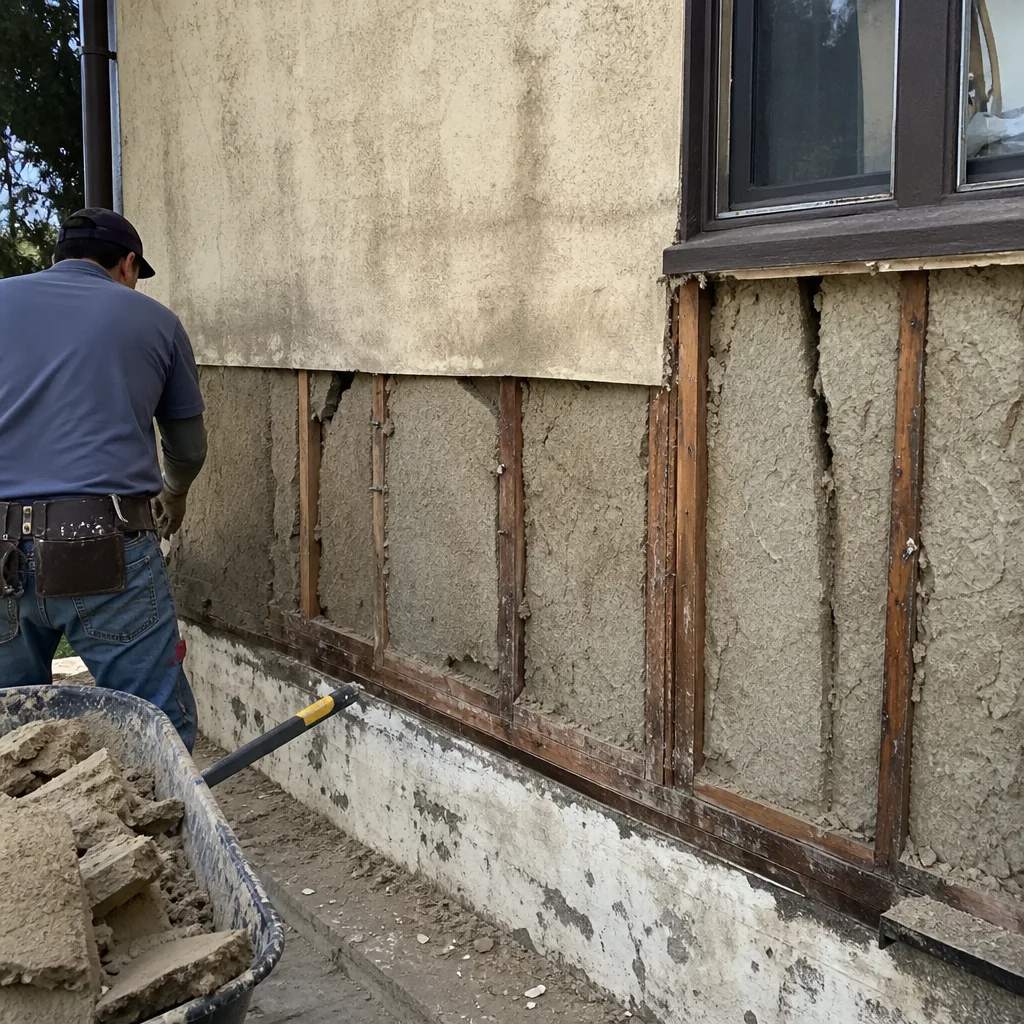 Before
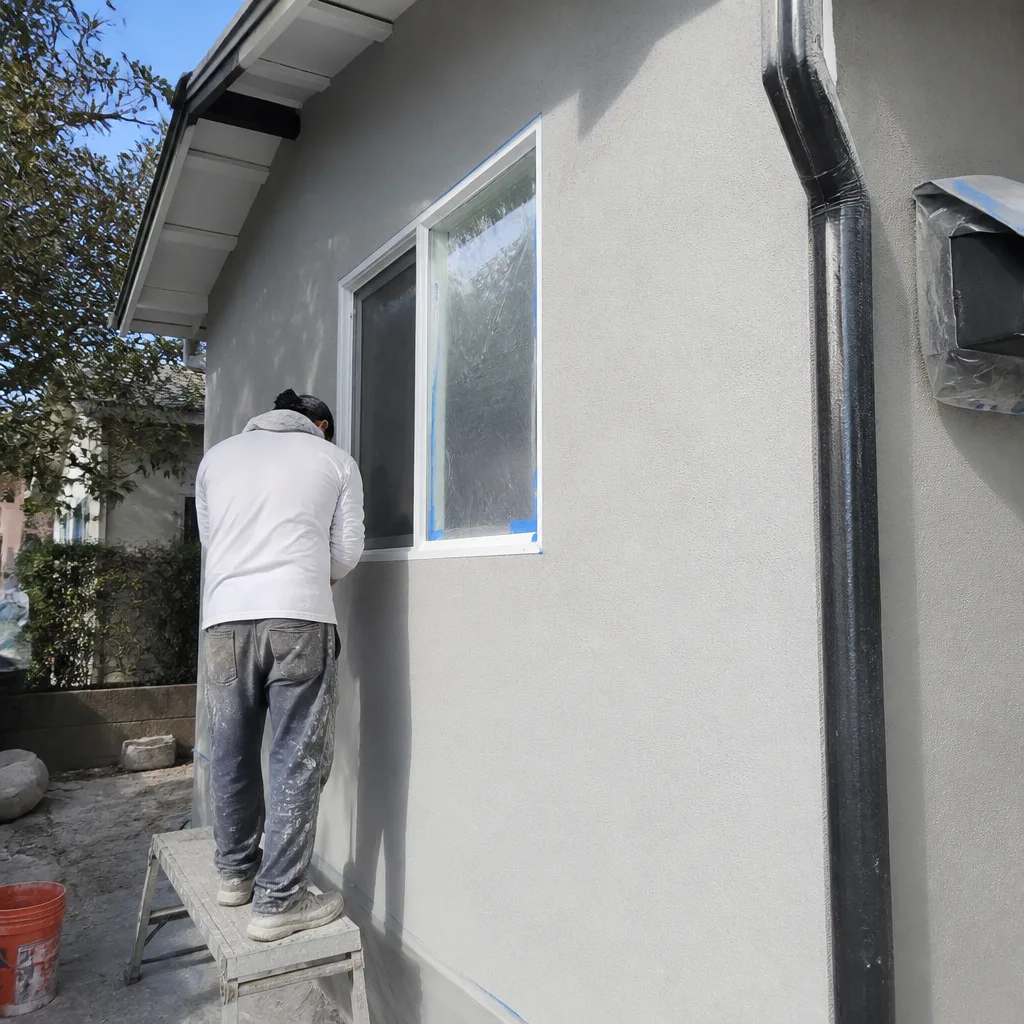 After
AfterReplacement Cost & What’s Included
Most Johns Manville radiant barrier replacements in Whittier run between $1,800 and $3,400 installed. The low end covers a straightforward retrofit over intact existing barrier in a 1,200-square-foot attic with clear access. The high end reflects full removal of degraded material, re-sequencing of fasteners for 24-inch framing, and air-sealing of top plates and penetrations before the new barrier goes in - which is how we do it, because seal it first, then cover it - the insulation is not the fix, it’s the finish.
Every quote breaks out material, labor, and any access complications (tight scuttles, engineered truss webs that require hand-cutting). We don’t start work without a written price, and that price includes a 365-Day Done Right Promise. You’ll receive a Documented Photo Record showing the old material condition, the sealed penetrations, and the new JM barrier fastened to specification. On jobs where we’re also air-sealing, you get before-and-after blower-door numbers - a pressurization reading that shows, in one number, how much air your building envelope was losing.
DIY or Call Us?
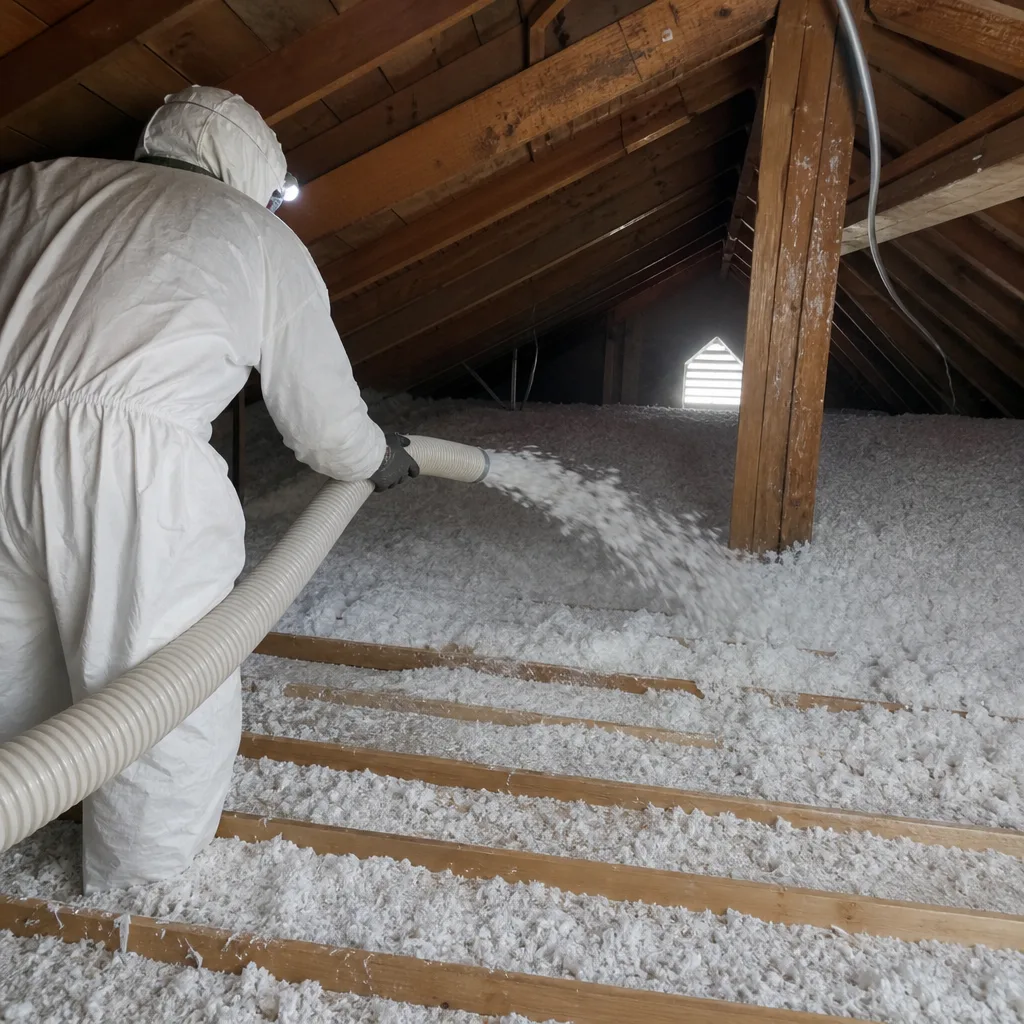
There’s no high-tension danger in radiant barrier work the way there is with garage door springs, but there are two places DIY goes wrong fast. First, walking a 1950s Whittier attic with 2×4 bottom chords and no decking - we’ve seen homeowners put a foot through a ceiling more than once. Second, the temptation to staple new barrier over old without addressing why the old one failed. If the original fasteners corroded, the new ones will too unless you switch to corrosion-resistant staples and seal the moisture source.
What you can safely check: from the attic hatch with a flashlight, look for tears, detached sections, or foil debris on the insulation below. Note the width of your existing rolls and any printed codes. Then call us at (424) 349-7262 - we’ll read what you found, confirm whether it’s a JM product or something else, and give you a written price before any work starts. Free second opinion if you already have another estimate in hand.
FAQs
Properly installed JM barrier in a ventilated Whittier attic typically performs for 15 to 25 years. The limiting factor isn’t the foil itself but the fastener corrosion rate - Whittier’s marine-influenced air and occasional Santa Ana humidity cycles accelerate oxidation at staple lines, which is why we use stainless or polymer-cap fasteners and seal top-plate leaks that drive moisture upward.
Small tears in the field can be patched with JM-compatible foil tape if the scrim backing is still intact. If the tear runs along a fastener line or if you’re seeing multiple failure points, replacement is more cost-effective than chasing individual patches - the labor to properly tape each tear often exceeds the labor to roll new material. Call (424) 349-7262 and we’ll tell you which category you’re in; estimates are free.
Most residential retrofits in Whittier finish in one day, assuming standard attic access and no full removal required. Jobs requiring complete strip-out of degraded material, re-sequencing for 24-inch framing, and air-sealing of top plates typically run into a second day. We give you a day count in the written scope before anyone starts.
We carry JM Attic Protector and ComfortTherm rolls in 48-inch width, plus 24-inch stock for older Whittier framing layouts, and the correct corrosion-resistant fasteners for each. If your job requires a JM product we don’t have on the truck, we can typically source it within 24 hours through Los Angeles distribution - we don’t ask you to wait on a special order measured in weeks.
Written by Wes Okafor, Owner, Topside Attic Insulation Whittier at Topside Attic Insulation Whittier, serving Whittier and nearby areas.