
Rockwool Attic Insulation: The Whittier Owner’s Guide
Rockwool attic insulation installed in Whittier typically runs $2.80 to $4.20 per square foot for batt or loose-fill applications, with most complete attic jobs falling between $3,200 and $5,800 depending on accessibility and whether air sealing is needed first. We stock Rockwool Comfortbatt, Comfortboard, and AFB evo lines on our Whittier trucks and can usually inspect and quote same-day. Homeowners usually discover their Rockwool insulation is failing when second-floor rooms won’t hold temperature in July, energy bills spike 20-40% year-over-year, or a home inspector flags compressed or displaced batts during a sale.
Which Rockwool Models This Applies To
Rockwool’s residential attic line breaks into three families, and getting the right one matters for both fire rating and R-value per inch.
- Comfortbatt - the pinkish-brown semi-rigid batt, most common in Whittier’s 1950s-1980s tract homes with standard 2×6 or 2×8 joist bays. Available in R-15, R-23, R-30, and R-38 thicknesses. The 3.5-inch R-15 and 5.5-inch R-23 are what we pull out most often in Uptown Whittier bungalows with original 2×6 framing.
- Comfortboard 80/110 - rigid boards used for attic hatch covers, kneewalls, or cathedral ceiling applications where compressible batts won’t hold. The 80 and 110 refer to compressive strength in pounds per square foot; 110 is what we spec for walkable attic floors over living space.
- AFB evo (Acoustic Fire Batt) - the gray, higher-density batt found in party walls and some fire-rated attic separations in duplexes near Whittier Boulevard’s denser housing stock. Not a thermal product primarily, but we replace it when it’s been compromised by rodent activity or water staining.
Identification is straightforward: Rockwool batts carry a printed melt line every 24 inches and a density stamp on the facing edge. If your existing insulation is brown, slightly rigid, and doesn’t itch like fiberglass, it’s almost certainly Rockwool mineral wool. We don’t push OEM-only replacement - Rockwool’s mineral wool composition is standardized under ASTM C665, so quality aftermarket batts from Johns Manville or CertainTeed perform identically if the density and R-value match. The gotcha in Whittier’s older homes: original 2×6 joists at true 5.5-inch depth need the R-23 batt precisely; stuffing an R-30 (7.25-inch) compresses it to R-22 or worse and voids the stated performance.
Signs Your Rockwool Attic Insulation Is Failing
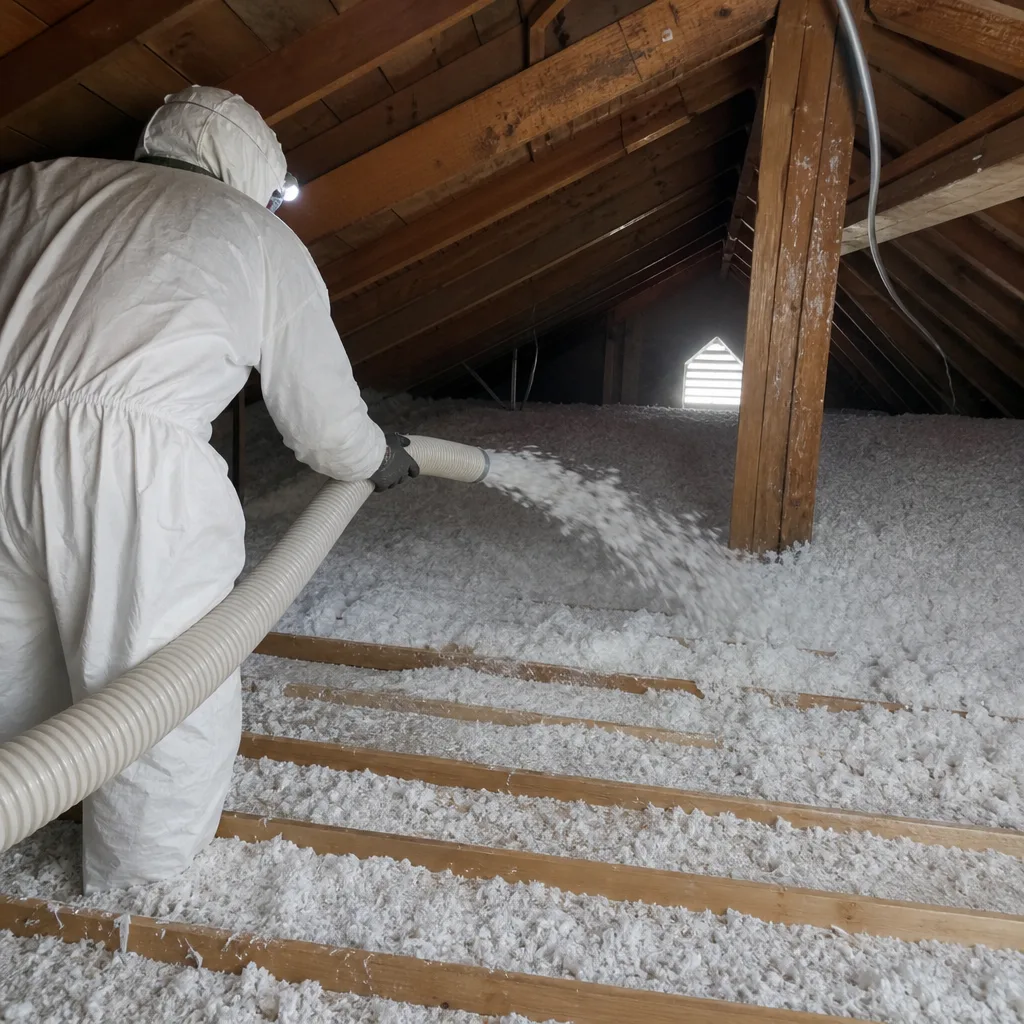
- Hot second floor, cold first floor. Rockwool doesn’t degrade chemically, but it settles or gets displaced by wind washing through soffit vents. In Whittier’s Santa Ana wind events, we’ve found batts blown clear off top plates in homes near the hills, creating a 12-inch thermal bypass that the thermostat never sees.
- Energy bill jumps without rate changes. A home that tested at 3,800 CFM50 five years ago and now tests at 5,200 CFM50 usually has insulation that’s been moved, not worn out. The blower-door number tells the story: air is moving through gaps the Rockwool used to cover.
- Visible compression or water staining. Rockwool is hydrophobic - it doesn’t absorb liquid water - but staining means you have a roof leak or condensation event that has likely compressed the batt structure. Once compressed from 5.5 inches to 3 inches, an R-23 batt performs like R-15.
- Rodent tunnels or droppings in the insulation layer. Rockwool’s density resists nesting better than fiberglass, but determined roof rats in Whittier’s mature neighborhoods still burrow through. They don’t eat it, but they displace it, and their urine degrades the facing over time.
- Home inspector flags “insulation contact” issues with can lights. Older Rockwool installations often lack proper IC-rated covers, meaning batts were pushed against hot fixtures. The Rockwool itself is fireproof to 2,150°F, but the surrounding framing and wiring aren’t; this creates a real hazard we find regularly in pre-1990 Whittier homes.
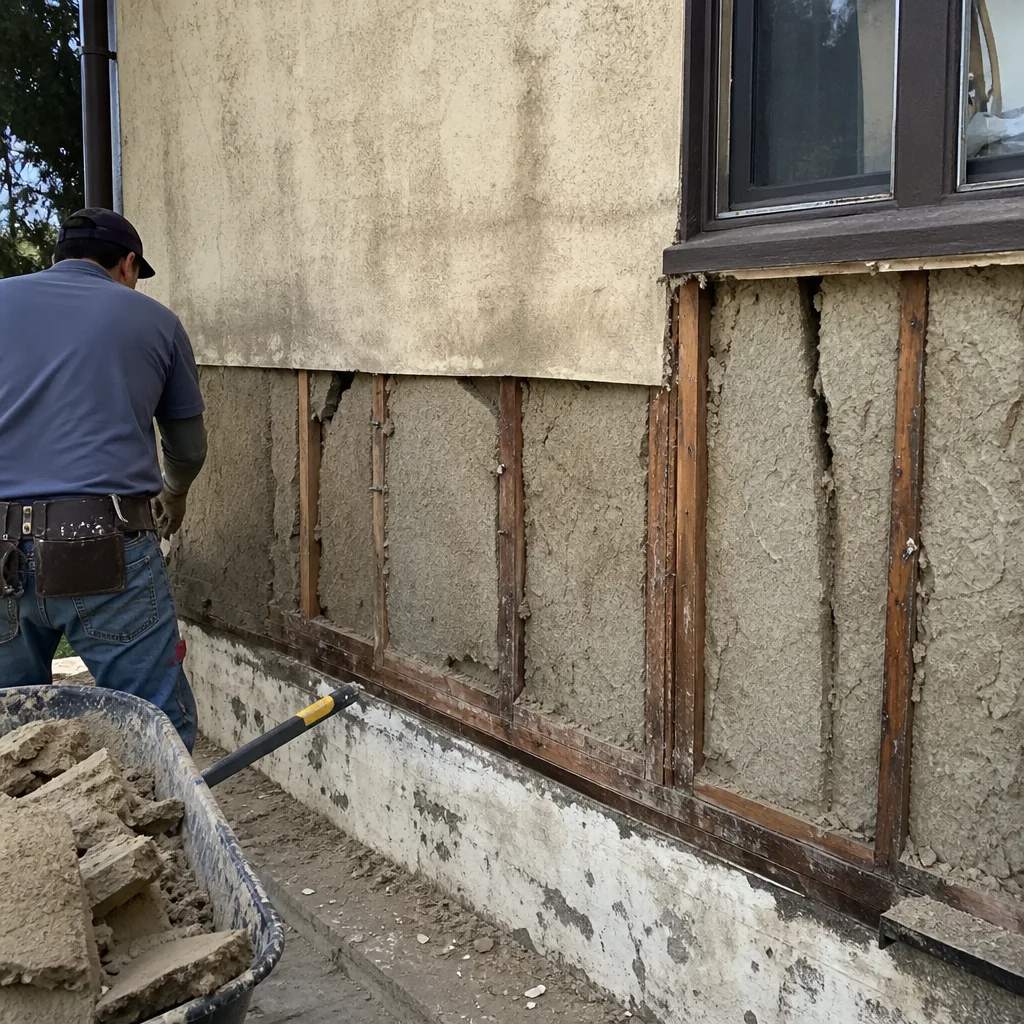 Before
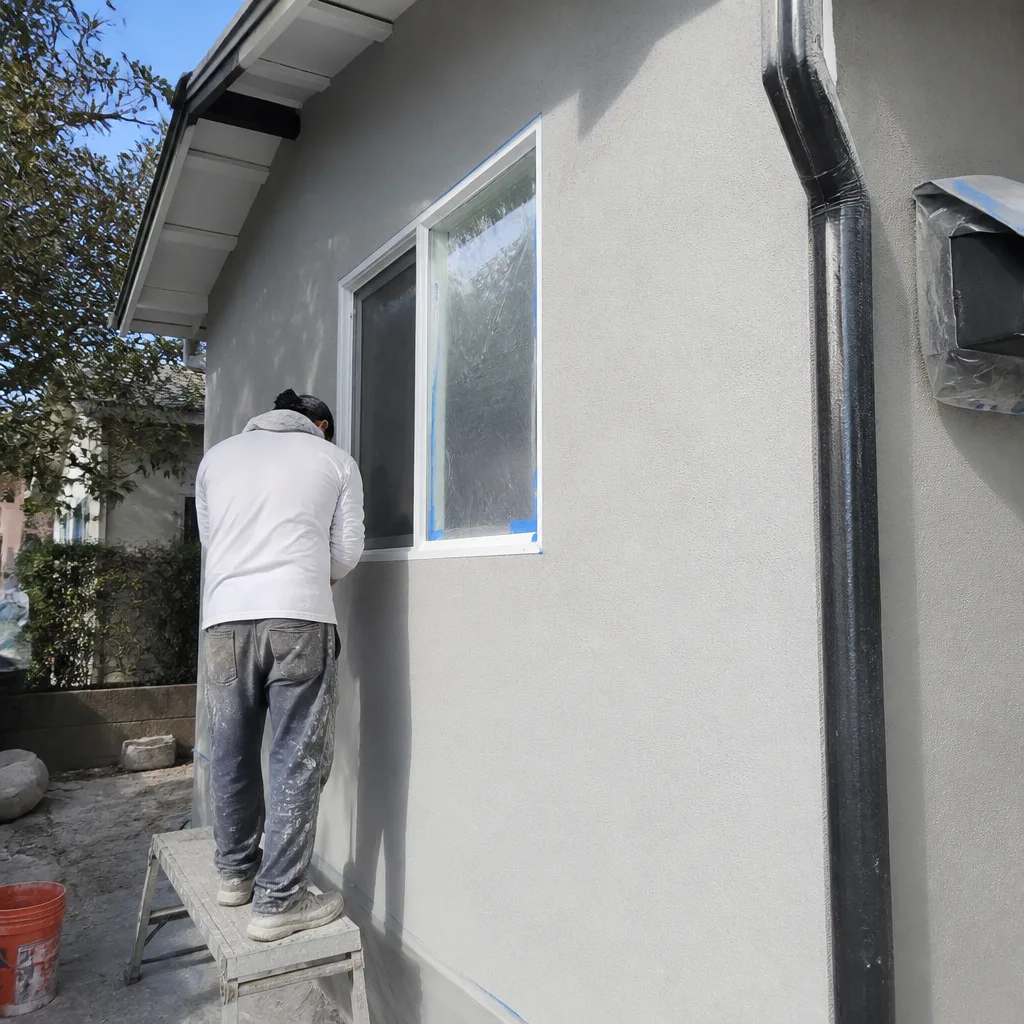 After
AfterReplacement Cost & What’s Included
| Scope | Typical Range in Whittier |
|---|---|
| Spot replacement (damaged sections, up to 200 sq ft) | $680 - $1,400 |
| Complete attic re-insulation with Rockwool Comfortbatt (1,000-1,500 sq ft) | $3,200 - $5,200 |
| Complete attic with air sealing + Rockwool (blower-door verified) | $4,800 - $7,600 |
| Attic hatch upgrade with Comfortboard 110 | $340 - $580 |
What drives the range: attic height (cathedral vs. standard truss), whether we need to remove existing material, and the condition of the air barrier below. Every Rockwool job we quote in Whittier includes the written scope, the material specification by R-value and density, and our 365-Day Done Right Promise. We don’t start without a flat price in writing - Haven Standard Clause 1 - and every job closes with a Documented Photo Record. On air-sealing jobs, you get before-and-after blower-door numbers so you can verify the envelope actually tightened.
DIY or Call Us?
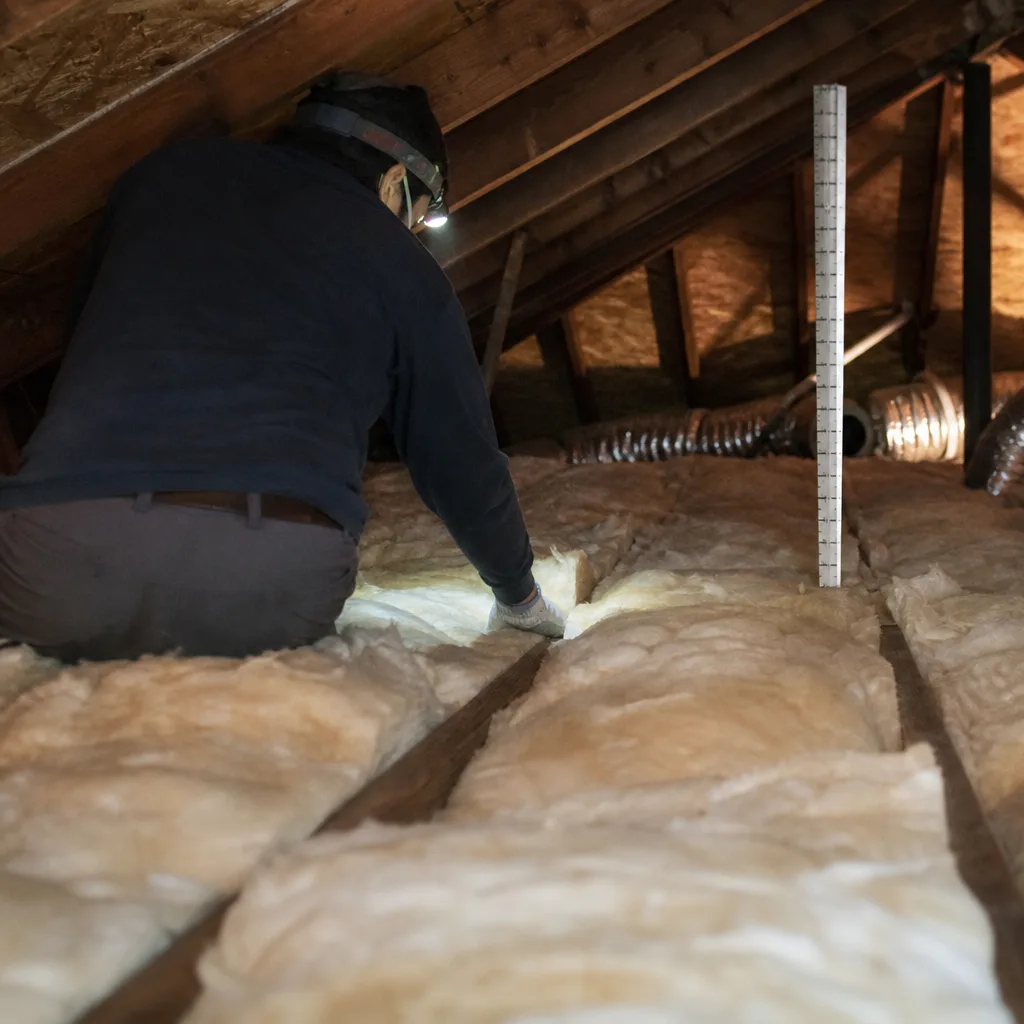
Here’s what a Whittier homeowner can safely check: lift the attic hatch on a cool morning and look for displaced batts, staining, or daylight showing through gaps. Note the thickness of what’s there against the joist depth - if a 2×8 bay has 3 inches of compressed material, you’ve found your problem.
Where DIY goes wrong: Rockwool mineral wool is heavier than fiberglass per square foot, and working overhead in a 140°F attic fatigues people fast. More importantly, most insulation failures we see in Whittier are actually air-sealing failures wearing an insulation costume. Blowing new Rockwool over an unsealed top plate or can-light penetration is spending money to hide the problem. Seal it first, then cover it - the insulation is not the fix, it’s the finish. For the removal, disposal, and especially the air-sealing work that should precede any new insulation, a trained crew with proper respiratory protection and blower-door verification is the right call.
Call (424) 349-7262 for a free estimate. We’ll inspect, test if needed, and give you a written price before any work starts.
FAQs
Rockwool mineral wool itself is inert and doesn’t off-gas or degrade chemically; we’ve found properly installed batts from the 1970s still performing at spec in Whittier homes. The failure mode is almost always physical displacement, compression, or moisture compromise - not material aging. In coastal-adjacent Whittier with moderate temperature swings, expect 30+ years if the air barrier is intact and roof leaks are addressed promptly. Call (424) 349-7262 and we’ll assess what’s actually happening in your attic.
Localized damage from a single roof leak or rodent activity can be spot-replaced if the surrounding batts are dry, uncompressed, and show no fecal contamination. We cut in new Rockwool to fill the void and seal the air gap. Widespread compression, moisture staining across more than 20% of the attic, or any evidence of current roof leaks means full replacement is the honest recommendation. Our written scope will specify exactly which approach applies to your attic.
Most complete replacements in a 1,200-1,800 square foot Whittier home run two days: one day for air sealing and prep, one day for insulation placement and verification. Smaller spot jobs finish in four to six hours. We don’t quote days we can’t commit to - your written scope includes the schedule.
Yes. We carry Comfortbatt in R-23 and R-30, Comfortboard 80 and 110 in common sheet sizes, and AFB evo for fire-rated separations. For less common densities or large commercial quantities, we pull from our supplier in the San Gabriel Valley with next-day availability. We also stock Reflectix radiant barrier for hybrid systems where summer heat gain is the dominant issue.
Topside Attic Insulation Whittier is an independent service provider and is not affiliated with, endorsed by, or an authorized dealer of Rockwool International. We source Rockwool products through standard wholesale channels alongside Owens Corning, Johns Manville, Knauf, and other manufacturers.
Written by Wes Okafor, Owner, Topside Attic Insulation Whittier at Topside Attic Insulation Whittier, serving Whittier and nearby areas.