
How Much Does Spray Foam Insulation Cost in Whittier?
Our Spray Foam Insulation services in Whittier, CA typically cost between $1,800 and $6,500 for a standard residential job, with most homeowners landing somewhere in the $2,400 to $4,200 range depending on the area being insulated and the foam type used. Open-cell foam runs cheaper at roughly $0.44 to $0.65 per board foot installed, while closed-cell – the denser, vapor-retarding product most Whittier contractors specify for crawl spaces and garage ceilings – runs $1.00 to $1.50 per board foot installed. Most attic rim joist and crawl space jobs in Whittier are completed in a single day, and a written price is available before any work begins.
Spray Foam Insulation Cost Breakdown (2026)
The table below reflects current installed pricing in the Whittier market. “Installed” means material and labor combined – not just the product cost you might see on a big-box shelf.
| Application | Foam Type | Typical Installed Cost (Whittier, 2026) |
|---|---|---|
| Attic rim joists (per linear foot) | Closed-cell, 2″ | $3.50 – $5.50/lin. ft. |
| Attic hatch and pull-down stair box | Closed-cell | $180 – $380 |
| Crawl space walls and band joists | Closed-cell, 2″-3″ | $1,800 – $3,400 |
| Garage ceiling (attached garage) | Open-cell or closed-cell | $900 – $2,200 |
| Attic floor penetrations / top-plate sealing | Closed-cell spot foam | $350 – $750 |
| Flat roof deck (cathedral ceiling, under-deck) | Closed-cell, 3″-4″ | $3,200 – $6,500 |
| Exterior walls (new construction or full gut) | Open-cell, 3.5″ | $1.20 – $1.80/sq. ft. of wall |
| Whole-attic air-seal package (penetrations + foam) | Closed-cell spot + caulk | $550 – $1,100 |
What These Numbers Include
Every line item above includes surface preparation, masking or protection of adjacent materials, foam installation to the specified depth, and trim-out where required. On air-sealing scopes, the work also includes sealing of top plates, can light penetrations, plumbing stacks, and electrical chase openings before any loose-fill or batt work begins. That sequence matters: foam going over unsealed penetrations is money spent on the wrong order of operations.
What the numbers do not include: removal of existing insulation (add $400 to $900 for a typical attic), any drywall repair triggered by wall-injection access holes, or permit fees. In Whittier, permits for insulation are not required for like-for-like replacement in existing spaces, but a new conditioned crawl space enclosure or under-roof-deck application may require a Title 24 compliance review. We pull that together as part of your written scope.
Open-Cell vs. Closed-Cell: The Short Version
Open-cell foam (roughly 0.5 lb/cubic foot density) is softer, vapor-permeable, and works well in conditioned spaces where moisture drive is not a concern – interior walls and attic floors where you want sound dampening alongside air control. Closed-cell foam (1.5 to 2.0 lb density) is rigid, acts as a Class II vapor retarder, and is what most Whittier contractors reach for in crawl spaces, rim joists, and under-deck applications where the foam may contact the soil side or see temperature swings. The R-value difference matters too: open-cell delivers about R-3.7 per inch; closed-cell hits R-6.5 to R-7 per inch at the same thickness.
For a Whittier home built in the 1950s or 1960s – the dominant stock in neighborhoods like Grovedale, Uptown Whittier, and South Whittier – rim joists are almost always left bare from the original build. Two inches of closed-cell there typically costs $280 to $480 for a standard ranch-style perimeter and pays back in both comfort and reduced HVAC runtime.
What Affects Spray Foam Insulation Pricing in Whittier
- Foam type and thickness required. Closed-cell costs roughly twice as much per board foot as open-cell, and the required thickness is set by the application – not by preference. A crawl space wall in Whittier’s climate zone 9 typically needs at least R-19, which means 3 inches of closed-cell or roughly 5 inches of open-cell. If someone is quoting you a price per square foot without specifying both the foam type and the installed thickness, the numbers are not comparable.
- Access difficulty and attic or crawl space height. Whittier has a large inventory of post-war homes with shallow crawl spaces – sometimes under 18 inches of clearance. Technicians working in a 14-inch crawl under a Hadley Street ranch are doing physically harder work than a walk-in basement job, and that labor premium shows up in the quote. Similarly, attics with dense blown-in already in place may need partial removal before foam penetration sealing is possible.
- Existing insulation condition. Vermiculite, deteriorated fiberglass batts, or rodent-contaminated material has to come out first. In Whittier’s older housing stock – particularly homes built before 1980 in neighborhoods like Friendly Hills and East Whittier – encountering degraded attic insulation is common enough that we treat it as a baseline question on every initial assessment. Removal adds $400 to $900 to a typical attic scope before any new foam goes in.
- Local climate demands – specifically summer attic temperatures. Whittier sits in the San Gabriel Valley, where attic temperatures regularly hit 150 to 160 degrees Fahrenheit from June through September. That thermal load means closed-cell under a low-slope or flat roof deck requires a minimum 3.5-inch application to maintain R-25 under those conditions – thinner applications compress their R-value under sustained high heat. Contractors quoting 2 inches on a flat deck in Whittier are under-specifying for the climate.
- Job size and setup costs. Spray foam requires a proportional setup – a two-component system, heated hoses, and a generator or compressor rig. That rig costs roughly the same to set up for a 400-square-foot garage ceiling as for a 1,200-square-foot attic floor. Small jobs carry a higher cost per square foot than large ones because the mobilization overhead doesn’t scale down. A standalone rim-joist-only job will cost more per board foot than the same foam type specified as part of a full crawl space encapsulation.
- Air sealing as a prerequisite. This is where Whittier homeowners sometimes encounter a split in contractor pricing: some bids include air sealing of top plates, can lights, and plumbing penetrations; others quote foam-only and treat sealing as a separate line or skip it entirely. At Envelope Insulation Co., air sealing is a hard prerequisite – we will not install insulation over an unsealed attic floor because the thermal performance of the insulation depends on it. A bid that omits sealing is not the same service, even if the foam type and depth match.
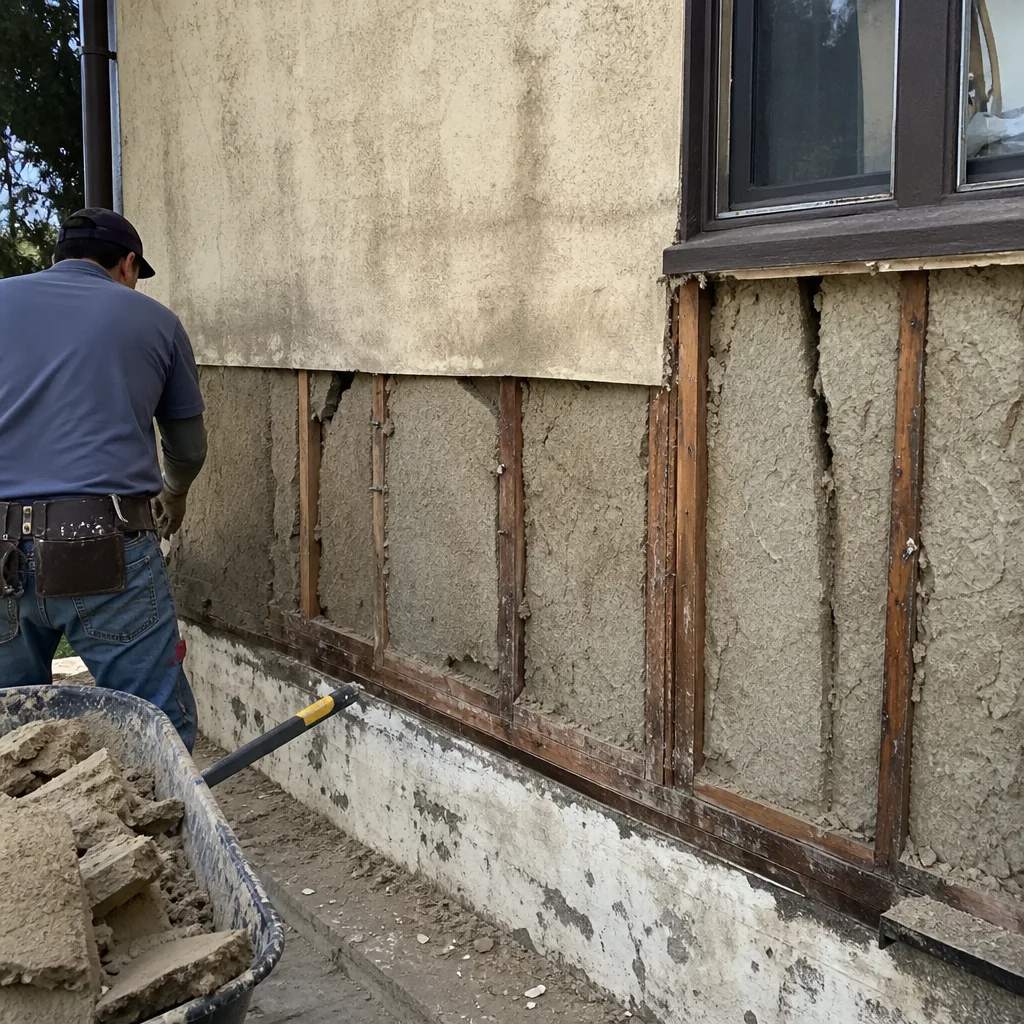 Before
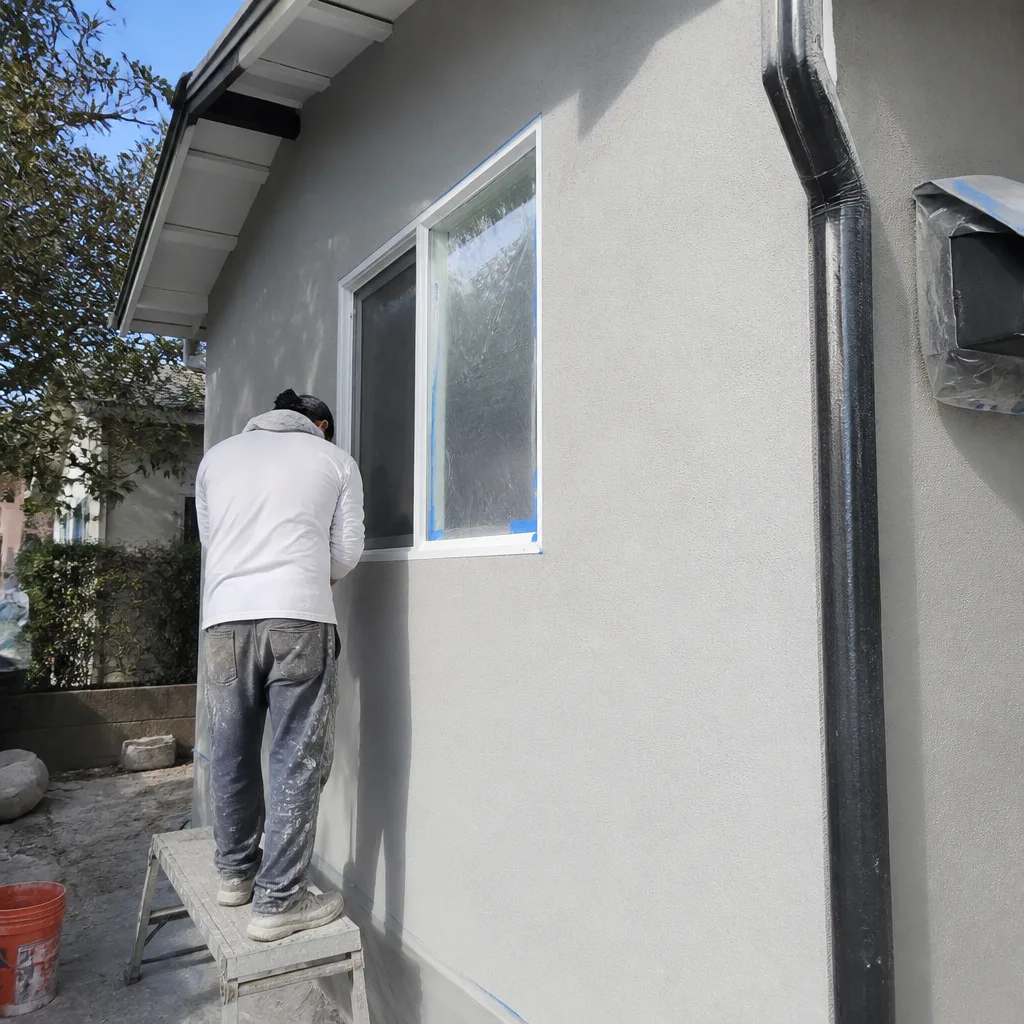 After
AfterHow to Save on Spray Foam Insulation in Whittier
Combine Scopes on a Single Mobilization
If your attic needs air sealing and your crawl space needs closed-cell foam on the perimeter walls, scheduling both in a single visit cuts the mobilization cost in half relative to two separate trips. On a typical Whittier home, bundling attic air sealing with a crawl space foam package saves $200 to $500 compared to separate jobs, because the setup time and equipment positioning overhead is absorbed once. Ask for a combined scope on the written estimate – the line items will stay visible so you can see exactly what each piece costs.
Use California’s Energy Upgrade Programs Where They Apply
SoCal Edison’s residential insulation rebates and the California Energy Commission’s TECH Clean California program both carry incentive structures that can offset closed-cell spray foam costs when the work is part of a qualifying energy improvement. Eligibility depends on your utility account, the scope of work, and whether the contractor submits the documentation correctly. A written scope that specifies foam type, R-value achieved, and square footage covered is the documentation those programs require – which is exactly what the Haven Standard written price provides before work starts. Check current program availability with your utility, because program caps and enrollment windows change year to year.
Get the Air Sealing Right Before You Add Insulation
This sounds counterintuitive as a cost-saving tip, but it’s the most direct one: if you add spray foam insulation over unsealed penetrations, you are paying for a fraction of the performance you expected. In Whittier homes, blower-door tests – a pressurization reading that shows, in one number, how much air your building envelope is losing – routinely read 3,500 to 5,000 CFM50 before sealing and drop to 1,800 to 2,800 after a thorough top-plate and penetration seal. That gap is conditioned air escaping before your insulation ever had a chance to do its job. Spending $550 to $1,100 on proper air sealing first protects the full value of a $2,500 to $4,000 spray foam investment.
Bring Any Written Estimate You Have
Under Haven Standard, we offer a free second opinion on any written estimate. If you have a competing quote, bring it. We will read through it with you – line by line – and flag anywhere the foam type, thickness, or air-sealing scope is under-specified for the Whittier climate. A lower number on a page is not always a lower-cost outcome when the specification is thinner than the application requires.
Ask for the Blower-Door Numbers After the Job
On applicable jobs, before-and-after blower-door readings are included in the documented record. That number is not just a verification tool – it’s evidence you can attach to a future home sale, a utility rebate application, or a title-24 compliance conversation. Homeowners in Whittier who have that documentation in hand are positioned differently than those who have a receipt and a verbal assurance. Ask for it before the job starts, not after.
For a written price on your specific Whittier home, call (424) 349-7262. There is no cost for the estimate, and the price is written before anyone starts work – no range-at-the-door adjustments.
Spray Foam Insulation in Whittier: What the Work Actually Looks Like
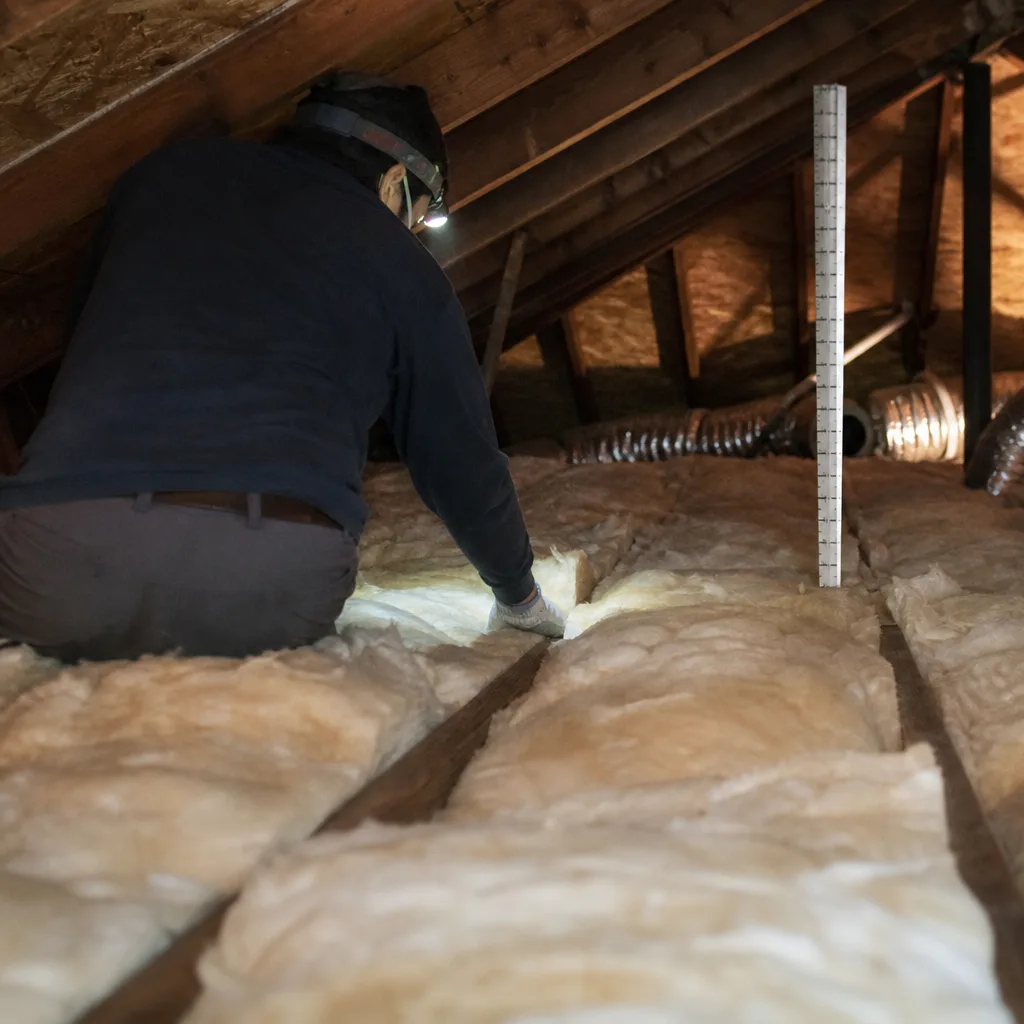
Most Whittier homes we see on the initial assessment fall into one of three situations. The first: a post-war ranch or bungalow in South Whittier or the East Whittier corridor where the attic floor has aged fiberglass batts, the rim joists are bare wood, and the can lights are direct open penetrations into the conditioned space. This is by far the most common situation. The correct sequence is air seal the attic floor first – top plates, can lights, plumbing stacks, any chase openings – then address the rim joists with 2 inches of closed-cell, and finally add blown-in on top of the existing batts if they still have functional R-value or replace them if they don’t.
The second situation: a home in the Friendly Hills or Grovedale area built on a raised foundation with a dirt-floor crawl space. These homes lose a significant portion of their conditioned air through an unconditioned crawl, and the vapor drive from the soil side accelerates both moisture intrusion and wood degradation. The standard fix is closed-cell foam on the crawl space perimeter walls and band joists – 2 to 3 inches depending on the soil conditions – combined with a vapor barrier on the floor. That work typically takes 6 to 10 hours for a standard single-story footprint.
The third situation, and the most expensive: a flat-roof or low-slope-roof home in one of Whittier’s mid-century neighborhoods where the original roof deck is the only separation between the living space and the exterior. Under-deck closed-cell foam is the right call here, but it’s also the application where under-specification is most costly. Three and a half to four inches of closed-cell under a flat deck delivers R-25 to R-29, which is the minimum we’d specify for Whittier’s summer attic temperatures. A competitor quoting 2 inches at a lower number is not quoting the same outcome.
Wes Okafor and the team at Envelope Insulation Co. have documented this range of conditions across the Whittier market since 2016 – across more than 9,000 homes in the region, each one with a written price before work started and a photo record when the crew left.
FAQs – Spray Foam Insulation Cost in Whittier
How much does spray foam insulation cost per square foot in Whittier, CA?
Closed-cell spray foam installed in Whittier runs $1.00 to $1.50 per board foot (one board foot equals one square foot at one inch thick). At a typical 2-inch application for rim joists, that’s $2.00 to $3.00 per square foot of surface area. Open-cell runs $0.44 to $0.65 per board foot installed, so a 3.5-inch wall application lands at $1.54 to $2.28 per square foot of wall. Flat per-square-foot comparisons only hold when the foam type and thickness are the same across quotes – verify both before treating price as the differentiator. For a written price on your Whittier home, call (424) 349-7262 – there’s no cost for the estimate.
Is spray foam insulation worth it in Whittier’s climate?
For rim joists, crawl space walls, and flat or low-slope roof decks, yes – closed-cell spray foam is the right material for Whittier’s climate zone 9 conditions. The San Gabriel Valley’s summer heat loads push attic temperatures to 150-plus degrees from June through September, and the vapor drive from Whittier’s soil side in raised-foundation homes is real. Closed-cell foam’s R-6.5 per inch and Class II vapor-retarding properties address both conditions simultaneously. Blower-door readings before and after a properly specified foam and air-seal job in Whittier consistently show 40 to 55 percent reductions in air leakage, which translates directly into reduced HVAC runtime and lower utility bills.
How long does spray foam insulation last in a Whittier home?
Properly installed closed-cell spray foam has a service life of 80 years or more under normal residential conditions – it does not sag, settle, or absorb moisture the way fiberglass batts or loose-fill cellulose can. Open-cell foam is similarly stable but is vapor-permeable, so its performance in high-humidity environments depends more on the surrounding assembly than closed-cell does. In Whittier’s climate, closed-cell foam installed in a crawl space in 2026 should still be performing to spec in 2060 without any remediation. The 365-Day Done Right Promise covers the work for the first year; the foam itself will outlast that by decades.
Can I combine spray foam with blown-in insulation in my Whittier attic?
Yes, and in most Whittier attics this is the correct approach. Spray foam – typically closed-cell spot foam – handles the air sealing at top plates, can light boxes, plumbing stacks, and any other penetrations. Once those are sealed, blown-in insulation (cellulose or fiberglass) is added on top to bring the total R-value to the California Title 24 target of R-38 or higher for climate zone 9. This hybrid approach costs less than foaming the entire attic floor and produces better results than blown-in alone, because the blown-in is doing thermal work on top of a sealed substrate rather than on top of an air-leaking one. A combined air-seal-and-blow-in package for a typical Whittier attic runs $1,400 to $2,800 depending on attic area and existing insulation condition.
Do I need a permit for spray foam insulation in Whittier, CA?
For like-for-like insulation replacement or addition in existing attic spaces and crawl spaces, Whittier generally does not require a permit. However, converting a vented crawl space to a conditioned (unvented) assembly using under-floor foam, or spray-foaming directly to a roof deck to create a conditioned attic, may require a permit and a Title 24 energy compliance review from the City of Whittier Building and Safety Division. The written scope we provide before any work starts identifies permit requirements specific to your project, so there are no surprises on installation day. If a permit is required, we walk you through that process before work begins – Haven Standard Clause 1 means the written price includes permit costs as a named line item, not a post-job addition.
What’s the difference between a spray foam quote that seems too low and one that’s priced correctly?
Three things to check: foam type, installed thickness, and whether air sealing is included in the scope. A quote that specifies open-cell at 2 inches for a crawl space perimeter wall in Whittier is under-specifying both the foam type (should be closed-cell for moisture resistance) and the thickness (should be 2 to 3 inches of closed-cell to reach R-13 to R-19). A quote that doesn’t mention top-plate and penetration sealing before blown-in is quoting a partial service. Bring any written estimate to us and we will read it with you – the free second opinion is part of how we operate, not a sales tactic.
Key Takeaways
- Most spray foam jobs in Whittier run $1,800 to $6,500 installed, with the majority of residential scopes landing in the $2,400 to $4,200 range.
- Closed-cell foam costs $1.00 to $1.50 per board foot installed; open-cell runs $0.44 to $0.65 per board foot installed.
- Whittier’s summer attic temperatures (150-160 degrees F) require minimum 3.5 inches of closed-cell under flat or low-slope decks – under-specification here means under-performance.
- Air sealing of top plates, can lights, and penetrations must happen before insulation is added – foam installed over unsealed penetrations delivers a fraction of expected performance.
- Before-and-after blower-door numbers are documented on every applicable job so you can see the actual performance change, not just take a contractor’s word for it.
- A written price is provided before any work starts – no range-at-the-door adjustments, no surprises on the invoice.
- The 365-Day Done Right Promise applies to all completed work.
Get a Written Price for Your Whittier Home
If your home is in Whittier, Friendly Hills, South Whittier, or the East Whittier corridor and you want to know what spray foam insulation will actually cost for your specific situation – attic, crawl space, garage ceiling, or under-deck – the fastest way to find out is to call (424) 349-7262. There is no cost for the estimate. You’ll receive a written price before anyone starts work, a documented photo record when they leave, and on applicable jobs, before-and-after blower-door numbers so you can verify the result yourself.
Wes Okafor leads the team at Envelope Insulation Co., serving Whittier under The Haven Standard since 2016. Learn more about the full Spray Foam Insulation in Whittier service, or visit our home page for the complete building-envelope service line. If you already have a written estimate from another contractor, bring it – the free second opinion means we read it with you, line by line, before you decide anything.
Written by Wes Okafor, Owner at Envelope Insulation Co. (operating as Topside Attic Insulation Whittier), serving Whittier, CA since 2016.
Pricing reflects the Whittier market as of 2026. Topside Attic Insulation Whittier offers free estimates – call (424) 349-7262.
What Our Customers Say
"Crawl space encapsulation done properly. Photographs of the vapour barrier at every seam, and the damp smell in the hallway is gone."
- Ainsley P."Two other companies quoted to blow more insulation on top of what was there. These were the only ones who said the existing material had to come out first, and explained why."
- Clifford E."They air-sealed the attic floor before insulating and showed me the blower-door number before and after. The upstairs is finally the same temperature as downstairs."
- Marisol D.