
Last updated September 24, 2026
Insulation Cost Breakdown: The Whittier Homeowner’s Reference for 2026
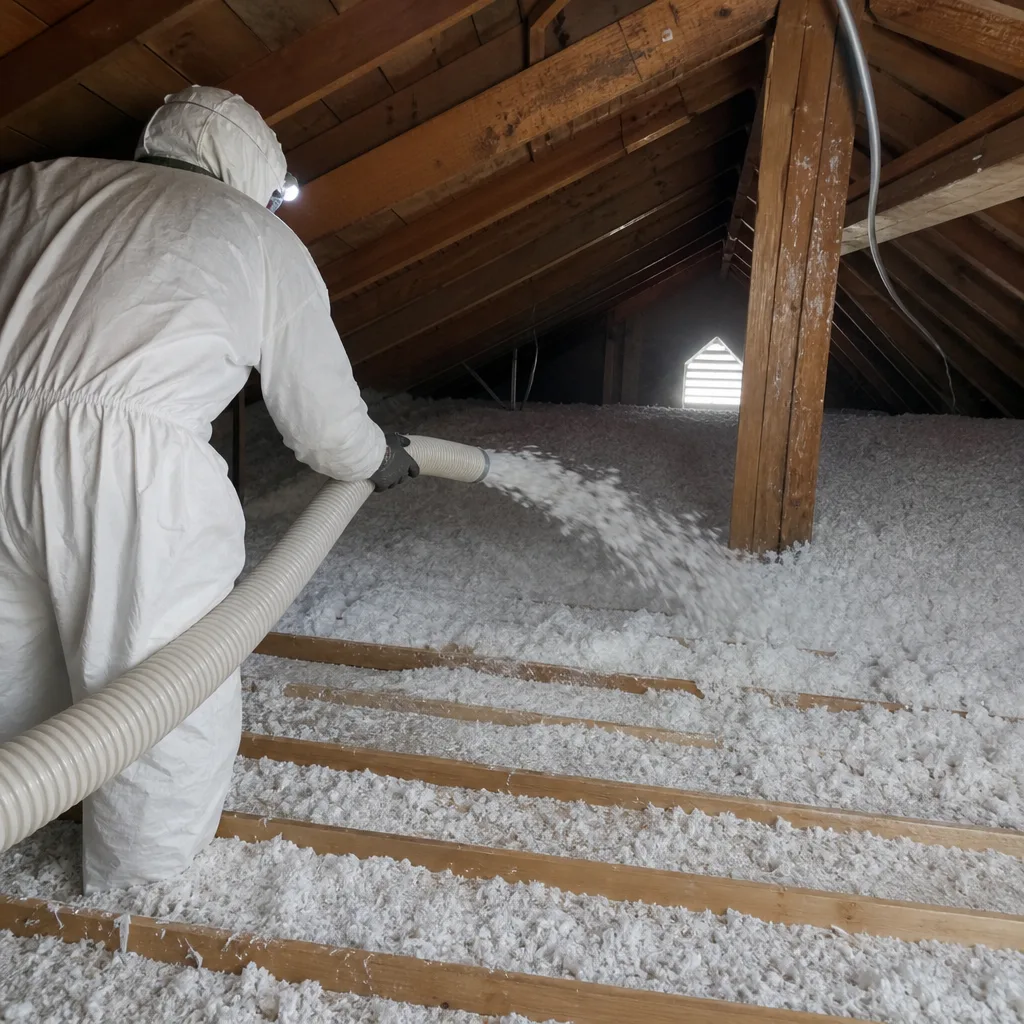
The lowest insulation bid you receive in Whittier is almost certainly priced without air sealing. Retroactively adding professional air sealing to a completed attic - after the new insulation is already down - costs 30-50 percent more than doing it before installation, because the contractor has to move material to access the bypasses. We’ve seen this scenario repeatedly in neighborhoods like Friendly Hills and East Whittier, where homeowners compared three bids, chose the cheapest, and discovered two years later that their new insulation was performing at half its rated R-value because warm, moist air was still streaming through unsealed top plates and can-light penetrations. This guide reconstructs insulation cost from the labor and material inputs up, so you can audit any bid against the actual work being proposed; for Insulation Warning Signs: A Whittier Homeowner’s Reference Guide, see our companion post.
Quick Answer
Most complete attic insulation jobs in Whittier run between $3,800 and $8,500 for a 1,500 square foot home, depending on insulation type and whether professional air sealing with blower-door verification is included. Blown cellulose with full air sealing typically falls in the $4,200-$5,800 range, while two-component spray foam runs $7,500-$12,000+. The 40-60 percent price spread between competing bids usually reflects whether the scope includes pre-installation air sealing and documented performance testing, not material quality alone.
Table of Contents
- Why Whittier Insulation Bids Vary by 40-60% for the Same Described Scope
- 2026 Per-Square-Foot Costs by Insulation Type in the LA Basin
- The Six Line Items Every Complete Bid Should Show
- SCE and SoCalGas Rebates: How They Reduce Your 2026 Out-of-Pocket Cost
- Vented Attic Re-Insulation vs. Unvented Conditioned Attic Conversion
- How to Audit Any Bid: A Line-Item Test
- Whittier-Specific Climate and Code Factors That Affect Cost
- Common Mistakes to Avoid
- When to Call a Professional
- Frequently Asked Questions
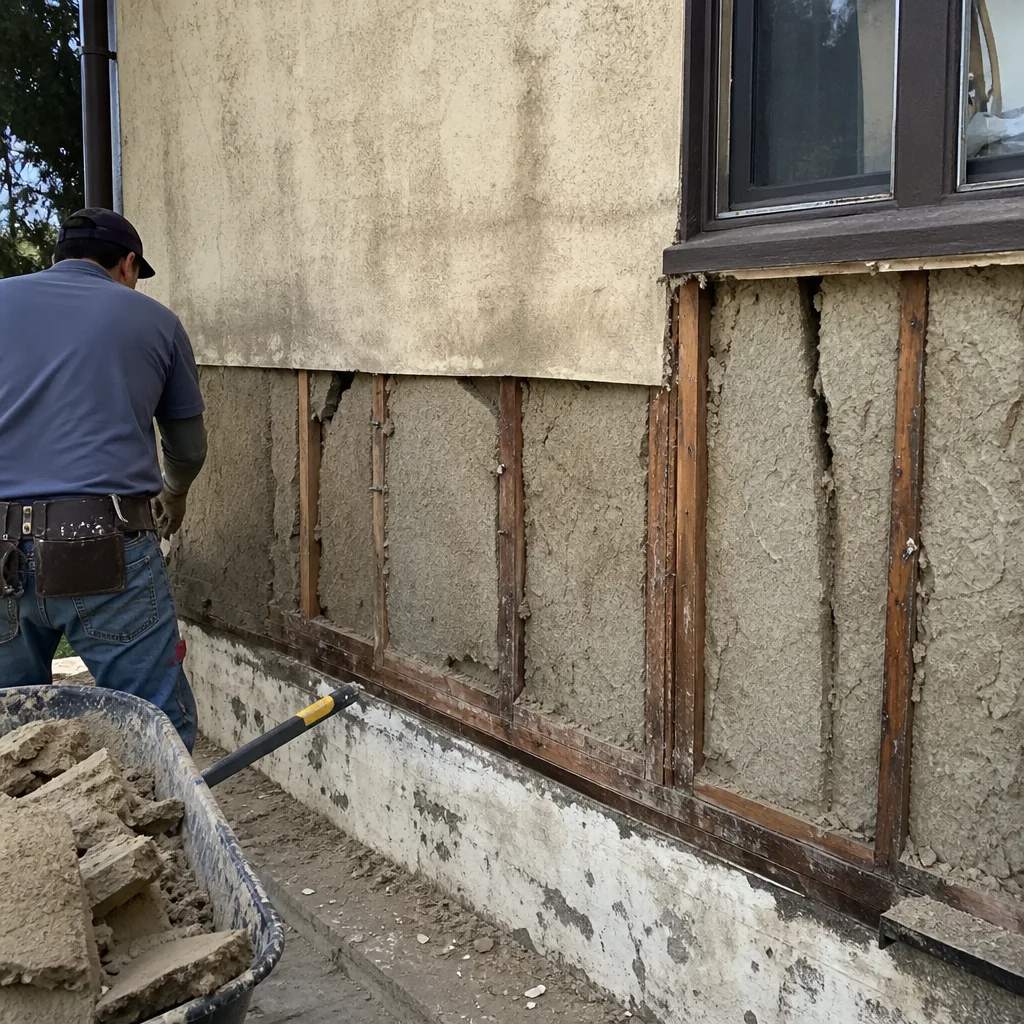 Before
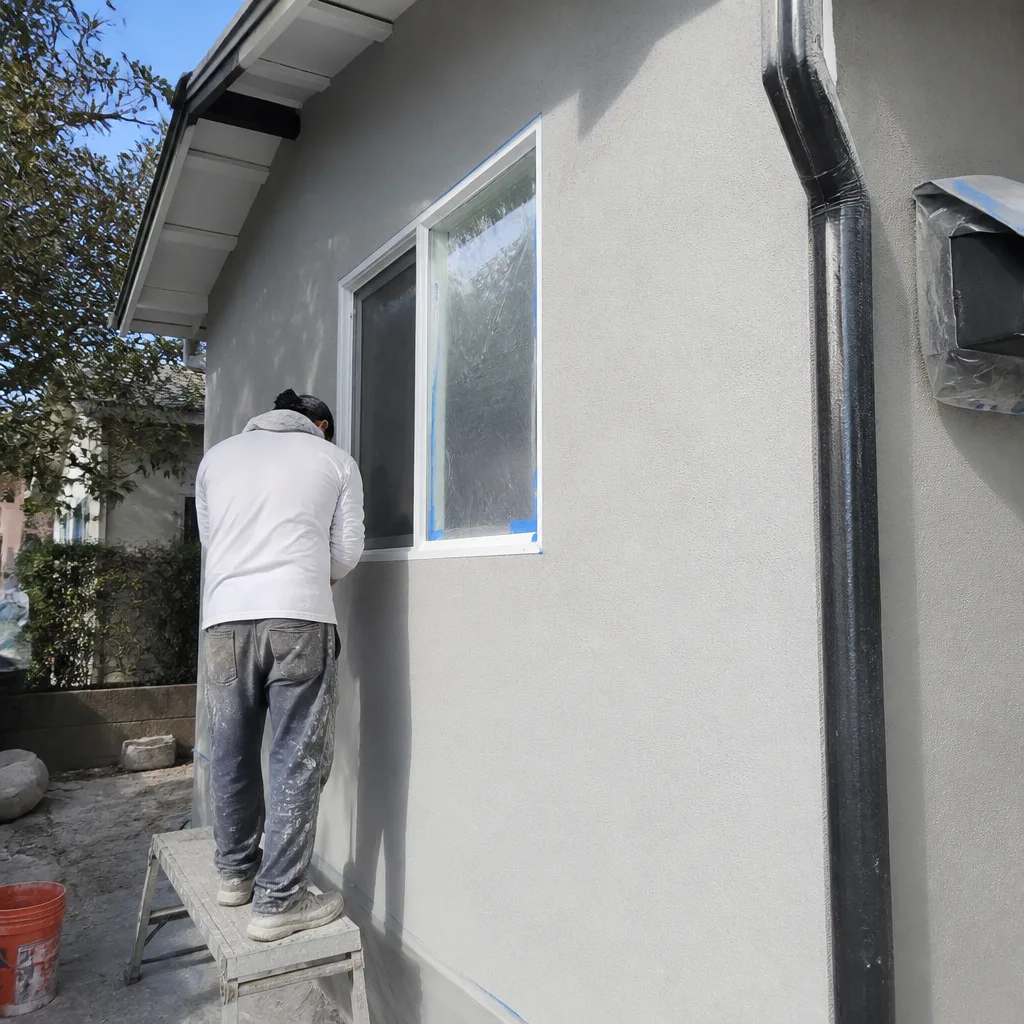 After
AfterWhy Whittier Insulation Bids Vary by 40-60% for the Same Described Scope
We review competitor bids weekly during our free second opinions at Topside Attic Insulation Whittier, and the pattern is consistent. Three contractors describe “attic insulation” in nearly identical language, yet their prices span $2,500 to $6,500. The homeowner assumes the middle bid is safest. Usually, the middle bid is simply the one that omitted the most scope while sounding complete.
Here’s what actually drives the spread:
- Air sealing is priced separately or not at all. One contractor includes sealing top plates, wire penetrations, can lights, and chimney chases; another seals “major penetrations only” (a meaningless category); a third seals nothing and assumes the insulation itself will stop air movement. Fiberglass and cellulose do not stop air. They slow heat transfer through solid conduction. Air bypasses render them partially ineffective.
- Blower-door testing is included, mentioned, or absent. A pre-installation blower-door test - a pressurization reading that shows, in one number, how much air your building envelope is losing - establishes the baseline. A post-installation test proves the sealing worked. Contractors who skip both cannot document performance and often skip the sealing entirely because there’s no measurement forcing accountability.
- Insulation depth is specified or vague. “R-38 to R-49” is the current Title 24 requirement for Whittier’s climate zone. Some bids specify the depth needed to achieve this with a given material (cellulose at 10-12 inches, fiberglass at 14-17 inches). Others write “up to code” without defining depth or material density, which allows underblowing to cut material costs.
- Material quality varies within the same category. Blown fiberglass from one manufacturer may have a settled density of 0.5 lbs/ft³; another specifies 0.8 lbs/ft³. The homeowner sees “blown fiberglass” on both bids and assumes equivalence. The denser material performs better and costs more to install.
In our experience across Whittier, from the historic homes near Whittier College to the 1960s ranch houses south of Whittier Boulevard, the bids that land in the bottom third of the range almost always exclude one of these four elements. The homeowner who chooses based on total price alone is comparing incomparable scopes.
2026 Per-Square-Foot Costs by Insulation Type in the LA Basin
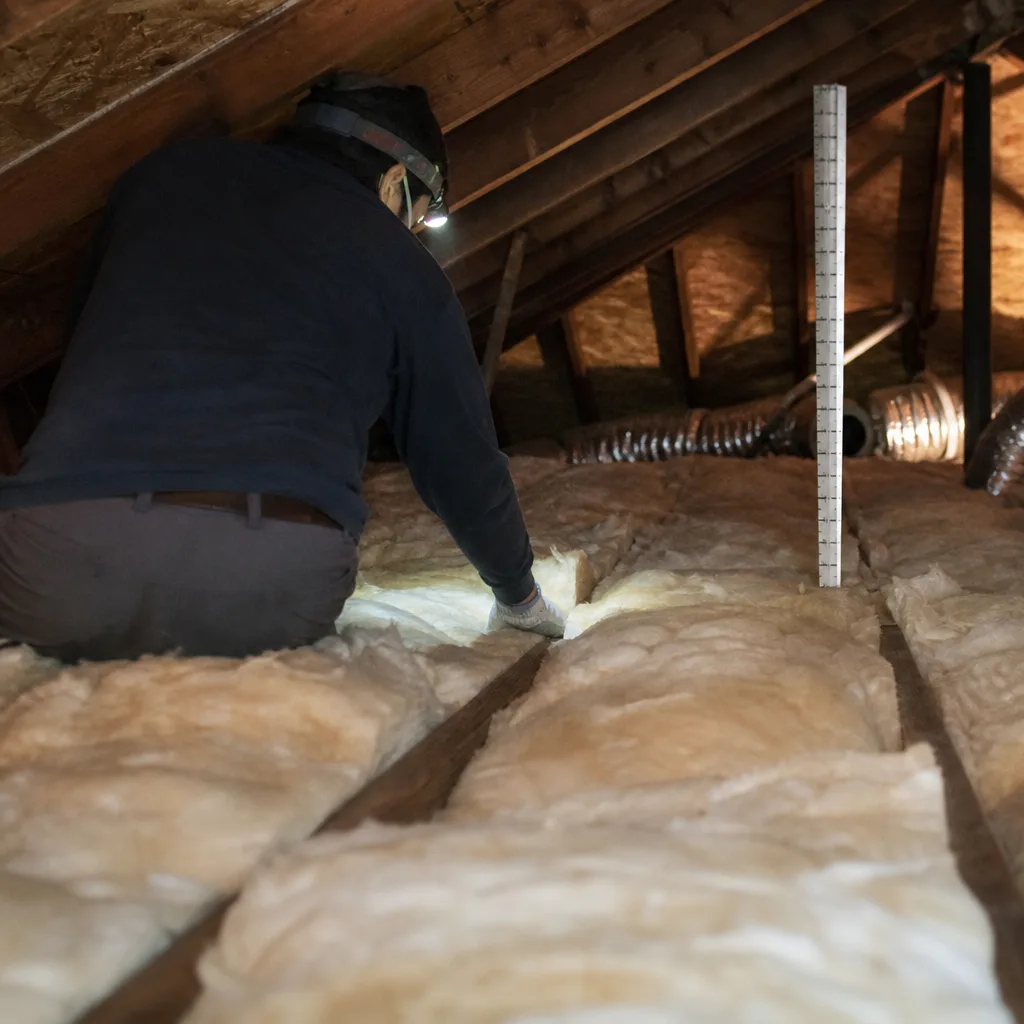
These ranges reflect our actual 2025-2026 pricing for Whittier-area homes, adjusted for LA basin material costs and prevailing wage rates. They assume a standard vented attic with 8-10 foot ceiling height, accessible hatch, and no active rodent infestation. Unusual conditions - steep pitch, limited access, extensive wiring relocation - add labor.
| Insulation Type | Material Cost per sq ft | Installation Labor per sq ft | Typical Total per sq ft (with air sealing) | Notes |
|---|---|---|---|---|
| Blown cellulose (dry) | $0.85-$1.20 | $1.10-$1.50 | $2.80-$3.60 | Highest density, best air-sealing synergy; we source from GreenFiber and Johns Manville |
| Blown fiberglass | $0.70-$1.00 | $1.00-$1.40 | $2.50-$3.20 | Faster install, lower weight; Knauf and CertainTeed products common in our jobs |
| Batt retrofit (fiberglass or Rockwool) | $0.90-$1.40 | $1.50-$2.20 | $3.20-$4.50 | Labor-intensive; used for knee walls, vaulted ceilings, or where blowing is impractical |
| Two-component spray foam (open-cell) | $1.80-$2.50 | $1.50-$2.00 | $4.50-$6.00 | Air barrier and insulation in one; requires specialized crew and ventilation |
| Two-component spray foam (closed-cell) | $2.80-$3.80 | $1.60-$2.20 | $6.50-$9.00 | Highest R-value per inch, moisture barrier; used in crawl spaces and rim joists |
Air sealing labor (separate line item): $1.20-$2.00 per square foot of attic floor area. This covers sealing top plates with acoustical sealant, boxing can lights with fire-rated covers, sealing around chimney chases with high-temperature silicone, and closing plumbing and electrical penetrations with expanding foam. It does not include the blower-door test itself.
For a 1,500 sq ft Whittier home with 1,000 sq ft of attic floor:
- Blown cellulose with full air sealing: $4,200-$5,800
- Blown fiberglass with full air sealing: $3,800-$5,200
- Open-cell spray foam (full attic floor and slope): $7,500-$10,000
- Closed-cell spray foam (crawl space + rim joists only, typical application): $3,500-$5,500
These totals include the six components detailed in the next section. Bids that fall below these ranges should trigger immediate scrutiny of what’s excluded.
The Six Line Items Every Complete Bid Should Show
We structure every attic insulation in Whittier proposal under Haven Standard Clause 1: flat price, written scope, written warranty before anyone lifts a tool. The written scope breaks into these six components. If your bid lacks any of them, the scope is incomplete regardless of the total price.
- Pre-installation blower-door test: $250-$400
This establishes the baseline CFM50 - cubic feet per minute at 50 pascals of pressure difference. A typical 1970s Whittier ranch reads 3,500-5,000 CFM50 before work. We document this number in writing; you keep it. Without this test, there is no benchmark to prove improvement.
- Attic bypass air sealing: $1,200-$2,000 (for 1,000 sq ft attic)
The actual labor of sealing all bypasses. This includes top plates (the horizontal framing member where interior walls meet the ceiling), recessed can lights, bathroom fan housings, chimney chases, plumbing vent stacks, and electrical penetrations. In Whittier’s older neighborhoods near Hadley-Greenleaf, we regularly find unsealed whole-house fan openings and abandoned chimney flues that act as major thermal bypasses.
- Insulation material: $700-$2,500
Varies by type and depth. For R-38 to R-49 in a 1,000 sq ft attic, blown cellulose requires roughly 83 bags at 2.5 lbs/ft³ density. Material-only costs run $850-$1,100. Spray foam material costs scale nonlinearly with thickness; 5 inches of open-cell on roof decking uses significantly more product.
- Installation labor: $1,000-$1,800
The crew time to place, blow, or spray material to specified depth or thickness. Includes setup, hose routing, depth verification during install, and cleanup. Spray foam requires a two-person minimum crew with respiratory protection and specialized equipment.
- Post-installation depth verification and blower-door test: $250-$400
After installation, we verify insulation depth with a probe at minimum 10 locations per 1,000 sq ft, photograph each reading, and rerun the blower-door test. The post-test CFM50 should drop 15-30 percent from the baseline if sealing was done properly. We publish both numbers on every applicable job so you can see the performance change you paid for.
- Permit fee if applicable: $150-$350
Whittier requires a building permit for insulation work that involves structural modification, spray foam application, or R-value upgrades exceeding Title 24 baseline in certain zones; details are covered in our guide to Insulation Permits, Codes & Inspections in CA: What You Need to Know. Most straightforward blown-in retrofits do not require permitting, but we verify with the City of Whittier’s Building Division on every job and include the fee when applicable. We handle submittal and inspection scheduling.
Total for complete scope on typical 1,500 sq ft home with 1,000 sq ft attic: $3,550-$7,450 depending on insulation type. The wide range reflects material choice, not scope omission.
SCE and SoCalGas Rebates: How They Reduce Your 2026 Out-of-Pocket Cost
California’s energy rebate landscape shifted in 2024-2025 with the restructuring of Energy Upgrade California, but significant incentives remain available for Whittier homeowners in 2026. Understanding eligibility and cash flow timing prevents the common frustration of expecting immediate discounts.
SCE (Southern California Edison) Home Energy Savings Program:
- Rebate amount: $0.15-$0.25 per square foot of upgraded insulation, depending on final R-value achieved and baseline conditions. Typical Whittier home rebate: $150-$350.
- Eligibility: Must achieve minimum R-value improvement of R-19 over pre-existing condition (or R-38 if attic was uninsulated). Work must be performed by a SCE-participating contractor - we are enrolled - and pre-approval is required before work begins.
- Processing timeline: 8-12 weeks post-installation. Rebate arrives as check or bill credit, not point-of-sale discount. Plan your cash flow accordingly.
SoCalGas Energy Savings Rebates:
- Rebate amount: $0.10-$0.20 per square foot for attic insulation; additional $200-$400 for whole-house air sealing when bundled with insulation and verified by post-installation blower-door test.
- Eligibility: Minimum 15 percent air leakage reduction documented by blower-door test. This is why we publish before-and-after numbers - without documentation, the rebate is forfeited.
- Processing timeline: 10-14 weeks. SoCalGas requires their own inspection on approximately 15 percent of jobs; we coordinate scheduling.
Important 2026 consideration: Both programs now require contractor enrollment and pre-approval. A contractor who tells you to “apply after the fact” either does not understand current requirements or is not enrolled. We submit pre-approval paperwork during our written price delivery, before any work starts, so the rebate stream is already in motion when the crew arrives.
Combined SCE and SoCalGas rebates on a typical Whittier job typically reduce net cost by $400-$900. The homeowner still pays full price upfront and waits 2-3 months for reimbursement. We itemize expected rebates in our written scope so there are no surprises.
Vented Attic Re-Insulation vs. Unvented Conditioned Attic Conversion
Most attic insulation in Whittier involves vented attics: the attic remains outside the thermal envelope, insulation sits on the attic floor, and ridge/soffit vents maintain airflow. An unvented conditioned attic converts the attic to interior space, applying insulation to the roof deck instead, eliminating vents, and typically extending HVAC ductwork into the now-conditioned zone.
Cost comparison for 1,500 sq ft home:
- Vented attic re-insulation (floor, with air sealing): $4,200-$6,500
- Unvented conditioned attic conversion (spray foam on roof deck, HVAC modifications, code-compliant ventilation elimination): $14,000-$26,000
The 3-4x cost multiplier reflects fundamentally different work. A conditioned attic requires:
- Spray foam application to entire roof deck surface, typically 5-7 inches open-cell or 3-4 inches closed-cell to achieve required R-value in Whittier’s climate zone
- Removal or sealing of all existing vents (ridge, soffit, gable) to prevent moisture accumulation
- HVAC ductwork evaluation - ducts in a conditioned attic no longer need insulation but may need resizing due to changed load calculation
- Combustion safety verification - any gas-fired water heater or furnace in the attic must have sealed combustion or be relocated, per Title 24 and fire code
- Permit and inspection sequence that includes structural, mechanical, and fire disciplines
When does the conversion justify its cost? In Whittier’s market, typically when the existing HVAC system is near replacement and the home has significant ductwork in the attic. A conditioned attic can reduce HVAC sizing by 0.5-1 ton because the ducts operate in conditioned space rather than 140°F summer attic air. If you’re already planning a $8,000-$12,000 HVAC replacement, the incremental cost of conditioning the attic becomes more defensible. We do not recommend this conversion solely for insulation performance; the payback period exceeds 15 years in most Whittier homes.
For crawl space encapsulation in Whittier, a related but distinct service, the cost logic differs - see our dedicated guide for that analysis.
How to Audit Any Bid: A Line-Item Test
We developed this test after reviewing hundreds of competitor bids during our free second opinions. It takes two minutes and reveals whether a bid describes complete work or a partial scope with an attractive total.
- Does the bid separately price air sealing?
If air sealing is not a distinct line item, it is almost certainly not included. “Prep work” or “site preparation” does not count. The labor of sealing top plates and penetrations is a distinct trade operation from placing insulation.
- Does the bid mention a pre-installation blower-door reading?
Not “blower door available” or “testing if needed.” A specific pre-installation CFM50 number with the date it was or will be taken. Without this, there is no performance baseline and no accountability for improvement.
- Is insulation depth specified in inches, not just R-value?
R-value is a calculated property that depends on settled density. “R-38 cellulose” at 8 inches depth is not R-38; it’s R-30 at best. The bid should state: “Cellulose, 12 inches minimum depth, verified by probe at 10+ locations.”
- Is the material manufacturer named?
“Blown fiberglass” is insufficient. Owens Corning, Johns Manville, Knauf, CertainTeed - a specific manufacturer with product line. This prevents substitution with lower-density commodity product after contract signing.
- Is there a post-installation verification described?
Depth probe readings, photographs, and a post-installation blower-door test. The bid should describe what you receive, not just what the crew installs.
- Is the warranty in writing and specific?
“Satisfaction guaranteed” is not a warranty. “365-Day Done Right Promise - if settling exceeds 1 inch or blower-door reading does not improve by minimum 15 percent, we return and correct at no charge” is a warranty. We deliver ours in writing before anyone lifts a tool.
A bid that fails items 1 or 2 is incomplete regardless of price. A bid that fails items 3-6 may be complete but lacks documentation standards that protect you. Bring any bid to us; we will read it with you and identify what’s actually being purchased.
Whittier-Specific Climate and Code Factors That Affect Cost
Whittier sits in Los Angeles County’s climate zone 9 (per Title 24), with mild winters, dry summers, and occasional Santa Ana wind events that create significant stack effect pressure in attics. These local conditions create specific cost drivers that generic California insulation guides miss.
Climate-driven considerations:
- Santa Ana wind infiltration: During fall and winter Santa Ana events, pressure differentials across the building envelope spike. Homes with unsealed top plates and electrical penetrations experience accelerated thermal bypass. We regularly measure 20-30 percent higher air leakage rates in Whittier homes during October-January testing. Air sealing provides disproportionate benefit here compared to inland climates with calmer winters.
- Summer attic temperatures: Whittier’s inland-adjacent location produces attic temperatures of 130-150°F in August. Vented attics with inadequate floor insulation force HVAC systems to overcome radiant heat gain through the ceiling. R-38 minimum is not generous; it’s the threshold where cooling load becomes manageable.
- Humidity management: Unlike coastal Orange County, Whittier’s drier climate means vapor drive is primarily inward in summer (air conditioning) rather than outward in winter. This affects whether vapor retarders are recommended - generally not needed in our climate for floor insulation, but critical for crawl space applications.
Code and regulatory factors:
- Title 24 2025 standards: New construction and major alterations in Whittier now require R-49 attic insulation in climate zone 9, up from R-38. Existing home retrofits are not required to meet new construction standards, but rebates increasingly tie to the higher threshold.
- Wildfire urban interface zones: Portions of northern Whittier near the hills fall under enhanced fire-resistant construction requirements. Insulation and air sealing materials in these zones must meet specific ignition-resistant standards, adding 10-15 percent to material costs.
- Historic district considerations: The Whittier Historic Neighborhood Association area has design review requirements for visible exterior modifications. While attic insulation is generally not visible, spray foam applications that require roof deck work or ventilation changes may need review.
Neighborhood-specific patterns we’ve observed:
In the 1950s-1960s ranch homes south of Whittier Boulevard, we commonly find original rock wool or early fiberglass batts at R-11 to R-19, often disturbed by decades of homeowner storage and maintenance access. These jobs require more extensive air sealing because the original construction had no top plate sealing at all. In the 1970s-1980s tracts near Scott Avenue, blown fiberglass was common but typically installed at inadequate depth - 6-8 inches where 12-14 were needed. The material is often salvageable if uncontaminated, but we remove and replace when rodent activity or water staining is present.
Common Mistakes to Avoid
- Choosing the lowest bid without line-item comparison. The lowest bid almost always excludes air sealing. In Whittier’s competitive market, we’ve seen contractors price insulation at material cost just to win the job, planning to upsell sealing later or skip it entirely.
- Blowing insulation over existing material without inspection. Old insulation may hide water damage, rodent contamination, or disconnected ductwork. We photograph the attic floor before covering anything; you see what we found. Covering problems does not solve them.
- Ignoring can lights and bathroom fans. These are among the largest thermal bypasses in a typical Whittier attic. A bid that does not specify fire-rated covers or airtight boxes for these fixtures is incomplete. Standard IC-rated can lights are not airtight.
- Assuming spray foam eliminates the need for air sealing. Open-cell spray foam on roof decking is an air barrier, but the floor and wall junctions still need sealing. Closed-cell on rim joists does not seal the subfloor-to-foundation joint. Every insulation type has junction details that require separate attention.
- Expecting immediate rebate reductions. SCE and SoCalGas rebates arrive 8-14 weeks post-installation. Contractors who promise “instant rebate pricing” are typically inflating the base price to simulate a discount, or they are unclear on current program rules.
- Neglecting to verify post-installation performance. Without a post-installation blower-door test, you have no proof the work performed as specified. We provide this documentation on every applicable job; if your contractor does not, the scope is incomplete by Haven Standard definition.
- DIY air sealing in homes with knob-and-tube wiring. Several Whittier neighborhoods, particularly near the historic district, still have active or abandoned knob-and-tube circuits in attics. Disturbing these during DIY sealing creates fire risk. We identify and flag these during our initial assessment.
When to Call a Professional
Call a professional when your attic shows visible insulation displacement, when rooms directly below the attic have temperature swings exceeding 5°F from the rest of the house, or when your summer cooling bills exceed $300 monthly for a home under 2,000 square feet. These symptoms typically indicate combined air leakage and insulation deficiency that DIY solutions cannot address comprehensively.
Also call before replacing your HVAC system. An insulation and air sealing upgrade often reduces required system capacity, potentially saving thousands on the replacement unit. We coordinate with HVAC contractors on these evaluations.
Topside Attic Insulation Whittier offers free estimates in Whittier - call (424) 349-7262. Every estimate includes a written price, a written scope, and our 365-Day Done Right Promise before any work starts. We also provide free second opinions on any written estimate you’ve already received; bring the bid and we will audit it against the six-component standard described in this guide.
Frequently Asked Questions
Most complete attic insulation jobs in Whittier run $3,800-$8,500 for a 1,500 square foot home, with blown cellulose and fiberglass at the lower end and spray foam at the higher end. The 40-60 percent spread between competing bids usually reflects whether professional air sealing and blower-door verification are included, not material quality differences. Call (424) 349-7262 for a written estimate with line-item pricing - estimates are free.
Repair - adding new material over old - is cheaper upfront but often more expensive over time if the existing insulation is compressed, contaminated, or hiding air leaks. We remove and replace when we find rodent activity, water staining, or material below R-11, because covering these conditions traps problems and reduces new insulation performance. A 1,000 sq ft removal and replacement adds $800-$1,400 to the job but ensures the new material performs at rated R-value.
Same-day service is available for urgent situations - failed HVAC due to extreme attic heat gain, or post-rodent remediation requiring immediate re-insulation. Standard insulation with air sealing requires scheduling for a crew of two and typically takes one full day for a 1,000 sq ft attic. We answer calls 24/7 and can often inspect within 48 hours.
Look for a separate line item labeled “air sealing,” “attic bypass sealing,” or similar, with a dollar amount distinct from insulation material and installation. Terms like “prep,” “site work,” or “labor” without specificity almost always mean sealing is excluded. Under Haven Standard, we itemize this separately so you can audit any bid against our scope.
SCE offers $0.15-$0.25 per square foot for insulation upgrades with minimum R-value improvement, processed 8-12 weeks post-installation. SoCalGas offers $0.10-$0.20 per square foot plus $200-$400 for documented whole-house air sealing with blower-door verification, processed in 10-14 weeks. Both require contractor enrollment and pre-approval. We handle all paperwork during our written price delivery.
Properly installed cellulose and fiberglass last 20-30 years in Whittier’s dry climate, though settling reduces effective R-value by 10-20 percent over the first five years. We specify initial depth 10-15 percent above rated R-value to compensate. Spray foam does not settle but can degrade if exposed to UV light; roof deck applications are protected and typically last 30+ years. Our 365-Day Done Right Promise covers settling and performance; beyond that, we recommend inspection every 10-15 years.
For most vented attics, blown cellulose with comprehensive air sealing provides the best value - lower material cost, excellent density, and proven performance in our climate. Spray foam becomes cost-effective for conditioned attic conversions, crawl spaces with moisture concerns, or homes with severe space constraints where maximum R-value per inch matters. We evaluate each home individually and specify the appropriate material without product lock-in; our materials come from Owens Corning, Johns Manville, Knauf, Rockwool, CertainTeed, and other manufacturers.
The Bottom Line
Insulation cost in Whittier is not mysterious; it is simply underspecified in most bids. The homeowner who understands the six component costs - blower-door testing, air sealing, material, labor, verification, and permit - can audit any proposal against actual work. The lowest bid is rarely the best value when it omits the sealing and testing that make insulation perform. Since 2016, we’ve sealed and insulated over 9,000 homes, every one with a written price before work started and a documented record when the crew left. For your Whittier home, start with a written scope that tells you what you’re buying, then verify it with before-and-after numbers you can hold in your hand, and explore more guides & resources on insulation and home performance.
Call (424) 349-7262 for a free estimate with line-item pricing, or bring us any competitor’s written bid for a free second opinion. We’ll read it with you and show you exactly what’s included.
Written by Wes Okafor, Owner at Topside Attic Insulation Whittier, serving Whittier since 2016.