
Attic Baffles & Ventilation Prep in Whittier, CA
Attic baffles – also called rafter vents or insulation baffles – are rigid channels installed at the eave of each rafter bay to keep a clear airflow path from the soffit vents to the ridge. Without them, blown-in or batt insulation blocks that path entirely, turning your attic into a heat trap and setting the stage for moisture damage and premature roofing failures. If you are planning new Attic Insulation services in Whittier and the soffit baffles are missing, undersized, or crushed, ventilation prep has to happen first – or the insulation you pay for won’t perform as rated.
Topside Attic Insulation Whittier treats ventilation prep as a hard prerequisite, not a line-item add-on you can opt out of. Wes Okafor built the company that way under The Haven Standard since 2016: we will not blow insulation over an unventilated eave line or a blocked soffit. Every job that includes baffles or ventilation work comes with a written price before any crew member lifts a tool, a documented photo record when the work is done, and – on applicable jobs – before-and-after blower-door numbers so you can see in one figure what actually changed.
This page sits under our full Attic Insulation in Whittier service. If you want to jump straight to scheduling an assessment, call us at (424) 349-7262 – a live person answers, any time of day.
Why Ventilation Prep Matters in Whittier’s Climate
Whittier sits in a thermal corridor that the rest of Los Angeles doesn’t quite replicate. Summer afternoons in the Leffingwell and Friendly Hills neighborhoods regularly push attic temperatures past 140°F when ventilation is compromised. The homes east of Greenleaf Ave – mostly 1950s-era ranch and split-level construction – were built with narrow, often-blocked soffits and no ridge venting. That design made sense before AC was standard. It doesn’t work for modern energy loads.
The problem compounds here because the Santa Ana wind pattern is real and local. During dry, hot Santa Ana events, unconditioned attic heat drives radiant load through the ceiling at a rate that air conditioning struggles to offset. A continuous ventilation channel – maintained by properly installed baffles running from soffit to ridge – reduces that attic temperature and relieves pressure on your cooling system. We see this difference in blower-door and thermal readings on jobs in Whittier every season.
There is also a specific moisture dynamic to understand. On winter nights, Whittier’s temperature swings are sharper than coastal LA. Without airflow at the eave, warm humid air from living spaces migrates into the attic, meets the cold underside of the roof deck, and condenses. Over time that moisture feeds mold and rots the sheathing. Baffles alone do not solve every moisture problem, but they are the first structural requirement of a ventilation system that does.
When You Need Attic Baffles & Ventilation Prep
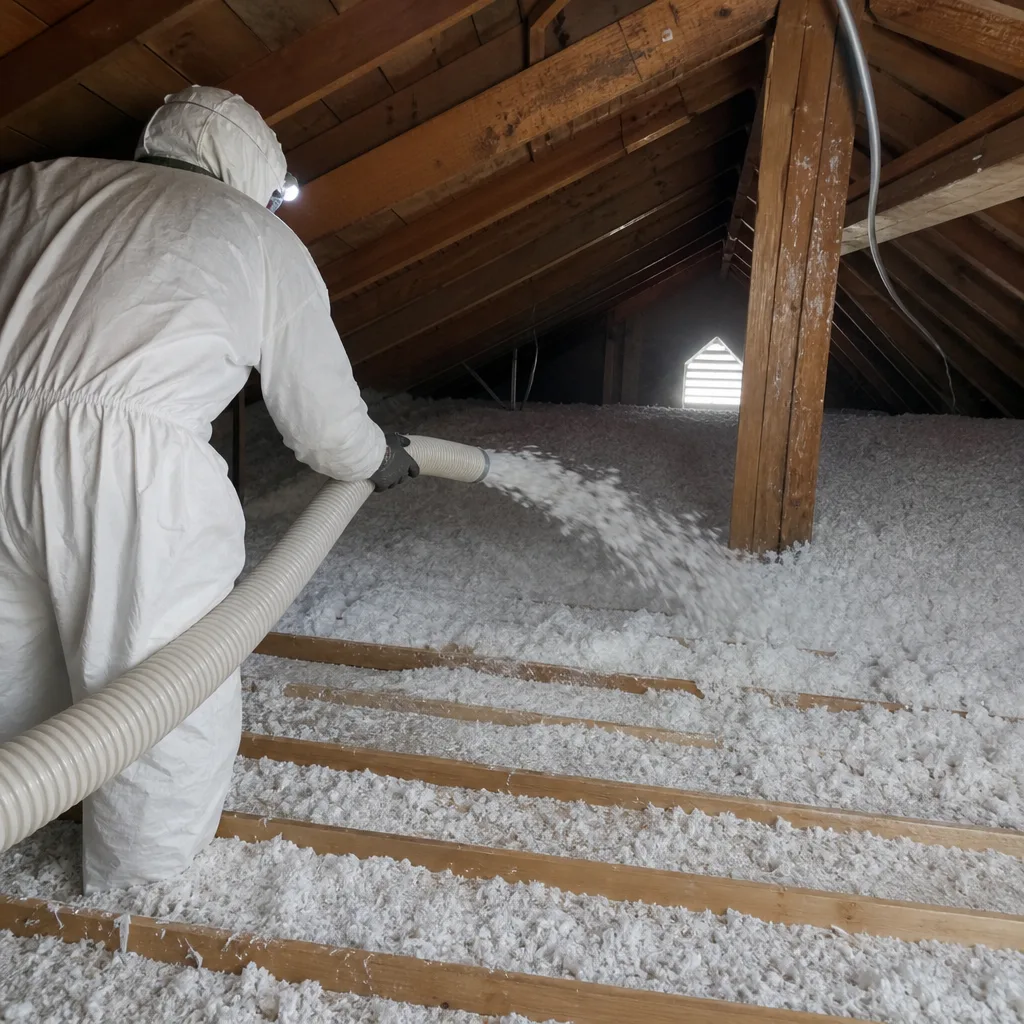
- You’re adding insulation to an attic that currently has less than R-19. Most older Whittier homes we assess in the Uptown and Mar Vista neighborhoods have R-11 to R-13 batts, often laid flat against the roof deck at the eaves. Adding depth without installing baffles first will bury the soffit vents completely. Once that happens, the attic has no intake air and the new insulation performs well below its rated R-value.
- Your attic feels hotter than the outside temperature for hours after sundown. If the second floor of your Whittier home is still uncomfortably warm at 10 PM on a July night, restricted eave ventilation is frequently the cause. Heat that cannot escape through a functioning intake-to-exhaust channel stays stored in the attic cavity and radiates down through the ceiling long after the sun has set.
- You notice discoloration or staining on the roof deck or rafters. Dark streaking on the underside of the sheathing is a moisture signal. In Whittier homes with blocked soffits, we regularly find this pattern concentrated along the eave – exactly where insulation has been pushed against the roofline and condensation has nowhere to drain or evaporate.
- Your soffit vents are visibly blocked, painted over, or missing entirely. In the Newmar and College Hills areas, it’s common to find soffits that were painted shut during cosmetic rehabs, or older homes where the original vented soffit was replaced with a solid panel during reroofing. No baffle can restore airflow if the intake vent itself is gone – that is also part of what ventilation prep addresses.
- The previous insulation job left gaps at the eave line. If a prior contractor blew insulation without installing baffles, the material almost certainly sagged or compressed into the eave over time. We see this frequently on Whittier properties that had work done in the late 2000s before tighter building-performance standards became common in this market. The result is an inconsistent R-value and a blocked ventilation channel simultaneously.
- You’re replacing rodent-damaged insulation. Attic cleaning and rodent-proofing often exposes baffles that were torn out, chewed through, or never installed. Once the attic is cleared and the entry points are sealed, baffles should be set before any new insulation goes back in. Skipping that step because the attic was already open is how the cycle repeats.
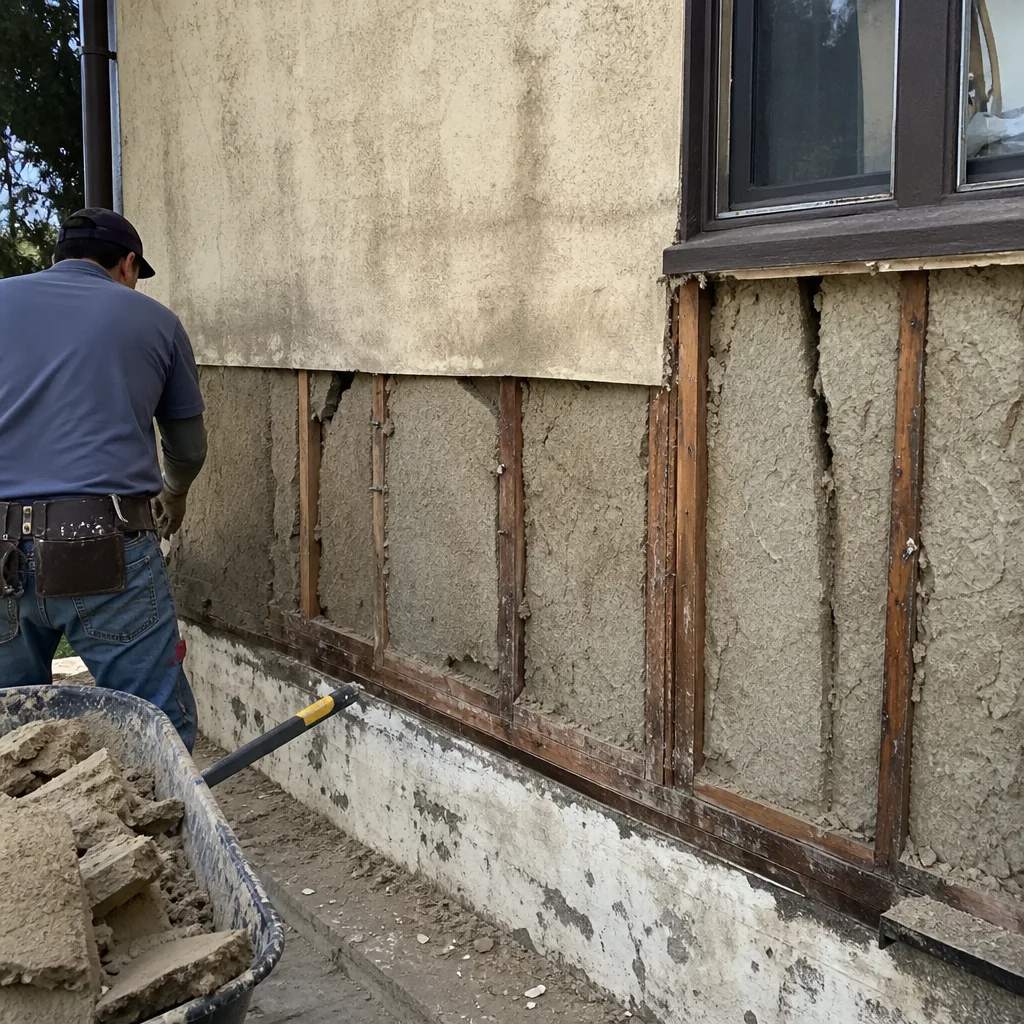 Before
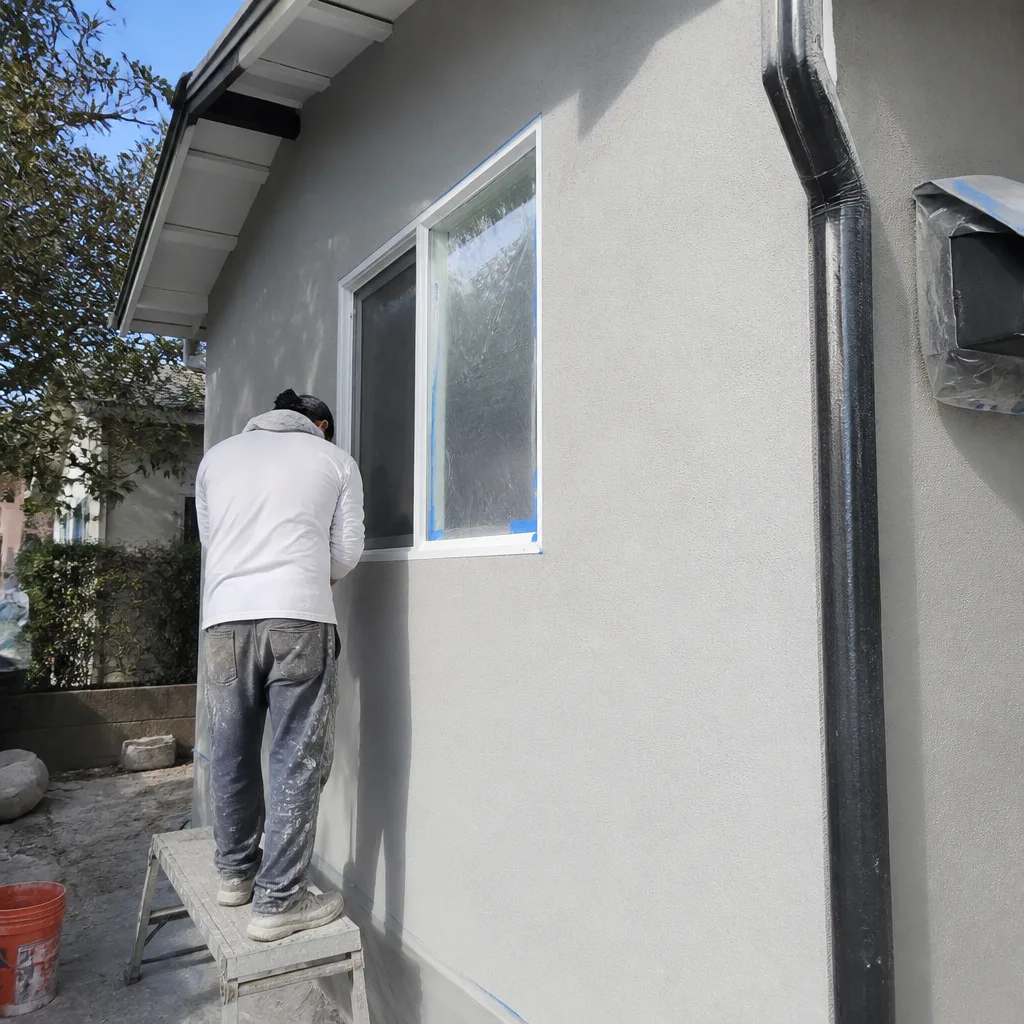 After
AfterOur Attic Baffles & Ventilation Prep Process
- Written scope and price – before anything else. Under Haven Standard Clause 1, you receive a flat, itemized price for the baffle and ventilation work in writing before we schedule a crew. No estimate ranges that expand at the job site, no verbal approximations. The written scope describes the number of rafter bays being addressed, the baffle product being used, any soffit or ridge vent work included, and the insulation work that follows – if applicable.
- Full attic assessment with documented photos. A technician inspects every rafter bay along the eave line, measures the existing clear airflow depth (if any), documents blocked or missing soffits, checks ridge and gable vent condition, and photographs all of it. This photo record is yours. It is not a sales tool we show you during the pitch and then keep – it goes in your job file and you receive a copy when the work is done.
- Soffit and ridge vent correction – if needed. If intake vents are blocked by paint, debris, or prior construction work, they are cleared or replaced before baffles are set. A baffle installed behind a closed soffit vent does nothing. On jobs where the soffit vent itself is missing or undersized, we document the deficiency, provide the corrective scope, and price it line by line. You decide what gets done.
- Baffle installation in every rafter bay. We install rigid foam or cardboard baffles – selected to match the rafter depth and the insulation type being added – running from just above the soffit vent to the top plate of the exterior wall. Each baffle is fastened and sealed at the edges so blown-in insulation cannot work its way past the channel and block the airway again over time. In Whittier attics with 2×4 rafter construction (common in pre-1970 homes), the available depth requires careful product selection to maintain the minimum one-inch clear airspace specified by Title 24.
- Air sealing at top plates and penetrations. We do not separate baffle installation from air sealing. While the crew is at the eave line setting baffles, top-plate gaps, can-light penetrations, and any HVAC or plumbing pass-throughs are sealed with low-expansion foam or caulk rated for attic temperatures. This is the step that generates the measurable change in blower-door readings. Without it, baffle installation improves ventilation but does nothing for conditioned-air loss.
- Blower-door test and close-out documentation. On jobs that include air sealing, we run a blower-door test – a pressurization reading that shows, in one number, how much air your building envelope was losing – before and after sealing. Both numbers go in your job file alongside the photo record and the written warranty. If the post-work reading does not reflect the improvement the scope was designed to deliver, that triggers the 365-Day Done Right Promise: we return and make it right at no additional cost.
Attic Baffles & Ventilation Prep Pricing in Whittier
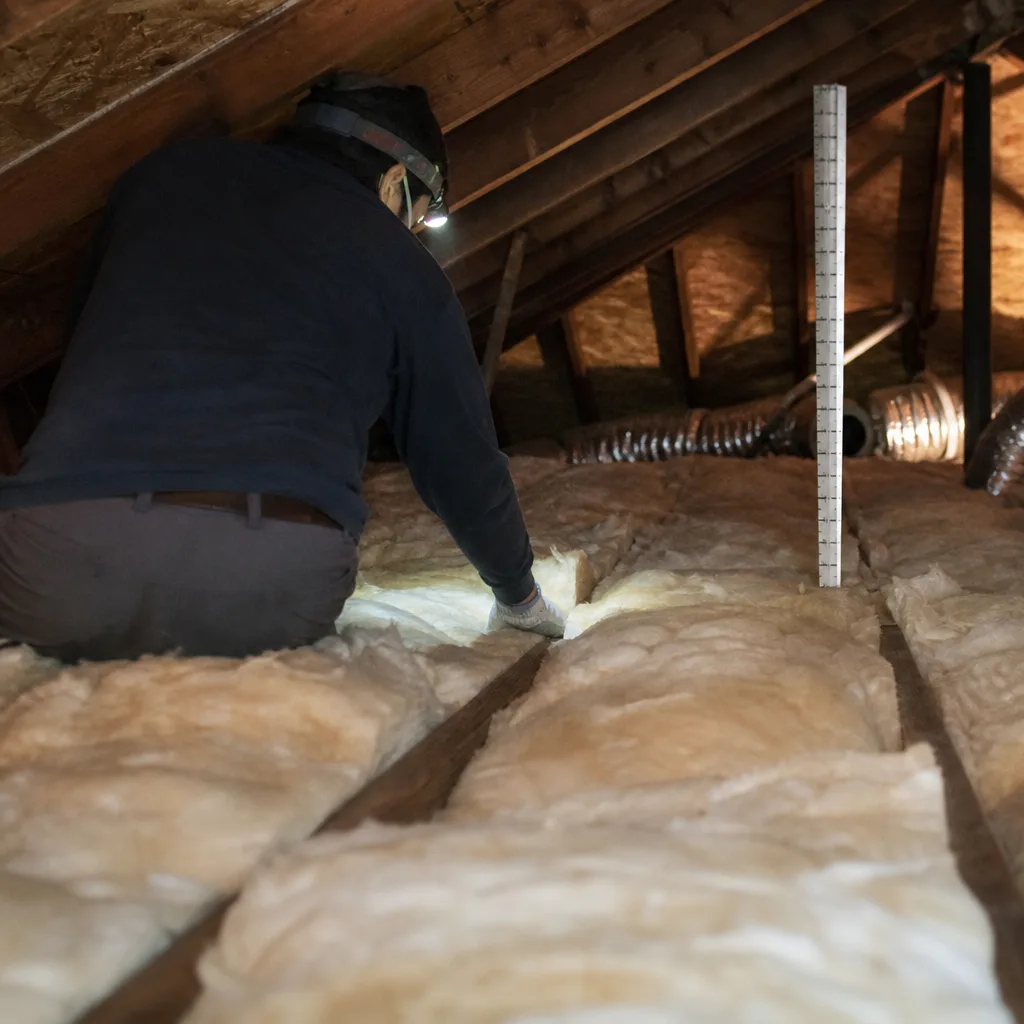
Ventilation prep pricing in Whittier depends primarily on three things: how many rafter bays the attic has, whether soffit or ridge vents need to be corrected before baffles go in, and whether air sealing is included in the same scope. Below are the ranges we see most often on Whittier jobs. These are real numbers from completed work in this market – not regional averages from a national database.
| Scope | Typical Range (Whittier) | What Drives the Variation |
|---|---|---|
| Baffle installation only (existing soffits clear, no sealing) | $280 – $520 | Number of rafter bays, attic access conditions, rafter depth |
| Baffle installation + basic air sealing (top plates, penetrations) | $520 – $950 | Volume of penetrations, can-light count, HVAC pass-through complexity |
| Full ventilation prep: baffles + soffit/ridge vent correction + air sealing | $850 – $1,600 | Extent of vent repair or replacement, linear feet of eave, roof pitch access |
| Ventilation prep bundled with full attic insulation install | $1,400 – $3,200+ | Home size, existing R-value, insulation product selected, disposal of old material |
A few things that push Whittier jobs toward the higher end of a range: attics with less than 24 inches of standing clearance (common in 1950s ranch homes on the east side), hip roofs with a high rafter-bay count relative to square footage, and situations where the original soffit has been rebuilt in solid material that requires cutting or replacing intake vents before baffles can be set.
The written price you receive before any work starts covers all of the above, broken down by line item. There are no adjustments at the job site unless you approve a scope change in writing first. That is Haven Standard, not a policy exception.
If you have a competing written estimate, bring it. We will read it with you – line by line – at no charge. That offer stands regardless of whether you book with us.
FAQs – Attic Baffles & Ventilation Prep in Whittier
What exactly is an attic baffle, and do I actually need one?
An attic baffle is a rigid channel – typically made from foam board or corrugated cardboard – that holds open a clear airflow path between your soffit vent and the attic space above the top plate. Without it, blown-in insulation fills that gap completely, blocking intake air and turning the eave into a dead zone. In Whittier, where summer attic temperatures regularly exceed 135-140°F and older homes frequently have narrow eave profiles, a blocked intake is not a minor inefficiency. It reduces the effective R-value of the insulation above it, raises cooling loads, and accelerates moisture buildup at the roof deck. If your attic is getting new insulation or if existing insulation is packed against the roofline at the eaves, baffles are not optional equipment. Call (424) 349-7262 and we’ll assess your attic’s current eave condition at no charge as part of the estimate visit.
Can’t a contractor just blow insulation over the existing setup and skip the baffle step?
Technically, yes – some will. We won’t. Blowing insulation without first confirming that baffles are in place and soffits are clear is the most common reason attic insulation jobs in Whittier underperform their rated R-value. The insulation product itself may be rated R-38, but if the ventilation channel is blocked and heat is trapped in the cavity, the assembly doesn’t behave that way in practice. Beyond performance, California’s Title 24 building code requires a minimum one-inch clear air channel between insulation and the roof deck at the eave. Installing over a blocked eave creates a code deficiency that will surface at resale. Wes Okafor and the crew at Topside Attic Insulation Whittier have not waived that step on a single job since 2016 – it’s not how we’re set up to operate.
How much does attic baffle and ventilation prep typically cost in Whittier?
Baffle installation alone on a typical Whittier home runs $280 to $520, depending on rafter bay count and attic access. When air sealing is added – which it should be if you’re improving the attic’s thermal performance at the same time – the combined scope typically runs $520 to $950. Full ventilation prep including soffit or ridge vent correction falls in the $850 to $1,600 range. When ventilation prep is bundled with a complete Attic Batt Insulation install, most Whittier homes land between $1,400 and $3,200 depending on size, existing conditions, and the insulation product selected. Every job gets a flat written price before work starts. Call (424) 349-7262 or request an estimate online – the number on the page when you schedule is the number on the invoice when the crew leaves.
How do I know the ventilation prep actually worked?
When the scope includes air sealing, we run a blower-door test before and after the work. The result is a CFM50 reading – a pressurization number that shows, in one figure, how much air the building envelope was losing at each stage. Both readings go into your documented job file alongside photos of the baffle installation and the sealed penetrations. If the post-seal reading doesn’t reflect the improvement the scope was designed to produce, the 365-Day Done Right Promise applies: we return and correct it at no additional charge. You don’t have to remember to follow up – the written warranty specifies what the job was designed to deliver, so there is a clear reference point if anything falls short.
Key Takeaways
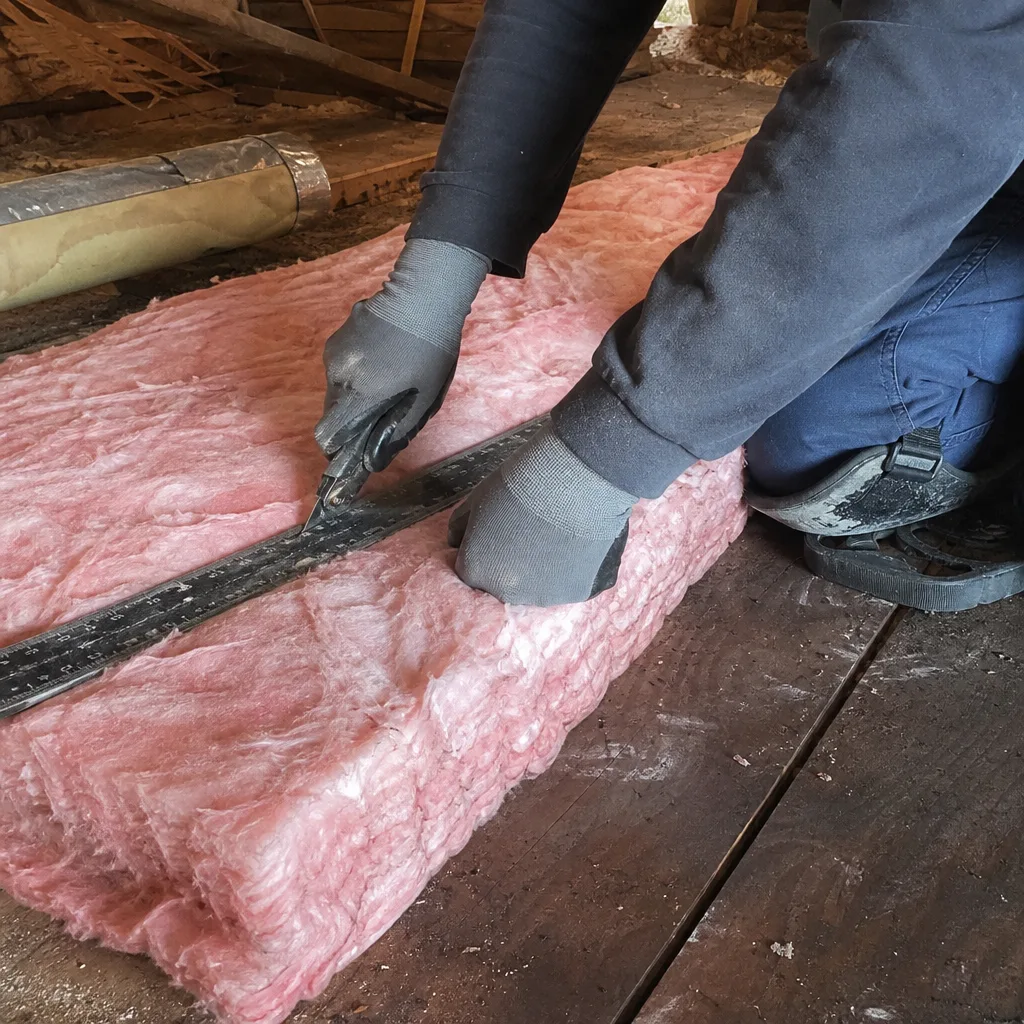
- Attic baffles maintain the airflow channel between soffit vents and the attic cavity. Without them, insulation blocks intake air and the thermal assembly underperforms.
- Whittier’s climate – intense summer heat, Santa Ana wind events, and winter temperature swings – makes functional eave ventilation more consequential here than in milder coastal zones.
- Ventilation prep and air sealing happen before any insulation goes in. That sequence is fixed, not negotiable, on every Topside Attic Insulation Whittier job.
- Pricing for baffle and ventilation work in Whittier runs $280 to $1,600 depending on scope, with bundled insulation jobs ranging from $1,400 to $3,200+.
- Before-and-after blower-door numbers, a documented photo record, and a written warranty are included on applicable jobs – not available on request, just included.
- The 365-Day Done Right Promise and a written price before any work starts apply to every job, without exception.
Schedule Your Ventilation Assessment in Whittier
If you’re adding insulation to a Whittier home – or if you’ve noticed the signs of a blocked or missing baffle system – the right starting point is a full eave and ventilation assessment with documented photos and a flat written price. That is exactly what our estimate visit delivers. Wes Okafor and the team at Topside have completed this work on thousands of homes across the area since 2016, and every job closes with the same documented record regardless of size. If you’re searching for Attic Insulation Near Me in Whittier, CA, that consistency is what we deliver.
To reach us, call (424) 349-7262. A live person answers – no voicemail, no callback window. If you have an existing written estimate from another contractor, bring it. We’ll go through it with you at no charge.
You can also explore the full scope of what we offer on our home page, or review the complete parent service before booking.
Written by Wes Okafor, Owner at Topside Attic Insulation Whittier, serving Whittier since 2016.