
Last updated September 24, 2026
How to Hire a Insulation Contractor in Whittier: A Step-by-Step Guide
A C-2 (Insulation and Acoustical) license from the California State License Board tells you a contractor can legally install insulation in Whittier. It tells you nothing about whether they own a blower door, know what ACH50 means, or will document your attic’s air leakage rate before recommending an R-value. In our experience across 9,000+ homes since 2016, the homeowners who get lasting results are the ones who learn to spot the difference between a material salesman and a building-envelope technician before anyone steps onto their property. This guide - along with our more guides & resources - shows you exactly how to do that in Whittier’s specific market, where aging ranch homes in South Whittier, tight lots in Uptown, and post-war tract housing in East Whittier each present different envelope challenges.
Quick Answer
To hire a legitimate insulation contractor in Whittier, verify their active C-2 license at cslb.ca.gov, demand a written scope that includes pre-installation blower-door testing and attic air sealing, and confirm they’ll deliver documented before-and-after performance numbers. Never sign a contract that quotes R-value without assessing existing conditions or that omits air sealing from the scope entirely.
Table of Contents
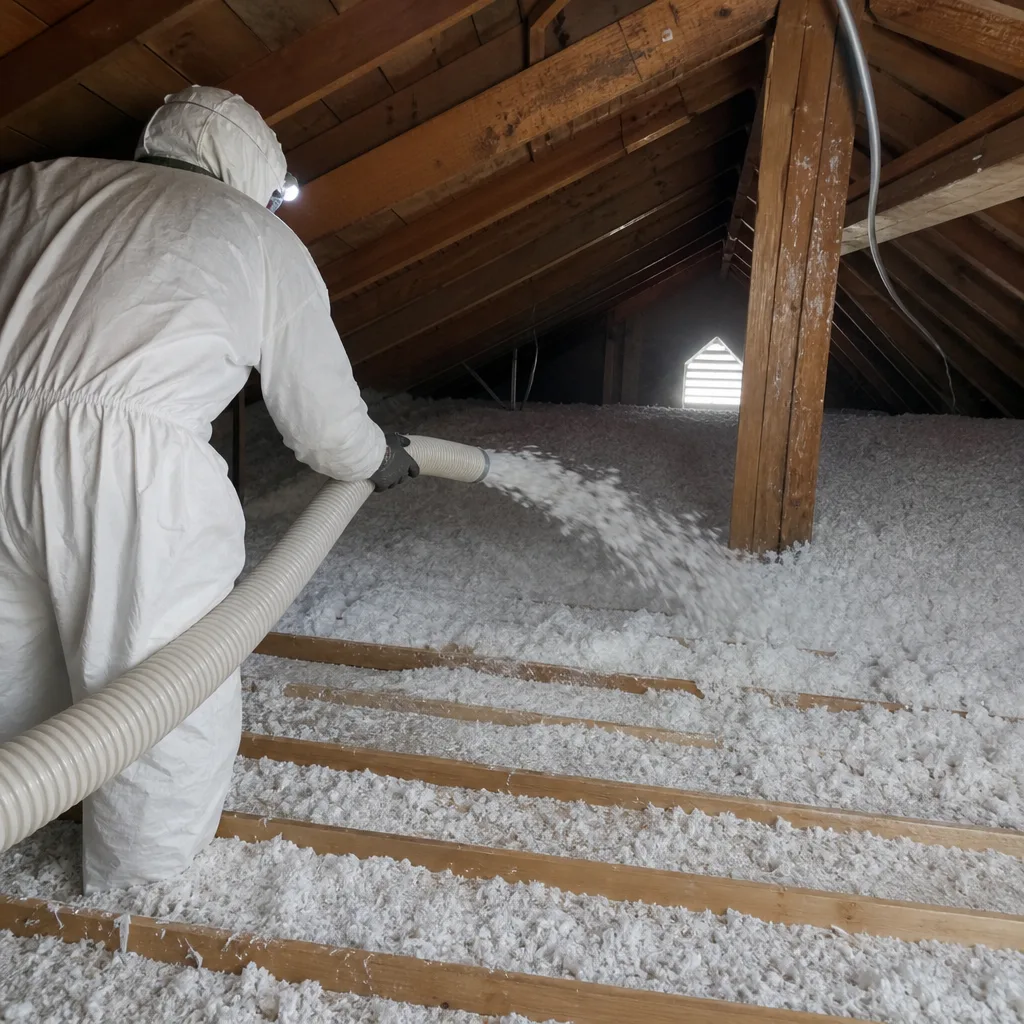
- Step 1: Verify the C-2 License (and What “Active” Actually Means)
- Step 2: Ask These Five Diagnostic Questions Before Signing
- Step 3: Read the Written Estimate Like a Technician, Not a Shopper
- Step 3: Spot the Three Whittier-Specific Red Flags
- Step 4: Use SCE and SoCalGas Tools to Pre-Screen Contractors
- Step 5: Understand What a Real Proposal Contains
- Common Mistakes to Avoid
- When to Call a Professional
- Frequently Asked Questions
- The Bottom Line
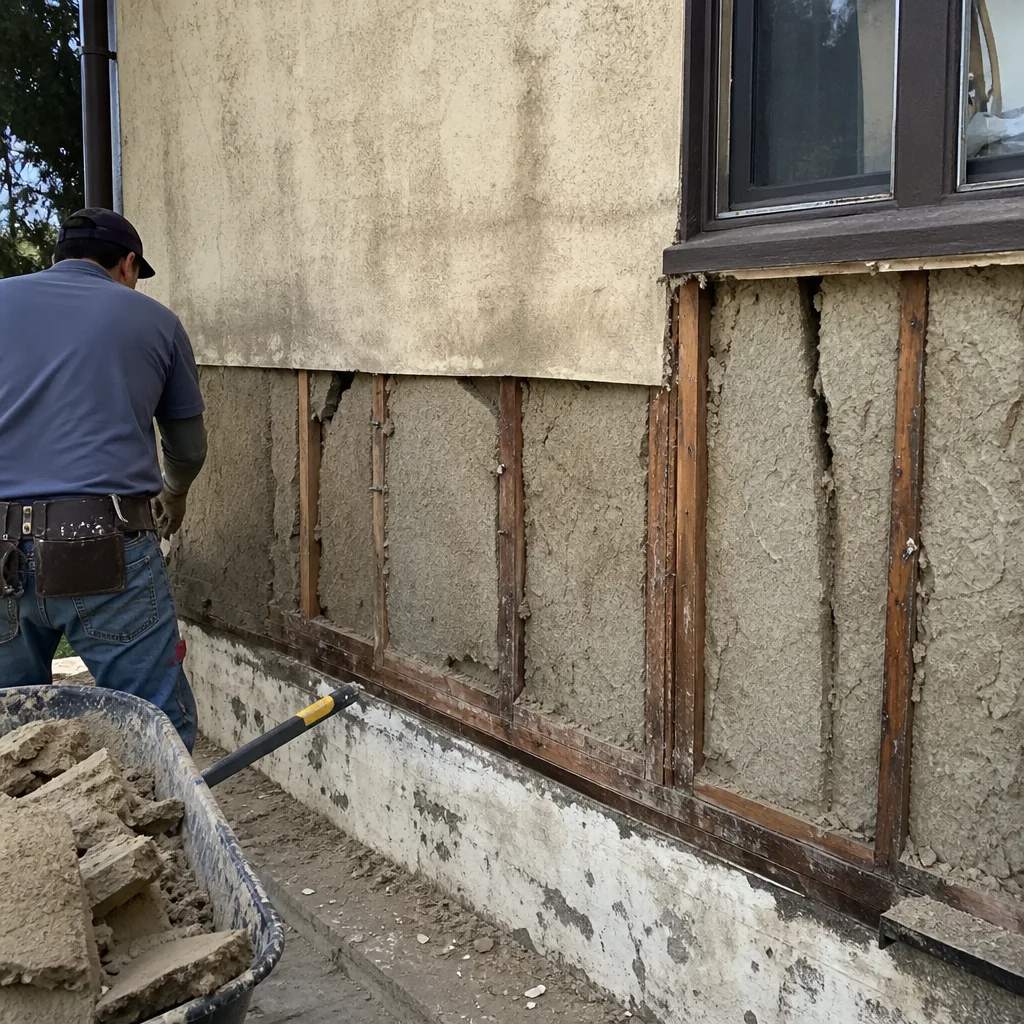 Before
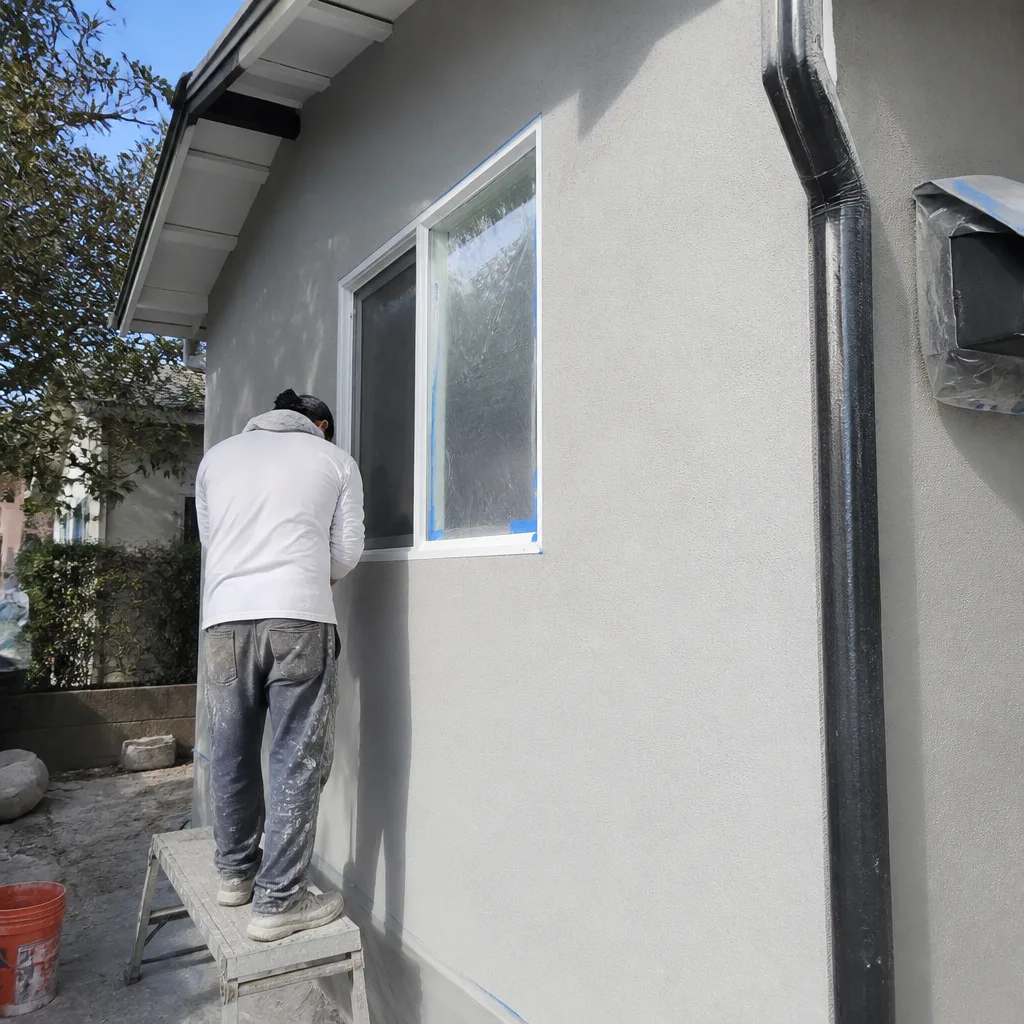 After
AfterStep 1: Verify the C-2 License (and What “Active” Actually Means)
In California, insulation installation requires a C-2 (Insulation and Acoustical) contractor license from the Contractors State License Board. Not a B General Building license doing insulation on the side. Not an unlicensed handyman with a truck and a blower. The C-2 classification exists because insulation work intersects with moisture management, fire safety, and respiratory hazards - all regulated under Title 24 and the California Energy Code.
Here’s how to verify a license in real time:
- Go to cslb.ca.gov and click “Check a License.”
- Enter the contractor’s six- or seven-digit license number.
- Confirm three things on the resulting page:
- Status: Must read “Active,” not “Suspended,” “Revoked,” or “Canceled.”
- Classification: Must include “C-2 – Insulation and Acoustical,” not just “B – General Building” unless C-2 is also listed.
- Bond: Scroll to the bond section. The bond history should show a current $25,000 contractor’s bond with no lapses in the past 12 months.
- Click “Workers’ Compensation” and verify coverage is current. If the contractor has no employees, this will show an exemption - which is legal but worth noting, as it limits your recourse if someone gets injured on your property.
An active license with a lapsed bond is functionally useless to you. We’ve seen Whittier homeowners discover, after work was complete, that their contractor’s bond had expired three months prior - meaning no financial protection if the installation failed. The CSLB site updates in real time; the 60 seconds you spend here is the highest-return due diligence you’ll do.
One more check: search the license number in the CSLB’s “Disciplinary Actions” database separately. An active license with a recent citation for energy-code violations or consumer fraud is still technically “active” but not worth your time.
Step 2: Ask These Five Diagnostic Questions Before Signing
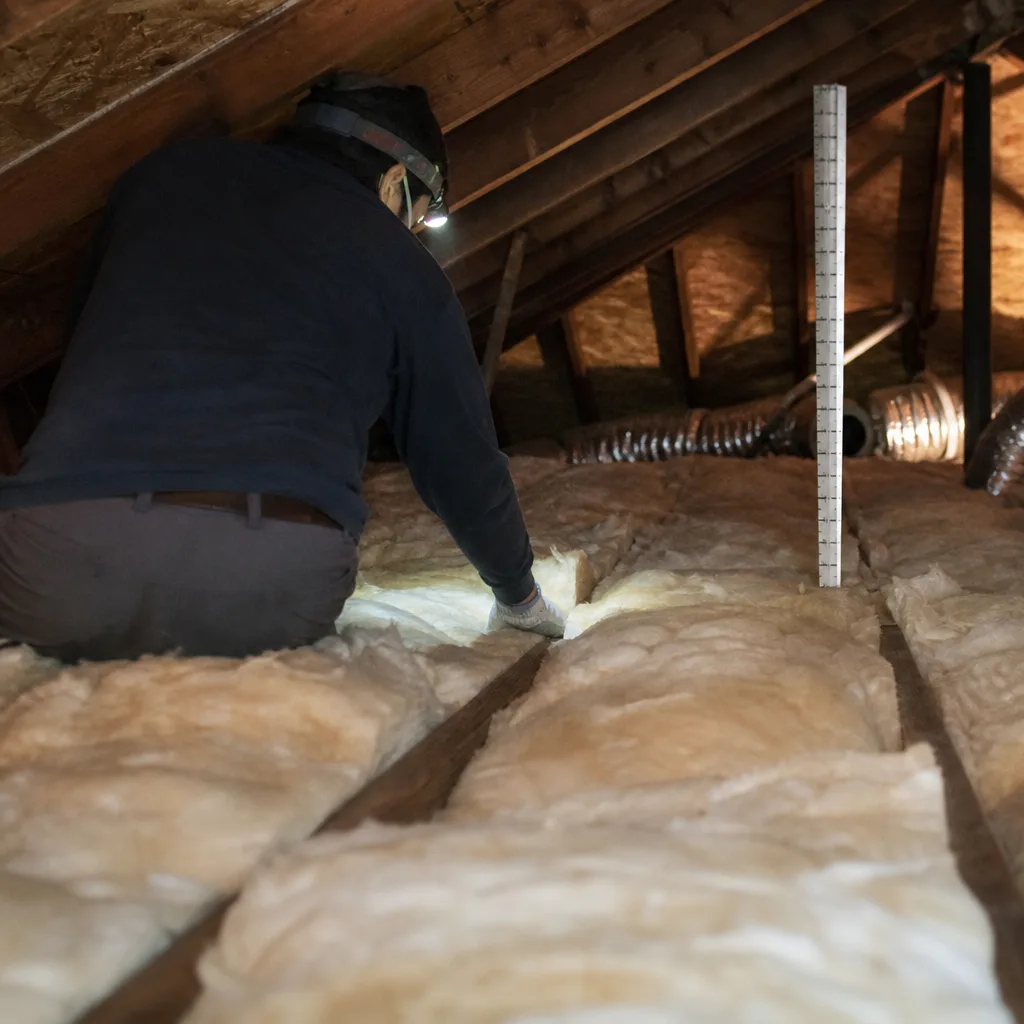
License verification filters out the obviously unqualified. These five questions separate technicians from salespeople. Ask them in this order, and watch for hesitation or deflection.
1. Do you perform pre-installation blower-door testing?
A blower-door test - a pressurization reading that shows, in one number, how much air your building envelope is losing - is the only way to establish a baseline before modifying your insulation. If the contractor says they “can” but don’t “typically,” or if they describe it as an “upgrade,” you’re talking to a material installer, not an envelope specialist. In Whittier’s older housing stock, particularly the 1940s-1960s ranch homes near Hadley-Greenleaf, we’ve measured pre-work leakage rates of 5,000+ CFM50 - more than double what a modern home should leak. Blowing insulation over that without sealing first is like pouring water into a cracked cup.
2. What is your written scope-of-work format?
The answer should be immediate and specific: “We deliver a written scope before any work starts.” Not “we’ll email something after the visit.” Not “the crew foreman has the paperwork.” Under Haven Standard Clause 1, every job begins with a flat price, written scope, and written warranty before anyone lifts a tool. A contractor who cannot describe their documentation process has no documentation process.
3. How do you document installed depth and R-value?
Legitimate contractors photograph installed depth with a ruler visible in every attic bay, timestamp the images, and cross-reference against the manufacturer’s coverage chart for the product used - whether that’s Johns Manville blown fiberglass, Knauf Jet Stream, or Rockwool Comfortbatt. Ask to see an example from a recent job. If they can’t produce one, they aren’t documenting, which means you have no proof of what was actually installed if performance falls short.
4. What is your protocol for attic bypasses before insulation goes in?
Attic bypasses - gaps around chimneys, plumbing vents, top plates, and recessed can lights that allow conditioned air to escape into the attic - must be sealed before insulation is added. The answer should mention specific materials (fire-rated caulk, metal flashing, airtight boxes for can lights) and specific locations. A contractor who says “we check for leaks” without naming the building components is guessing, not inspecting.
5. Can you show before-and-after blower-door numbers from a recent job?
This is the performance question. A contractor who measures results will have these numbers ready, often on their phone. Ask for a job in a home similar to yours - same era, same neighborhood if possible. In Friendly Hills, we recently completed a 1954 ranch where the pre-work blower-door reading was 4,200 CFM50 and post-air-sealing, pre-insulation reading was 2,100 CFM50 - a 50% reduction in envelope leakage before adding any insulation. That’s what documented competence looks like.
Step 3: Read the Written Estimate Like a Technician, Not a Shopper
California’s Home Improvement Contract law (Business and Professions Code §7159) mandates specific elements in every home improvement contract over $500. Most Whittier insulation jobs exceed this threshold. Here’s what must appear, and what its absence signals:
| Required Element | What to Look For | Red Flag If Missing |
|---|---|---|
| Start and completion dates | Specific calendar dates, not “2-3 days” or “weather permitting” open-ended language | No timeline accountability; common in fly-by-night operations |
| Itemized materials | Brand name, product line, and installed R-value for each insulation type | Generic “blown-in insulation” with no manufacturer or spec |
| Total contract price | Single final figure including all labor, materials, and permit fees | Open-ended “time and materials” pricing or verbal “ballpark” figures |
| Notice of cancellation | Three-day right to cancel form, verbatim per B&P Code §7159 | Missing or altered cancellation language; voids contract legality |
| Contractor license number | Prominently displayed, matching your cslb.ca.gov verification | Missing number, or number that doesn’t match verification |
| Mechanics lien warning | Required language about your liability if contractor doesn’t pay suppliers | Omission exposes you to subcontractor liens even if you paid in full |
In Whittier’s competitive contractor market, we’ve reviewed competitor estimates that listed “attic insulation” as a single line item with no R-value specified, no brand named, and no air sealing mentioned. That’s not a scope of work. It’s a blank check. Under Haven Standard, our written scope specifies every penetration to be sealed, every product by manufacturer and line, and the target post-work blower-door number - delivered before any work starts.
One Whittier-specific note: if your home was built before 1978, the estimate must include EPA RRP (Renovation, Repair, and Painting) lead-safe work practices if disturbance of painted surfaces is anticipated. Many older Whittier homes in the historic district near Painter Avenue have original woodwork that requires this notification. Its absence suggests either ignorance of federal law or intentional evasion.
Step 3: Spot the Three Whittier-Specific Red Flags
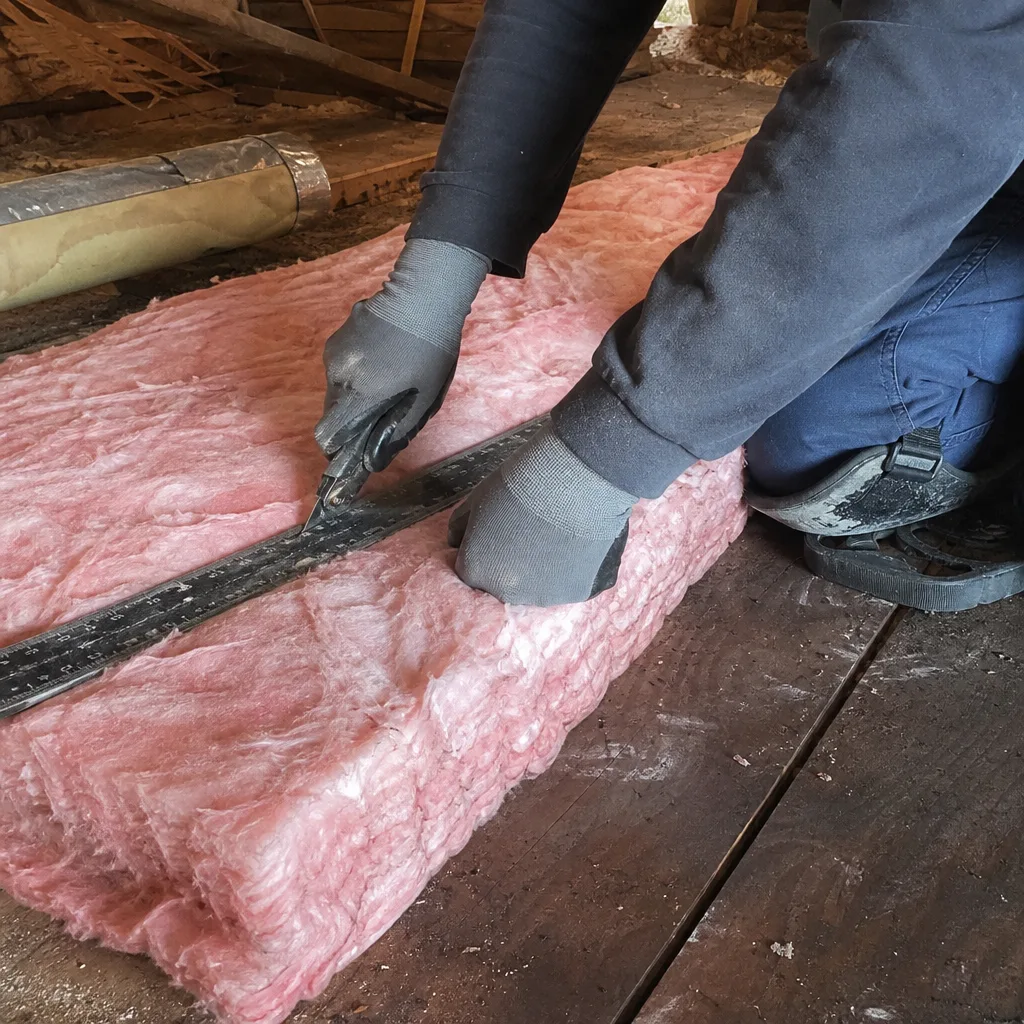
Whittier’s housing market - a mix of pre-war bungalows, mid-century tracts, and 1980s subdivisions - attracts contractors who optimize for speed, not performance. These three red flags are especially common here:
Red Flag 1: Bids Delivered Verbally or by Text Only
A contractor who texts “around $3,500 for your attic” or gives a verbal quote at your kitchen table is violating California contract law for jobs over $500 and is likely operating without proper documentation systems. More importantly, they cannot be held to any specific scope. We’ve been called to fix Whittier jobs where the homeowner was told “R-38” verbally and received R-19 installed - with no written proof of the original agreement. Under Haven Standard: Have it in writing. Always.
Red Flag 2: No Mention of Air Sealing in the Scope
Whittier’s climate - hot, dry summers with sustained temperatures above 90°F and mild winters with occasional overnight freezes - means attic insulation without air sealing performs poorly in both seasons. Conditioned air escapes through bypasses in summer, forcing your AC to run longer; in winter, warm moist air hits cold sheathing and creates condensation risk. A contractor who proposes insulation without sealing is selling you material, not comfort. Attic insulation in Whittier should always begin with sealing, and any scope that omits it is incomplete.
Red Flag 3: R-Value Quoted Without Reference to Existing Conditions
“You need R-38” is a meaningless statement without knowing what’s currently in your attic, its condition, and whether it’s achieving its labeled R-value. Compacted, moisture-damaged, or improperly installed existing insulation may perform at half its rated value. A legitimate contractor measures existing depth, assesses condition, and calculates the additive R-value needed to reach target - typically R-38 to R-60 for attics in California Climate Zone 6, which includes Whittier. Anyone who quotes R-value without inspection is guessing, and guesses are expensive.
Step 4: Use SCE and SoCalGas Tools to Pre-Screen Contractors
Southern California Edison and SoCalGas maintain contractor lookup tools for their energy-efficiency rebate programs. These tools are underutilized qualification resources, because program eligibility requires documentation standards that self-select for more rigorous contractors.
Here’s how to use them:
- SCE Energy Upgrade California: Visit energyupgradeca.org and use the “Find a Contractor” tool. Filter by “Insulation” and your ZIP code (90601, 90602, 90603, 90604, 90605, or 90606 for Whittier). Eligible contractors must carry current licenses, general liability insurance, and workers’ compensation coverage - all verified by the program administrator, not self-reported.
- SoCalGas Rebates: Search socalgas.com/rebates for insulation-specific programs. Their eligible contractor list requires participation in quality assurance inspections, meaning a third party verifies installation standards on a percentage of jobs.
The key insight: program eligibility is not an endorsement of quality, but it is a filter for minimum documentation and insurance standards. A contractor who cannot meet these baseline requirements is unlikely to deliver the written scope, photo documentation, and performance verification you need. We’ve maintained program eligibility since 2016 precisely because our documentation practices - written price, photo record, blower-door numbers - already exceed program requirements.
One practical note: utility rebates in Whittier often require pre- and post-work inspections. A contractor unfamiliar with these programs may promise “we’ll handle the rebate” without understanding the documentation timeline, leaving you to chase paperwork. Ask specifically: “What is your process for rebate documentation, and who submits it?” The answer should be clear and immediate.
Step 5: Understand What a Real Proposal Contains
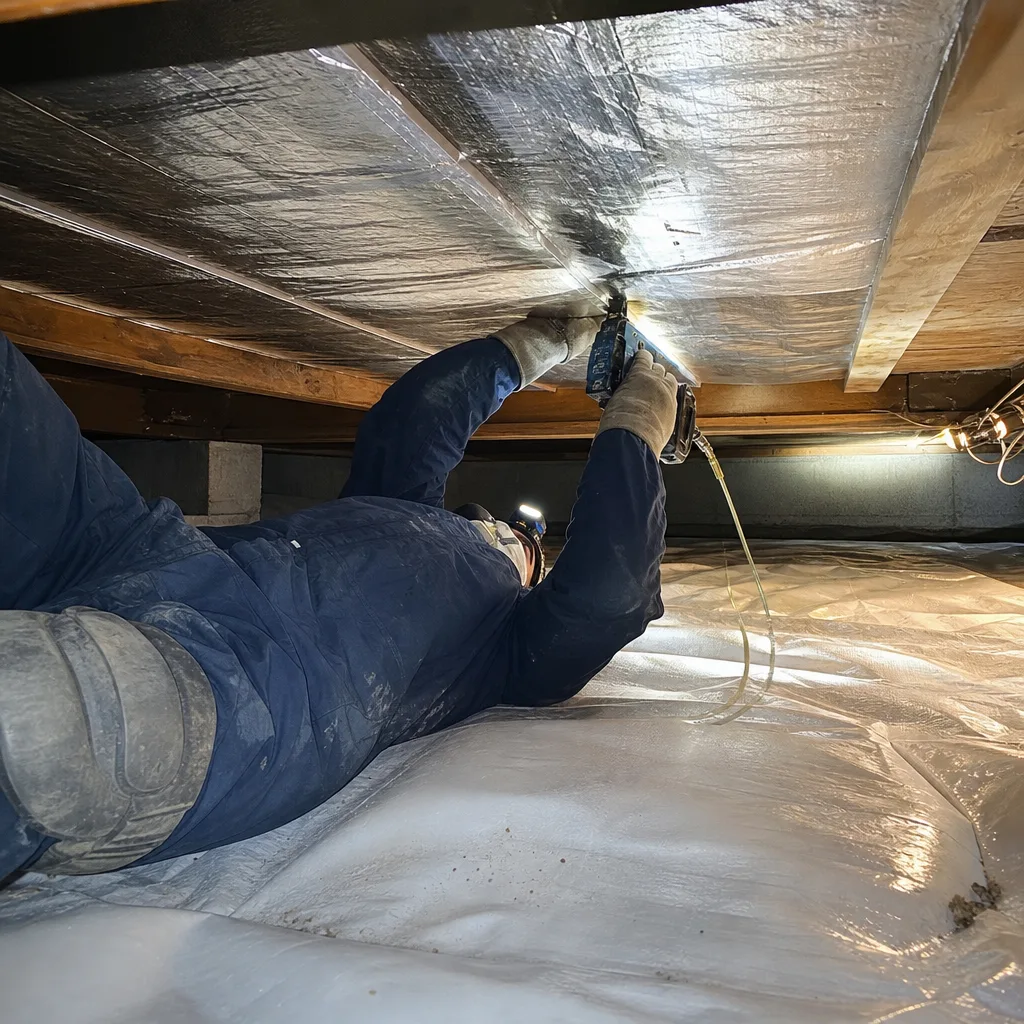
By this point, you’ve verified the license, asked the diagnostic questions, and screened for red flags. Now evaluate the actual proposal document. A legitimate insulation proposal in Whittier should contain these sections, minimum:
- Site conditions summary: Existing insulation type, depth, condition, and measured or estimated R-value. Photos of current state.
- Air sealing scope: Specific penetrations to be sealed, materials to be used, and target reduction in CFM50 or ACH50. This should appear before the insulation scope, not as an add-on.
- Insulation scope: Product manufacturer and line (for example: Knauf EcoFill WX, Johns Manville Climate Pro, CertainTeed InsulSafe SP), installed R-value, coverage area in square feet, and installed depth accounting for settling.
- Performance target: For applicable jobs, a target post-work blower-door number or percentage reduction. Without this, there’s no accountability for air sealing quality.
- Total price: Itemized by scope section, with no hidden permit or disposal fees added later.
- Warranty terms: Duration, coverage scope, and process for claims. Our 365-Day Done Right Promise - if it’s not done right, we make it right - is delivered in writing before work starts.
- Documentation deliverables: What you receive when the crew leaves. At minimum: photos of installed work, final invoice, and warranty document. We also deliver before-and-after blower-door readings on applicable jobs and a complete Documented Photo Record on every visit.
Compare this against proposals you’ve received. Missing sections are not oversights; they’re indicators of incomplete service. In Whittier’s climate, where summer cooling loads dominate energy bills, the air sealing scope is particularly critical. A proposal that leads with insulation R-value and buries air sealing in optional add-ons has the sequence backwards. Topside Attic Insulation Whittier home treats sealing as prerequisite, not upsell - because we’ve measured the results of doing it the other way, and they don’t hold up.
Common Mistakes to Avoid
- Hiring based on price per square foot alone. This metric ignores air sealing quality, installation density, and whether the quoted R-value is achievable with the proposed product. A low price per square foot with no sealing scope is not a deal; it’s a future energy bill.
- Assuming all blown-in fiberglass performs identically. Density matters. Loose-fill blown at insufficient density settles, creating thermal bypasses. Each manufacturer specifies minimum weight per square foot for rated R-value. Ask your contractor how they verify density during installation.
- Ignoring existing insulation condition. In Whittier’s older homes, particularly near the historic district, we’ve found original 1940s-1950s insulation contaminated with rodent debris, moisture, or asbestos-containing vermiculite. Covering this with new material buries the problem and can create health hazards. Proper assessment requires inspection, not assumption. Crawl space encapsulation and vapor barrier in Whittier addresses similar condition issues below grade.
- Not asking about attic access protection. Blown insulation requires temporary flooring or scaffolding to avoid compressing existing material. A contractor who plans to walk directly on joists or existing insulation will damage what’s there and create uneven coverage.
- Accepting “we’ll match any quote” promises. This signals a business model built on volume, not performance. Matching a lower price means cutting scope, material, or labor somewhere you won’t see until the work fails.
- Neglecting to verify permit requirements. Whittier requires building permits for insulation work that involves structural modification or changes to thermal envelope performance in certain zones. A contractor who says “permits aren’t needed for insulation” may be correct for simple overlay jobs, but this should be a considered answer, not a reflex - and they should know when permits do apply.
When to Call a Professional
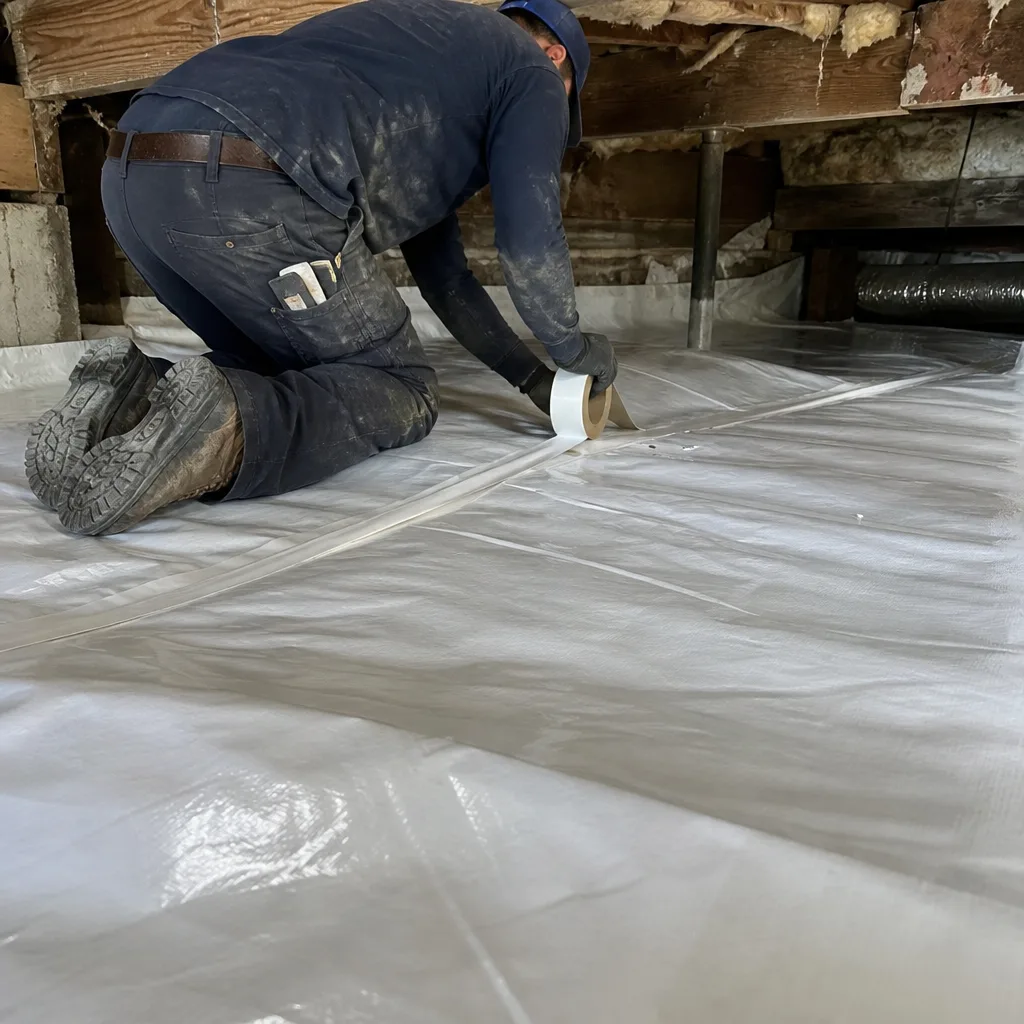
Call a qualified insulation contractor when your energy bills trend upward without rate increases, when rooms develop persistent temperature stratification, or when you can see floor joists in your attic through existing insulation - all Insulation Warning Signs: A Whittier Homeowner’s Reference Guide covers in detail. In Whittier, we also recommend professional assessment before any major HVAC replacement - because installing a correctly sized system on an unsealed, underinsulated envelope wastes equipment investment.
If you’ve received a written estimate from another contractor and want verification, we offer a Free Second Opinion on any written estimate - we’ll read it with you, line by line, and flag what’s missing. Spray foam insulation in Whittier requires particularly careful scope review, as product selection and application thickness vary significantly by assembly type.
Topside Attic Insulation Whittier offers free estimates in Whittier - call (424) 349-7262. Every estimate includes a written scope, and every job we complete is backed by our 365-Day Done Right Promise and a Documented Photo Record.
Frequently Asked Questions
Most attic insulation jobs in Whittier homes between 1,200 and 2,400 square feet run between $2,800 and $6,500, depending on existing conditions, access difficulty, and whether air sealing is included in the scope - see our Insulation Cost Breakdown: The Whittier Homeowner’s Reference for 2026 for a fuller breakdown. Homes with active rodent issues, asbestos-containing vermiculite, or extensive attic bypasses fall at the higher end due to remediation and sealing labor. Call (424) 349-7262 for a written price specific to your home - estimates are free, and we deliver the scope before any work starts.
The C-2 (Insulation and Acoustical) classification from the CSLB is the specific license required to install thermal insulation in California. A B General Building contractor can perform insulation only as part of a larger project, not as a standalone trade. Verifying C-2 status at cslb.ca.gov confirms the contractor has passed trade-specific examination and carries current bonding - minimum protections every homeowner needs.
Simple overlay of additional insulation on existing, undisturbed material typically does not require a permit in Whittier. However, removal of existing insulation, modification of attic access, installation of spray foam, or work involving structural members triggers building permit requirements through the City of Whittier Building Division. A qualified contractor should know which category your job falls into - see our Insulation Permits, Codes & Inspections in CA: What You Need to Know for details - and include permit costs in the written estimate if applicable.
Measure depth with a ruler in multiple attic locations, then compare against the labeled R-value per inch for that product type. Fiberglass batt achieves roughly R-3.2 per inch when properly installed; blown cellulose, R-3.5; mineral wool, R-4.0. If depth is uneven, compressed below joist level, or disturbed by prior work, actual performance is lower than labeled. We document existing conditions with photos and calculate actual versus target R-value during every estimate.
A blower-door test is a pressurization reading that shows, in one number, how much air your building envelope is losing. The equipment - a powerful fan mounted in an exterior door frame - depressurizes the house to a standard -50 Pascals, and the resulting CFM50 (cubic feet per minute at -50 Pa) quantifies total leakage. You should demand both pre- and post-work testing for any job involving air sealing. Without measurement, you’re buying promises, not performance. We publish before-and-after blower-door numbers on every applicable job so homeowners can verify results.
Open-cell and closed-cell spray foam excel in specific Whittier applications: conditioned attics with HVAC equipment, irregular framing bays in older homes, and rim joist sealing in crawl spaces. The premium over blown fiberglass or cellulose - typically 50-100% - is justified when air sealing and high R-value per inch are both critical. For simple attic floors with good access, blown fiberglass or cellulose with proper air sealing often achieves comparable performance at lower cost. We specify spray foam insulation in Whittier only where its properties solve a specific assembly problem.
The Bottom Line
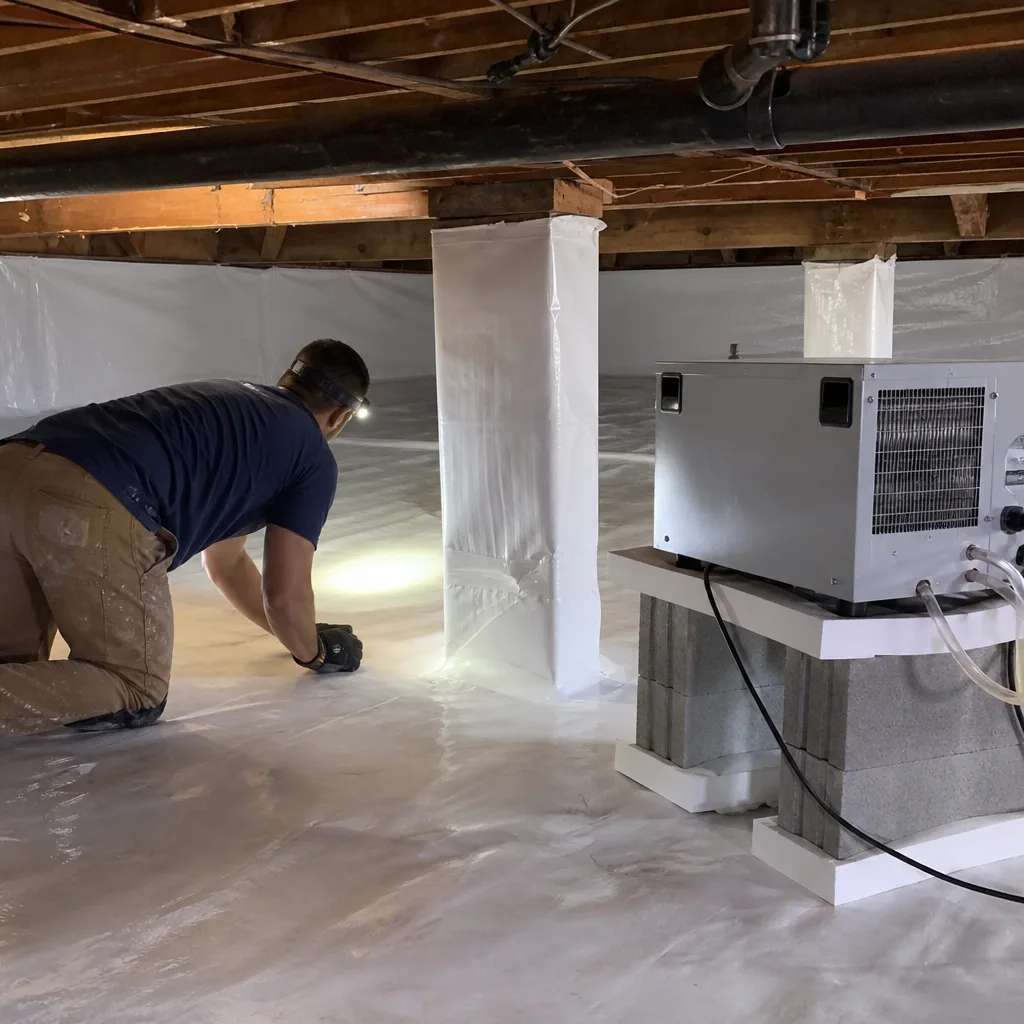
Hiring an insulation contractor in Whittier is not a price-shopping exercise. It’s a technical qualification process. Verify the C-2 license actively. Demand a written scope that sequences air sealing before insulation installation. Ask for documented performance verification, not just product specifications. Use utility program tools to pre-screen for minimum standards. And read every estimate for the elements California law requires - because a contractor who skips legal requirements will skip technical ones too.
The homeowners we’ve served across 9,000+ jobs since 2016 are the ones who treated this decision with the same rigor they’d apply to any major home investment. They asked the diagnostic questions. They read the written scope. They compared before-and-after numbers. And they walked away with documented proof of what they paid for - not just a warmer attic, but a verified, measured improvement in their building envelope’s performance.
Written by Wes Okafor, Owner at Topside Attic Insulation Whittier, serving Whittier since 2016.