
Last updated September 24, 2026
Insulation Warning Signs: A Whittier Homeowner’s Reference Guide
A 15 percent unexplained jump in your SoCalGas bill between December and February, with no change in thermostat settings or occupancy, is a more reliable early indicator of insulation or air-sealing failure than any visible sign in your attic. The bill aggregates every bypass, gap, and settled batt into one number, months before mold appears or drywall discolors. In The Complete Guide to Insulation in Whittier, we’ll walk through how Whittier homeowners can read their own homes using utility data, comfort patterns, and physical evidence, in the order these signs actually appear, not the order contractors typically discuss them. You’ll learn to distinguish an air-sealing bypass from settled insulation, use SCE and SoCalGas tools as diagnostic instruments, and know exactly what measurements to request when you call someone in.
Quick Answer
The three warning signs of failing insulation in a Whittier home appear in sequence: first, a 10-20% unexplained increase in heating or cooling costs visible on year-over-year utility bills; second, persistent comfort complaints like a hot second floor, cold floors over a crawl space, or an HVAC system that runs noticeably longer; third, visible physical evidence such as settled or compressed insulation, moisture staining, or pest damage in the attic or crawl space. Most homeowners in Whittier notice the bill anomaly 6-18 months before they see anything wrong overhead.
Table of Contents
- Tier 1 Warning Signs: What Your Utility Bill Reveals First
- Tier 2 Warning Signs: Comfort Symptoms That Follow
- Tier 3 Warning Signs: Physical Evidence in the Attic and Crawl Space
- Reading the Comfort Signature of Each Failure Type
- Using Your SCE and SoCalGas Bill as a Diagnostic Tool
- Whittier-Specific Pest Indicators: Roof Rats and Compromised Seals
- The Three Measurements to Request From Any Contractor
- Common Mistakes to Avoid
- When to Call a Professional
- Frequently Asked Questions
- The Bottom Line
 Before
 After
AfterTier 1 Warning Signs: What Your Utility Bill Reveals First
Insulation and air-sealing failures are fundamentally energy-loss problems, and energy loss is measured in dollars before it’s measured in degrees. The utility bill is the earliest, most sensitive instrument a homeowner has, because it captures the cumulative effect of every thermal defect at once.
In Whittier, most homes heat with natural gas and cool with electricity, which means you’re reading two separate meters for two separate seasons. A failing building envelope typically shows up as an anomaly on one or both, depending on which season stresses the defect most severely.
What to Watch For on SoCalGas (Heating Season)
Pull your SoCalGas bill history online and look at the therms used per month, not the dollar total, since rates change. Compare December-February to the same months one year prior. A normal weather-adjusted variance, accounting for a colder or warmer winter, runs 5-8%. An anomaly worth investigating starts around 12-15% with no corresponding temperature explanation.
We’ve seen this pattern repeatedly in Whittier’s older neighborhoods, particularly in homes built between 1940 and 1975 with original or partially upgraded attics, as detailed in our Seasonal Insulation Care for Whittier: Year-Round Homeowner’s Guide. The top plates, can lights, and chimney chases were never sealed during initial construction. Over years, any original air-sealing work, often just spray foam applied around obvious penetrations, gets gnawed, settled, or thermally cycled into failure. The house doesn’t feel different yet, because the heating system compensates. The bill reveals what the body hasn’t noticed.
What to Watch For on SCE (Cooling Season)
Southern California Edison bills show kilowatt-hours by month. In Whittier’s climate zone, a well-sealed and insulated home with a properly sized air conditioner runs the cooling system fewer than 900-1,100 hours per season. When insulation settles or air sealing fails, that runtime extends, and the compressor works harder against attic heat gain.
Look for July-September kWh that exceed the prior year by 15% or more, especially if the summer wasn’t notably hotter. The National Weather Service maintains historical degree-day data for Los Angeles County; cross-reference your bill against that baseline.
The “Baseload Creep” Pattern
One subtle sign we flag during Topside Attic Insulation Whittier home energy audits: baseload creep. Your baseload is the gas or electricity you use in mild months, when heating and cooling are minimal. If baseload gas rises year-over-year, you may have a water heater or appliance issue. If baseload electricity rises, look for a failing refrigerator, pool pump, or always-on cooling load from an attic duct leak. Distinguishing baseload from seasonal load helps isolate whether the problem is envelope-related or mechanical.
Key Takeaway
Before you climb into an attic, log into your utility accounts. The bill history is a time-series record of your home’s thermal performance. A 15% unexplained increase is your first warning sign, typically appearing 6-18 months before any physical evidence becomes visible.
Tier 2 Warning Signs: Comfort Symptoms That Follow
After the bill has been elevated for one or two seasons, the HVAC system can no longer fully compensate. Comfort complaints emerge. These symptoms are easy to dismiss or attribute to other causes, which is why they persist as unresolved background noise in many Whittier homes.
The Hot Second Floor
In Whittier’s two-story homes, particularly those in the Friendly Hills and Scott Avenue areas built on sloped lots, a hot second floor is often the first comfort complaint. The physics are straightforward: attic temperatures in an unsealed, under-insulated space reach 140-160°F on summer afternoons. That heat radiates through the ceiling plane, overwhelms the cooling capacity at the top of the house, and creates a 6-12°F differential between floors.
Homeowners often respond by lowering the thermostat, which over-cools the first floor, extends compressor runtime, and drives the bill higher. The real problem is thermal boundary failure at the attic floor, not an undersized air conditioner.
Cold Floors Over Crawl Spaces
Homes in Whittier’s flatter eastern neighborhoods, near Whittier Boulevard and the 605 corridor, frequently have raised-floor construction with crawl spaces. When floor insulation falls, gets wet, or is never installed, the conditioned floor becomes a heat sink in winter. Occupants feel a persistent cold floor, often misattributed to “old house character” or poor window performance.
The diagnostic question: is the floor cold only near exterior walls, or across the entire room? Cold floors near walls suggest perimeter air leakage. Cold floors across the whole room suggest missing or failed floor insulation. Crawl Space Encapsulation & Vapor Barrier in Whittier addresses both conditions, but the solution differs depending on which pattern you observe.
Extended HVAC Runtime and Short Cycling
Two opposite symptoms can signal the same underlying problem. Extended runtime, where the system runs continuously without reaching setpoint, typically means the building is losing conditioned air faster than the equipment can replace it. Short cycling, where the system turns on and off rapidly, can mean the system is oversized for a leaky house, or that duct leakage in a hot attic is causing the thermostat to satisfy prematurely while the space remains uncomfortable.
Both patterns accelerate equipment wear. A compressor designed for 15 years of normal cycling may fail in 8-10 under these conditions. The equipment replacement is visible and expensive; the envelope failure that caused it remains invisible.
Draft Perception at Specific Locations
Occupants often report “a draft” without being able to locate its source. In our experience across Whittier homes, true drafts from envelope failure feel different from window leakage. An air-sealing bypass draft is cool in winter and warm in summer, felt at interior walls and ceiling penetrations, not just at windows. It persists when windows are closed and often correlates with pressure imbalances between rooms, doors that are hard to close, or rooms that pressurize when the system runs.
Tier 3 Warning Signs: Physical Evidence in the Attic and Crawl Space
By the time visible evidence appears, the underlying failure has typically been active for 18-36 months. The bill was elevated first, comfort suffered second, and now the materials themselves show damage. This section covers what to look for if you do inspect your attic or crawl space, or what a contractor should document during an assessment.
Settled or Compressed Insulation
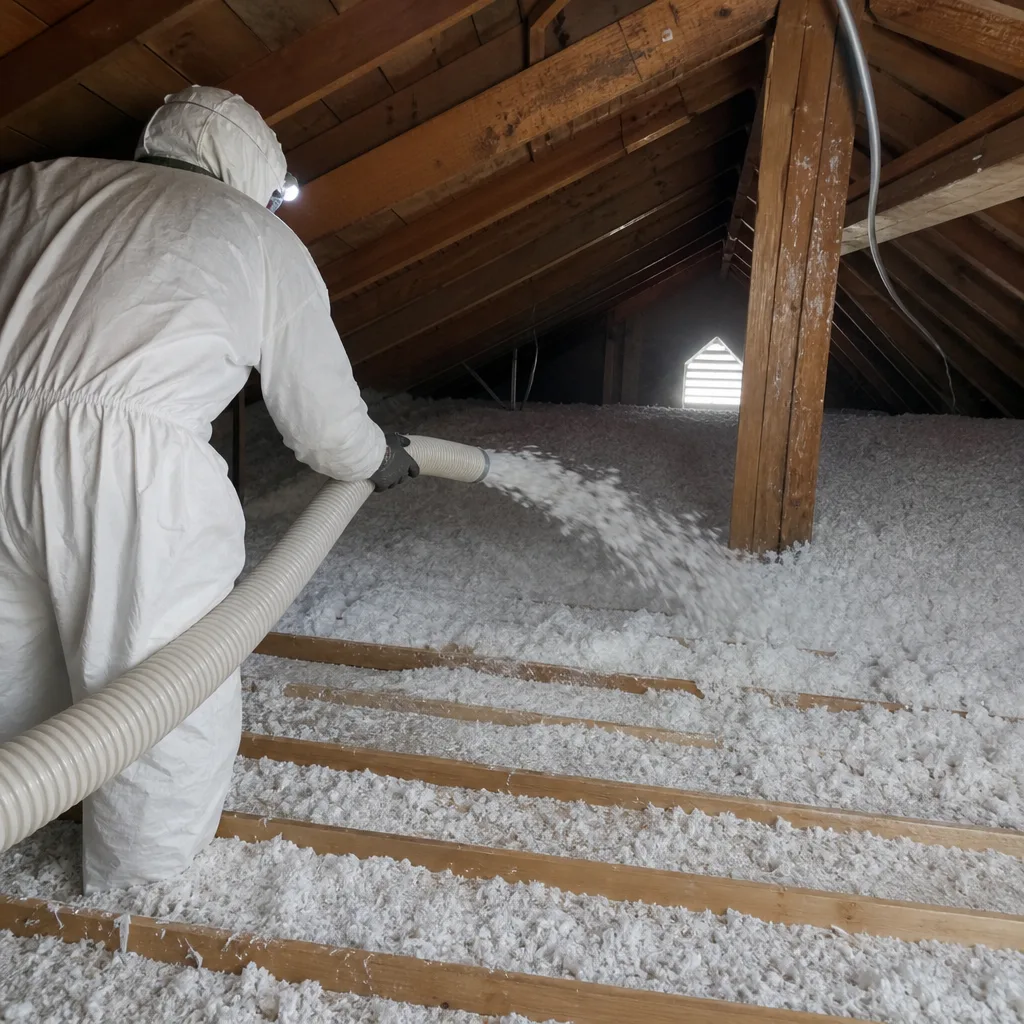
Fiberglass batts installed at R-30 in 1990 may now perform at R-15 or lower if they’ve compressed, absorbed moisture, or been disturbed, which is why we recommend the Attic Insulation Maintenance Checklist for Whittier Homeowners. In Whittier’s climate, blown-in cellulose settles 10-20% in the first two years, which is normal and accounted for in proper installation depth. Beyond that, settlement indicates moisture cycling, pest activity, or initial under-installation.
Look for batts that no longer fill the full joist cavity depth, or blown material with visible joist tops showing through. In attics with recessed can lights, insulation is often pushed away from fixtures, creating thermal bypasses that are invisible from below but glaringly obvious from above.
Moisture Staining and Biological Growth
Dark staining on rafters, sheathing, or insulation itself indicates moisture accumulation. In Whittier’s Mediterranean climate, winter moisture drive from interior to exterior is the primary concern. Warm, humid interior air escapes through ceiling penetrations, condenses on cold sheathing in January and February, and wets the insulation from above. Summer roof leaks are less common but more obvious; winter condensation is more common and more insidious.
Musty odor in the home, particularly upon returning after absence, often correlates with attic moisture issues even when no visible mold is present. The nose detects microbial volatile organic compounds before the eye sees growth.
Pest Damage and Insulation Compaction
Roof rats, squirrels, and raccoons all use attics in Whittier’s mature neighborhoods. Their damage is threefold: they compress insulation by nesting, they contaminate it with urine and feces, and they reopen air-sealing work by gnawing through foam and caulk at penetrations. We’ll cover the specific Whittier pest patterns in detail below.
Duct Damage and Disconnection
Flexible ductwork in attics degrades from UV exposure, thermal cycling, and pest contact. A fully disconnected supply duct pressurizes the attic with conditioned air, wasting energy and creating pressure imbalances that pull unconditioned air in elsewhere. Look for ducts that have pulled off boots, torn outer vapor barriers, or collapsed inner liners. Attic Insulation in Whittier assessments include duct condition documentation because duct failure and insulation failure are frequently concurrent.
Reading the Comfort Signature of Each Failure Type
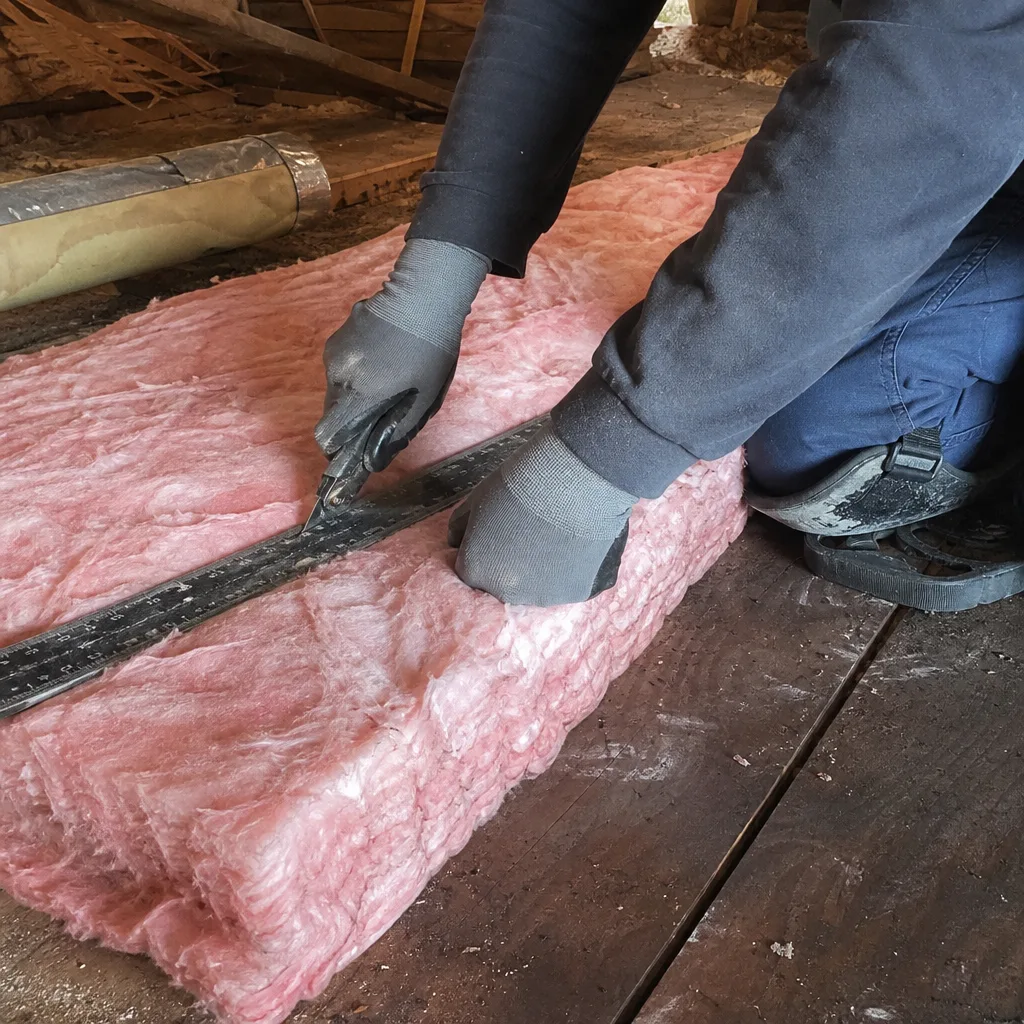
Not all insulation failures feel the same. The specific comfort complaint reveals the mechanism, which determines the appropriate repair. We’ve categorized the signatures we encounter most often in Whittier homes.
| Failure Type | Comfort Signature | Season Most Noticeable | Typical Location |
|---|---|---|---|
| Air-sealing bypass | Draft at fixed location; pressure imbalance between rooms | Winter (heating loss) and summer (attic heat gain) | Interior walls, can lights, chimney chases, top plates |
| Settled insulation | Uniform temperature increase across entire room; no localized draft | Summer afternoon peak | Flat ceiling areas with original batts or settled blown-in |
| Moisture-damaged insulation | Musty odor; humidity complaints; temperature discomfort secondary | Winter condensation season | Near bathroom vents, kitchen soffits, any penetration |
| Floor insulation failure | Cold floor; room feels chilly despite adequate air temperature | Winter mornings | Rooms over crawl spaces or garages |
| Duct leakage | Some rooms never reach setpoint; others over-condition | Year-round, worsens in peak load | Attic duct runs, particularly flex duct at bends |
The distinction between bypass and settled insulation is particularly important for Whittier homeowners because the repairs differ significantly. An air-sealing bypass requires targeted work at the leakage point: foam, caulk, or gasket material applied with attention to pressure dynamics. Settled insulation requires removal or supplementation with new material. Contractors who treat both conditions the same way, typically by blowing more insulation over existing problems, leave the bypass active and bury it under new material where it becomes harder to address later.
At Envelope Insulation Co., we seal first, then insulate. We won’t blow insulation over an unsealed attic floor. Air sealing of top plates, can lights, and penetrations is completed before any insulation is added. This sequence matters because insulation performs its rated R-value only when air movement through it is minimized. A batt with wind washing through it performs at a fraction of its labeled value.
Using Your SCE and SoCalGas Bill as a Diagnostic Tool
Your utility providers offer tools that most homeowners never use. With 15 minutes of setup, you can turn your bill history into a diagnostic instrument that rivals professional equipment for initial screening.
Step-by-Step: SoCalGas Year-Over-Year Comparison
- Log into your SoCalGas account at socalgas.com and navigate to “My Energy” or “Usage History.”
- Select “Compare to Previous Year” view. Look at therms, not dollars, to remove rate-change distortion.
- Note the months November through March. Calculate the percentage change for each month versus prior year.
- Cross-reference with Heating Degree Days for Los Angeles County, available from NOAA’s Climate Data Online. A colder winter explains some increase; the residual is your anomaly.
- A sustained 12-15% increase across multiple winter months, not explained by weather, indicates envelope or mechanical failure worth investigating.
Step-by-Step: SCE Summer Cooling Analysis
- Log into sce.com and access “My Account” > “Energy Usage.”
- View daily or hourly usage if you have a smart meter; monthly if not. Select July-September.
- Compare kWh to the same period two years prior, not just one, to smooth out single-year weather anomalies.
- Calculate kWh per cooling degree day. In Whittier, a well-performing home uses 0.3-0.6 kWh per CDD for the whole house; higher values suggest envelope or equipment issues.
- Look for the “shoulder month” signature: elevated kWh in May and October, when cooling shouldn’t be necessary, indicates a building that can’t hold overnight temperature without mechanical intervention.
What Normal Looks Like
A normal, well-sealed and insulated Whittier home shows these patterns:
- Winter gas use tracks heating degree days with a correlation coefficient above 0.85
- Summer electricity use peaks in August, not June, because the building envelope delays heat gain
- Shoulder months (April-May, October-November) show minimal HVAC-related load
- Year-over-year variance stays within 10% when weather-adjusted
Deviation from these patterns doesn’t prove insulation failure, but it focuses investigation efficiently. When we conduct a home energy audit, we request 24 months of utility history and compare it against our blower-door and thermal imaging findings. The correlation between bill anomaly and measured air leakage is typically strong.
Whittier-Specific Pest Indicators: Roof Rats and Compromised Seals
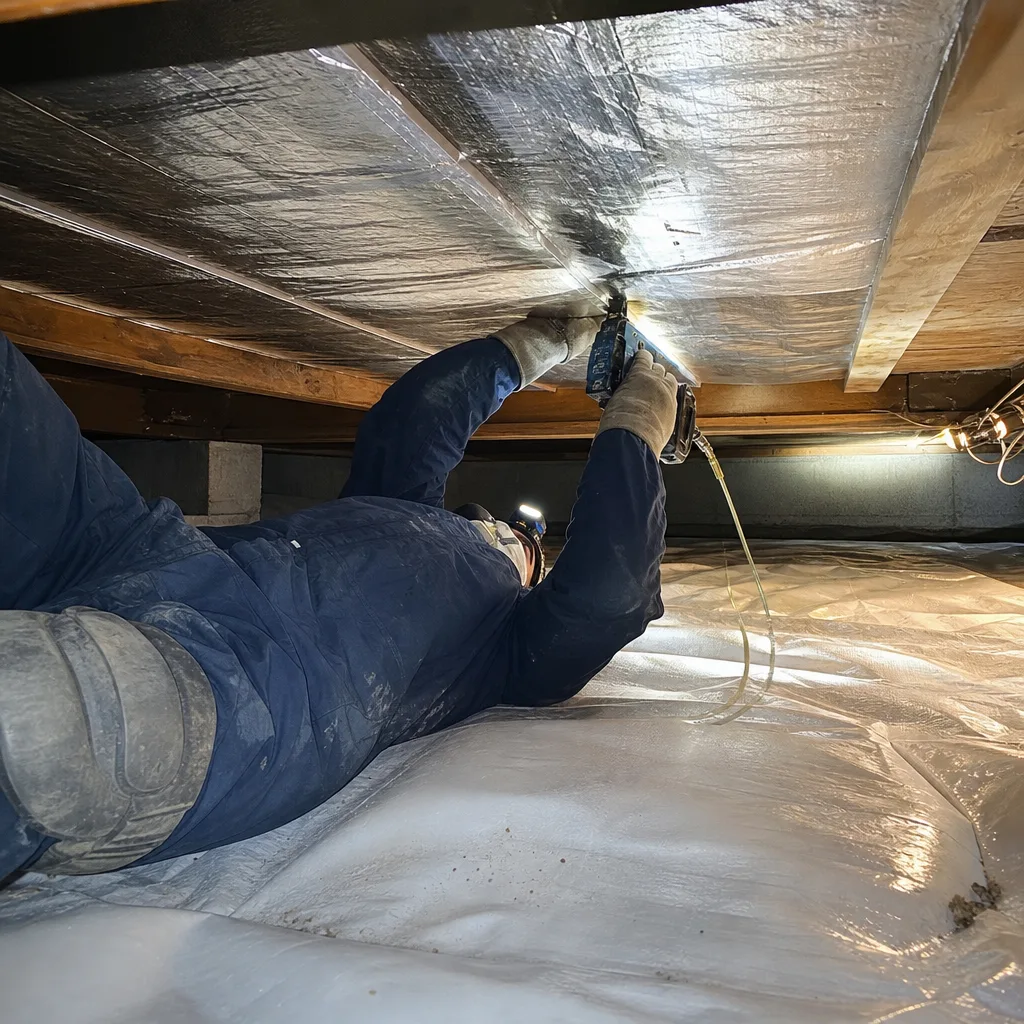
Whittier’s mature tree canopy, particularly in the neighborhoods north of Whittier Boulevard and west of Colima Road, supports a significant roof rat population. These pests are more than a nuisance; they’re a leading cause of air-sealing failure in attics.
The Roof Rat Signature
Roof rats are nocturnal climbers. They access attics via tree branches touching roofs, utility lines, and downspouts. Their activity pattern is distinctive: scratching and scurrying sounds between 11 PM and 2 AM, when they forage and nest. Homeowners often report these sounds before they notice any thermal performance change.
Droppings at eave access points, typically 1/2 inch long and pointed at both ends, confirm presence. More important for insulation performance: roof rats gnaw compulsively to keep their incisors trimmed. They target spray foam sealant around pipe penetrations, electrical chases, and can light housings. A rat colony can undo two days of careful air-sealing work in two weeks.
Insulation Compaction and Contamination
Rats nest in insulation, compressing it to 20-30% of original thickness in nesting areas. They also urinate and defecate continuously, saturating surrounding material. Contaminated insulation cannot be left in place; removal and replacement is required, with rodent proofing to prevent re-entry.
In Whittier’s 90601 and 90602 ZIP codes, we regularly encounter attics where original 1970s insulation has been compacted by decades of intermittent rat activity, interspersed with partial replacements that never addressed the underlying access problem. The result is a patchwork of R-values, with severe thermal bypasses at the gnawed seal points.
Integrated Pest and Envelope Assessment
When we document a Topside Attic Insulation Whittier home assessment, we photograph pest evidence, note access points, and include rodent proofing in the scope if needed. The Haven Standard requires that we report what we found, not perform selective documentation. A homeowner receiving our photo record sees the same evidence we saw, with no filtration.
The Three Measurements to Request From Any Contractor
When you call a contractor to investigate insulation warning signs, three measurements tell you more than any sales presentation. Request all three; any contractor unwilling to perform them is telling you something about their process.
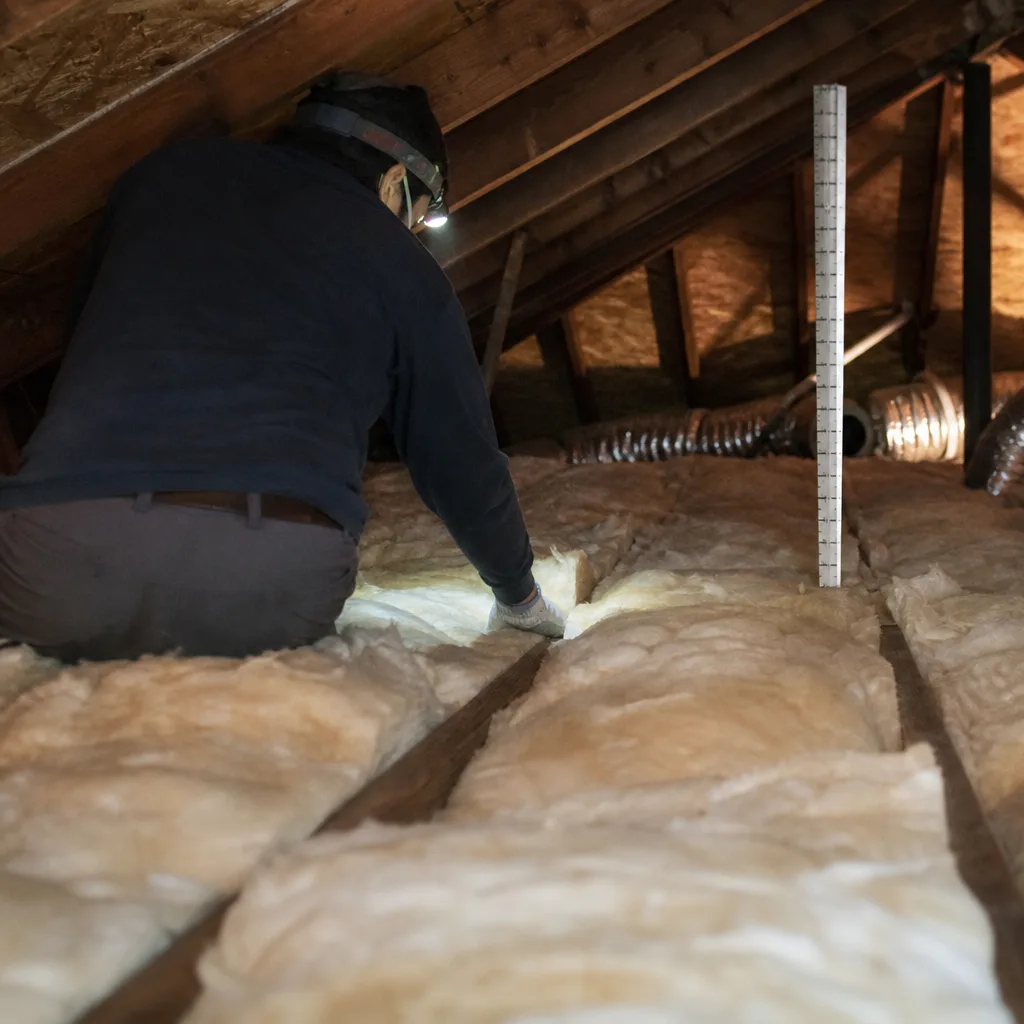
Measurement 1: Attic Depth Reading at Three Representative Points
Insulation performance depends on installed depth and material density. A contractor should measure at the attic center, near the eaves, and at a point midway between, using a ruled probe that compresses the material to normal settling. In Whittier, current Title 24 requirements for attic insulation are R-38 minimum for new construction and R-30 for retrofits, though we typically recommend R-38 to R-49 for comfort and bill reduction.
What this reveals: whether insulation is present at adequate depth, whether settlement has occurred, and whether installation was uniform or spotty. What it doesn’t reveal: whether air sealing was performed, or whether the insulation is performing at rated R-value despite adequate depth.
Measurement 2: Blower-Door Test Number
A blower-door test, a pressurization reading that shows in one number how much air your building envelope is losing, is the single most informative diagnostic for air-sealing status. The fan mounts in an exterior door, depressurizes the house to 50 Pascals, and measures airflow in cubic feet per minute, or CFM50.
For Whittier’s housing stock, we use these benchmarks:
- Above 3,500 CFM50: loose envelope, significant air-sealing opportunity
- 2,000-3,500 CFM50: moderate leakage, targeted sealing typically worthwhile
- 1,000-2,000 CFM50: tighter envelope, diminishing returns on aggressive sealing
- Below 1,000 CFM50: tight, verify mechanical ventilation is adequate
What this reveals: the total magnitude of air leakage, which correlates directly to heating and cooling load. What it doesn’t reveal: the location of leaks. For that, we add a smoke pencil or theatrical fog during the test, or follow with thermal imaging.
At Envelope Insulation Co., we publish before-and-after blower-door numbers on every applicable job. A homeowner sees the performance change they paid for, documented in a single figure. We’ve completed this measurement on over 9,000 homes since 2016, every one with a written price before work started and a documented record when the crew left.
Measurement 3: Thermal Imaging Pass of the Attic Floor
An infrared camera visualizes temperature differences across the ceiling plane, revealing insulation gaps, air leaks, and moisture issues that are invisible to the eye. The best time for attic floor imaging is early morning in summer, when the attic has cooled overnight but the interior remains conditioned, creating maximum delta-T.
What this reveals: precise location of thermal bypasses, missing insulation, and moisture patterns. What it doesn’t reveal: absolute R-value or air leakage rate. The three measurements are complementary, not redundant.
When you receive a proposal, it should reference these measurements specifically, with numbers, not vague promises of “improved efficiency.” Under Haven Standard Clause 1: flat price, written scope, written warranty before anyone lifts a tool. You should know what leaving looks like before we arrive.
Common Mistakes to Avoid
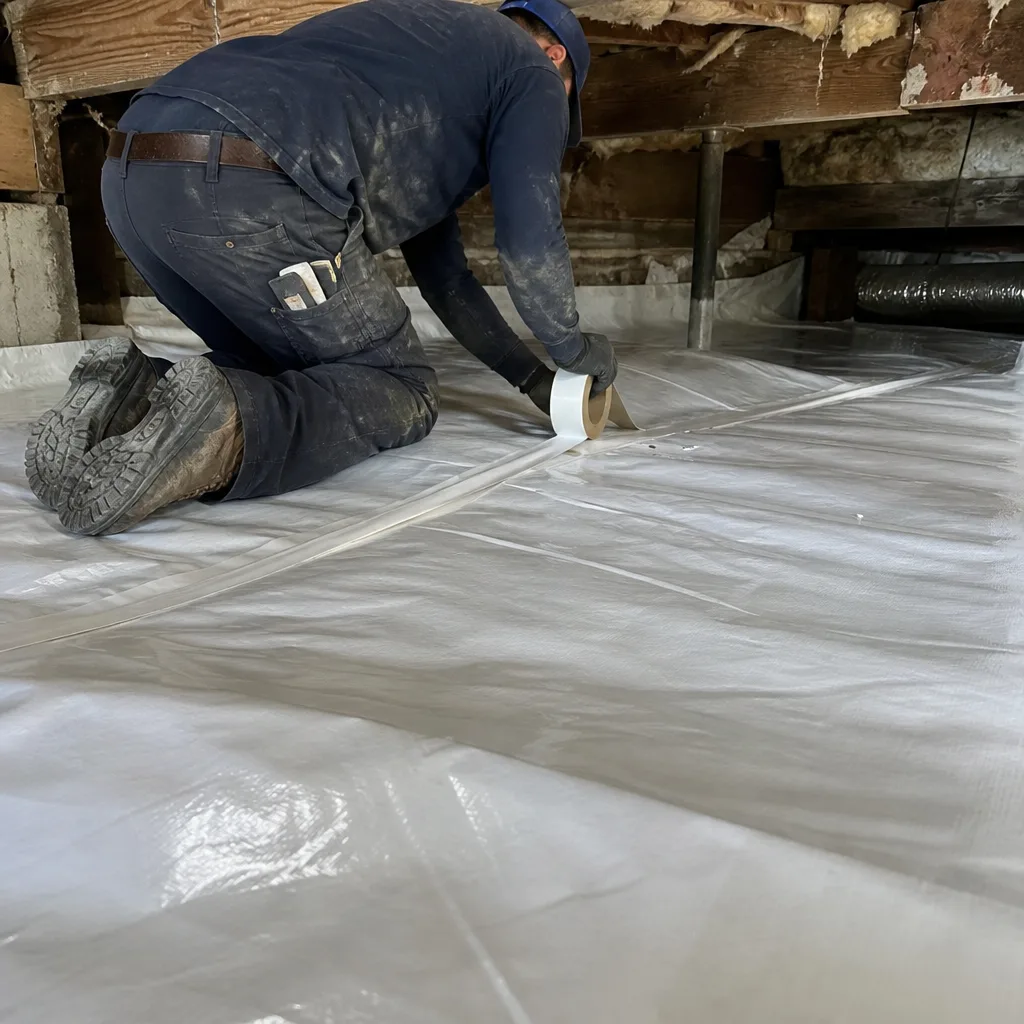
- Blowing new insulation over old without inspection. In Whittier’s older homes, original insulation may be contaminated, moisture-damaged, or infested. Covering it buries the problem and can trap moisture against the ceiling plane.
- Ignoring air sealing and adding insulation only. Insulation slows heat flow; it doesn’t stop air movement. A well-insulated but leaky attic performs poorly because wind washing through insulation degrades its effective R-value by 30-50%.
- Treating all comfort complaints as HVAC problems. An oversized or failing air conditioner is a common misdiagnosis for envelope failure. The equipment runs longer or short-cycles because the building won’t hold conditioning, not because the equipment is fundamentally defective.
- Using attic temperature as the sole diagnostic. Hot attics are normal in Whittier summers. The question is whether heat is transferring through the ceiling plane into conditioned space, which requires measuring surface temperatures and air leakage, not just ambient attic readings.
- Neglecting crawl space evaluation. Homes in Whittier’s flatter areas often have significant floor heat loss through crawl spaces. Homeowners focus on attics because they’re accessible; crawl spaces require equal attention for complete envelope performance.
- Accepting proposals without written scope and warranty. Verbal assurances and handshake pricing leave no documentation of what was promised. The Haven Standard requires written price, written scope, and written warranty before any work starts.
- DIY air sealing without understanding pressure dynamics. Sealing random gaps without a blower-door test to guide priority can make problems worse by creating unintended pressure imbalances that pull combustion gases or garage fumes into living space.
When to Call a Professional
Call for assessment when your utility bill shows sustained unexplained increase, when comfort complaints persist despite thermostat adjustment, or when you observe any physical evidence of moisture, pest activity, or insulation displacement. The earlier the intervention, the more limited the repair scope.
Specific scenarios that warrant prompt professional evaluation: a SoCalGas bill increase over 20% year-over-year with no weather explanation; visible water staining on ceiling drywall; rodent sounds or droppings in the attic; an HVAC system that runs continuously without reaching setpoint; or any home built before 1980 that has never had a comprehensive envelope assessment.
Spray Foam Insulation in Whittier and other building envelope services should be scoped based on measured conditions, not generic recommendations. Topside Attic Insulation Whittier offers free estimates in Whittier. Call (424) 349-7262 to schedule an assessment that includes the three measurements above, a written scope, and a flat price before any work begins.
Frequently Asked Questions
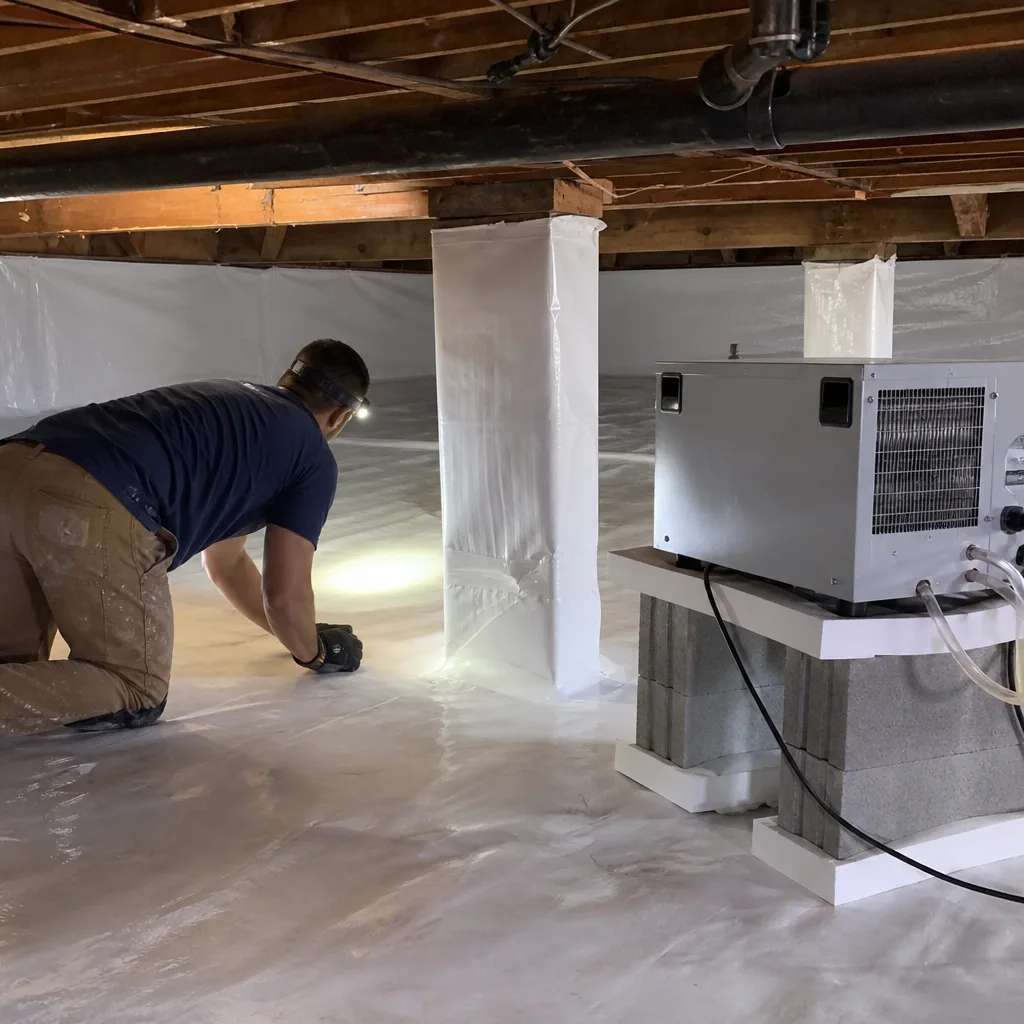
Most complete attic insulation removal and replacement jobs in Whittier run between $3.50 and $6.50 per square foot of attic floor, depending on accessibility, contamination status, and the insulation type selected. A typical 1,200-square-foot attic with standard blown-in fiberglass or cellulose falls in the $4,200-$7,800 range; spray foam at the roofline runs higher due to material and labor intensity. These ranges reflect Whittier’s labor market and material costs as of 2024-2025. Call (424) 349-7262 for an exact quote on your specific attic. Estimates are free, and we provide a written price before any work starts.
Yes. The utility bill is the earliest reliable indicator because it aggregates all thermal defects into a single number. A heating system can compensate for significant envelope failure for one or two seasons before comfort degradation becomes noticeable, particularly in mild Whittier winters. By the time you feel a draft or notice a hot room, the failure has typically been active for 12-24 months and has already added measurable cost.
Repair is cheaper only when the existing insulation is uncontaminated, adequately deep, and simply needs supplementation at settled areas, combined with targeted air sealing. Replacement is necessary when insulation is moisture-damaged, pest-contaminated, or installed in a manner that can’t be remediated, such as batts compressed below half their original thickness. During our assessments, we document which condition applies so the homeowner can make an informed cost comparison. We also offer a Free Second Opinion on any written estimate. Bring us a competing quote and we’ll read it with you.
Properly installed, uncontaminated fiberglass or cellulose insulation lasts 80-100 years in dry conditions. In practice, Whittier’s combination of winter moisture drive, summer attic heat, and pest pressure means effective service life is often 15-25 years for attics that haven’t been comprehensively air-sealed and protected. Spray foam at the roofline, using materials from manufacturers like Icynene or Demilec, can perform for decades if properly applied, though it requires professional installation and is not suitable for all attic configurations.
A standalone blower-door test in the Whittier area typically runs $300-$500 from an energy auditor or building performance contractor. At Topside Attic Insulation Whittier, we include the blower-door test as part of our comprehensive assessment at no separate charge when we’re scoping insulation or air-sealing work. The test takes 60-90 minutes and produces a documented number you can use to compare against any future work.
Minor air sealing and spot insulation can sometimes be completed same-day, but comprehensive attic or crawl space work requires scheduling and material preparation. We won’t start work without a written scope and written price, which means same-day completion is possible only for pre-scoped, limited repairs. For full envelope work, we schedule within 5-10 business days of proposal acceptance, with materials sourced from Owens Corning, Johns Manville, Knauf, Rockwool, CertainTeed, Icynene, Demilec, and GreenFiber based on the specific application.
Listen for nocturnal scratching between 11 PM and 2 AM, particularly in fall when roof rats seek shelter. Inspect attic access points for droppings, gnaw marks on wood or foam sealant, and compressed insulation trails. In Whittier’s mature neighborhoods, we find active or historical pest damage in roughly 40% of attics built before 1990. If you suspect activity, don’t disturb the insulation yourself. Disturbance aerosolizes contaminants and can drive pests deeper into structure. Request a documented photo record as part of your professional assessment.
The Bottom Line
Insulation failure in a Whittier home announces itself first in dollars, second in discomfort, and only last in visible damage. The homeowner who reads their utility bill with attention to year-over-year patterns catches problems 6-18 months earlier than one who waits for attic inspection. The three-tier warning hierarchy, bill diagnostic techniques, and specific measurements outlined in this guide give you the tools to investigate systematically. When you do call a contractor, demand documentation: attic depth readings, a blower-door number, and thermal imaging. Anything less is speculation. At Envelope Insulation Co., we’ve sealed and insulated over 9,000 homes since 2016 under The Haven Standard, every job beginning with a written price and ending with documented evidence of what changed.
Ready to assess your home’s envelope performance? Call Topside Attic Insulation Whittier at (424) 349-7262 for a free estimate. We’ll bring the blower door, the thermal camera, and a written scope. You’ll leave with numbers you can use.
Written by Wes Okafor, Owner at Topside Attic Insulation Whittier, serving Whittier since 2016.