
Last updated September 24, 2026
Attic Insulation Maintenance Checklist for Whittier Homeowners
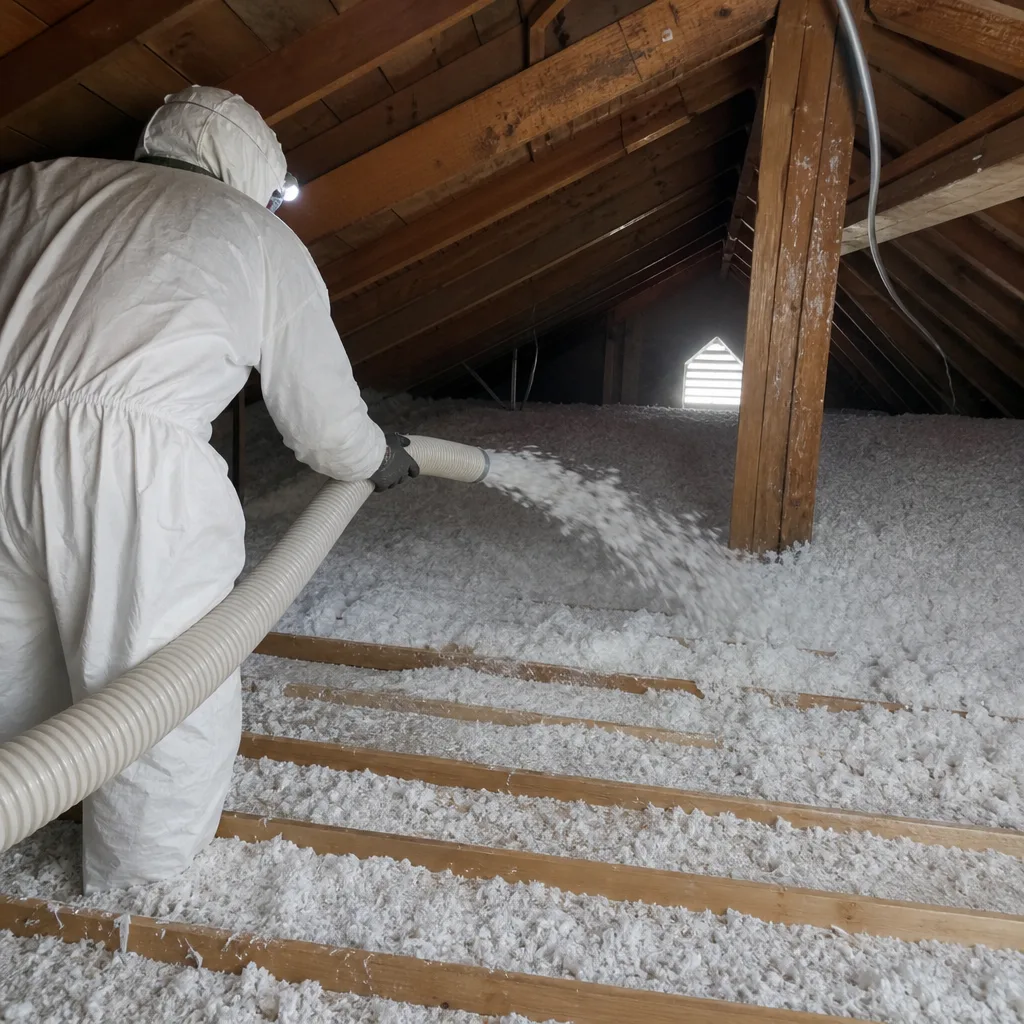
Blown-in cellulose settles roughly 20 percent in the first five years. A Whittier attic installed to R-38 (about 10 inches of cellulose) that has settled to 8 inches is now performing at approximately R-30 - a gap no one notices until an attic insulation energy audit pulls out a blower door. Insulation doesn’t fail all at once. It fails incrementally through settling, moisture intrusion, pest compaction, and bypasses that open as a house moves. This checklist is built around what you can physically observe and measure, not what you can feel. You’ll learn how to gauge depth accurately, spot the five moisture signatures Whittier’s coastal humidity leaves behind, distinguish pest damage from normal settling, and keep the documentation that protects your investment.
Quick Answer
Whittier homeowners should inspect attic insulation annually using a depth gauge at the center of joist bays, check for five visual moisture indicators, document findings with dated photos, and schedule professional reassessment every five years or after any seismic event. Maintaining blown-in insulation depth, intact air sealing, and pest-free conditions prevents the silent R-value degradation that drives up cooling costs in Whittier’s warm-season climate. See our more guides & resources for year-round maintenance tips.
Table of Contents
- How to Measure Insulation Depth Accurately
- Five Moisture Damage Indicators in Whittier Attics
- Identifying Pest Compaction Versus Normal Settling
- Checking Air Sealing After Seismic Events
- Maintenance by Insulation Type
- The Documentation You Should Keep
- Annual Inspection Schedule
- Common Mistakes to Avoid
- When to Call a Professional
- Frequently Asked Questions
 Before
 After
AfterHow to Measure Insulation Depth Accurately
Most homeowners measure wrong. They check near the attic hatch or the eaves, where depth is thinnest, and conclude their insulation is fine or uniformly bad. Neither is useful.
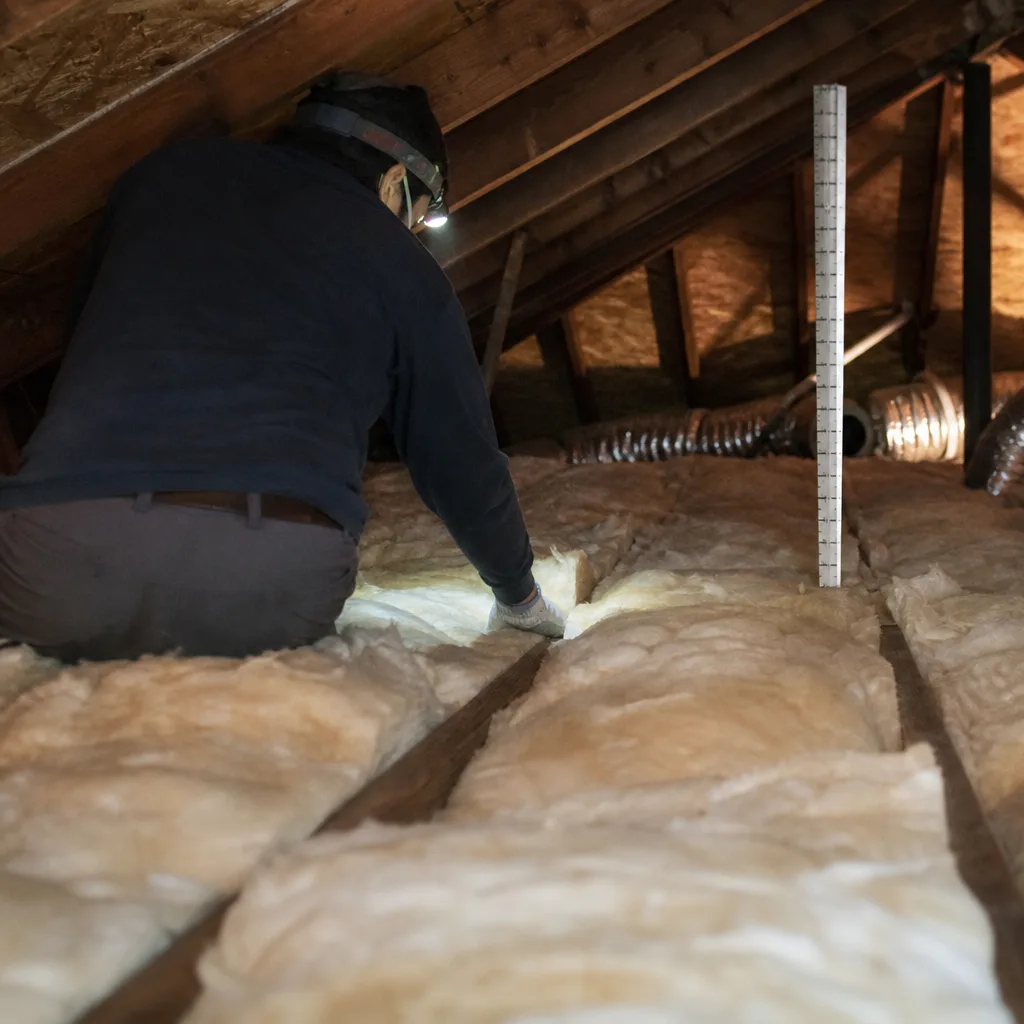
Here’s the method we use on every Attic Insulation in Whittier assessment, simplified for a homeowner with a yardstick and a flashlight:
- Pick representative joist bays. Avoid the outer 3 feet near eaves (wind-washed and often thinner), the attic hatch perimeter (disturbed frequently), and any bay directly above a bathroom or kitchen (prone to localized moisture). Choose bays in the field of the attic, mid-span between ridge and eave.
- Measure to the top of the insulation, not the compressible surface. For loose-fill cellulose or fiberglass, place a ruler vertically until you feel resistance from the drywall or the existing batt layer beneath. Do not push down. Record the depth to the nearest quarter-inch.
- Take three measurements per bay and average them. Insulation is rarely perfectly level. A single point measurement can mislead you by an inch or more.
- Convert depth to approximate R-value. Cellulose runs roughly R-3.7 per inch; fiberglass loose-fill about R-2.5 per inch; fiberglass batts about R-3.1 per inch. An 8-inch cellulose layer is approximately R-30, not the R-38 it may have been installed at.
- Compare to your installation invoice. The original R-value and installed depth should be documented there. If you don’t have it, California Title 24 currently requires R-38 minimum for attic insulation in climate zone 8, which includes Whittier.
We regularly find Whittier homes in the Friendly Hills and California Country Club areas where homeowners measured 10 inches near the eaves and assumed all was well, while the field of the attic had settled to 7 inches. That’s the difference between code-minimum and substandard performance. In our experience, cellulose installed before 2015 in Whittier has often settled more than 20 percent due to the region’s dry-wet seasonal cycling, which accelerates compression compared to consistently arid climates.
If your measurement shows a 15 percent or greater loss from installed depth, it’s time to add material or assess whether compaction (not just settling) is the cause.
Five Moisture Damage Indicators in Whittier Attics
Whittier sits in a coastal-influenced zone where marine layer moisture pushes inland, especially during May and June. Attics here don’t fail from dramatic leaks alone. They fail from chronic humidity that never dries out completely. These are the five signatures we document on every inspection:
- Efflorescence on masonry. If your chimney or any masonry penetration extends into the attic, look for white, powdery deposits. This is salt crystallization from moisture moving through the masonry and evaporating at the surface. It means water is entering the system, even if the attic feels dry.
- Rust staining on HVAC duct hangers. Metal straps or supports that show orange-brown discoloration have been wet repeatedly. In Whittier, this often traces to supply ducts sweating in humid attic air because the insulation wrap has degraded or the duct itself is leaking conditioned air into the space.
- Dark staining on insulation batts. Fiberglass batts that show gray or brown discoloration, especially on the top surface, have filtered dirty air passing through them. This happens when bypasses allow humid, unconditioned air to move through the insulation, depositing particulate and moisture simultaneously. The batt is acting as an air filter, which is not its job.
- Condensation rings on plywood sheathing. Look at the underside of your roof deck. Circular or irregular dark patches, often centered on nail heads, indicate condensation cycling. The nail is a thermal bridge; when attic humidity is high and nighttime temperatures drop, moisture condenses at these cold points. In Whittier, we see this most in attics with inadequate ventilation or where bathroom exhaust fans terminate inside the attic rather than through the roof.
- Soft spots in the attic floor. Walk the joists carefully. Areas where the plywood or OSB feels spongy, or where insulation below is compressed into a hard mat, suggest past or ongoing leaks from the roof or plumbing vents. The insulation has wicked water and compacted, losing both R-value and structural support for the floor.
Any one of these indicators warrants closer inspection. Two or more, and you likely have an active moisture management problem that insulation alone won’t solve. We’ve documented homes in East Whittier where condensation rings covered 30 percent of the sheathing, yet the homeowner never noticed because the attic wasn’t part of their regular maintenance routine.
Before adding insulation to any attic showing these signs, the moisture source must be identified and corrected. At Envelope Insulation Co., we seal first, then insulate - in that order. Blowing new material over a damp substrate traps moisture and accelerates degradation of both old and new insulation.
Identifying Pest Compaction Versus Normal Settling
Not all depth loss is benign settling. Rats, squirrels, and raccoons compress insulation while nesting, and their damage is often misidentified as normal aging. The distinction matters because pest-compacted insulation usually needs removal, not just topping off.
Normal settling looks uniform. The surface is lower than original depth but maintains a loose, granular texture. With cellulose, you can still distinguish individual fibers; with fiberglass, the batts are thinner but structurally intact. The color is consistent with the original material.
Pest compaction looks and feels different:
- Matted, layered texture. Compacted areas show distinct horizontal layers where animals have repeatedly traversed the same path. The material feels hard and resists fluffing when disturbed.
- Nesting debris. Look for shredded paper, plant material, or insulation itself formed into discrete nests. Rat nests in Whittier attics often incorporate palm frond fibers from nearby landscaping.
- Fecal pellets or urine staining. Dark, granular droppings (rats) or larger, cylindrical pellets (squirrels) confirm active or recent infestation. Urine leaves a crystallized, whitish residue on insulation and wood surfaces.
- Gnaw marks on wood or wiring. Fresh gnawing has pale, exposed wood; older marks darken. Electrical cable damage is a fire hazard and requires immediate professional attention.
- Entry points near roof penetrations. In Whittier’s older neighborhoods, like those north of Whittier Boulevard with mature tree canopy, squirrels access attics through gaps at fascia boards, vent screens, and chimney flashing. Newer construction in South Whittier often has poorly sealed ridge vents that rats exploit.
If you find pest compaction, document it with photos and call a pest control professional before addressing insulation. Sealing entry points without removing contaminated material traps animals inside, and installing new insulation over soiled substrate violates basic hygiene and degrades performance.
We’ve removed and replaced insulation in Whittier homes where the homeowner had added two fresh layers over decade-old rat-compacted cellulose, never realizing the bottom layer was a solid mat of filth. The new insulation performed poorly because the compacted base eliminated the trapped air pockets that provide actual thermal resistance.
Checking Air Sealing After Seismic Events
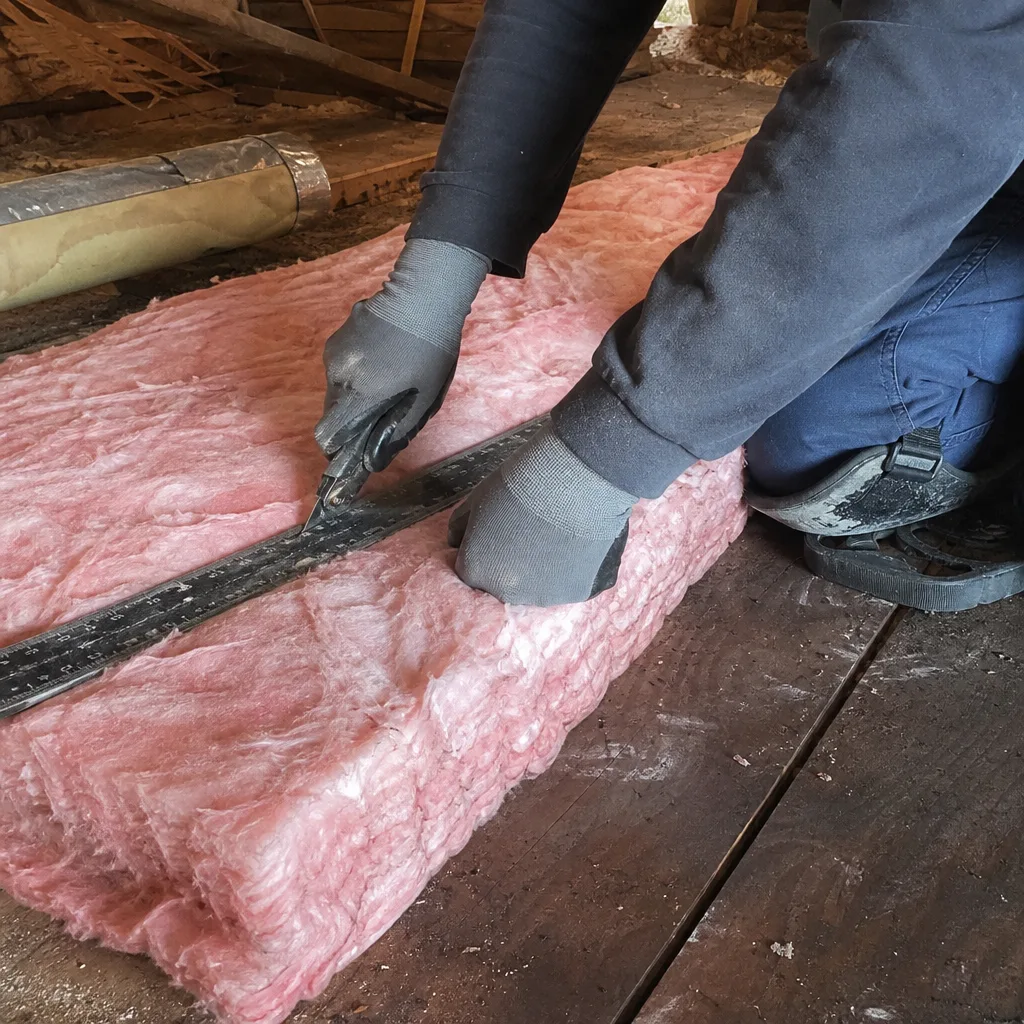
Whittier lies within the Los Angeles basin, where moderate seismic events occur regularly and major fault systems are active. Even a magnitude 3.5 to 4.5 shake, common enough to be forgettable, can crack previously sealed gaps at top plates, drywall seams, and penetration points. These bypasses become invisible highways for conditioned air to escape into the attic.
After any seismic event you feel, or after nearby construction blasting, inspect these specific locations:
- Top plate seams. The horizontal framing member where interior walls meet the ceiling drywall often develops hairline cracks in the caulking or foam sealant. Shine a flashlight along the plate from the attic side; gaps appear as light lines against the darker framing.
- Recessed can light housings. IC-rated housings can shift in their mounting, breaking the seal to drywall. Non-IC housings are required by California code to be sealed with a gasketed cover or box, but older Whittier homes often lack this. Look for gaps between housing and ceiling, or cracked fire-rated foam boxes.
- Plumbing vent stacks and electrical penetrations. These are sealed with fire-stop caulk or intumescent foam at installation. Seismic movement can shear these seals, leaving a direct path from conditioned space to attic. The gap may be small, 1/8 inch or less, but cumulative leakage across multiple penetrations is significant.
- Chase walls and soffits. Kitchen and bath soffits that drop below ceiling level are often framed with minimal attention to airtightness. Seismic flex can open gaps at the top of these chases where they meet the attic floor.
- Duct boot connections. The flexible duct connection to ceiling registers can pull away from the boot, or the boot itself can separate from drywall. This leaks conditioned air directly into the attic, and because the air is under pressure, the loss is immediate and substantial.
A blower-door test - a pressurization reading that shows, in one number, how much air your building envelope is losing - is the definitive way to verify whether seismic events have compromised your air sealing. At Envelope Insulation Co., we provide before-and-after blower-door numbers on every applicable job so homeowners can see the performance change they actually paid for. If your home hasn’t had a blower-door test since original air sealing, a post-seismic reassessment is worth considering.
In Whittier specifically, the 1987 Whittier Narrows earthquake and subsequent aftershocks opened bypasses in thousands of homes that went undetected for years. Modern construction is more resilient, but the principle remains: what was sealed can unseal.
Maintenance by Insulation Type
Different materials age differently in Whittier’s climate. Your maintenance priorities depend on what’s currently in your attic.
Blown-In Cellulose (GreenFiber, etc.)
Cellulose is treated with borates for fire and pest resistance, but the treatment doesn’t prevent settling. In Whittier’s warm, dry summers and mild, humid winters, expect 15 to 25 percent settling in the first five years, then slower continued compression. Annual maintenance: measure depth, check for moisture staining (borate treatment can mask early signs), and look for areas where wind washing near eaves has thinned the material. Cellulose is particularly susceptible to compaction from foot traffic during HVAC service; if your technician walks in the attic, expect localized hard spots.
Fiberglass Batts (Owens Corning, Johns Manville, Knauf)
Batts don’t settle like loose-fill, but they do degrade through moisture absorption and displacement. In Whittier, we’ve found batts that have fallen away from sloped ceilings or been pushed aside by cable installers, leaving bare drywall. Annual maintenance: verify batts are in full contact with the attic floor and each other, with no gaps, compression, or voids. Check that vapor barriers, if present, face the conditioned side (down, toward the living space in our climate zone). Upside-down vapor barriers trap moisture in the insulation.
Spray Foam (Open-Cell and Closed-Cell)
Spray Foam Insulation in Whittier requires less routine maintenance than fiber insulation, but it’s not zero-maintenance. Inspect annually for: delamination from substrate (foam pulling away from roof deck or walls), yellowing or browning that indicates UV exposure if the foam is visible in any vented area, and mechanical damage from tradespeople working in the attic. Closed-cell foam is rigid and can crack at joints if the structure moves; open-cell is softer but can absorb moisture if the protective skin is damaged. Both types should be inspected after seismic events for crack development at framing intersections.
Radiant Barriers
Radiant barrier foil, whether stapled to rafters or applied as a coating, degrades through dust accumulation and oxidation. In Whittier’s dusty environment, especially near construction or agricultural areas, dust settling on the upper surface reduces reflectivity. Maintenance: gentle cleaning with low-pressure air if accessible, or visual inspection for tears, corrosion at staple points, and areas where the barrier has pulled loose and is contacting insulation below (which eliminates the required air gap).
The Documentation You Should Keep
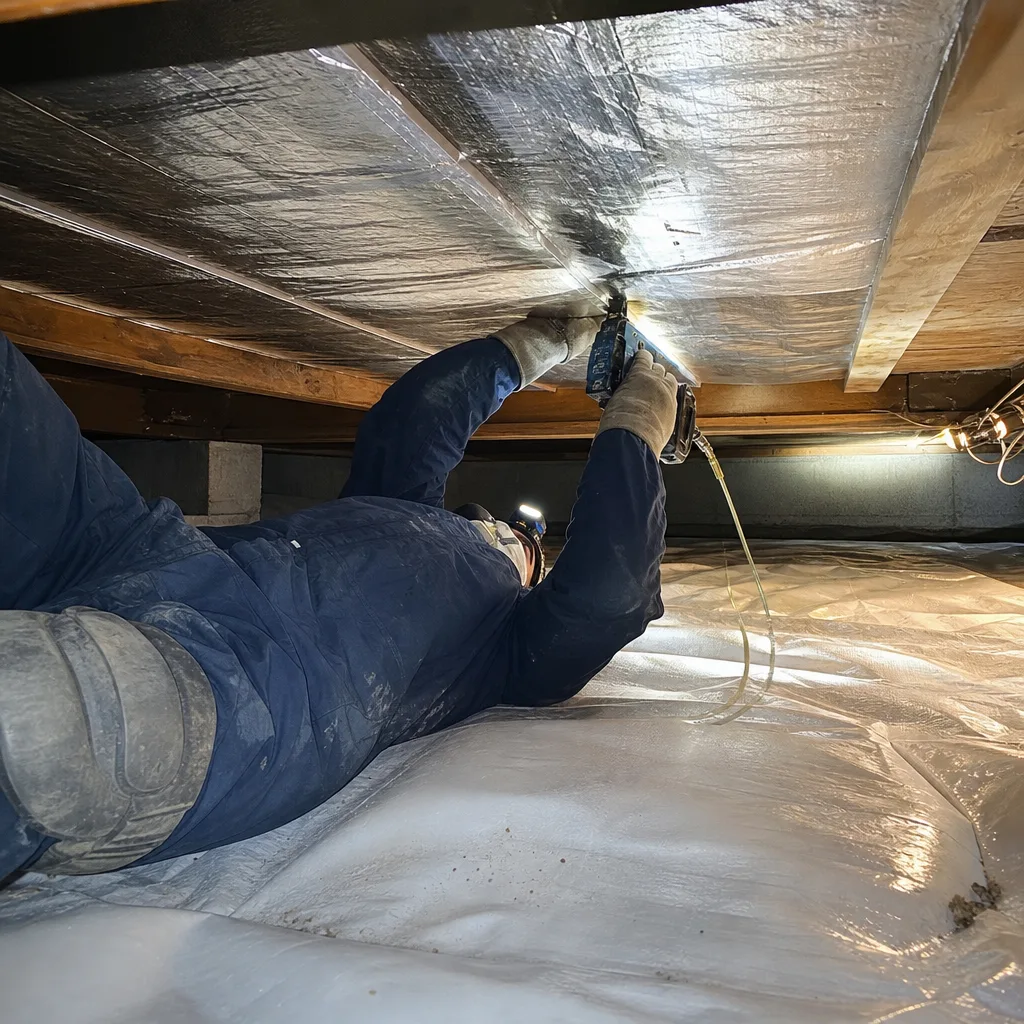
Most homeowners have no record of what was installed, when, or by whom. This makes every future decision harder and every warranty claim slower. Under Haven Standard: Have it in writing. Here’s what you should maintain:
- Installation invoice with R-value and depth specified. Not just “attic insulation” - the document should state the material type, installed R-value, installed depth, and coverage area. This is your baseline for future depth measurements.
- Any blower-door report. If air sealing was performed, the blower-door test results (CFM50 before and after) document the actual performance improvement. Keep the full report, not just a summary number.
- Dated photos from each annual inspection. Take wide shots showing overall attic condition, close-ups of any anomalies, and depth measurements with the ruler visible. Store with the date in the filename. This creates a time-lapse record that reveals gradual changes you’d never notice year-to-year.
- Warranty documents. Material warranties (often 25 years or lifetime for fiberglass, shorter for cellulose) and workmanship warranties. At Envelope Insulation Co., every job closes with a written scope, written warranty, and Documented Photo Record - included on every job, not available on request.
- Pest control records. If you’ve had rodent issues, keep documentation of entry point sealing, trapping, and any contamination remediation. This affects insurance claims and future sale disclosures.
We recommend a dedicated folder, physical or digital, with subfolders by year. When you sell your Whittier home, this documentation demonstrates maintenance diligence and can support your asking price. When you call for service, it lets us assess whether your current condition represents normal aging or a problem that needs intervention.
Annual Inspection Schedule
Timing matters. In Whittier, the ideal inspection window is late September to early November, after the summer cooling load has stressed your system and before the winter heating season begins. This captures any moisture issues that developed during humid spring months and any compression from summer HVAC service traffic.
Month-by-month maintenance calendar:
- October: Full inspection. Measure depths at 5 to 10 representative points. Photograph overall condition. Check all five moisture indicators. Inspect for pest activity. Document everything with dated photos.
- January: Post-holiday check. If you’ve run attic lighting or had service technicians in the space for holiday decorations or repairs, verify no insulation was displaced and no new penetrations were left unsealed.
- April: Pre-cooling assessment. Verify bathroom and kitchen exhaust fans are functioning and venting properly (not into the attic). Check that ridge and soffit vents are clear of debris - Whittier’s Santa Ana wind season can deposit significant dust and leaf litter.
- After any seismic event: Bypass check. Inspect top plates, penetrations, and duct connections as detailed above. Document any new cracks or separations.
- After any roof work or HVAC service: Condition verification. Tradespeople in the attic disturb insulation and can create new bypasses. Verify depth and coverage are intact.
Set phone reminders for the October and April checks; the others are event-triggered. The entire October inspection takes 45 minutes to an hour for a typical 1,500-square-foot Whittier attic. That’s a small investment against the cost of undetected degradation.
Common Mistakes to Avoid
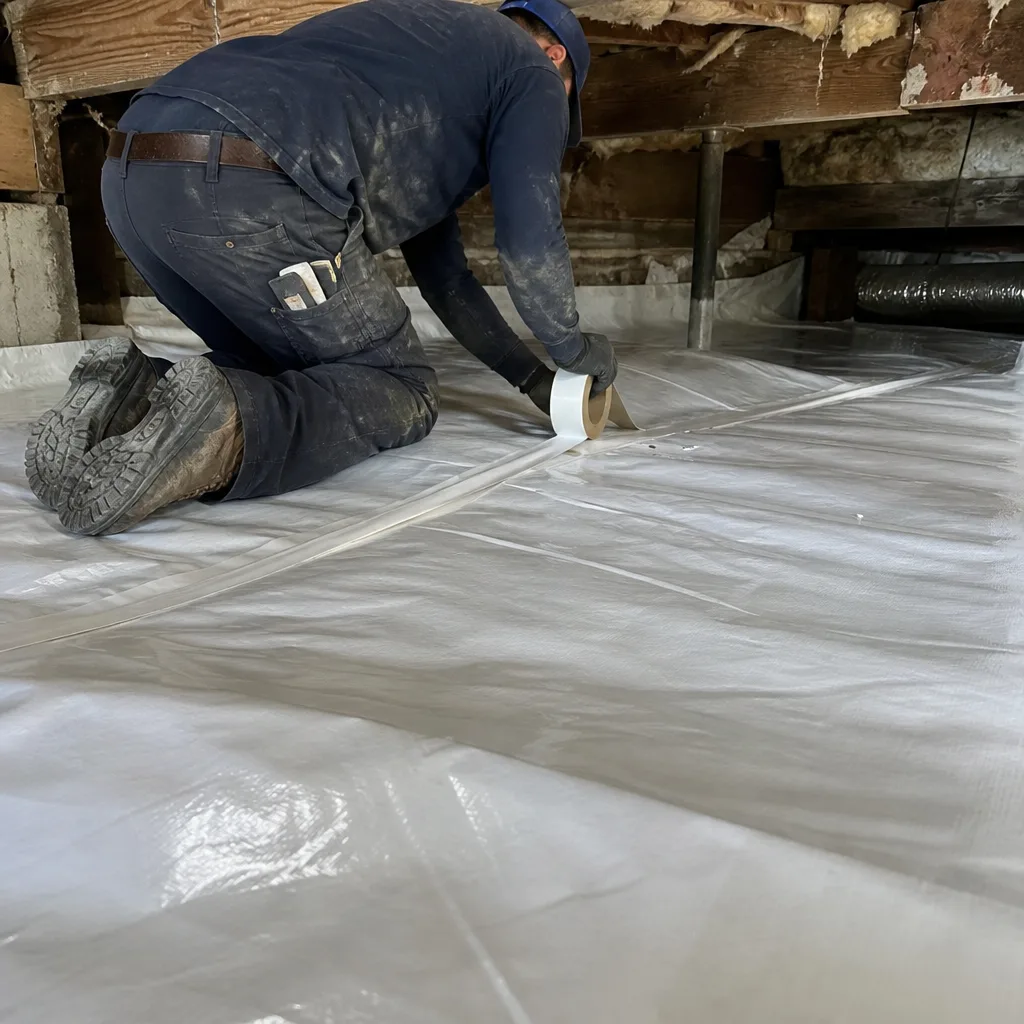
- Measuring near the attic hatch. This area is almost always thinner due to foot traffic and air leakage around the hatch itself. Measure in the field of the attic for representative depth.
- Adding new insulation over moisture-damaged old material. This traps moisture, accelerates mold growth, and voids most material warranties. Always identify and correct the moisture source first.
- Compressing insulation with storage boards. A 1/2-inch plywood sheet laid on insulation compresses it to near-zero R-value beneath. If you must store items in the attic, build a raised platform above the insulation level.
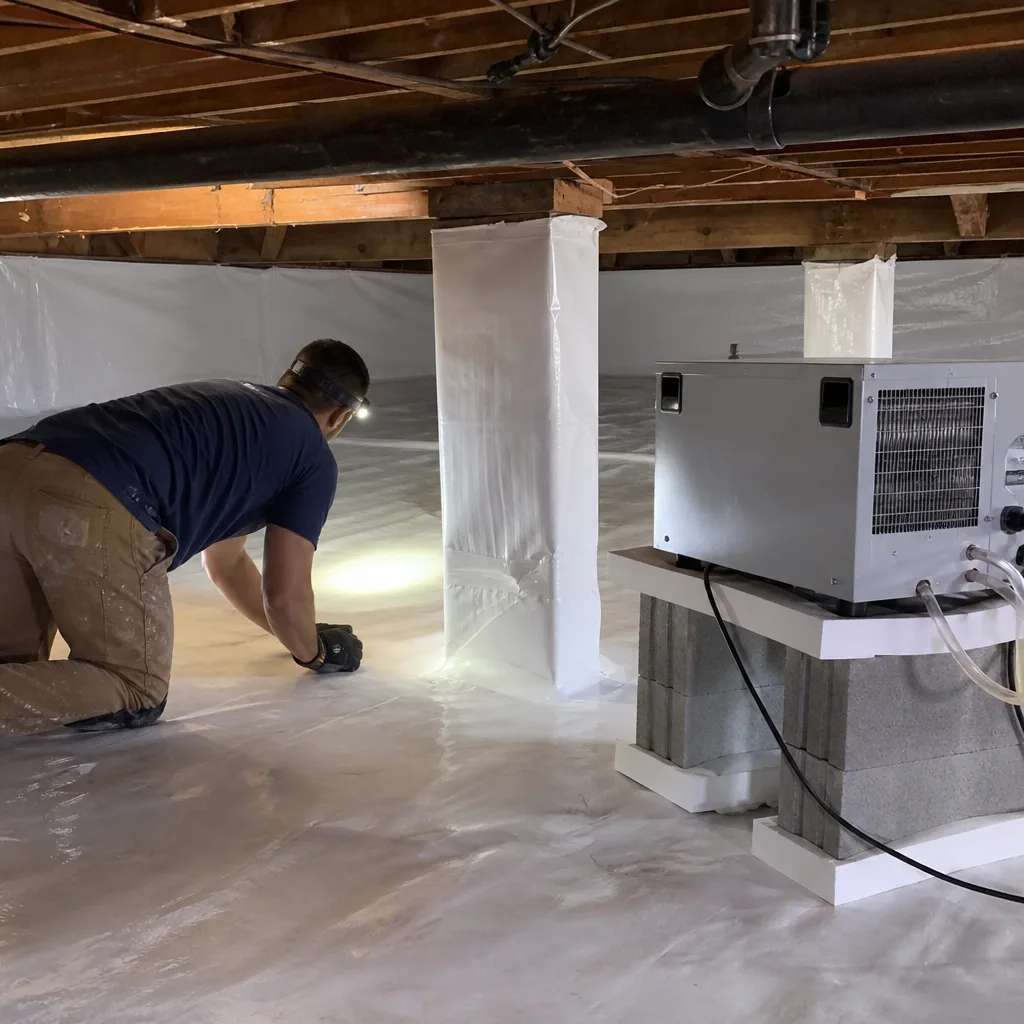
- Ignoring the thermal envelope as a system. Attic insulation works with wall insulation, air sealing, and Crawl Space Encapsulation & Vapor Barrier in Whittier to control overall building performance. Fixing the attic while ignoring a vented, unsealed crawl space is half a solution.
- Assuming spray foam is maintenance-free. While more durable than fiber insulation, spray foam can delaminate, crack, or be mechanically damaged. Annual visual inspection is still warranted.
- Failing to document. Without baseline measurements and photos, you cannot prove degradation to a warranty provider, home inspector, or buyer. Documentation is free; lack of it is expensive.
- DIY air sealing without understanding fire blocking and draft stopping. California Building Code has specific requirements for fire-rated assemblies at penetrations. Improper sealing can create code violations and safety hazards.
When to Call a Professional
Some conditions exceed homeowner maintenance and require trained assessment. Call for professional evaluation if you find: active pest infestation or contaminated insulation; moisture indicators combined with a recent roof leak or plumbing failure; depth loss exceeding 25 percent from original installation; any crack or separation in spray foam that exposes substrate; or post-seismic bypasses you cannot confidently assess or seal yourself.
Topside Attic Insulation Whittier offers free estimates in Whittier - call (424) 349-7262. Every assessment includes a written scope and written price before any work starts, under Haven Standard Clause 1. On applicable jobs, you’ll receive before-and-after blower-door numbers and a Documented Photo Record so you can verify the result. We also provide a Free Second Opinion on any written estimate; bring us a competing quote and we’ll read it with you.
Frequently Asked Questions
Inspect annually, with a full depth measurement, moisture check, and photo documentation every October. Add event-triggered inspections after seismic activity, roof work, or HVAC service. The 365-Day Done Right Promise from Envelope Insulation Co. covers professional reassessment if conditions change within a year of our work.
California Title 24 requires R-38 minimum for attic insulation in climate zone 8, which includes Whittier. For full details on local requirements, read The Complete Guide to Insulation in Whittier. Older homes may have R-19 or less; new construction typically achieves R-38 to R-49. If your measured depth corresponds to less than R-38, adding insulation is usually cost-effective given Whittier’s cooling-dominant climate. Call (424) 349-7262 for an exact quote - estimates are free.
Yes, if the old insulation is dry, uncontaminated, and not severely compacted. Wet, moldy, or pest-soiled insulation must be removed first. At Envelope Insulation Co., we inspect the substrate before recommending any addition; we will never blow insulation over an unsealed or compromised attic floor. A Free Second Opinion on any written estimate can confirm whether your existing material is suitable for overlay.
Most attic insulation jobs in a Whittier home of 1,200 to 2,000 square feet run between $1,800 and $4,500 for added blown-in material over intact existing insulation, and $3,500 to $7,500 for full removal and replacement with upgraded R-value. Not sure which applies to you? See DIY vs Professional Insulation: The Whittier Homeowner’s Decision Guide. Spray foam applications range higher depending on open-cell versus closed-cell selection and roof deck versus floor application. These are Whittier-market ranges based on material and access conditions; your specific price depends on attic square footage, current condition, and whether air sealing is needed first. Call (424) 349-7262 for a written price before any work starts - estimates are free.
Whittier’s climate is not uniformly dry. Marine layer moisture pushes inland regularly, especially May through July. Attic moisture typically comes from: bathroom or kitchen exhaust fans venting into the attic instead of outside; supply duct leakage causing condensation on cold ducts; roof leaks at penetrations; or warm, humid indoor air bypassing into the cold attic through unsealed gaps. The five moisture indicators in this guide help identify which source is active in your home.
Air sealing closes gaps and cracks that allow conditioned air to escape; insulation slows heat transfer through solid materials. Insulation does not stop air movement; fiberglass and cellulose are air-permeable. If you insulate before sealing, air continues to bypass through and around the insulation, carrying moisture and wasting energy. At Envelope Insulation Co., we seal first, then insulate - in that order. Every job begins with a written scope that specifies both components separately so you know what you’re paying for.
The Bottom Line
Attic insulation maintenance is not about feeling drafts or watching utility bills spike. It’s about scheduled observation, accurate measurement, and documentation that catches incremental failure before it becomes expensive replacement. Whittier homeowners who measure depth annually, know the five moisture signatures, distinguish pest compaction from settling, and keep records protect both their thermal performance and their property value. The checklist above gives you the specific steps; the discipline of applying them is what separates maintained homes from those that silently degrade.
Written by Wes Okafor, Owner at Topside Attic Insulation Whittier, serving Whittier since 2016.