
Blown-In Attic Insulation in Whittier, CA
Blown-in attic insulation – also called loose-fill insulation – is the process of mechanically blowing cellulose or fiberglass material across the attic floor to a specified depth, creating a continuous thermal layer without the gaps that batt insulation leaves around joists, pipes, and framing. Most Whittier homes built before 1990 need it because the original insulation has settled, compressed, or been disturbed by pests and HVAC work. At Topside Attic Insulation Whittier, we don’t blow anything in until the attic floor is air-sealed – top plates, can-light penetrations, plumbing chases, the works – because our Attic Insulation services start with proper prep, and insulation without air sealing is a documented underperformer we can prove with blower-door numbers before and after.
If you want a written price before anyone enters your attic, call us at (424) 349-7262. Our Attic Insulation in Whittier page covers the full scope of what that service includes; this page focuses specifically on the blown-in process, what it costs in the Whittier market, and what you’ll receive when the crew leaves.
When You Need Blown-In Attic Insulation
- Your upstairs rooms stay 6-10 degrees warmer than downstairs all summer. This is the most common complaint we hear from homeowners in Whittier’s older neighborhoods like Uptown and Friendly Hills, where original batts from the 1960s and 70s have packed down to R-7 or less. The thermal stack effect is real: heat conducts through the ceiling directly into living space when the attic insulation is thin.
- Your energy bills climbed after you replaced the HVAC but nothing else changed. A new system working harder to compensate for a poorly insulated attic is a textbook sign that the envelope – not the equipment – is the problem. Blown-in insulation addresses the root cause instead of masking it.
- You can see the tops of your ceiling joists from the attic hatch. California’s Title 24 energy code targets R-38 minimum for attic floors in Climate Zone 9, which covers most of Whittier. If your joists are exposed or barely covered, you’re well short of that.
- You’ve had rodent activity in the attic. Rats and roof mice – common in the area around Whittier Narrows and the older foothills properties near Mar Vista Avenue – shred and nest in batt insulation. After attic cleaning and rodent-proofing, blown-in material re-establishes the insulation layer more completely than trying to patch individual batts.
- You added conditioned square footage or converted an attic space. Any modification that changed how the attic is ventilated or where the thermal boundary sits usually means the existing insulation depth and placement no longer match the home’s actual envelope.
- Your home failed a home energy audit for attic performance. If an auditor cited attic air leakage or insufficient R-value as a primary finding, blown-in insulation combined with air sealing is typically the recommended correction – and it’s what we install.
Our Blown-In Attic Insulation Process
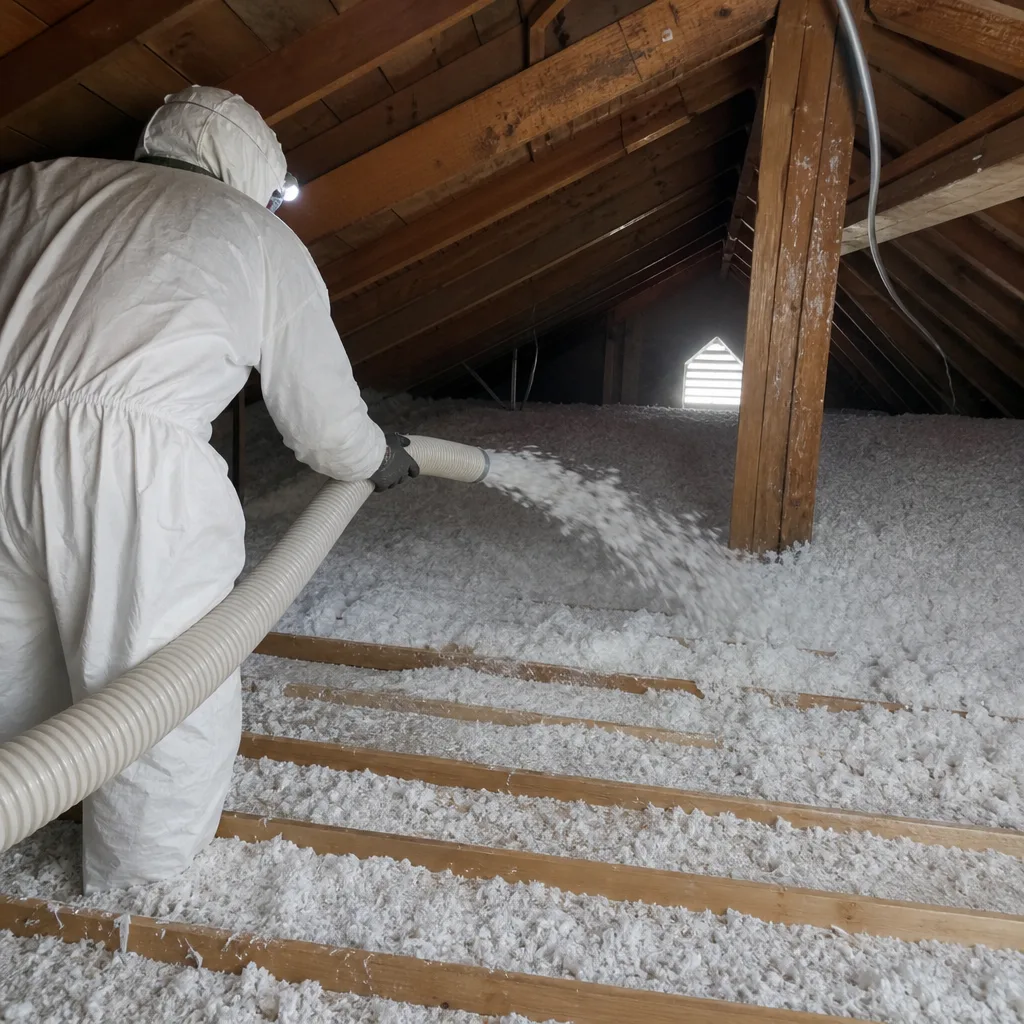
The sequence below is not negotiable at Topside Attic Insulation Whittier. We don’t compress steps or skip air sealing because it’s faster. The Haven Standard requires a written scope before work starts and a documented record when we leave, and both of those documents reflect exactly this process.
- Written price before any work starts. Under Haven Standard Clause 1, you receive a flat written price and a written scope before anyone lifts a tool. That document names the target R-value, the material we’ll use, the depth we’ll reach, and what the air-sealing phase covers. No verbal estimates, no price-after-inspection surprises.
- Pre-job blower-door test. A blower-door test – a pressurization reading that shows, in one number, how much air your building envelope is losing – is run before we touch the attic. We record the CFM50 figure and include it in your job documentation. This baseline is what gives the after-test its meaning.
- Attic air sealing – sealed first, then insulated. Before any insulation enters the attic, our technician seals every penetration at the attic floor: top plates between framing bays, recessed can lights (which are among the worst air-leakage points in Southern California homes built in the 1980s and 90s), plumbing and electrical chases, and any HVAC drop points. We use two-part foam and fire-rated caulk rated for the application. This step alone typically drops blower-door readings by 20-40% in Whittier homes we’ve worked on.
- Material selection and equipment setup. We source from Knauf, CertainTeed, and GreenFiber depending on the job’s R-value target, existing substrate, and whether any moisture history in the attic affects material choice. The blowing machine is calibrated to the manufacturer’s specified density – not eyeballed – so the installed R-value matches what the written scope states.
- Blown-in installation to specified depth. Material is blown in consistent passes to reach the target depth, measured at multiple points across the attic floor. In Whittier, hitting R-38 typically requires 12-14 inches of fiberglass loose-fill or 10-12 inches of cellulose at proper density. Depth rulers are left in the attic so you can verify the coverage without having to take our word for it.
- Post-job documentation: blower-door retest and photo record. After the material is in and the hatch is resealed, we run the blower-door test again and record the post-job CFM50 figure. You receive both numbers – before and after – in your job documentation, along with a Documented Photo Record of the air-sealing work and the finished insulation depth. When we leave Whittier, you have something you can actually read.
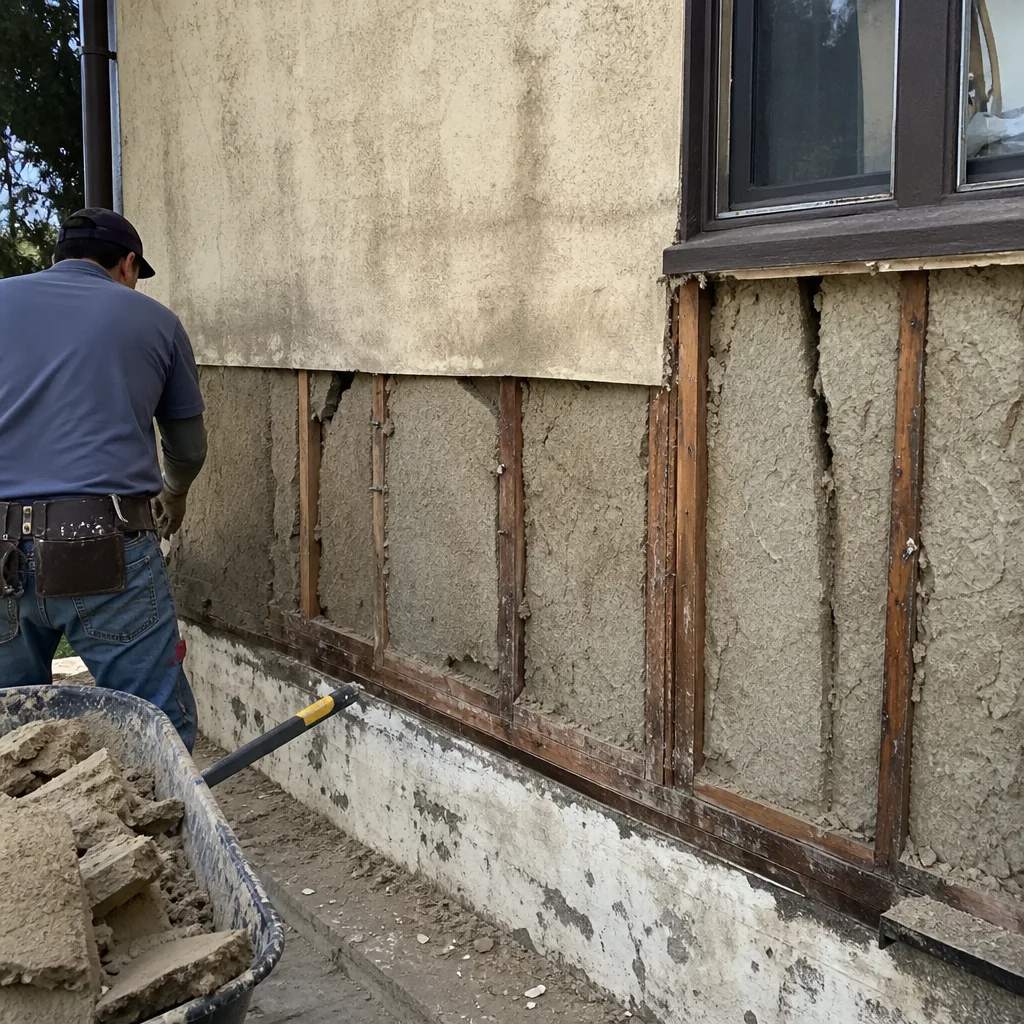 Before
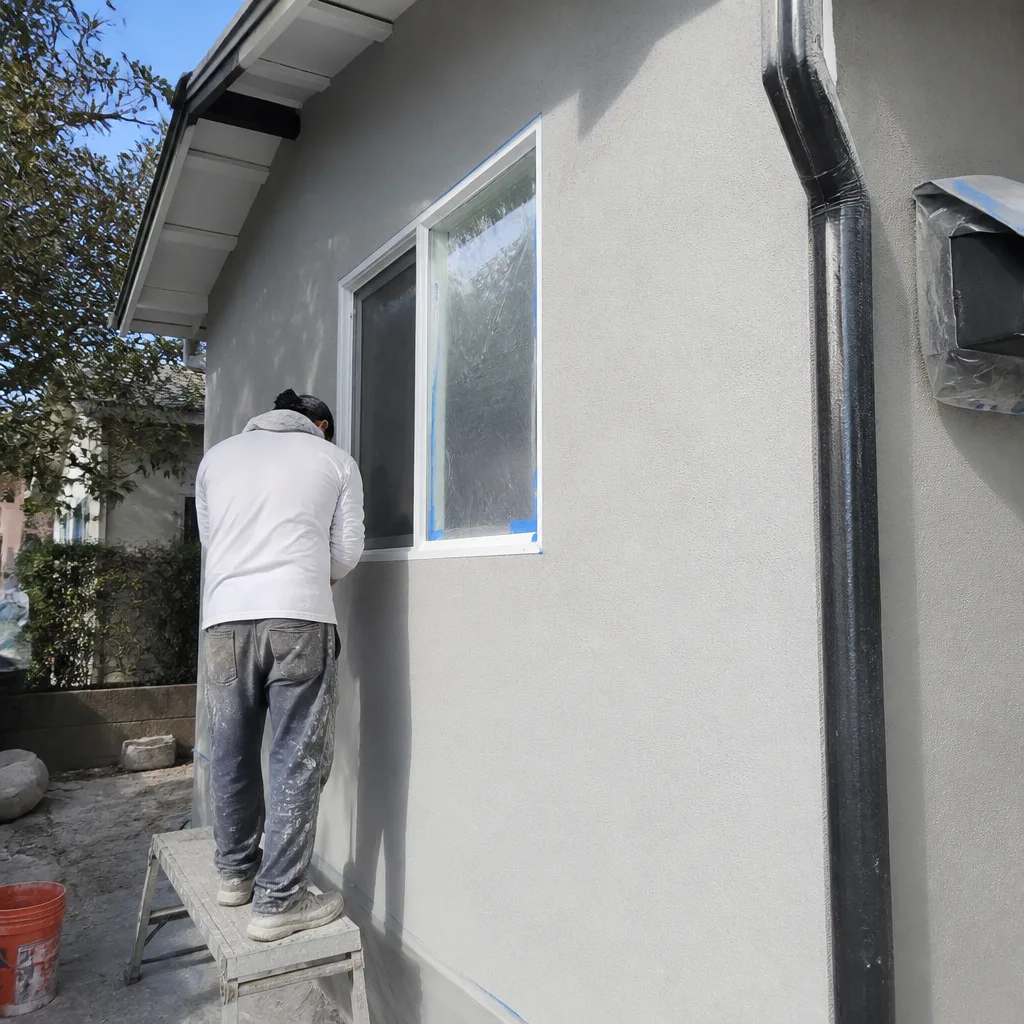 After
AfterBlown-In Attic Insulation Pricing in Whittier
If you’re wondering how much does attic insulation cost, most blown-in attic insulation jobs in Whittier run between $1,400 and $3,200 for a single-story home with 1,000-1,800 square feet of attic floor space. That range includes the air-sealing phase – which is not a separate line item at Topside Attic Insulation Whittier; it’s part of the job. The blower-door documentation is also included, not billed separately.
| Job Type | Typical Whittier Range | Notes |
|---|---|---|
| Top-up to R-38 (existing insulation present, 1,000-1,200 sq ft attic) | $1,400 – $1,900 | Air sealing included; blower-door documentation included |
| Full install to R-38 (bare or near-bare attic, 1,200-1,600 sq ft) | $1,900 – $2,600 | More material volume; air sealing scope typically larger |
| Full install to R-49 (larger attics or two-story homes, 1,500-2,000 sq ft) | $2,400 – $3,200 | R-49 used in some high-performance retrofits; deeper material required |
| Post-rodent-damage reinstall (removal already completed) | $1,700 – $2,800 | Scope varies by prior contamination; attic cleaning is a separate line item if needed |
What moves a job toward the higher end of that range: attic access that requires additional setup time (tight hatch openings are common in Whittier Craftsman-era homes near Greenleaf Avenue), significant can-light count requiring individual fire-rated covers before sealing, or prior insulation that has settled unevenly and needs redistribution before new material goes in.
We don’t ask you to call for a price range – you’re looking at it. What we give you before any work starts is a flat written price specific to your attic’s measurements, penetration count, and current insulation condition. If you have a written estimate from another contractor, bring it to us. We’ll read it with you – that’s our Free Second Opinion, and it’s not a sales call dressed up as advice.
To schedule a site assessment and receive a written price, call (424) 349-7262.
What You Receive When the Job Is Complete
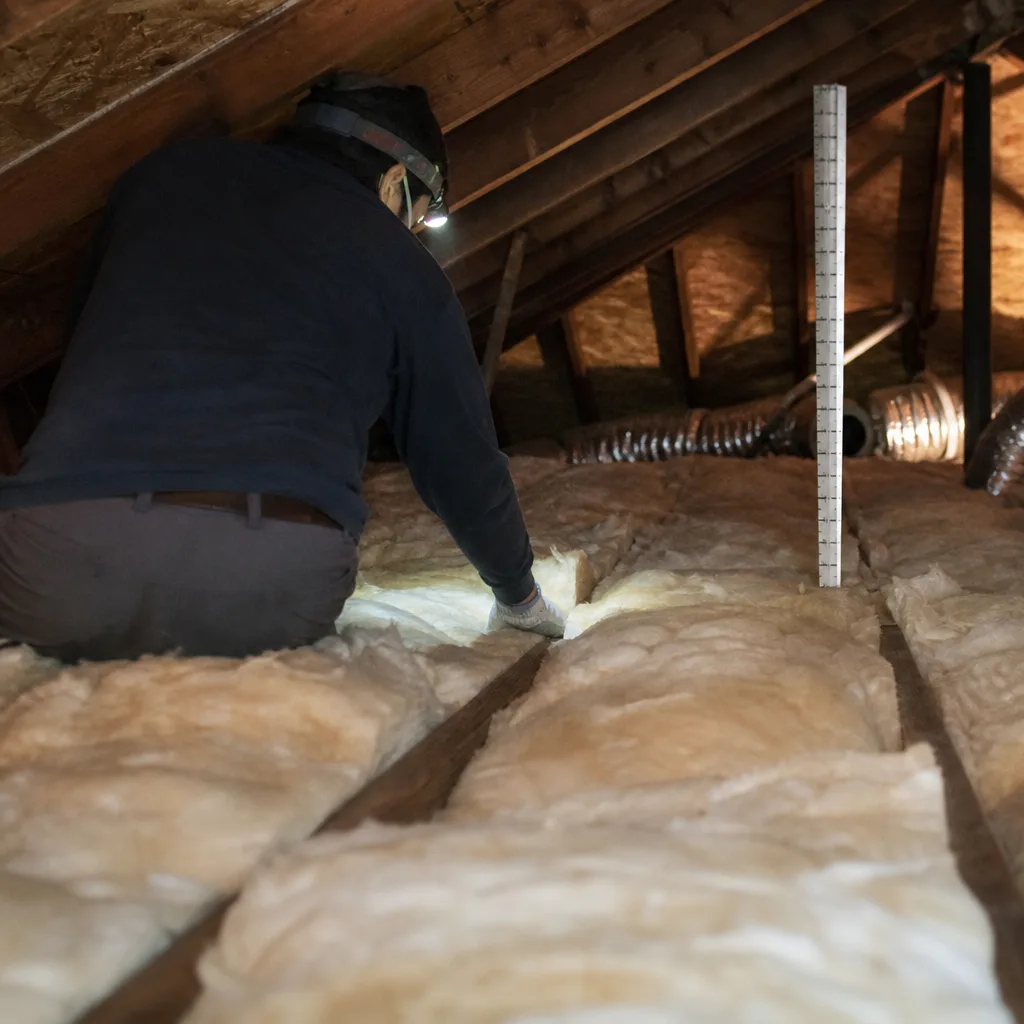
This section exists because most homeowners have no idea what a completed insulation job looks like in terms of documentation. Here’s what leaves with you after a Topside Attic Insulation Whittier blown-in job:
- A Documented Photo Record of the air-sealing work at key penetrations and the finished insulation depth at multiple measurement points
- Before-and-after blower-door readings in CFM50 – one number from before we sealed, one from after, both on paper
- The written scope that was agreed before work started, marked as completed
- The written warranty under the 365-Day Done Right Promise – if it’s not done right, we make it right
- Depth rulers left in the attic so you can verify coverage at any time without needing a technician present
That’s what leaving looks like. If a contractor can’t tell you what documentation you’ll receive before they start, that’s useful information too.
Why Whittier’s Climate Makes Attic Insulation Especially Important
Whittier sits at the eastern edge of the Los Angeles Basin, inland enough that summer temperatures regularly reach the upper 90s and occasionally push past 100°F. The city doesn’t get the coastal marine layer that moderates temperatures in places like Long Beach or El Segundo – by mid-morning in July, the attic above an un-insulated ceiling in East Whittier or the Whittier Hills area can exceed 140°F. That heat load conducts directly into the living space below and forces air conditioning to run longer to compensate.
Winters in Whittier are mild by national standards but not trivial in energy terms. The temperature differential between a 45°F night and a 68°F interior is enough to drive meaningful heat loss through an attic floor with inadequate insulation. Blown-in insulation, installed to California’s Title 24 standard of R-38 minimum for Climate Zone 9, addresses both directions of heat flow – summer gain and winter loss – with a single job.
The region also has enough seasonal temperature cycling that older fiberglass batts compress noticeably over 20-30 year periods. A batt that originally delivered R-19 in 1988 is likely performing at R-11 or lower today. That’s not a code violation that generates a notice – it just costs you money on every utility bill until someone measures it.
Blown-In vs. Batt Insulation in an Existing Whittier Attic
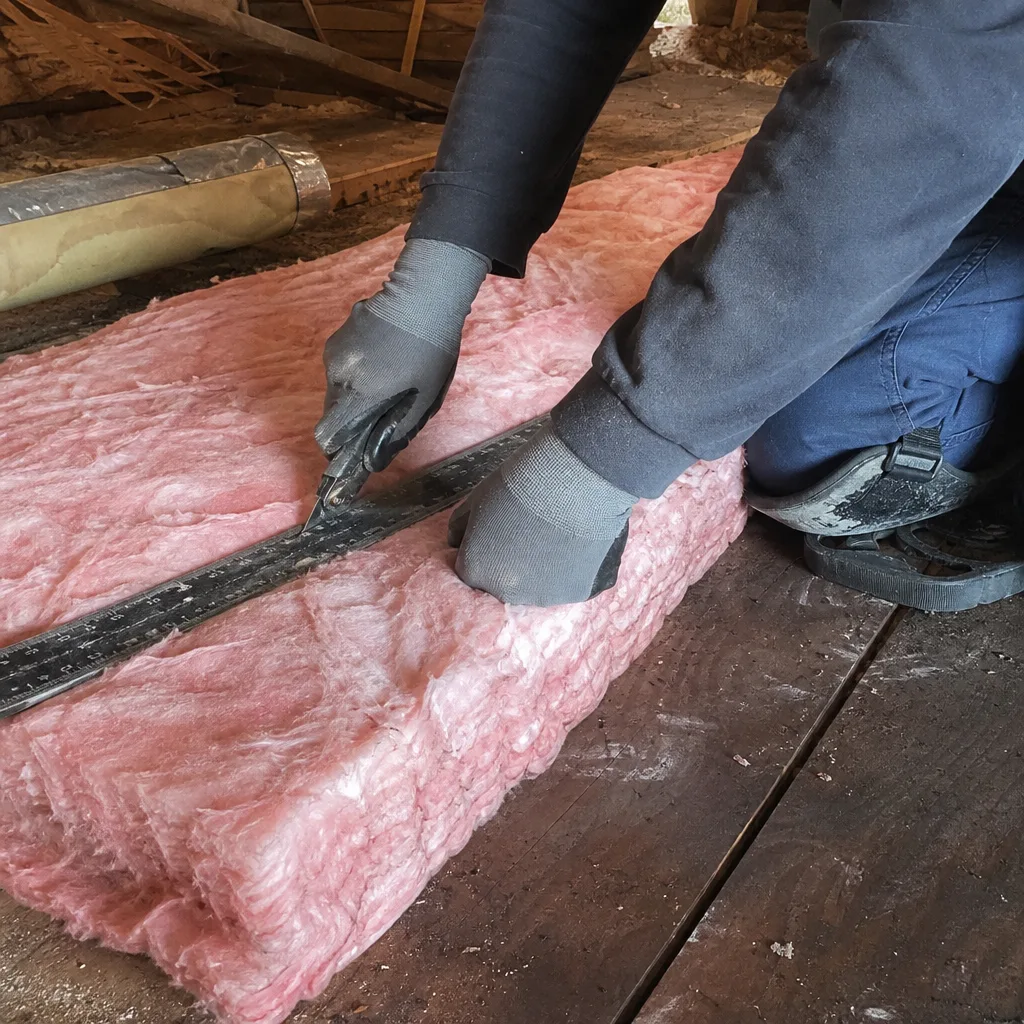
For an existing attic with irregular framing, penetrations, and HVAC equipment already in place – which describes the majority of Whittier homes built between 1950 and 1990 – blown-in insulation covers more completely than Attic Batt Insulation. Batts require cutting around every obstacle; loose-fill settles around them. The gap risk is lower, the coverage is more consistent, and the installation is faster in an occupied home.
Batt insulation makes more sense in new construction or in open stud walls where the framing is accessible and the geometry is regular. In an attic retrofit, especially one that includes an air-sealing phase, blown-in is typically the right call. Our parent service page on Attic Insulation in Whittier covers material selection in more detail if you want to compare options before making a decision.
FAQs – Blown-In Attic Insulation
How much does blown-in attic insulation cost in Whittier?
Blown-in attic insulation in Whittier typically costs between $1,400 and $3,200 for most single-story homes, with the price depending on attic square footage, current insulation depth, and how many penetrations need air-sealing before the material goes in. At Topside Attic Insulation Whittier, that range includes the air-sealing phase and blower-door documentation – neither is a separate upsell. You’ll receive a flat written price specific to your attic before any work starts. Call (424) 349-7262 to schedule a site assessment at no charge.
Do you have to remove old insulation before blowing in new material?
Not always. If existing insulation is dry, undamaged, and not contaminated by rodents or mold, blown-in material can go directly on top of it – we simply account for the existing R-value and blow to the depth needed to hit the target. If the existing insulation has been compressed below R-10, is contaminated, or is wet, removal is the right call before reinstall. We assess the existing condition during the initial site visit and document what we find. Insulation removal is a separate service that we can scope and price at the same time if needed.
How long does blown-in attic insulation take to install?
Most blown-in attic insulation jobs in Whittier take four to seven hours from setup to final blower-door test, depending on attic size, how extensive the air-sealing phase is, and whether Attic Baffles & Ventilation Prep is needed. A straightforward 1,200 square foot attic with moderate penetration count typically runs closer to four hours. Attics with high can-light counts – common in 1980s and 90s construction throughout South Whittier and Whittier Hills – take longer because each fixture needs an individual fire-rated cover before sealing. The written scope you receive before work starts will give you a realistic time estimate for your specific job.
What R-value do I need for my Whittier attic?
California’s Title 24 energy code sets R-38 as the minimum for attic floors in Climate Zone 9, which covers Whittier. That translates to roughly 12-14 inches of blown fiberglass or 10-12 inches of cellulose at proper installed density. Some homeowners targeting a higher-performance envelope go to R-49, particularly if they’re also adding a radiant barrier or have a room directly below the attic that runs warm year-round. We’ll measure your current insulation depth, calculate the existing R-value, and specify exactly what depth the new material needs to reach – that measurement is in the written scope before any work begins.
Key Takeaways
- Blown-in attic insulation in Whittier runs $1,400-$3,200 for most homes; air sealing and blower-door documentation are included, not billed separately.
- Envelope Insulation Co. seals the attic floor – top plates, can lights, penetrations – before any insulation is blown in. This is the process, not an upsell.
- You receive before-and-after blower-door readings in CFM50 and a Documented Photo Record on every job.
- California Title 24 targets R-38 minimum for Climate Zone 9 attics; most pre-1990 Whittier homes are well below that today.
- A written price is provided before any work starts. The 365-Day Done Right Promise applies to every completed job.
Schedule a Written Estimate for Your Whittier Home
If your Whittier home runs warm upstairs, your bills have crept up without explanation, or you know the attic insulation hasn’t been touched since the Clinton administration, the next step is a site assessment that gives you numbers – not an approximation. Wes Okafor leads the crew at Topside Attic Insulation Whittier, and every job he takes on starts the same way: a written price, a named scope, and a clear picture of what your attic looks like before we change anything.
Call (424) 349-7262 to schedule a free site assessment and receive a written estimate specific to your attic. If you have a competing written estimate, bring it – we’ll review it with you at no cost, no pressure. That offer stands regardless of whether you hire us.
You can also learn more about the full range of attic services available for Whittier homeowners on our home page, or read through the complete Attic Insulation in Whittier service page to see how blown-in insulation fits into the broader attic envelope work we do.
Written by Wes Okafor, Owner at Topside Attic Insulation Whittier, serving Whittier since 2016.