
Last updated September 24, 2026
Seasonal Insulation Care for Whittier: Year-Round Homeowner’s Guide
Santa Ana wind events, which hit Whittier most intensely in fall, routinely produce outdoor-to-indoor pressure differentials that exceed what a blower-door test simulates. If your attic bypasses weren’t sealed before October, you are heating outside air in November. Most homeowners here think insulation care means adding more material when bills spike, but the real seasonal stress on a Whittier home’s thermal envelope comes from moisture, pressure, and the slow degradation of air-sealing details that were never designed to last without inspection. This guide maps each of Whittier’s four distinct climate periods to the specific failure modes they create, and gives you a month-by-month action calendar based on what we’ve documented across 9,000+ homes since 2016 - for The Complete Guide to Insulation in Whittier, see our full resource.
Quick Answer
Seasonal insulation care in Whittier means inspecting and maintaining your thermal envelope four times per year to match four distinct climate stressors: June marine-layer moisture, summer peak cooling load, October Santa Ana wind pressurization, and winter heating demand. The most critical task is verifying attic air sealing before Santa Ana season, because wind-driven pressure differentials can force conditioned air out through gaps that a still-day inspection will miss. A documented, sealed attic in Whittier loses roughly 15-20 percent less conditioned air during peak Santa Ana events than an equivalent unsealed attic, based on pre- and post-blower-door comparisons we’ve recorded.
Table of Contents
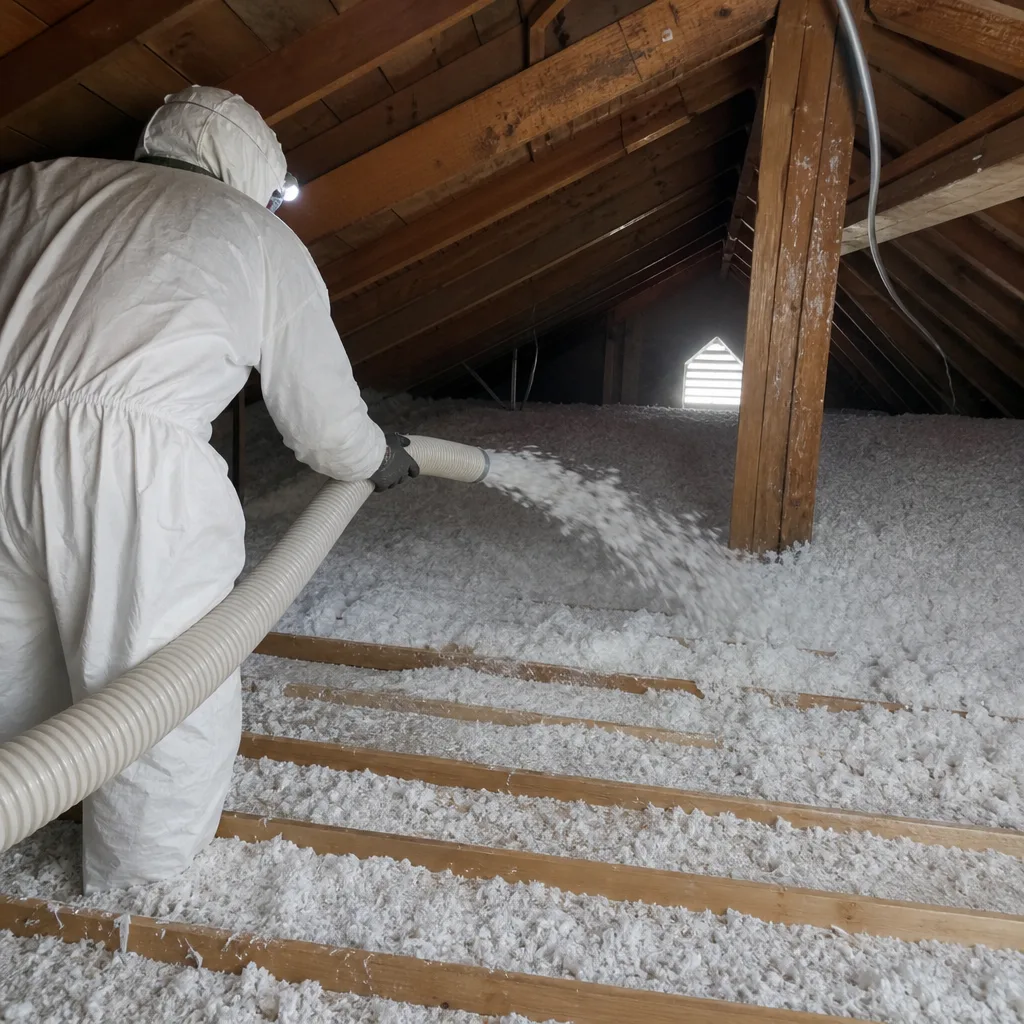
- June Gloom: Marine Moisture and Your Attic
- Summer Peak Cooling Load in Whittier
- Santa Ana Season: The Hidden Pressure Test
- Winter Heating: Where Degraded Sealing Shows Up
- Month-by-Month Insulation Action Calendar
- DIY Inspection Protocols for Each Season
- Common Mistakes to Avoid
- When to Call a Professional
- Frequently Asked Questions
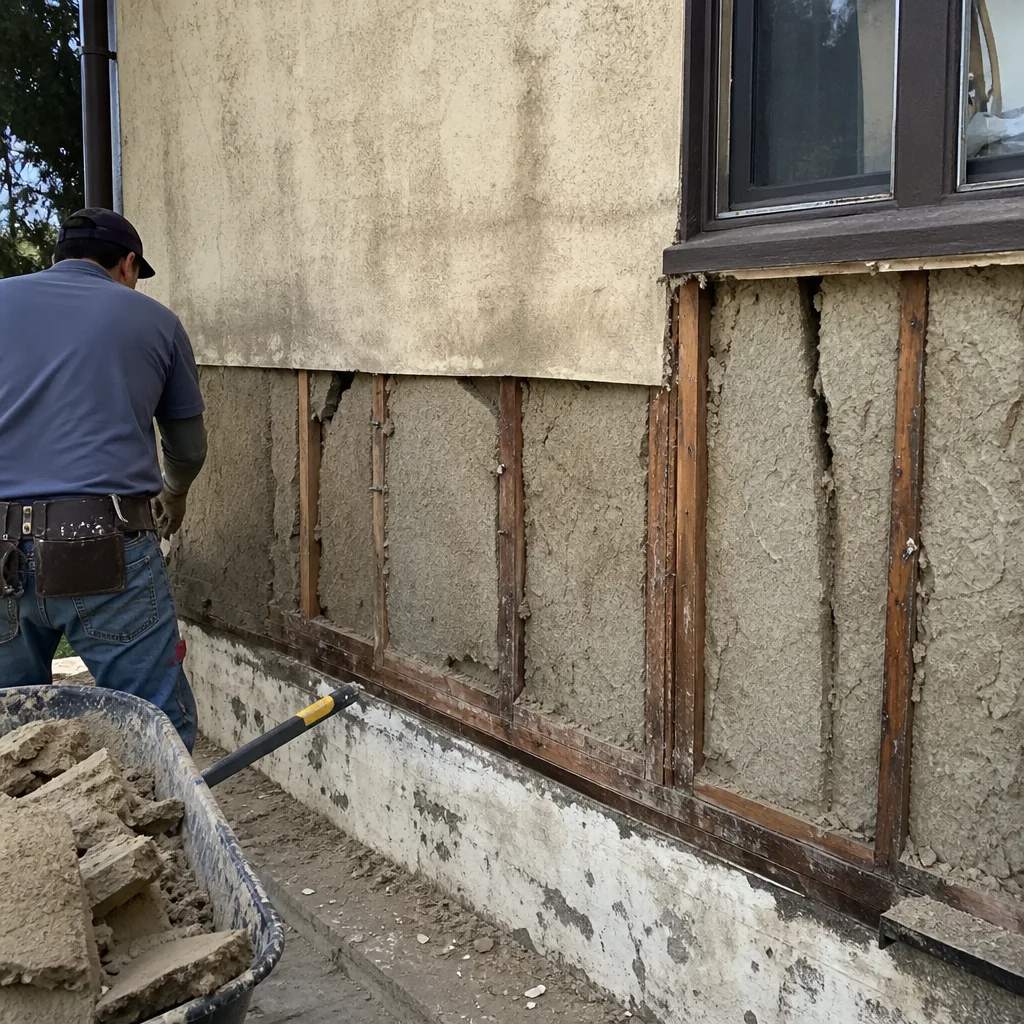 Before
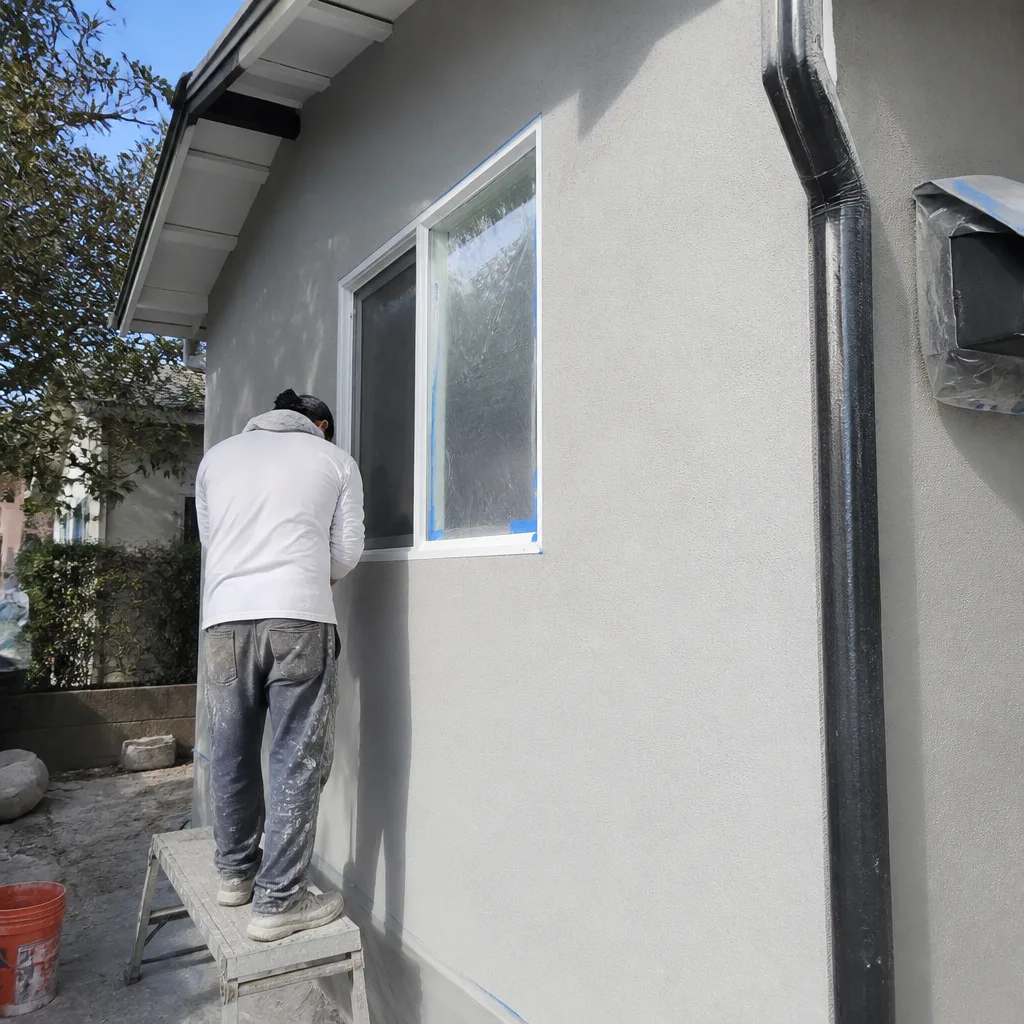 After
AfterJune Gloom: Marine Moisture and Your Attic
Whittier sits far enough inland that the June marine layer doesn’t blanket rooftops all morning like it does in Long Beach, but the moisture still arrives. Cool, saturated air pushes through eave vents and soffit gaps between 5 a.m. and 9 a.m., and if your attic floor has bypasses - gaps around plumbing stacks, electrical penetrations, or the top plates of interior walls - that vapor meets the warmer, air-conditioned space below. The result is condensation staining on the underside of roof sheathing, usually visible in early morning before the sun drives it off.
We’ve found this pattern repeatedly in Whittier neighborhoods from Friendly Hills to East Whittier: homeowners call us in July reporting “roof leaks” that turn out to be condensation from attic air movement, not shingle failure. The fix isn’t more insulation. It’s sealing the bypasses so vapor moves through the insulation field as designed, not around it.
The June inspection protocol is specific. Early morning, before 8 a.m., enter your attic with a flashlight and look for:
- Dark staining or water marks on the underside of plywood or OSB roof sheathing, especially within 4 feet of the eaves
- Damp or clumped loose-fill insulation near vent openings, indicating air is moving material rather than passing through it
- Corrosion or rust on metal ductwork or nail heads, which signals chronic humidity exposure
- Soft or discolored drywall on the ceiling below, directly under plumbing stacks or chimney chases
If you find staining, the vapor is winning. The insulation field - whether it’s fiberglass batts, blown-in cellulose, or mineral wool - can’t block moisture that moves as airborne vapor through gaps. Only air sealing stops this. At Attic Insulation in Whittier, we treat June findings as advance warning for October’s real test.
Material note: In marine-influenced attics, we often specify Rockwool or CertainTeed fiberglass products that don’t absorb and hold moisture the way organic-based materials can. The product choice matters less than the sealing detail, but it’s worth matching material to climate.
Summer Peak Cooling Load in Whittier
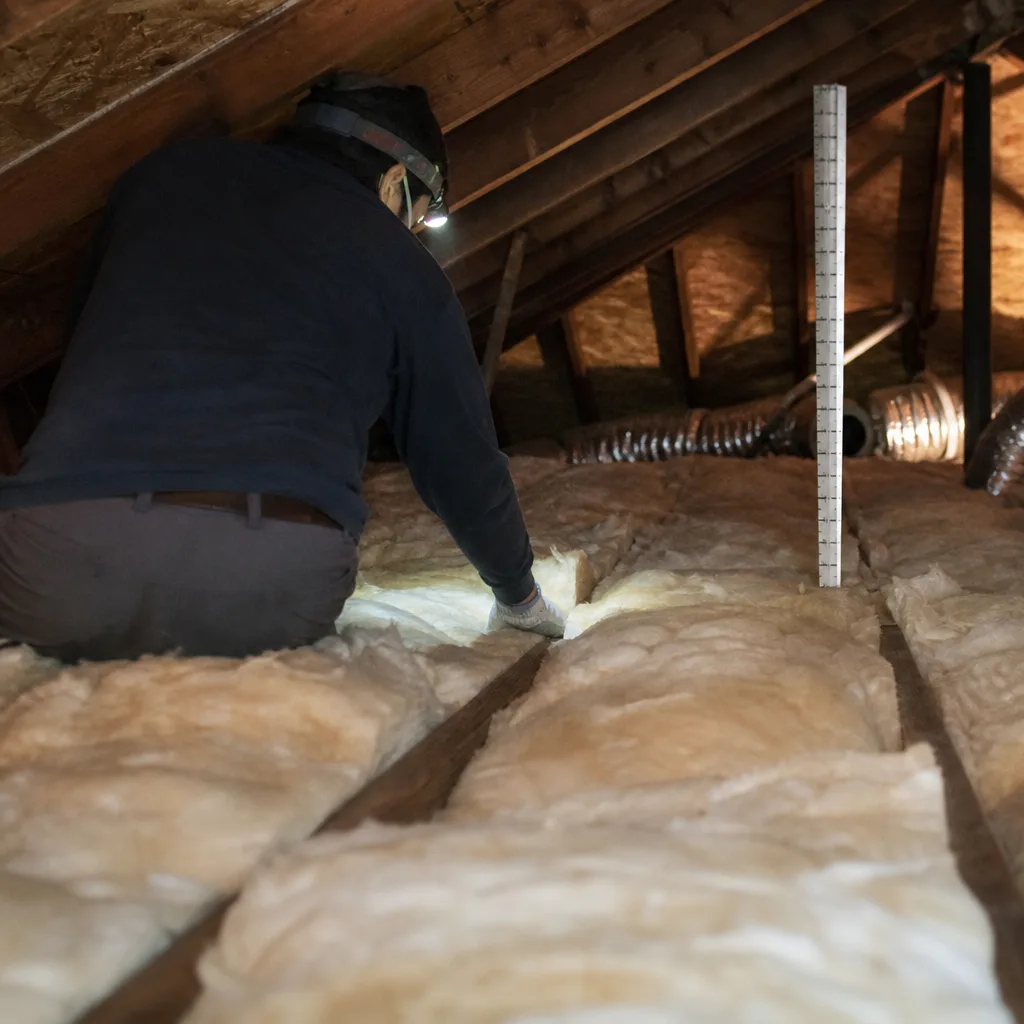
By mid-July, Whittier’s daytime highs regularly hit the low 90s, and attic temperatures can exceed 140 degrees. This is when undersized or degraded insulation reveals itself through ductwork losses and ceiling heat gain. But the failure mode most homeowners miss isn’t thin insulation - it’s thermal bypass at the attic hatch, pull-down stairs, and recessed light fixtures.
A standard attic hatch with no gasket or insulation board leaks conditioned air like an open window. During peak cooling season, that 55-degree supply air escapes into 140-degree attic space, and your compressor runs longer to compensate. We’ve measured supply duct temperatures dropping 8-12 degrees at the register when attic ducts run through unsealed chases.
The summer inspection focuses on thermal boundaries, not just R-value:
- Check the attic hatch. It should have a compressible gasket, weatherstripping, or both. If you can see daylight around the perimeter, conditioned air is escaping. Add a rigid insulation board to the top if the hatch itself is uninsulated.
- Inspect recessed can lights. Older non-IC-rated fixtures create open penetrations through the ceiling. Even IC-rated units leak air if the trim gasket is missing or hardened. Look for gaps between the housing and drywall.
- Follow your ductwork. Flexible duct should be fully supported, not sagging into insulation where it can crush and restrict flow. Metal duct seams should show no dust streaks, which indicate air leakage pulling attic particles into the joint.
- Verify soffit baffles. These cardboard or foam channels keep insulation from blocking eave vents. In summer, blocked vents trap heat. Make sure baffles extend from the soffit opening to above the insulation level.
Peak load season is also when radiant barriers show their value in Whittier’s sun-exposed roofs. A properly installed radiant barrier - stapled to the underside of roof rafters, not laid on the attic floor - can reduce attic radiant heat gain by 20-30 percent. We install these as part of Topside Attic Insulation Whittier home services when the roof geometry allows proper installation and ventilation clearance.
Santa Ana Season: The Hidden Pressure Test
October through December brings Whittier’s most destructive envelope stressor. Santa Ana winds, with gusts routinely exceeding 40 mph, create pressure differentials across your home that no blower-door test replicates. A blower door depressurizes the house to 50 Pascals - roughly equivalent to a 20 mph wind. Santa Ana gusts can double that, and they do it while your heating system is running, actively forcing conditioned air out through every unsealed gap.
The failure modes are specific and violent:
- Recessed light covers displaced or lifted. The pressure differential across the ceiling plane can pop loose ten covers or dislodge retrofit sealing boxes. We’ve found light covers in the insulation after Santa Ana events.
- Loose-fill insulation disturbed near eave vents. Wind entering soffits creates turbulence that scatters cellulose or fiberglass away from eave edges, exposing top plates and creating thermal shorts.
- Attic hatch gaskets blown out of position. A hatch that sealed adequately in summer may leak massively under pressure if the gasket compresses unevenly or the latch doesn’t hold tight.
- Pull-down stair weatherstripping failure. The folded stair unit acts like a bellows; repeated pressure cycling degrades foam seals faster than seasonal temperature change alone.
The post-Santa Ana inspection protocol matters. Wait for the wind event to pass, then check:
- Every recessed light cover - press gently; it should be seated firmly with no rotation or lift
- Insulation distribution near all eave and gable vents - look for bare spots or wind-scoured areas
- Attic hatch gasket compression - close the hatch and check for even contact all around; relatch if your hardware allows adjustment
- Any new ceiling stains or drywall cracks near penetrations, indicating pressure-forced air movement
This is the season where our before-and-after blower-door documentation proves its value. A Whittier home sealed to 2,100 CFM50 or below - our typical post-sealing target - shows measurable resilience during Santa Ana events. The unsealed equivalent, often reading 4,000+ CFM50 before our work, loses conditioned air at rates that show up in gas bills by January. That 15-20 percent difference in leakage during peak pressurization isn’t a marketing figure; it’s calculated from the pressure difference across the envelope and the measured hole size the blower door quantified.
Winter Heating: Where Degraded Sealing Shows Up
December through February in Whittier isn’t harsh by national standards, but it’s when homeowners notice insulation problems because the cost is immediate and visible on the gas bill. The critical insight: winter heating reveals degradation that happened in prior seasons. The moisture from June, the thermal stress from July, the pressure cycling from October - by January, these have compounded into detectable failure.
The symptoms are familiar but often misdiagnosed:
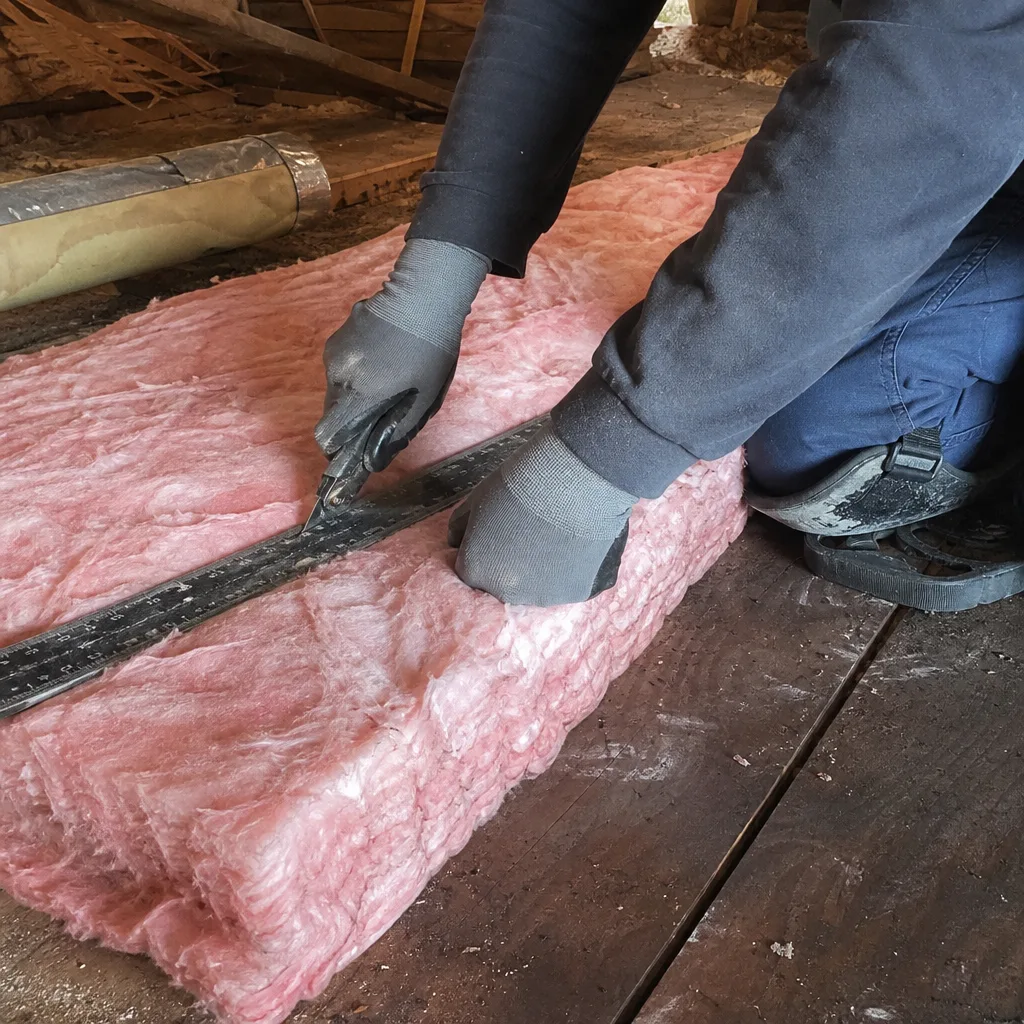
- Cold floors over crawl spaces, indicating either missing perimeter insulation or failed vapor barriers allowing ground moisture to evaporate upward
- Uneven room temperatures, especially in older Whittier neighborhoods like College Hills where additions created discontinuous attic spaces with no access
- Dry indoor air and static electricity, often caused by excessive infiltration rather than “winter dryness” - outside air at 40 degrees and 30% relative humidity, once heated to 70 degrees, drops to 15% RH
- Ice dam formation on north-facing roof sections, rare in Whittier but possible during cold snaps if attic bypasses allow warm air to melt snow at the ridge
Winter is also when we see the consequences of insulation installed over unsealed bypasses. Warm, moist interior air escapes through gaps, hits cold sheathing, and deposits moisture that degrades fiberglass batts from the top down. By February, the homeowner has wet, compressed insulation and a higher gas bill than the year before. This is why Envelope Insulation Co. - the operational standard behind Topside Attic Insulation Whittier home - seals first, then insulates. Always. Blowing new material over unsealed gaps buries the problem and accelerates the degradation.
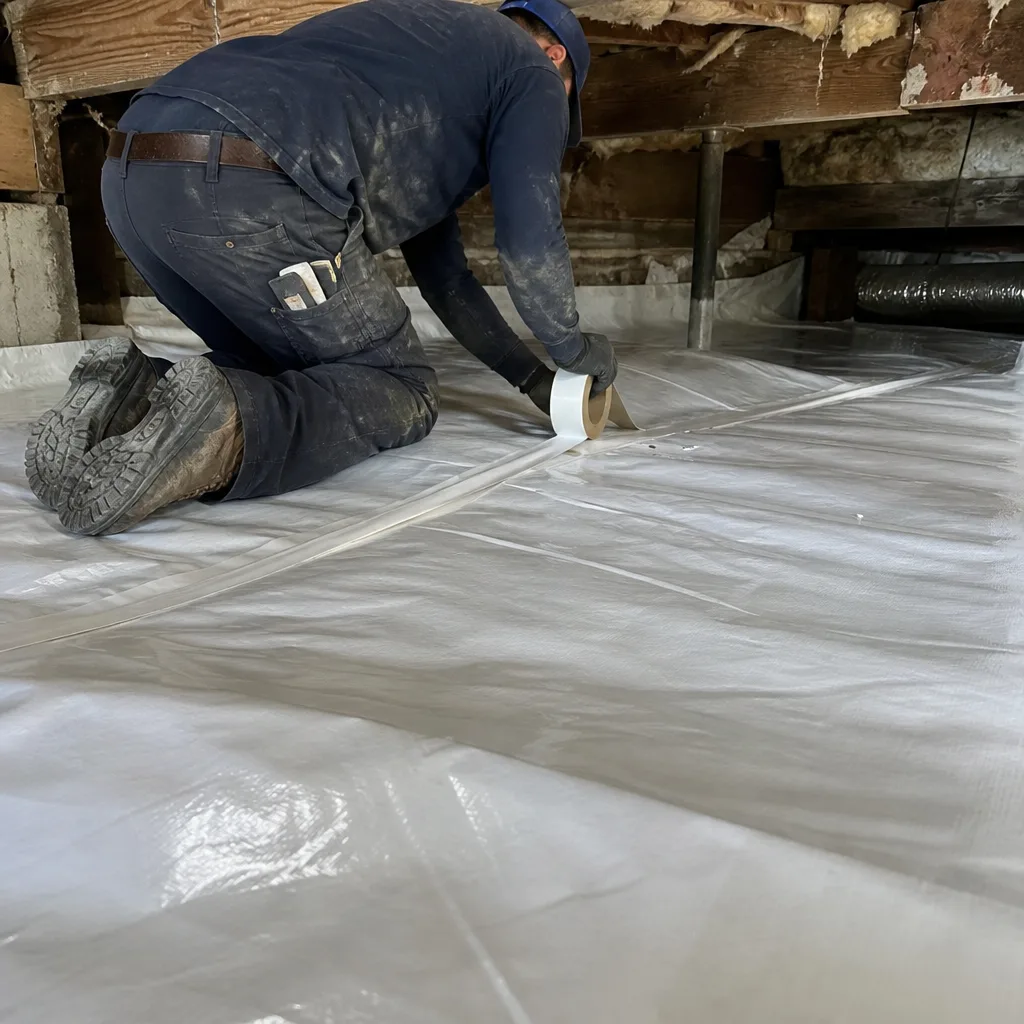
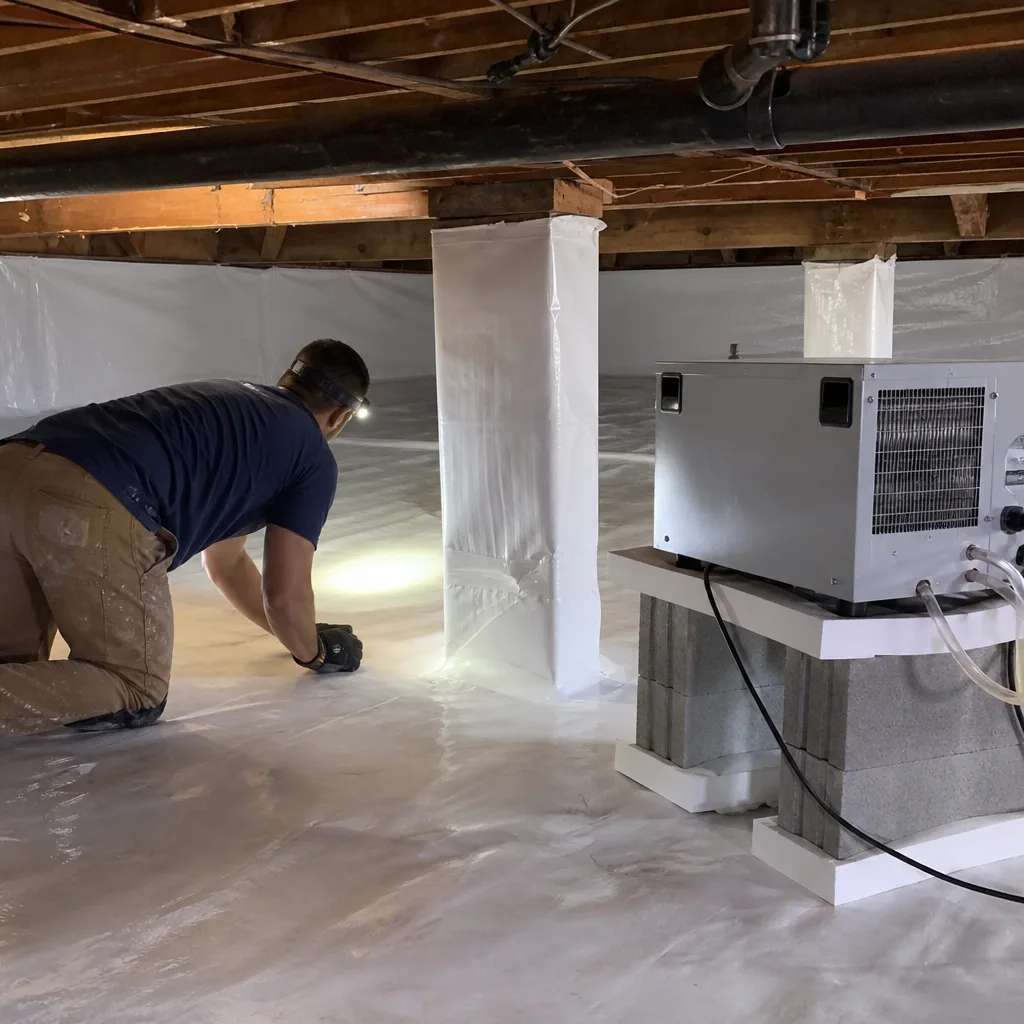
For crawl space homes in Whittier, winter is the right season to evaluate encapsulation. A sealed crawl space with a proper vapor barrier - we install these under Crawl Space Encapsulation & Vapor Barrier in Whittier - eliminates the cold-floor problem at its source and reduces the heating load the main insulation system must carry.
Month-by-Month Insulation Action Calendar
Whittier’s climate doesn’t follow the solstice calendar that generic insulation guides assume. This calendar ties specific tasks to the actual conditions your envelope experiences.
January: Baseline heating assessment
Run your heating system for one hour with all registers open, then check room temperatures with a basic thermometer. Variation over 4 degrees between rooms indicates duct leakage or missing insulation in wall or floor cavities. Document the readings; compare next January.
February: Crawl space moisture check
If your home has a crawl space, look for standing water, efflorescence on foundation walls, or sagging insulation. Ground moisture peaks in winter rains. Address now before spring humidity arrives.
March: Attic hatch and access sealing
Before temperatures rise, replace worn hatch gaskets and verify pull-down stair weatherstripping. This is low-effort, high-return maintenance that most homeowners never do.
April: Eave vent and baffle inspection
Check soffit vents for blockage from pollen, leaves, or degraded screens. Verify baffles are intact and extend above insulation level. Whittier’s spring winds can deposit surprising debris.
May: Pre-cooling duct inspection
Examine flexible duct for kinks, sagging, or insulation tears. Run the system and feel for temperature drop at distant registers. Schedule sealing or replacement before peak load.
June: Marine layer moisture inspection
Early morning attic entry. Look for sheathing stains, damp insulation near vents, corroded metal. This is your advance warning for October’s pressure test.
July: Radiant barrier and roof ventilation check
Verify ridge vents are unblocked, turbine vents spin freely, and any radiant barrier hasn’t detached or developed gaps. Peak attic temperatures stress all components.
August: Cooling load documentation
Record your highest daily kWh usage and the outdoor temperature that day. Compare to prior years. A rising trend with similar weather indicates envelope degradation.
September: Pre-Santa Ana air sealing verification
The critical month. Re-inspect all June findings. Check recessed light covers, top plate sealing, chimney chases, plumbing stack boots. Any gap that leaked in June will fail catastrophically in October wind.
October: Post-event inspection protocol
After the first Santa Ana event, execute the full inspection checklist from the Santa Ana section above. Document with photos for year-over-year comparison.
November: Heating system and envelope coordination
Verify thermostat location isn’t affected by drafts from poorly sealed walls or windows. A thermostat sensing leakage air runs the system inefficiently.
December: Annual blower-door benchmark
If you’ve had sealing work done, this is the ideal month for a follow-up blower-door test - heating system running, natural pressure conditions, comparable to your baseline. We provide these as part of our documented service record.
DIY Inspection Protocols for Each Season
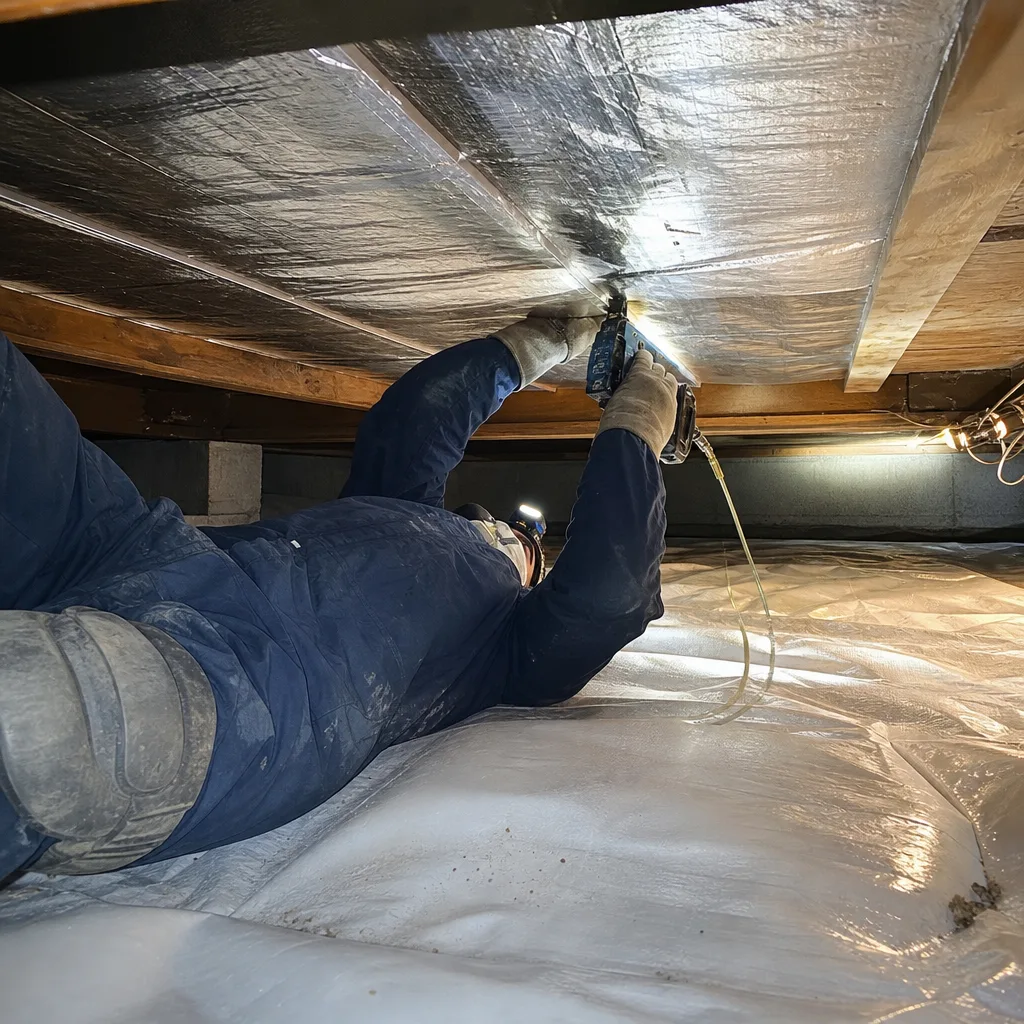
Most homeowners can execute basic seasonal inspections safely. These protocols assume a standard vented attic with safe access; if your roof pitch is below 6:12, your attic has no flooring, or you encounter exposed wiring, stop and call a professional.
Safe Access Requirements
Before entering any attic: verify the access opening supports your weight, wear a respirator rated for fiberglass or cellulose dust, bring a headlamp plus handheld light, and never step between joists - only on installed flooring or joist tops directly. Attic temperatures in Whittier can exceed 120 degrees by 10 a.m. in summer; inspect before 9 a.m. or after 6 p.m.
The 10-Minute Seasonal Inspection
- Photograph the entry. Before disturbing anything, take photos of insulation depth, hatch condition, and any visible penetrations. This creates your comparison baseline.
- Check penetrations. Plumbing stacks, electrical runs, chimney chases, and duct boots - each should show sealant or foam at the ceiling plane. Gaps wider than 1/4 inch need attention.
- Verify insulation distribution. Look for settled areas, wind-scoured edges, or compression from stored items. Depth should be relatively uniform; measure with a ruler if uncertain.
- Inspect ventilation. Soffit vents visible? Ridge vent continuous? No insulation blocking either? Baffles present and intact?
- Document and exit. Photos, notes, date. Compare to prior inspection.
What you find determines next steps. Isolated gaps around one or two penetrations can be sealed with fire-rated caulk or expanding foam by a capable homeowner. Widespread bypasses, degraded insulation, or any signs of moisture damage warrant professional assessment. Under Haven Standard: Written Price Before Any Work Starts - you’ll know the scope and cost before anyone lifts a tool.
Common Mistakes to Avoid
- Adding insulation over unsealed bypasses. This is the most common error we correct in Whittier homes. New insulation buries air leaks, making them harder to find and accelerating moisture degradation from the hidden warm-side condensation.
- Ignoring the attic hatch. Homeowners meticulously insulate rafter bays but leave the hatch ungasketed and uninsulated. It’s often the largest single leak in the ceiling plane.
- Blocking soffit vents with insulation. Well-meaning attempts to “add more insulation” at the eaves often stuff material into vents, killing airflow and creating moisture traps. Baffles exist for this reason; use them.
- Installing recessed lights without airtight covers. In Whittier’s Santa Ana season, standard can lights are direct pressure relief valves. IC-rated and airtight-rated are different specifications; only airtight covers resist wind-driven leakage.
- Assuming R-value alone solves comfort problems. An R-38 attic with massive bypasses performs worse than an R-30 attic that’s properly sealed. The industry sells R-value because it’s simple; we measure performance because it’s true.
- Neglecting crawl space vapor barriers. Whittier’s clay-heavy soils hold moisture year-round. A dry attic won’t compensate for evaporative cooling and humidity rising from an unsealed crawl space.
- Skipping documentation. Without photos and measurements, you can’t distinguish gradual degradation from sudden failure. Every inspection should produce dated evidence.
When to Call a Professional
Call when you find moisture staining that reappears after drying, when room-to-room temperature variation exceeds 6 degrees, or when your energy usage trends upward without weather explanation. Call before Santa Ana season if your home hasn’t had a blower-door test in three years or more - the baseline leakage rate is the only way to quantify whether your sealing is still intact.
Specific scenarios that warrant professional assessment: recessed light covers that won’t stay seated, indicating pressure-cycled or improperly sized components; insulation that has settled below joist tops across more than 20 percent of the attic area; any smell of mold or rodent activity that suggests compromised air barriers; and homes built 1940-1980 in Whittier’s original neighborhoods, which often have knob-and-tube wiring, zero wall insulation, and attic floors that weren’t designed for modern loads.
Topside Attic Insulation Whittier offers free estimates in Whittier - call (424) 349-7262. Every estimate includes a written scope, written price, and documented photo record. We publish before-and-after blower-door numbers on every applicable job so you can verify the air-sealing result you paid for. Under Haven Standard: Have it in writing.
Frequently Asked Questions
Most seasonal maintenance tasks - hatch sealing, vent inspection, light cover replacement - are DIY-capable and cost under $100 in materials, though DIY vs Professional Insulation: The Whittier Homeowner’s Decision Guide can help you decide which path fits your situation. Professional seasonal inspection and targeted air sealing typically runs $400-$800 for a standard Whittier single-family home, with full attic air sealing and insulation replacement ranging $2,800-$6,500 depending on square footage and existing conditions. Call (424) 349-7262 for a written estimate - estimates are free, and we provide a Free Second Opinion on any competing written quote.
Basic visual inspections are within most homeowners’ capability if the attic has safe access, stable flooring, and no exposed wiring hazards. We recommend professional assessment for homes with pre-1980 construction, any signs of moisture damage, or if your last blower-door test was more than three years ago. The blower-door test - a pressurization reading that shows, in one number, how much air your building envelope is losing - is the only way to quantify degradation that’s not yet visible. Call us for testing; we publish the numbers.
Draftiness is an air-sealing problem, not an insulation problem. Insulation slows heat transfer through solid materials; it does not stop air movement. In Whittier, Santa Ana winds force outside air through gaps around windows, doors, and especially attic bypasses, creating perceptible drafts even in walls with adequate R-value. The solution is sealing the pressure boundary, not adding more insulation. We’ve documented this pattern across hundreds of Whittier homes - the blower-door test always reveals the true source.
Properly installed, dry insulation in a sealed attic lasts 20-30 years. In Whittier, the failure mode is usually moisture degradation from unsealed bypasses, not age. Insulation that has been wet, compressed, or disturbed by rodents should be removed and replaced regardless of age. We provide insulation removal and replacement with full decontamination when conditions warrant. A documented photo record from each inspection lets you track condition year over year rather than guessing.
Spray foam - whether open-cell Icynene or closed-cell formulations - reduces but doesn’t eliminate seasonal inspection requirements. Foam can shrink, crack, or delaminate from substrates; roof leaks can damage it from above; and the air-sealing performance depends on complete coverage at all penetrations. We install Spray Foam Insulation in Whittier and still recommend annual visual inspection, especially after Santa Ana events. The 365-Day Done Right Promise covers any material or installation issues that appear.
September’s pre-Santa Ana air sealing verification. The pressure differentials Whittier experiences in October through December exceed what any other season creates, and they exploit every gap that developed since the prior year. A 30-minute inspection in September, focused on recessed lights, attic hatch seals, and eave vent integrity, prevents the heating-season energy losses that show up in January bills. If you do only one seasonal maintenance task, make it this one.
The Bottom Line
Whittier’s insulation calendar runs on marine moisture, peak heat, Santa Ana pressure, and winter heating demand - not the generic four-season template most guides repeat. The homeowners who spend least on energy and most on comfort are those who inspect before the stress arrives, who seal before they insulate, and who document what they find. A sealed attic with verified blower-door numbers doesn’t just perform better; it performs predictably, season after season, with maintenance needs you can anticipate rather than react to. Start with the September inspection. Everything else follows.
Written by Wes Okafor, Owner at Topside Attic Insulation Whittier, serving Whittier since 2016.